
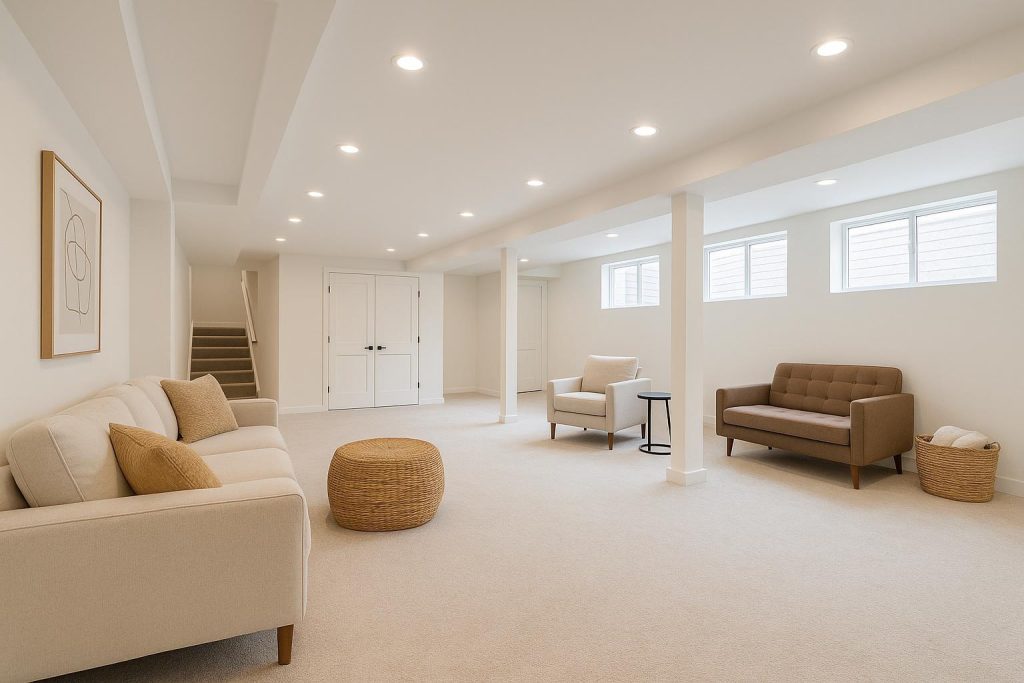
A Comprehensive Look at How a Finished Basement Can Increase Your Home’s Value
Finishing your basement is one of the most effective ways to expand your usable living space without the need for a costly home addition. Beyond simply adding square footage, a well-designed basement renovation can significantly raise your home’s value in the eyes of prospective buyers. Whether you plan to stay in your home for many years or sell in the near future, a thoughtfully completed basement can provide both immediate and long-term benefits.
1. Understanding the Return on Investment (ROI)
Homeowners often wonder if the potential gain in property value is worth the expense of renovating a basement. While ROI can vary depending on your location and the scope of your project, basement renovations have a reputation for strong returns. In many regions, homeowners can recoup a substantial portion of what they invest in basement finishing. This return typically hinges on the quality of materials, thoughtful design, and seamless integration of the newly finished space into the rest of the home.
To maximize ROI, focus on features that appeal to a broad range of buyers. A versatile basement with open living spaces, a well-placed bathroom, and even options for future expansion can be exceptionally appealing. If you plan to sell soon, also pay attention to current design trends and ensure your renovation complements the style of the rest of your home. Real estate agents and appraisers often highlight well-finished basements in listings, which can boost your home’s market position and help justify a higher asking price.
2. Potential Uses for a Finished Basement
One reason basement renovations are so compelling is their versatility. The possibilities for how to use the space are nearly endless, and each choice can attract different types of future buyers. Consider some of these functional and creative options:
- Entertainment Room: A dedicated media or game room can be a huge selling point, especially in family-friendly neighborhoods. If you’re interested in soundproofing for a home theater, you might find our related FAQ: What’s the best way to soundproof a basement media room? helpful for additional ideas.
- Home Office: With more people working remotely, a private, quiet space to concentrate is a big plus. If your basement has limited natural light, consider ways to brighten it up or add egress windows for comfort.
- Rental Suite: For homeowners seeking extra income, a legal basement suite can be invaluable. If you want to explore that route, visit our FAQ: Can I build a legal suite in my basement to rent out? to learn about code requirements and best practices.
- Home Gym: If fitness or wellness is a priority, an at-home gym can save on membership fees and motivate you to stay active. For tips on basement gyms, see Can I convert my unfinished basement into a home gym?
- Guest Suite: Hosting friends and family becomes more comfortable with a dedicated bedroom and bathroom. However, be sure to check window and egress requirements in your area. Our FAQ What egress window requirements apply to basement bedrooms? offers crucial insights.
The key is envisioning how the space can meet your current needs while still appealing to a range of future buyers. A versatile design approach can give you maximum flexibility, ensuring your renovation remains valuable whether your family grows or you decide to sell your home down the line.
3. Enhancing Livability and Comfort
A finished basement expands your day-to-day living area, providing new possibilities for privacy, entertainment, and relaxation. For families, it can serve as a kids’ playroom or teen lounge, helping keep the upstairs calm and organized. Couples can use the extra space for hobbies, crafts, or simply as a peaceful haven away from busy household activities.
When finishing your basement, warmth is a top priority. Basements can often be cooler than the upper levels, especially during the winter. To address temperature concerns, make sure to choose the right insulation and consider additional heating solutions. You might find our FAQ How can I ensure my basement stays warm during winter? helpful if you’re concerned about winter chills. Investing in proper insulation, moisture control, and even radiant floor heating can keep your newly finished spaces cozy and inviting.
4. Critical Considerations Before You Start
Before tearing down walls or installing new flooring, it’s essential to address any existing basement issues. Basements are notorious for dampness, which can lead to mold or mildew if not managed properly. You may need to add waterproofing measures, repair cracks in the foundation, or install a sump pump. For more guidance on moisture control, check out Should I waterproof my basement before installing new flooring?
Another critical step is to ensure that your renovation complies with local building codes and regulations. Permits are often required for plumbing, electrical, and structural changes, whether you’re adding a bathroom or making significant modifications. If you’re unsure which permits or inspections you might need, our FAQ Do I need permits and inspections for a basement remodel? can give you a clearer idea of what to expect.
Here are some pre-renovation considerations to keep in mind:
- Waterproofing and Sealing: A dry basement is fundamental to a successful finish, preventing structural damage and odor issues.
- Electrical Upgrades: Check your home’s electrical load capacity, especially if you plan to incorporate high-powered entertainment systems or new appliances.
- Plumbing and HVAC: Adding a bathroom or kitchenette can increase your basement’s functionality, but it requires proper infrastructure to avoid costly mistakes.
- Egress and Safety: If your design includes bedrooms or sleeping areas, ensure you meet egress requirements for safe exits.
- Design Flow: Aim for a seamless style-transition from your main floor to your basement by coordinating finishes and layout.
5. Adding Light and Spaciousness
A common concern with basements is that they can feel dim or enclosed. However, a few design strategies can dramatically brighten the space. Light-colored walls, reflective surfaces, and strategic lighting fixtures can make a significant difference. Ceiling treatments, such as tray or coffered designs, can add architectural interest while creating the illusion of more height. If you’re curious about enhancing natural sunlight, explore our FAQ: How can I add more natural light to my below-grade basement?
Remember that the height of your basement ceilings can also factor into how open the space feels. If your ceilings are low, certain design techniques, like removing obstructions or painting exposed beams, can visually raise the height. For more on this topic, check out How do I deal with low ceilings during a basement renovation?
6. Material Choices and Eco-Friendly Options
Selecting durable and moisture-resistant materials is crucial for any basement project. Vinyl, tile, or engineered hardwood flooring can diminish the risk of water damage, while mold-resistant drywall and insulation help maintain healthy air quality. This attention to materials not only safeguards your investment, but also appeals to potential buyers who appreciate a well-constructed space.
If sustainability is important to you, consider using eco-friendly materials. From low-VOC paints to insulated concrete forms, there are many ways to reduce your renovation’s environmental impact. If you want more information on eco-friendly solutions, head over to our FAQ: Are eco-friendly materials an option for my basement reno?
7. Expert Craftsmanship and Design
The quality of your basement renovation can greatly influence how it affects your home’s value. Professional contractors and designers know how to optimize your layout, choose suitable materials, and ensure the project meets local codes. You can take a design-centered approach by consulting an in-house design team and leveraging 3D renderings, which help you visualize the space before any construction begins.
Hiring expert help also reduces common renovation pitfalls like mismatched finishes, poor lighting, or insufficient storage. If you’re considering whether a designer is worth the cost, our FAQ Should I hire a designer for a full basement renovation? offers more insights.
8. Additional Amenities That Boost Value
Beyond the basics, certain big-impact features can elevate your basement’s overall value. Adding a fully functional bathroom is one of the smartest enhancements you can make, as it creates convenience and flexibility. If you’re curious about installation details, see Is it possible to add a bathroom during a basement renovation?
Installing a wet bar or kitchenette can also transform your basement into a social hub, perfect for entertaining. Similarly, built-in shelving or custom closets can add a sense of organization and luxury. Some homeowners also opt for integrated home theaters with state-of-the-art video and sound systems, which can have strong appeal for buyers seeking a modern lifestyle. The more usable and attractive the space, the higher the potential resale value.
9. Exploring Basement Additions and Extensions
If your property can accommodate it, you might even consider extending your finished basement beyond the existing foundation. This approach is more complex than a standard basement remodel, requiring additional permits, structural engineering, and architectural planning. However, it can significantly expand your living area. If you want a deeper dive into gaining or extending your basement living space, check out the FAQ: Can I build an addition that extends my basement living space?
An expanded basement can allow you to include more amenities, turning the lower level into an all-in-one living suite. Such extensions are typically project-specific, so discussing your needs with a contractor or design team is important to gauge the feasibility and cost implications.
10. Addressing Common Basement Challenges
Basements can come with unique challenges, from musty odors to persistent dampness. Without proper ventilation and dehumidification, these issues can linger even after a complete renovation. It’s best to tackle odor or moisture problems at the onset of your project to avoid costly retrofits down the road. If you encounter persistent unpleasant smells, check out our FAQ How can I remove musty odors from a renovated basement? for effective solutions.
Low ceilings, minimal sunlight, and older foundation spaces can also be tricky to optimize. Combining intelligent design strategies such as installing new windows, using bright paint colors, and planning an open layout can help resolve these challenges. Don’t forget the value of purposeful décor—mirrors, well-placed lighting, and multi-purpose furniture can all help your new basement feel bright and inviting.
11. The Role of Time and Planning
Naturally, a basement renovation doesn’t happen overnight. Depending on the project’s scope—be it a minor upgrade or a full layout shift—the timeline can vary significantly. Typically, you can expect anywhere from a few weeks to a few months. If you need more detailed timelines, take a look at How long does a typical basement renovation take?
A well-thought-out plan not only streamlines the construction process but also helps you maintain a realistic budget. Whether you’re planning to handle a portion of the work yourself or leave it all to professionals, having a structured plan from the start ensures higher-quality results and fewer unexpected issues. If you’re building with future resale in mind, this planning phase is also the ideal time to consider which features will appeal most to potential buyers.
12. Positive Impact on Resale Value
When real estate appraisers look at your home, they consider finished basements as part of the overall square footage, provided the renovation meets code and includes safe, habitable conditions. This can translate into a higher appraised value. Additionally, the ability to market a home with extra bedrooms, bathrooms, or specialty areas (like a home theater) can set you apart from comparable properties.
Beyond appraisal, buyers form emotional connections when they walk into a bright, spacious basement. They imagine the lifestyle possibilities—whether it’s a theater night with friends or having extra space for aging relatives. By providing that sense of comfort and function, you increase the perceived value of the entire property. It’s not just about square footage; it’s about the quality of that space and the experiences it enables.
13. Enjoying the Here and Now
While the long-term advantages for resale are significant, don’t forget the immediate benefits you can enjoy. A finished basement can serve as a peaceful retreat, an activity area for family gatherings, or even a source of income through renting. The key is designing a basement you’ll truly love living in, which also happens to enhance your home’s market appeal. After all, time spent in a beautifully designed space contributes to your quality of life and can bolster your mood every day.
If you’re unsure how your design plans might evolve in the future, think about creating adaptable spaces. Walls that can be reconfigured or multipurpose rooms that can shift functions over time are great strategies for maximizing long-term value. The flexibility you build in today can ensure that, whether you stay or sell, your basement layout will stand the test of time.
14. Putting It All Together
Finishing your basement is more than just an aesthetic upgrade. It’s an opportunity to add functional living areas, boost the appeal of your property, and potentially increase its market value. From installing comfortable heating solutions to creating a legal rental suite, the benefits are extensive. The trick is planning carefully, choosing durable and appealing materials, and ensuring the project aligns with local building codes and safety regulations.
When you balance your immediate needs with the potential expectations of future homebuyers, you can achieve a basement that feels seamless and integrated. If you’re looking for even more inspiration or guidance on basement developments, feel free to explore our Home page for additional renovation ideas and insights. With the right combination of vision, craftsmanship, and attention to detail, a finished basement can transform your day-to-day life while enhancing the overall value of your home.
Ultimately, your basement has the potential to become one of the home’s most inviting areas. Whether it’s a new entertainment center, a private office, or a self-contained suite, the rewards are both immediate and long-lasting. By approaching your basement renovation with a design-centered mindset and a solid understanding of code requirements, you create a welcoming extension of your home that not only elevates its market worth but also enriches the experiences within it.