
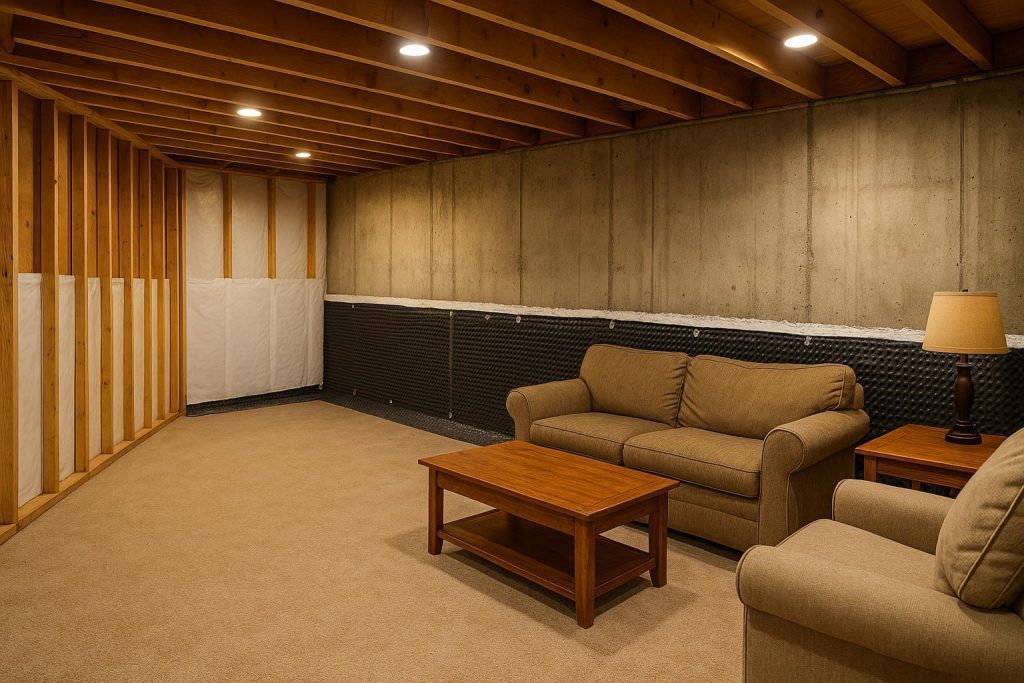
Why Basement Waterproofing Before Flooring Matters
When you decide to renovate your basement, one of the first questions that often comes up is whether to address waterproofing issues before installing new flooring. Proper waterproofing is crucial for a comfortable, long-lasting basement renovation. Basements naturally sit below ground level, which puts them in direct contact with soil moisture and groundwater. Over time, even small leaks or seepage can wreak havoc on new flooring materials, leading to warping, discoloration, mold growth, and other challenges that compromise both appearance and indoor air quality. By proactively waterproofing your basement, you create the ideal environment for any flooring type—from vinyl and laminate to tile or carpet—and protect your investment for years to come.
Common Moisture Issues in Basements
Basement environments are particularly vulnerable to moisture because of the constant pressure exerted by surrounding soil. Water can sneak in through cracks in the foundation, poorly sealed windows, or even condensation from temperature fluctuations. Below are some of the most common moisture-related issues that homeowners encounter:
- Seepage Through Foundation Walls: Tiny cracks in concrete walls or joints can allow water to enter, especially after heavy rainfall or melting snow.
- Floor Cracks: When soil settles beneath your home, it can create tension that leads to cracks in the basement floor slab. If these cracks develop, they may let in groundwater over time.
- Condensation or Humidity: In warmer months, condensation can form on cooler basement surfaces such as pipes and walls, raising humidity levels and leading to damp surfaces.
- Leaky Appliances or Pipes: Sometimes, basement moisture issues stem from an internal source, like a dripping water heater or faulty plumbing connections.
- Poor Exterior Drainage: If your downspouts or gutters do not direct water away from your foundation, excessive moisture can accumulate in the soil adjacent to basement walls, elevating the likelihood of seepage.
Addressing these issues early in the renovation process ensures that your newly installed flooring won’t require costly repairs or replacement down the line. Moreover, a dry basement is not just about aesthetics—it significantly improves overall indoor air quality and helps prevent mold or mildew growth.
Steps to Effectively Waterproof Your Basement
Before you even think of setting down flooring, it’s wise to tackle waterproofing. Though the techniques can vary depending on the age of your home and the severity of any existing problems, the following steps commonly form the foundation of a robust waterproofing approach:
1. Inspection and Assessment
Begin with a thorough inspection of both the interior and exterior of your basement. Look for visible cracks, stains, and areas where moisture accumulates. Check your foundation walls for any signs of efflorescence—a white, salty residue that indicates past water infiltration. If you discover cracks wider than a hairline or suspect any structural defects, consider contacting a professional for guidance. Early detection is key to preventing future headache-inducing repairs.
2. Repairing Cracks and Sealing Joints
Small cracks or gaps in basement walls and floors can often be fixed with specialized injection products or patching compounds. Using materials like hydraulic cement or polyurethane-based sealants can inject deep into crevices, filling gaps and preventing water infiltration. While simple DIY solutions work for minor issues, consider hiring a professional if cracks are extensive or show signs of movement, as these could be symptoms of a shifting foundation that necessitates more intensive structural remedies.
3. Installing Exterior Drainage Solutions
A critical aspect of waterproofing goes beyond the basement interior—how well is water managed outside? Exterior drainage solutions work to keep water away from the perimeter of your home. This might include installing or repairing French drains, maintaining functional gutters, and ensuring your downspouts direct rainwater at least several feet away from the foundation. Properly graded landscaping around your home also helps slope water away, reducing hydrostatic pressure on basement walls.
4. Interior Drainage Systems
Some basements require an interior drainage channel, especially if external solutions aren’t sufficient or practical. A typical interior drainage system involves installing a perforated pipe along the base of the interior walls to collect water that seeps inside. This water is then directed into a sump pit, where a sump pump expels it away from your home’s foundation. This round-the-clock defense can be especially reassuring during heavy rains or if you live in a high water table area.
5. Waterproof Coatings and Membranes
Once cracks are sealed and drainage is properly addressed, an additional protective layer can help keep moisture in check. Waterproof paints, sealants, or membranes are applied to basement walls and floors, creating a barrier that resists water seepage. Some homeowners also opt for advanced systems like vapor barriers placed behind finished walls, which can trap and redirect any residual water vapor into a drainage channel. Likewise, specialized coatings can go a long way in preventing mold formation on porous surfaces.
6. Controlling Humidity and Ventilation
Even after dealing with structural and drainage issues, you’ll want to ensure your basement stays consistently dry. Dehumidifiers can be especially useful during humid weather. Look for models that automatically sense moisture levels and adjust settings accordingly. Proper ventilation—either through windows, mechanical means, or continuous exhaust fans—will help maintain fresh air circulation. If your plans involve finishing walls and hiding mechanical elements, be sure you don’t inadvertently trap moisture behind the drywall.
Choosing the Right Flooring: The Finish Line
After you’ve addressed waterproofing measures, it’s time to decide on your new basement flooring. Each material has its own advantages, but not all are equally well-suited for below-grade environments. When selecting the perfect finish for your space, consider the following:
- Water Resistance: Materials like vinyl plank, tile, and certain types of laminate are more forgiving if exposed to minor moisture.
- Insulation: If you want a warm and cozy floor, particularly in cooler climates, consider installed underlayments designed for basements or even explore radiant floor heating options for year-round comfort.
- Durability: Basements often serve as multipurpose rooms—play areas, home gyms, or entertainment dens—so opting for higher durability can save money in the long run.
- Maintenance Needs: Some flooring materials require sealing or special cleaning routines, so be sure to weigh the upkeep responsibilities against how you plan to use the space.
For more guidance on selecting the ideal floor for a basement prone to dampness, you can check out our related FAQ: What is the best type of flooring for a damp basement? Remember, even with excellent waterproofing, it’s wise to choose a material that resists mold or moisture-related damage. That way, you preserve the fresh, dry environment you’ve worked so hard to create.
Maintenance and Ongoing Checks
Even the best waterproofing plan needs periodic follow-ups to ensure no new issues crop up. Consider these tips for long-term protection and maintenance:
- Regular Inspections: Every few months, walk around your basement to check for signs of dampness or musty odors. Early detection goes a long way in curbing small problems before they grow.
- Monitor Humidity Levels: Keep a hygrometer in your basement. Generally, indoor humidity should stay between 30% and 50%. If levels climb higher, run a dehumidifier or increase ventilation.
- Stay Alert to Musty Odors: A foul or musty smell could signal mold growth. If this happens, investigate promptly. Hand-in-hand with waterproofing, good cleanliness practices ensure you can catch potential problems early. You can also refer to our guide on removing musty odors for additional insights.
- Maintain Exterior Drainage: Clean gutters, extend downspouts, and regrade landscaping if water starts to pool near the foundation. Simple measures like these keep exterior moisture away from your basement walls.
- Sump Pump Care: If you have a sump system, test it occasionally by pouring water into the sump pit to ensure the pump activates correctly. Consider having a backup power source on hand if your area is prone to power outages.
Beyond Flooring: Creating a Healthy, Functional Basement
Once truly waterproofed, there’s no limit to how you can transform your basement. Perhaps you want to create a home gym, install a mini theater, or set up a comfortable guest suite. Whatever your vision, taking care of waterproofing at the outset lays the groundwork for a more durable and pleasant living space. If you plan to create a multipurpose area or even an income-generating suite, make sure you follow local regulations for basement renovations—including egress window requirements and the right insulation. For more on these types of projects, you can explore additional FAQs, like how to convert your unfinished basement into a home gym or build a legal suite to generate monthly rental income.
Basements often come with unique design challenges, but they also offer immense potential to expand your home’s usable square footage. With proper waterproofing, you can confidently explore creative floor plans and interior finishes that would ordinarily be too risky in below-grade environments. If you’re curious about making your basement warmer during harsh winters, you may also find helpful tips at how to keep basements warm in winter.
Next Steps for a Dry and Beautiful Basement
Waterproofing a basement might seem like a daunting process, but it pays off significantly in comfort, safety, and long-term cost savings. Once you address any sources of water infiltration, apply sealants or membranes, and enhance ventilation, you’ll be well on your way to enjoying an attractive, functional space with minimized risks of mold and flooring damage. At this point, you’re free to choose flooring options that align with your personal style and lifestyle—be it tile, vinyl, laminate, or carpet—knowing that your basement environment is ready to protect your investment.
If waterproofing or a full basement development project sounds complex, remember that professional assistance can save you effort and ensure success. A team experienced in residential design and renovation can quickly diagnose issues, suggest effective solutions, and perform the work so that your home remains structurally sound. Regular checkups after the renovation wrap-up will help you maintain healthy humidity levels, keep drainage pathways clear, and spot any early signs of a leak or dampness.
For more ideas, resources, or details on how to properly waterproof and renovate your basement, feel free to check out our Home page. Whether you’re planning a gym, a family entertainment lounge, or the perfect guest suite, addressing waterproofing sets the stage for a basement that combines practicality, beauty, and peace of mind.
All it takes is a bit of forethought and proper maintenance to ensure your below-grade living area stays comfortable year-round. By prioritizing moisture control before installing new flooring, you’re investing in the long-term health of your home and safeguarding the time and resources you’re about to put into your renovation. Ultimately, the reward is a basement that stays dry and inviting—truly an extension of the rest of your house—rather than an afterthought buried underground.