
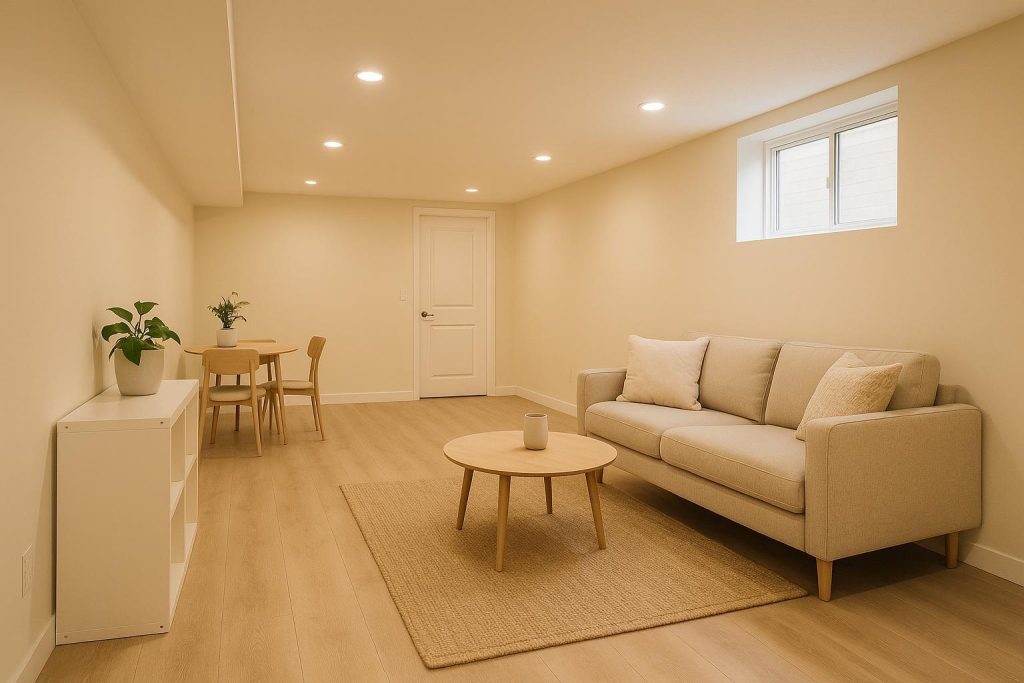
Designing a Legal Basement Suite: Key Considerations for a Successful Project
Building a legal basement suite can be an excellent way to optimize unused space in your home. Whether you envision renting out the suite for extra income or providing private accommodations for extended family, the potential benefits are plentiful. However, transforming a basement into a fully compliant living area involves more than just placing some furniture and throwing up a few walls. From meeting safety regulations to creating a comfortable environment, you will need a solid plan that accounts for municipal rules, effective design, and long-term functionality. In this comprehensive guide, we will explore the critical steps involved in creating a legal basement suite and highlight ways to ensure your project is both practical and safe, all while preserving your home’s style.
Before diving into any plans, it is helpful to recognize that each locality has its own specific requirements related to building codes, zoning regulations, and overall compliance. Owners who understand these foundational elements are better equipped to navigate paperwork, inspections, and any potential surprises. By aligning your project with the right standards from the outset, you greatly minimize the chance of costly retrofits or fines down the road. Ensuring occupant safety—through proper exits, adequate ventilation, and reliable utilities—remains a top priority. At the same time, your design choices can help tie the new basement suite aesthetically to the rest of your home, creating a cohesive look that benefits you and potential renters.
1. Understanding Local Regulations and Zoning
When planning a legal basement suite, your first step should be to research the local bylaws and zoning regulations that govern secondary suites in your area. Municipalities often enforce specific guidelines on maximum suite size, minimum ceiling height, and whether a separate entrance is required. You may encounter zoning limitations that dictate which neighborhoods allow for rental suites or accessory dwelling units. If you skip this research and begin construction prematurely, you risk discovering that your new suite cannot be legally rented—or worse, you might have to make extensive changes after the fact. By taking the time to check local zoning codes, you can confirm that your project is viable and ensure you meet the initial threshold for legal status.
It is also beneficial to double-check how your municipality categorizes basement suites. Some areas have distinct terms (like “secondary suite,” “in-law suite,” or “accessory dwelling unit”) with different requirements for each. The differences might dictate everything from soundproofing demands to the type of permit you will need. Additionally, certain regions mandate that the homeowner must occupy the property in order to maintain a legal basement suite. As these guidelines vary widely, consider contacting contractors or local building officials for clarity. If you are uncertain about overall permit steps, check out our related FAQ: Do I need permits and inspections for a basement remodel? for further insights into why obtaining the correct documentation is so important.
2. Essential Safety Features and Building Code Requirements
Safety is paramount when creating a space meant for people to live comfortably and securely. One of the most common considerations is installing egress windows that meet local code. These windows offer a quick escape route in case of fire or other emergencies. If your basement bedrooms are not equipped with large enough exits, your entire suite could be deemed non-compliant. Be sure to review guidelines for egress windows and proper window wells (if applicable). For more specifics on window sizing and placement, see: What egress window requirements apply to basement bedrooms?.
Another key safety element involves ensuring adequate fire separation between your suite and the rest of the home. Fire-rated doors and drywall may be required to slow the spread of flames, allowing residents enough time to evacuate. Additionally, separate smoke and carbon monoxide alarms for each living area are often mandatory, and certain municipalities require that these alarms be interconnected so that if one sounds, they all do. Beyond fire safety, maintaining proper ventilation—whether through windows or mechanical systems—is crucial for a healthy indoor environment. You will want to confirm compliance with local building codes, especially in terms of installing proper insulation and maintaining recommended headroom clearances.
3. Creating a Private Entrance and Independent Systems
Most municipalities require that any legal basement suite have a private entrance, separate from the main home. This entrance not only ensures the privacy of both you and your tenants, but also offers an additional path for emergency evacuation. Depending on your home’s layout, adding a separate doorway might require structural revisions to walls or foundations. If you already have a side or backyard entrance, you may be able to use this space for the new suite.
Beyond the doorway, it is not uncommon to install individual utility meters for electricity, gas, or water. Some local laws mandate that utilities be fully separated between the main dwelling and the secondary suite. Others might allow shared systems, provided you incorporate specific shut-off controls. To maintain convenience, an isolated HVAC configuration can give tenants control over heating and cooling in their portion of the home, improving comfort and usability. If you live in a climate with cold winters, advanced heating solutions can be especially appealing. To discover ways to keep below-grade areas warm, try reviewing our guide: How can I ensure my basement stays warm during winter?.
4. Comfort, Layout, and Aesthetics
While adhering to legal standards is imperative, you also want your basement suite to be a space that feels welcoming. Design choices can go a long way toward helping a below-grade unit feel like an integral part of the home. Think carefully about open-concept layouts, choosing materials that brighten the space and create visual continuity. Light-colored floors and walls can help reflect natural and artificial light in otherwise dark spaces. Even if your basement receives minimal direct sunlight, strategic lighting installations and reflective surfaces can reduce gloom.
Consider employing a design style that complements the rest of your home. Using consistent trim, fixtures, and finishes helps tie the rooms together, making the suite more appealing to prospective tenants or family members who stay there. If you plan on furnishing the suite yourself, opt for multi-functional furniture—like a foldout couch with built-in storage or a dining table that can double as a workspace. Being thoughtful with the layout can help you make the most of a smaller footprint, especially if you plan to introduce a kitchenette or lounge area. You could also explore using eco-friendly building materials, which may appeal to renters adopting a sustainable lifestyle. For deeper insights into green renovations, see our resource: Are eco-friendly materials an option for my basement reno?
5. Budgeting and Financial Considerations
The cost of developing a legal basement suite can vary greatly, depending on the scope of work, the need for structural changes, and the materials you choose. It is crucial to create a detailed budget that accounts for potential surprises—like plumbing upgrades, electrical rewiring, or foundation repairs uncovered during demolition. Construction expenses can increase quickly if you discover that your home’s existing water lines, drains, or electrical capacity need a significant overhaul.
Despite the upfront expenses, a legal rental suite can offer considerable returns. For one, you can potentially offset mortgage costs or generate a steady rental income that boosts your monthly cash flow. Moreover, prospective buyers often regard a well-executed secondary suite as a valuable asset, recognizing the convenience and earning potential it provides. To explore how a basement reno may improve your property’s worth, check out: Will finishing my basement increase my home’s value?. That said, remember that building an up-to-code rental unit is about more than simply adding square footage. Certain upgrades—like dedicated laundry facilities or noise-reducing insulation—can solidify tenant satisfaction and your suite’s reputation as a high-quality living space.
6. Securing Permits and Scheduling Inspections
Once your plan is in place, the next major step involves securing the permits necessary to legally construct or modify a basement suite. These commonly include building permits for any structural work, electrical permits for new wiring and panels, and plumbing permits if you are adding or relocating fixtures like sinks, showers, or toilets. Many municipalities also require a final inspection once the build is complete to confirm everything meets code. Here, inspectors check for issues like compromised structural integrity, improper window sizes, or insufficient exit requirements. Passing this inspection is the last checkpoint before your suite is deemed legal and ready for occupancy.
When planning your project timeline, you will want to factor in not only the construction phase, but also the time needed for permit reviews and any potential delays. The approval process can vary widely, with some areas completing paperwork within a few weeks, whereas others might have you waiting longer. By managing each step methodically, you will be better prepared to adapt if a particular permit or inspection takes more time than anticipated. Efficient scheduling also helps maintain momentum so your space is available for tenants as soon as possible.
7. Maintenance, Tenant Comfort, and Long-Term Value
Building a legal basement suite is not a “finish it and forget it” scenario. You remain responsible for maintaining a livable environment, which includes promptly addressing repairs and abiding by any local housing regulations. This upkeep extends to addressing potential moisture or water infiltration issues, as basements are typically more prone to dampness. Proactively waterproofing walls and floors can prevent mold, structural damage, and even unpleasant odors. If you are curious about tackling musty smells in a finished space, you might find our insights valuable: How can I remove musty odors from a renovated basement?
As a landlord—or even if you only anticipate occasional visitors in your suite—cultivating tenant comfort goes beyond the initial construction. Provide plenty of natural or artificial light sources, control noise transfer with sound-dampening solutions, and promote adequate airflow year-round. In colder climates, insulating your basement walls with robust materials and using efficient heating systems can turn an otherwise chilly space into a cozy retreat. If you plan to invest in further expansions—like adding an above-grade extension to your basement suite—consult resources such as Can I build an addition that extends my basement living space? to explore next steps.
8. Working with Knowledgeable Professionals
If you feel inundated by all the codes, regulations, and design elements involved in creating a legal basement suite, you are not alone. Many homeowners opt to partner with experienced renovation firms or consult design experts who can walk them through each component of the process. Balancing your vision with local building requirements often demands a coordinated effort between architects, engineers, and city inspectors. By assembling a capable team, you can gain more clarity about the upgrades you will need, along with the associated costs and timelines. Professional guidance can also help you streamline your choices, from selecting durable flooring to installing the right size of egress windows.
Beyond compliance, professionals often incorporate advanced solutions to make basement suites more energy-efficient, soundproof, and visually appealing. With a renovation company like Awlridge Renovations, you can have experts coordinate all phases—from initial conceptual designs, to procuring the correct permits, to managing on-site construction. If you wish to learn more about our design-centered approach or simply want to explore the possibilities for your basement, feel free to visit our Home page where you can discover how we handle custom renovations. Whether you tackle the project alone or with expert help, investing in the right plan dramatically increases your chances of building a basement suite that is both functional and fully code-compliant.
In conclusion, establishing a legal basement suite requires diligent preparation that covers regulatory mandates, architectural planning, and practical design considerations. From verifying zoning restrictions early on, to installing properly sized egress windows and setting up separated utilities, attention to detail can save you significant time, money, and stress. By designing a space that carefully accounts for safety, comfort, and long-term value, you will create a welcoming environment that also demonstrates respect for local building codes. Once you have finalized the essentials, you can focus on finer touches like color schemes, curated furnishings, and thoughtful layouts that will make your suite feel like a genuine extension of your home. With the right guidance, your below-grade space can become a top-tier rental suite or an inviting retreat for guests—ultimately enhancing both your property’s value and your own peace of mind.