
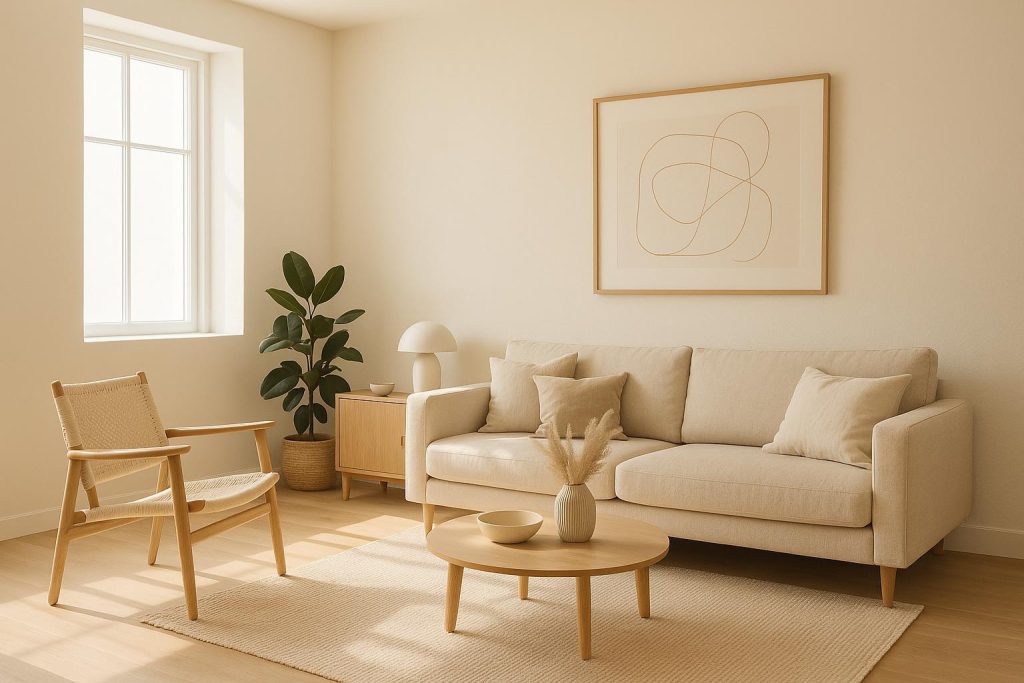
Embracing Minimalism for a Whole-Home Renovation
Minimalist interior design is often associated with sleek lines, open spaces, and an uncluttered aesthetic. Far from being just a trendy style, it can be an effective way to create a serene, highly functional, and personalized space within the context of a complete home renovation. If you are drawn to the simple elegance of minimalism, you might wonder how (and if) this aesthetic truly works for an entire home. In this guide, we’ll explore various angles of minimalist design—from its core principles and practical benefits to challenges and tips for implementation. By the end, you’ll have a clear sense of whether a minimalist approach could be the ideal direction for your own renovation project.
Understanding the Core Principles of Minimalist Design
Before diving into the practicalities of adopting minimalism, it’s important to understand its defining features. Minimalist interiors are grounded in the belief that less is more. This means focusing on:
- Functionality: Each element in the space—whether furniture, decor, or architectural features—serves a clear purpose.
- Clean, Uncluttered Spaces: The design eliminates unnecessary objects and furniture, leaving only items that contribute to the function or aesthetic.
- Neutral or Subdued Color Palettes: Typical minimalist color schemes revolve around whites, beiges, grays, or other neutrals that evoke a sense of calm and space.
- Quality Over Quantity: Minimalism favors a handful of high-quality items over an abundance of mediocre ones.
When these principles are extended to an entire home renovation, the result can be both visually compelling and deeply practical. In essence, you’re crafting a cohesive environment that encourages a balanced, clutter-free lifestyle.
Why Minimalism Works for Complete Renovations
When embarking on a full home renovation, you have the unique advantage of starting fresh. You’re not merely rearranging a single room—you’re reimagining every aspect of your living environment. In this scenario, minimalist design can be particularly appealing (and effective) for several reasons:
- Alignment of Aesthetics: A unified design approach helps your home feel consistent and flowing from room to room. Minimalism’s emphasis on simplicity makes it the perfect unifying theme.
- Opportunity to Declutter: Renovating the entire home naturally makes you evaluate what you do and don’t need. Starting with minimalism as a guiding principle helps you let go of unused or outdated items.
- Flexibility of Style: Some worry that minimalism is cold or lacking in personality. In reality, minimalist design can be customized with personal accents, pops of color, or carefully chosen statement pieces without overwhelming the space.
- Smooth Incorporation of Modern Elements: Many homeowners use large-scale renovations to upgrade lighting, electrical systems, or fixtures. Minimalist design integrates beautifully with modern or contemporary touches, from hidden smart-home installations to streamlined appliances.
By adopting minimalism, you work smarter when deciding what comes into your home. Everything has to earn its place, fostering not only an aesthetic benefit but also a sense of mental clarity.
Exploring the Benefits of a Minimalist Home
Beyond the visual appeal, minimalist interiors can genuinely enhance your day-to-day living. Here are some of the concrete benefits you can expect:
- Easy Maintenance: With clear countertops, straightforward layouts, and less clutter, cleaning becomes simpler and faster. Surfaces are easier to dust, floors are left open for swift vacuuming, and even deeper cleanings are less complex.
- Reduced Stress: Minimalist designs often have a calming effect. When your surroundings are organized and clutter-free, you’re likely to feel more at ease, improving not only your visual space but also your mental well-being.
- Reclaimed Space: Many people are surprised by how spacious their homes can feel once superfluous items are removed. Minimalism opens up areas that once once felt cramped, creating more room for everyday activities and movement.
- Cost-Effectiveness: Because you aim for fewer but higher quality items, you often purchase less furniture and decor overall. The same principle can apply to architectural choices: a more streamlined approach yields simpler plumbing or wiring runs, which can reduce overall renovation complexity.
- Versatility Over Time: An uncluttered space is easier to update. If you want to add new furniture or color accents in the future, it’s simpler to incorporate changes without overpowering your existing layout.
These benefits illustrate why minimalism stands out as a durable and sustainable design choice alongside other well-known styles. It also dovetails neatly with the growing trend of conscious consumerism.
Key Considerations Before You Start
A fully minimalist home may sound appealing, but it’s not a one-size-fits-all solution. It’s essential to weigh your lifestyle and personal preferences before committing to an entirely pared-back aesthetic. Here are some things to keep in mind:
- Family Dynamics: Do you live alone, with a partner, or have children? Consider storage needs, play areas, or dining space. A family of five will likely need more functional pieces—like multi-purpose tables or extra seating—than someone living solo.
- Entertaining Habits: If you regularly host gatherings, ensure your minimalist space accommodates guests comfortably. This might mean flexible seating options that can be tucked away when not needed.
- Hobbies and Activities: Whether you’re a painter, musician, or avid reader, plan adequate storage and display solutions for your tools, instruments, or books while keeping your space clutter-free.
- Regional Factors: If you live in a region with colder climates part of the year, you may require extra closet space for winter wardrobes and gear. Minimalism can accommodate these items, but thoughtful planning is crucial to maintain the open, airy vibe.
- Personal Aesthetic Preferences: True minimalism focuses on neutrals and muted tones, but that doesn’t mean you’re locked out of bolder statements. You can incorporate occasional accent walls, vibrant artwork, or colorful textiles. It’s about achieving balance, not sacrificing personality.
Having clarity on these considerations will help you tailor your minimalist approach to serve both your design aspirations and pure functional needs.
How to Implement Minimalism in Each Area of Your Home
If you’re committed to the minimalist path for your overhaul, you’ll need to apply its principles consistently across your entire home. Here are some tips for key areas:
Living Room
In many homes, the living room is the central gathering place. Striking a balance between comfort and minimalism here is especially important. Opt for streamlined furniture with clean lines, and keep decorative objects to a handful of carefully chosen pieces. Large windows without heavy drapes can let in ample natural light, further emphasizing the open feel.
Kitchen and Dining
Functionality is paramount when it comes to minimalist kitchens. Cabinets with hidden handles, integrated appliances, and uncluttered countertops help maintain the clean look. If you have open shelving, be extra mindful about what goes on display—items should be both aesthetically pleasing and regularly used. In your dining area, consider a simple, solid wood (or similarly understated) table pairing with comfortable yet straightforward chairs. Fewer decorative accessories will accentuate the dining set itself.
Bedrooms
A minimalist bedroom should feel like a sanctuary—a place of rest, free from distractions. Keep furniture essentials to a bed, nightstands, and perhaps a wardrobe or dresser. Neutral color tones, soft lighting, and a limited number of personal items can create a soothing atmosphere. If you need more functional storage, use under-bed drawers or built-ins that keep items hidden but accessible.
Bathrooms
Minimalist bathrooms rely on clean surfaces, straightforward fixtures, and a palette that might involve whites, grays, or other neutrals. Floating vanities or recessed storage can reduce visual clutter, while frameless glass shower doors maintain a feeling of spaciousness. In a larger renovation, you may want to incorporate an all-in-one wet room, using a seamless design that’s both stylish and easy to keep pristine.
Home Offices and Workspaces
With more homeowners working remotely, a functional yet minimally designed home office can boost productivity. Adequate hidden storage is vital here, so your desk remains free from excessive objects, cords, and scattered paperwork. Consider open shelving for bite-sized decor or inspirational items but keep them purposeful to avoid chaos in your workspace.
Balancing Practicality with Aesthetics
Some people believe that in trying to maintain a minimalist environment, they must sacrifice comfort or personality. This notion can arise if minimalism is applied rigidly—removing so many elements that the space feels sparse or unfriendly. The key is to strike the right balance:
- Invest in Comfort: Your sofa, dining chairs, or bed should be comfortable. Achieving a minimalist look doesn’t mean settling for hard, unwelcoming surfaces. Opt for ergonomic, well-crafted pieces that blend with your color scheme.
- Choose Quality Textiles: Soft linens, wool throws, or cotton rugs can lend warmth while remaining understated. A single plush area rug can be an anchor piece in a minimalist room, tying everything together.
- Personal Expression: Minimalism doesn’t exclude expressing your personality. A carefully selected piece of art, a bold color accent, or a unique architectural feature can create visual interest. Because the rest of the environment is uncluttered, these focal points truly shine.
In this way, your home can feel open and elegant while still reflecting who you are and what you love.
Overcoming Common Challenges
While the allure of minimalism is strong, it can come with challenges, particularly for homeowners accustomed to collecting and displaying numerous belongings. Here are some common hurdles and ways to overcome them:
- Letting Go of Items: If you have sentimental attachments, letting go will be difficult. Start with items that are rarely used and gradually build momentum. You’ll be surprised at how liberating it feels when you see open spaces forming in your home.
- Storage Fears: Fewer pieces of furniture can indeed mean fewer storage options. Plan for built-in solutions during the renovation. Properly designed closets, under-stair storage, or hidden cabinets allow you to keep necessities tucked away without intruding on the aesthetic.
- Family Buy-In: Transforming an entire household’s style and habits isn’t just your decision—others who live with you will be affected. Consider each family member’s needs and preferences early. Perhaps designate specific areas where personal items or divergent styles can coexist in a contained way.
- Avoiding Overly Stark Spaces: Minimalism can slip into sterility if you remove warmth, color, or texture altogether. Incorporate natural wood, indoor plants, or subtle accent colors to keep your home feeling inviting.
With some foresight and collaboration, these obstacles become manageable steps on the path to your dream home.
Combining Minimalism with Other Design Influences
Many homeowners appreciate multiple design styles—modern, industrial, farmhouse, or mid-century, for instance—and worry that committing to minimalism means ignoring those interests. In reality, minimalism pairs well with many aesthetics. For example, you can adopt a “Japandi” style, which merges Japanese and Scandinavian influences, creating a balanced environment of serene lines and cozy textures. Alternatively, you could opt for rustic minimalism, featuring raw, natural materials and a palette of earth tones that keep the overall look streamlined.
When integrating approaches, just be mindful to preserve the core tenet of minimalism: only incorporating elements that serve a purpose, remain cohesive, and don’t generate excessive visual busyness.
Long-Term Sustainability and Adaptability
Minimalist design isn’t only about immediate impact; it’s also about longevity. The entire point is to create a refined environment that can adapt to your life changes, whether that’s welcoming new family members, adopting a pet, or shifting careers. By controlling clutter and focusing on high-quality basics, you’ll find it simpler to make the necessary modifications when situations evolve.
Additionally, a minimalist design approach can be kinder to the environment. Consolidating possessions and prioritizing durable, timeless pieces means less turnover in furniture and decor. And if you select eco-friendly materials and energy-efficient appliances, you reinforce both a greener lifestyle and minimalism’s core values of intentional living.
Tips for a Successful Minimalist Renovation
If you decide to embark on a minimalist whole-home renovation, the following tips can help guide your journey:
- Plan for Storage Early: Even in a minimalist home, you’ll need space to store clothing, seasonal items, and other essentials. During the planning phase, emphasize built-in solutions that seamlessly blend with your design.
- Choose a Cohesive Color Palette: Select one or two primary neutral hues—or subtle variations—and use them throughout the house. This approach connects each room and builds a calming atmosphere.
- Limit Your Materials: Sticking to a small range of materials (like natural wood, stone, or polished concrete) can unify your home’s look. Introduce small accents in metal or glass where additional texture is needed.
- Invest in Multi-Functional Pieces: Look for items that serve more than one purpose, such as ottomans with hidden storage, foldable tables, or daybeds that double as seating. Fewer total pieces mean your space remains open and uncluttered.
- Hire Professionals with Relevant Experience: A design-centered renovation team familiar with minimalist principles can help you achieve both function and style, ensuring every detail is intentional.
Enhancing Your Renovation Experience
While minimalist design can be handled DIY-style in some cases, an extensive overhaul benefits from professional guidance. Engaging a team that understands both your devotion to a minimalist aesthetic and your practical needs can streamline every step, from conceptual design to final finishes. If you enlist a contractor or design team with experience in custom renovations, you’ll get valuable insights about material selection, optimal layouts, and strategies to declutter effectively for the long term.
For instance, in-house design services can guide you on how to unify your home’s look, integrate eco-friendly systems, and create storage solutions that appear invisible to the casual eye. Additionally, advanced 3D renderings make it easier to visualize how a minimalist layout flows from your kitchen into your living area, bedrooms, and beyond—reducing guesswork and ensuring seamless cohesion.
Making Minimalism Your Own
Ultimately, minimalism doesn’t have to be about stark white walls and a handful of furniture pieces. It is a design philosophy centered on intentional choices rather than deliberate emptiness. Whether you opt for a warm, neutral palette or combine minimalism with softer textures and personal memorabilia, make decisions that resonate with how you live.
Throughout this journey, remain open to experimentation. One of the greatest aspects of minimalism is that it provides a blank canvas that highlights what matters most. You can incorporate a cherished heirloom, a beloved piece of art, or vibrant accent furniture, so long as doing so complements the free-flowing, uncluttered spirit of the rest of your home.
Conclusion: Is Minimalist Interior Design Practical for a Complete Home Renovation?
Minimalist interior design can be an incredibly practical choice when you’re renovating your entire home. It fosters clarity and ease, and it helps you refocus on the essentials—both in your surroundings and daily habits. Through careful planning and a willingness to declutter, you can craft a unified aesthetic throughout your home that feels both refreshing and livable.
This approach can reduce maintenance, improve the perception of space, and allow each room’s purpose to stand out. Whether you live solo, have a busy family, or frequently entertain, minimalism can be adapted to your unique shape of living. By emphasizing functionality, quality materials, and personal touches, you’ll create a home that’s undeniably yours—only without all the stuff you never needed in the first place.
If you’d like support on your journey toward a simple, design-centered way of living and want to explore a more cohesive plan for your home remodel, it can be beneficial to work with a professional renovation team specializing in custom transformations. Taking that next step can put you on the path to a minimalist interior you’ll love for years to come. Learn more about whole-home renovation insights here or consult a trusted expert for guidance tailored to your vision.