
Which room should I renovate first?

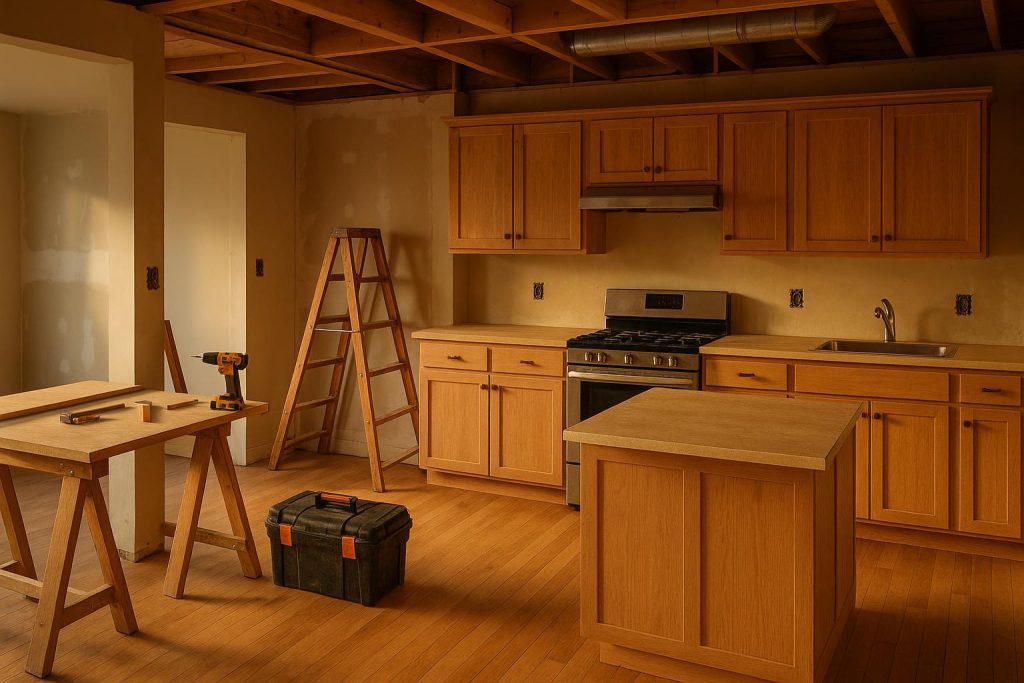
Bright open-concept kitchen under renovation by a residential contractor.

Deciding Which Room to Renovate First

For many homeowners, choosing the first room to renovate can be both exciting and daunting. One effective way to make this decision is by asking which space will bring you the greatest comfort, practicality, and return on investment. Kitchens often top the list because they are central to family life and can significantly enhance a home’s value. If you love to cook or entertain, a kitchen upgrade might be the perfect first step, allowing you to improve functionality and style in a space you use daily.

On the other hand, bathrooms can also be a high-priority renovation if you crave added relaxation or want to address issues like limited storage, outdated fixtures, or cramped layouts. From a resale standpoint, refreshed bathrooms offer a considerable appeal to prospective buyers and can often be completed more quickly than larger projects. For some families, a finished basement or living area might be the best starting point, especially if you need added living space or desire a dedicated entertainment zone. Above all, prioritize the room that has the most pressing needs or aligns best with your household’s lifestyle goals.

As you weigh the possibilities, remember that a trusted contractor can help you navigate important factors such as budget, potential disruption to your daily routine, and future goals for your home. For example, if you plan to modernize multiple rooms over time, it may make sense to begin with the space that requires immediate attention, ensuring essential upgrades are in place before tackling less urgent improvements. Carefully consider how each renovation will integrate with the rest of your home so that your final plan feels cohesive and well-executed.

If you’re ready to discuss ideas or learn more about how to phase your projects strategically, feel free to visit our Home page or seek professional guidance. Start small or dream big—the most important step is getting started in a way that fits your personal vision and budget. Over time, you can sequentially update additional rooms, creating a living space that grows and evolves alongside you.

Related FAQs

Modernize Your Home While Keeping Its Character One of the best ways to make an older house look more modern is to combine thoughtful updates with the architectural details that make the home special. Rather than trying to change everything at once, start by identifying the features that feel dated, affect daily comfort, or no […]

Typical Timelines for a Whole-Home Renovation A full-home renovation usually takes four to nine months of on-site construction, although the complete process can take longer when planning, design, permits, product ordering, and inspections are included. Every home and scope of work is different, so the most accurate answer to how long it takes is based […]

Wait for Approval Before Beginning Demolition In most cases, you should not start demolition before your permit is approved. For Edmonton home renovations, demolition can be considered part of the construction work covered by a building permit, particularly when it involves structural walls, additions, basement development, plumbing, electrical work, or changes to a home’s layout. […]

Stay Cozy This Winter When temperatures drop, creating a warm and welcoming environment becomes essential. One effective way to winterize your living space is to address insulated areas first. Upgrading or adding insulation in walls and attics is a great start, as it keeps heat indoors while blocking chilly drafts. Pay attention to potential air […]

Understanding Insulation Choices for Modern New Builds When planning a new home, choosing the right insulation is a key step toward making your living space energy-efficient, comfortable, and built to last. Many modern new builds employ a combination of different materials, each serving a specific area or purpose within the structure. Commonly, fiberglass batts are […]

Simple Ways to Keep Cold Air Out If your walls frequently feel chilly during the colder months, it could be a sign that cold air is seeping in through gaps or inadequate insulation. One of the most important steps is identifying potential trouble spots, including small cracks, seams, or areas with aging construction materials. Once […]