
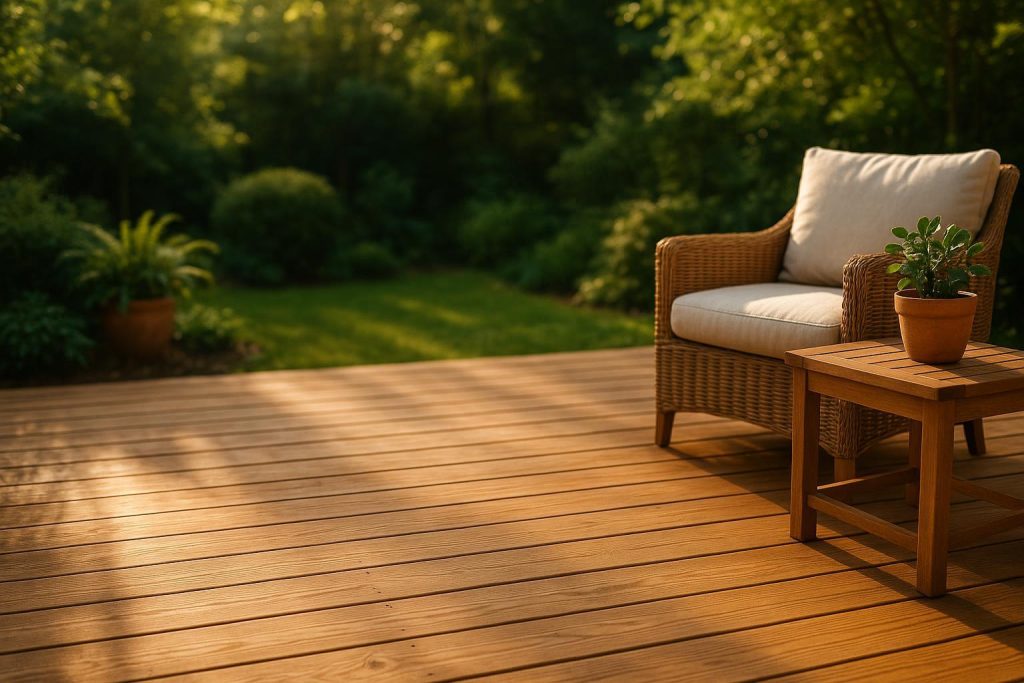
Understanding the Ideal Timeline for Deck Refinishing and Repair
When you step onto your deck, you probably want it to feel safe and look beautiful—a place where you can relax, entertain, or simply enjoy the outdoors. Over time, however, decks inevitably face wear and tear from foot traffic, weather changes, and general aging. This can lead to faded finishes, loose boards, and potential structural issues if not regularly maintained. The question many homeowners ask is: How often should you refinish or repair your deck? While there’s no one-size-fits-all answer, there are general guidelines you can follow to help keep your deck looking its best and staying safe underfoot.
In this guide, we’ll explore factors that affect how frequently you’ll need deck refinishing or repairs, the telltale signs of deck damage, and tips for extending the life of your outdoor living space. By understanding these considerations, you can create a consistent maintenance schedule that saves you money, ensures safety, and preserves your deck’s visual appeal for years to come.
Factors That Affect Your Deck Refinishing Schedule
Several variables influence how often a deck needs refinishing or repairs. Different deck materials, environmental conditions, and levels of usage all play a part. Below are some of the primary elements to keep in mind:
- Type of Wood or Material: Hardwoods like cedar and redwood are naturally more resistant to moisture and decay, so they can often go a bit longer between refinishings. Pine or spruce decking, which is commonly pressure-treated, may need refinishing a little more frequently. Composite decking products are generally lower-maintenance, but they still benefit from regular cleaning and occasional check-ups to prevent surface wear.
- Climate and Weather Exposure: If your deck is in an area with harsh winters or strong UV rays during hot summers, the elements can shorten the time between maintenance visits. Snow, ice, heavy rain, and direct sunlight can all damage the finish. In more temperate climates, a deck may require fewer refinishing sessions.
- Overall Usage: A deck that gets a lot of foot traffic, heavy outdoor furniture, or regular gatherings will have more wear on its surface than a deck used only occasionally. The more scrapes, scratches, and general activity, the more frequently you’ll need to refinish or repair it.
- Mildew and Mold Growth: In humid or damp regions, decks can be prone to mold and algae. Regular cleaning and recoating might be needed more often to keep these issues at bay.
Typical Refinishing Intervals
If you have a wood deck, a commonly cited guideline is to refinish every two to three years to protect against weather, rot, and insect damage. This can vary depending on the product used for sealing or staining, as well as environmental stresses. Meanwhile, a composite deck might simply need surface cleaning and minor spot checks rather than a full refinishing, but you should still anticipate a thorough inspection and potential re-sealing of fasteners or hardware every few years.
Keep in mind that refinishing doesn’t always mean sanding everything down to the bare wood. In some cases, a simple cleaning and a single coat of stain or sealant can restore the deck’s condition. Still, it’s good practice to do a full inspection at least once a year, so you can fix small problems before they become bigger issues.
Signs Your Deck Needs Attention
Deck maintenance is much easier when you know what to look for. Recognizing early signs of wear and damage helps you take proactive steps to preserve your deck’s structure and appearance. Watch out for these indicators:
- Fading or Discoloration: Over time, UV rays break down the pigments in many wood finishes. If your deck’s color looks washed out or inconsistent, it may be time to refinish.
- Splintering or Cracked Boards: High traffic, extreme weather, and natural aging can cause boards to crack or splinter. Minor cracks might be fixed with wood filler or sanding, but extensive damage could require board replacements.
- Peeling or Flaking Stain: A stain or sealant that’s peeling away is a red flag that your deck’s protective layer is compromised. In such cases, sanding down the surface and adding a fresh coat can help restore protection.
- Soft or Spongy Wood: Areas of the deck that feel soft underfoot can indicate water damage or rot. Sometimes rot can develop under the surface, so an experienced professional might need to probe or remove sections to be certain they’re structurally sound.
- Rusty or Loose Hardware: Screws, nails, and other hardware can loosen over time or develop rust. Always secure or replace compromised fasteners to keep the deck stable.
Tips for Extending Your Deck’s Lifespan
Regular refinishing is important, but you can also reduce long-term repair costs and keep your deck in great shape with the following tips:
- Routine Cleaning: Sweep away leaves and debris often. When dirt accumulates, it can trap moisture against the wood and cause it to deteriorate more quickly. A mild detergent or deck cleaner, alongside a soft-bristle brush, is usually enough to remove grime.
- Avoid Standing Water: Puddles or standing water can seep into the wood, eventually leading to rot or mold. Ensure your deck boards are installed to allow for proper drainage.
- Use Protective Measures: Place mats under potted plants and furniture legs to prevent scratching or moisture accumulation. Have a dedicated grill mat if you frequently barbecue to guard against grease stains and scorching.
- Trim Surrounding Vegetation: Overhanging tree branches can drop leaves and sap onto your deck, while dense bushes might hold moisture against the wood. Keep hedges and trees trimmed back to promote airflow and reduce debris.
- Invest in High-Quality Products: Whether you’re choosing stain, paint, or hardware, using top-quality materials will help prolong the time between major restorations. Cheaper products might look fine at first but can deteriorate faster.
When to Repair vs. When to Refinish
Homeowners often wonder if they should refinish the entire deck or primarily focus on repairs. The decision depends on the extent of damage. Minor issues such as a few loose boards or a small crack may only require targeted repairs. Still, if you notice peeling stain in large sections, widespread water damage, or an excessively faded surface, a full-scale refinishing is typically the best route. It provides a uniform look, restores protection, and helps ensure that everything underneath the finish is in good shape.
Keep an eye on your deck’s structural elements as well. Even if the surface looks good, support posts or joists can contain hidden rot. If you suspect larger issues, consult a professional as soon as possible to prevent further deterioration.
DIY or Hire a Professional?
Some simple tasks—like regular cleaning, tightening loose screws, or doing spot repairs—are easy enough for many homeowners to tackle on their own. However, refinishing an entire deck can be more involved, requiring specialized tools like sanders, power washers, and application equipment for stains or sealants. Accurate preparation is key for a long-lasting finish. If you’re not comfortable with the needed steps—or if you discover deep rot issues—consult a seasoned contractor who can ensure the job is done right. A misstep in the refinishing process can reduce both the longevity and aesthetics of your deck, leading to frequent re-do’s and extra costs.
Preparing for Seasonal Changes
One of the best times to refinish or repair your deck is during mild weather. Fall often provides cooler temperatures and lower humidity, making it easier for coatings to set properly. Spring can also be suitable, as long as you allow enough time for the deck to dry fully after winter snow and rain. By scheduling decking projects at these times, you minimize the risk of moisture getting trapped under finishes. Additionally, getting the work done before extreme temperature swings can help the product cure at an ideal rate and deliver a more durable result.
Budgeting for Deck Maintenance
To keep your deck in excellent condition, set aside a small annual budget for maintenance. This might include buying high-quality stains or sealants, replacing damaged boards, or hiring a professional for inspections. Anticipating these costs ensures you’re prepared to take action quickly when it’s time to refinish or repair, preventing small problems from snowballing into major expenses. Investing in consistent upkeep is usually much cheaper than a large-scale deck replacement down the line.
Expert Assistance for Edmonton-Area Homeowners
If you’re in the Edmonton area or surrounding communities and you’ve noticed that your deck could use some attention, consider turning to a professional renovation team for guidance. Whether you’re dealing with minor repairs, a full refinish, or a complete deck overhaul, a reputable renovation partner can ensure your project aligns with your vision and budget. By working with experts who understand local climate conditions and building codes, you’ll have confidence that your deck will withstand the elements and remain an enjoyable space in every season.
For those seeking more information about exterior decks or other home renovation services, you can visit Home to learn about potential improvements. From custom outdoor living spaces and modern design concepts to maintenance tips, there are plenty of resources to help you create a deck that complements your home.
In Conclusion
Deck refinishing and repairs aren’t just about aesthetics—they’re vital for safety, functionality, and preserving your home’s value. The best timeline to refinish your deck typically ranges from every two to three years for wood surfaces, but factors like climate, usage, and specific material types can shift that schedule. By staying alert to signs of wear, performing routine cleanings, and addressing minor issues proactively, you’ll set the stage for a deck that continues to serve as a welcoming, comfortable extension of your living space for many years.
Whether you choose a DIY approach for smaller tasks or enlist professional help for more extensive projects, remember that ongoing upkeep is the key to deck longevity. With the right care, your deck can be the perfect spot to unwind at the end of a long day, host summer get-togethers, or simply admire your surroundings. When in doubt, consult a reliable contractor or renovation team to craft a customized maintenance plan, ensuring that your deck remains sturdy, attractive, and ready to enjoy all season long.