
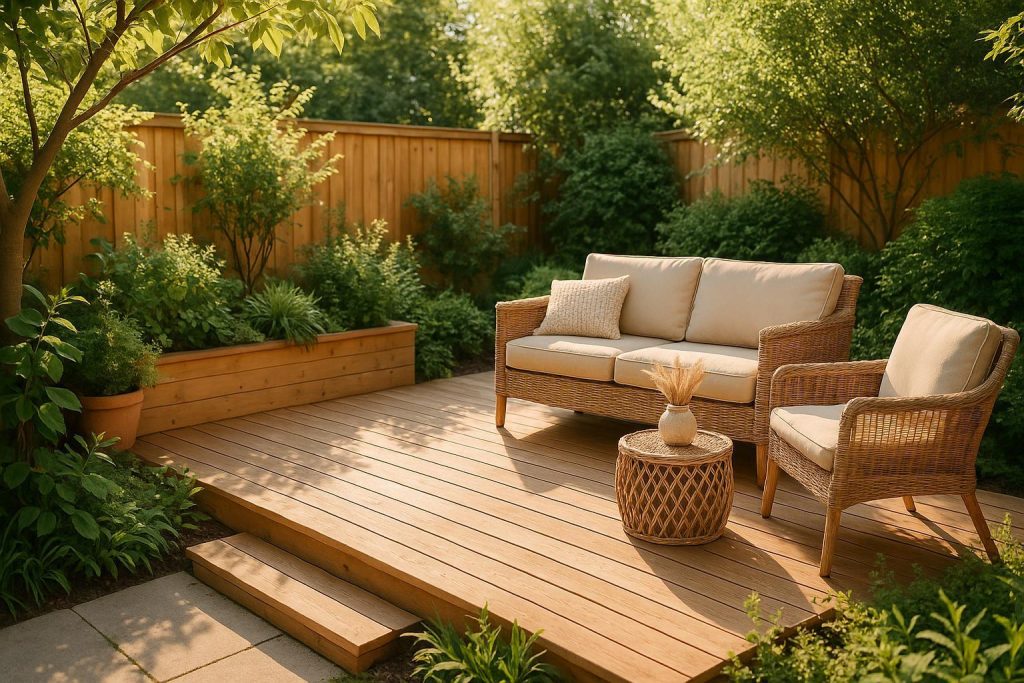
Making the Most of Your Small Backyard with a Carefully Planned Deck
Designing a deck for a small backyard is about maximizing every square foot without sacrificing comfort or style. With a thoughtful layout, you can seamlessly integrate the deck into your outdoor living space, creating a cozy retreat that encourages relaxation, entertaining, or a little bit of both. Whether you envision a streamlined seating area for morning coffee or a multi-level structure that adds visual interest, having a clear plan from the start will help you transform your limited yard into a functional extension of your home. Below are some key considerations to guide you on your journey, from choosing the right design features to integrating greenery and privacy solutions.
1. Start with Accurate Measurements
The first step in planning a deck layout for a small backyard is to measure your space. Make a sketch of your backyard, noting the dimensions and any existing features that might influence your design, such as trees, fences, or pathways. This blueprint will serve as the foundation for your plan, helping you assess what kind of deck configuration will fit. When you know the limits of your yard, it becomes easier to visualize how a deck could nestle into your outdoor area without overwhelming it. Precise measurements also ensure the deck’s scale feels balanced and proportional.
In many small backyards, the deck is built close to the house to take advantage of easy access from an existing door. This not only helps with flow from indoor to outdoor living but also maintains a sense of openness in the remainder of the yard. By aligning your deck with your home’s entry points, you can create a smooth transition that invites you to step outside for fresh air without feeling cramped.
2. Identify Primary Uses for Your Deck
Before you begin drawing up specific deck shapes, think about how you want to use the space on a day-to-day basis. For instance, will your deck mostly serve as a cozy reading nook? Are you hoping to host weekend barbecues with family and friends? Maybe you want a space where you can cultivate container gardens. Identifying your main goals early on ensures you plan a layout that supports those activities. In a small backyard, each square foot has to work hard, so including elements you’ll truly use is crucial.
If entertaining is a priority, consider design features that simplify gatherings. Perhaps you’d like a built-in bench around a small outdoor dining table or a corner set aside for a compact grill. You may even opt for a multi-level design, where one area is slightly elevated to differentiate a dining or lounge zone from the rest of the yard. Tailoring your deck to these specific activities makes it more likely you’ll use the space frequently, providing an outdoor retreat no matter the size of your property.
3. Choose the Right Shape and Style
When you have limited space, experimenting with different shapes can help you achieve a balance between function and aesthetics. Traditional rectangular decks remain popular, but you might enhance visual interest with angled or curved edges if that suits your space. A corner deck layout can tuck neatly along the perimeter, leaving the center of your yard open for a lawn or garden. Multi-level decks are also a great solution, even for smaller backyards, because they create the impression of more room. Each level can serve a different purpose—one for lounging, one for dining, and maybe another for purely decorative features like flower boxes.
Deck railings, color schemes, and materials significantly impact the overall look and feel of your design. In a smaller yard, you may want to emphasize lighter colors or natural wood finishes to visually open up the area. Slim or transparent railing systems, such as cable or glass railings, can create the illusion of more space by allowing the eye to travel through the deck area uninterrupted. Opting for these design choices helps your deck blend into its surroundings, rather than block off portions of the yard.
4. Incorporate Built-In Elements
Built-in seating and planters can be a game-changer for any small deck layout. Bulky furniture can consume precious floor space, but built-in benches around the perimeter let you accommodate guests or simply stretch out at your leisure without crowding the central area. These built-ins can double as storage if you design them with lift-up seats, allowing you to stow cushions, small tools, or seasonal decor out of the way.
Likewise, incorporating built-in planters brings natural beauty to a confined space. Greenery adds visual variety and helps to soften the look of the deck’s structure. If you love to garden but don’t have much yard space, customize a few built-in planters for herbs, flowers, or climbing vines. This approach delivers functional benefits: You can harvest fresh herbs right outside your kitchen door if the deck is an extension of that area. Moreover, integrated planters can act as subtle room dividers, separating seating zones from walkways while maintaining an open feel.
5. Use Vertical Space Wisely
With a small backyard, horizontal footprints can feel tight, so consider extending your design upward. Adding features like a trellis, pergola, or partial roof structure can create a cozy atmosphere and provide shade on sunny days. Vertical gardening options, such as hanging baskets or wall-mounted planter boxes, elevate your greenery without sacrificing deck floor space. If privacy is a concern, a lattice screen along one or two sides of the deck can shield your gathering area from neighbors’ eyes while offering a surface for climbing plants.
For those thinking longer term, a covered deck space could be valuable—especially in climates that see heavy rainfall or direct sunlight. If you’re curious about how a covered deck might enhance your outdoor experience, explore our related FAQ on Are covered decks worth the investment in a rainy climate?. It dives deeper into the pros and cons of adding a roof or partial covering, which can be especially relevant for smaller yards in need of flexible, year-round usability.
6. Balance Aesthetics and Function
Deck design should align with both your personal style and practical considerations. If you enjoy a modern aesthetic, focus on clean lines and minimalistic fixtures. Prefer a rustic retreat? Lean on natural woods and warm stains that give your deck a cozy cabin vibe. Beyond style, your choice of decking materials matters for functionality and budget. Composite or PVC decking tends to be low-maintenance and durable, which can be a perfect match for homeowners looking to spend more time enjoying and less time maintaining their deck. If you prefer natural wood, cedar or pressure-treated lumber are popular choices—just remember frequent care might be required to keep them looking their best.
Don’t forget to coordinate your deck’s appearance with your home’s exterior. If your backyard flows into your living room, for instance, think about how the deck’s color scheme will harmonize with your indoor flooring or paint palette. This sense of cohesion enhances the connection between interior and exterior spaces.
7. Integrate Lighting for Safety and Mood
Lighting can transform your modest backyard deck into an inviting focal point, especially once the sun goes down. Consider installing recessed lights along stair risers or railings to improve visibility and prevent potential slips or falls. Subtle, warm-toned lighting can also set the mood for late-night conversations or quiet reading sessions under the stars. Solar-powered lights are a convenient, eco-friendly option for built-in fixtures around the perimeter or along paths. If you host regular gatherings, decorative hanging or string lights bring a festive ambiance without taking up any floor space.
Whether you choose built-in fixtures, wall-mounted sconces, or discreet LED strips, the right lighting will ensure your deck is both safe and appealing. A well-lit deck feels larger than one that remains dimly lit once evening sets in, making lighting choices a practical and aesthetic element all in one.
8. Preserve Some Yard Space
While it may be tempting to cover as much of your backyard as possible, leaving open green space can balance out a built structure. Many homeowners find that keeping a portion of the yard as a garden, a grassy patch for pets, or a flower bed offers more variety and airiness. If you have children, they might appreciate a small open area for playing. Additionally, that open space might accommodate future plans, such as installing a small water feature or raised garden beds. Thinking ahead keeps your deck flexible and prevents your outdoor area from feeling overcrowded.
When you strike the right balance, the deck feels like a seamless extension of the yard rather than a separate, confining structure. Reserve enough room for paths, potted plants, and any landscaping that will enhance your deck’s aesthetic. This thoughtful integration lets you savor the outdoors without feeling boxed in by hard surfaces.
9. Plan for Storage and Maintenance
One of the biggest challenges in a small backyard is keeping clutter at bay. Plan your deck layout to include storage solutions, such as built-in benches that open up for easy access to yard tools, outdoor cushions, or children’s toys. Alternatively, consider a compact storage bench or a corner seat with hidden compartments. This approach ensures your deck remains tidy and inviting while offering a convenient place to stash essentials.
Maintenance is another crucial factor. Think about how easy it will be to sweep leaves, wipe up spills, or power-wash the deck surface. Composite materials often require less upkeep than wood, although some types of wood are fairly hardy and simply need a protective seal each year. Building regular touch-ups into your schedule helps preserve the deck’s appearance and lessens the likelihood of costly repairs down the line.
10. Blend the Deck with Your Home’s Interior
A small backyard deck often feels more spacious when it extends naturally from indoor living areas. If your house layout allows, position the deck at the same level as an interior room so you can step outside effortlessly. Large glass doors or sliding doors can bridge the gap between indoors and out, letting in natural light and giving you a beautiful backyard view year-round. Even a smaller deck can carry a sense of grandeur if you treat it as a second living room or dining room under the open sky.
Pay attention to how the interior furniture arrangement connects with the deck’s flow. If you frequently entertain, you may want to line up your indoor and outdoor seating areas so guests can move smoothly between them. This integrated approach not only enhances traffic flow but also creates a cohesive environment that makes the best use of limited space.
11. Maintain Flexibility for Seasonal Changes
Seasonal changes should factor into your deck design. In cooler climates, you might want to incorporate features like outdoor heaters or a fire pit in an allocated zone. This addition allows you to continue enjoying the deck during fall or even winter months. Place heat sources strategically so they don’t create a fire hazard and so you can gather around them without crowding.
During hotter seasons, umbrellas, shade sails, or retractable awnings can bring relief from glaring sun. Having the option to adjust these elements helps you maintain a comfortable outdoor experience throughout the year. This flexibility ensures you utilize the deck for more than a few months, maximizing its value in a small backyard.
12. Create Distinct Zones for Comfort
Even with minimal square footage, you can divide a deck into distinct zones to optimize your enjoyment. A small seating area near the door provides a quick spot for morning coffee, while a slightly more open section might act as a lounge space for reading or sunbathing. A raised or lowered platform can demarcate an outdoor dining area for weekend barbecues. When you establish these zones, you bring clear intention to each corner of the deck—making it feel more spacious than it really is.
To further define zones without using solid walls, consider partial dividers, planters, or decorative screens. These boundaries outline each activity area yet maintain the openness needed to keep the deck bright and airy. In smaller yards, the key is to balance separation with enough breathing room for good traffic flow.
13. Unify the Look with Consistent Materials
Using consistent materials and design elements creates a sense of harmony throughout the deck. For instance, opt for matching wood stains across built-in benches, railings, and steps. If you incorporate metal accents—such as cable railings or galvanized planters—employ a similar finish elsewhere to tie the look together. Employing a unified color scheme for cushions, outdoor fabrics, or decorative pieces further blurs the line between deck sections and keeps the aesthetic cohesive.
Matching details between the deck and your home’s exterior also helps unify the overall design. Coordinate trim colors, or incorporate siding elements if possible, to visually connect the deck with the house. This cohesive approach adds value to your property and transforms your deck into a polished extension of your living space.
14. Seek Professional Guidance or Inspiration
Designing a deck in a small backyard can be a rewarding process that greatly enhances your home’s livability. However, it also requires careful planning to blend style, function, and comfort seamlessly into a compact area. Researching design inspiration online, visiting showrooms, or seeking professional advice can be incredibly helpful. If you want additional insight into your overall renovation possibilities—be it for your deck, basement, or any other part of your home—check out our Home page for ideas built around real-world projects.
A small backyard is by no means a limitation. With mindful planning, you can create a deck that fits your lifestyle, complements your home, and encourages a deeper connection with the outdoors. Even the simplest design ideas can elevate a modest yard into a welcoming sanctuary. By focusing on multi-purpose features, vertical expansions, and thoughtful integration with both the house and the surrounding greenery, you’ll discover that big comfort and style are possible—no matter how petite the setting. If you ever feel ready to discuss how these design elements can come to life in your own space, consider setting up a free in-home consultation to explore all the creative possibilities. When you combine practicality with personalized aesthetics, you can truly make the most of a small backyard deck.