
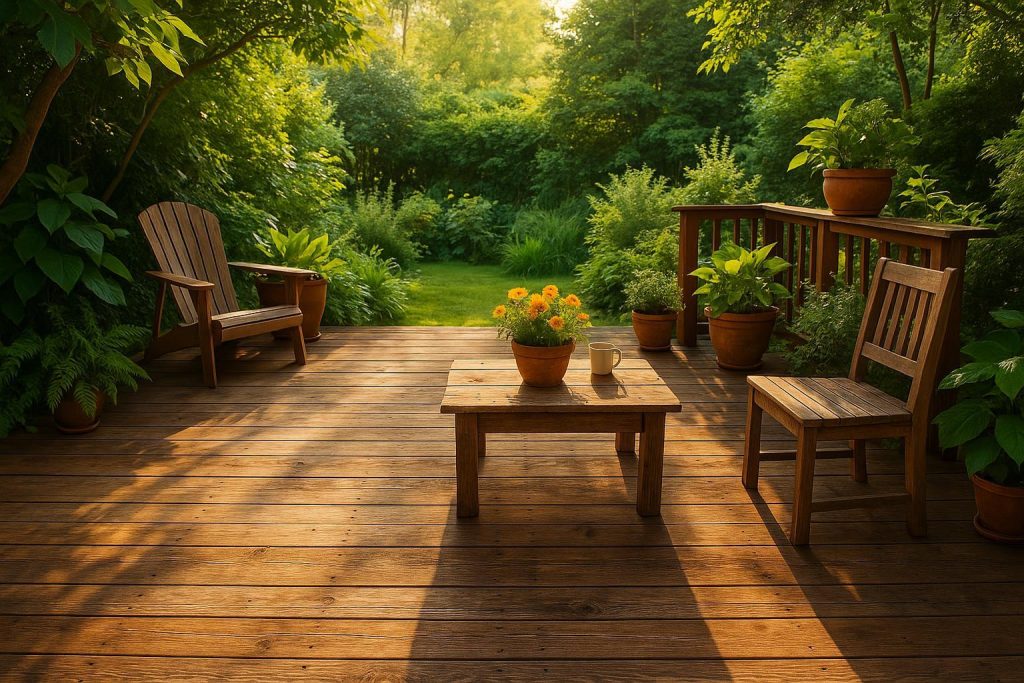
An In-Depth Guide to Sustainable Decking Materials
Designing an outdoor living area involves more than simply picking a practical layout or attractive color scheme. In today’s world, homeowners want to ensure that the decking materials they choose are as eco-conscious as possible, both to help safeguard the planet and to enjoy the satisfaction of building a space that aligns with their environmental values. If you’re wondering which decking materials are most sustainable for outdoor living spaces, the answer depends on several factors, including raw material sourcing, manufacturing processes, and longevity. Ultimately, selecting a more eco-friendly deck solution also involves understanding the entire lifecycle of the product and how it can be maintained responsibly.
Below, we’ll explore various options—from reclaimed lumber to bamboo, composite boards, and beyond—to guide you in choosing the best sustainable decking for your situation. We’ll also discuss essential certifications, upkeep considerations, and other helpful tips to ensure you make the most environmentally responsible choices possible.
What Does Sustainability Mean in the Context of Decking?
A sustainable decking material is one that has a minimal negative impact on the environment across its entire lifespan. This includes how the raw materials are sourced, processed, transported, installed, and maintained—and how the product is ultimately disposed of (or recycled). For this reason, each material carries a “footprint” composed of the energy and resources used at every stage. Understanding these factors will help you compare different decking choices and identify those that best reflect your commitment to eco-friendly living.
Additionally, a sustainable material isn’t only about where it comes from—it’s also about how the environmental impact balances out once the deck is in use. For example, some types of decking require more frequent replacement or heavier maintenance, leading to increased consumption of resources. Others may be produced in a more energy-intensive way, but if they last significantly longer and don’t require harmful chemical treatments, you might find their overall carbon footprint is, in fact, lower.
Composite Decking: Popular and Made from Recycled Content
One of the most popular eco-friendly options in recent years is composite decking. Made from a combination of wood fibers and recycled plastic, composite boards help divert plastic waste from landfills by repurposing it into a durable building material. The wood component is often sawdust or wood scraps from other manufacturing processes, which reduces the demand on virgin lumber.
Reasons to Consider Composite Decking:
- Reduced need for new raw materials: Combining recycled plastic with wood byproducts means you’re making use of what would otherwise be discarded.
- Minimal maintenance: Composite boards generally require no staining or sealing. This helps eliminate repeated application of chemical treatments, which can be harmful to both you and the environment.
- Longevity: Many composite deck boards come with lengthy warranties and are resistant to rot, insects, and water damage, extending their useful life.
That said, some labeling and certifications vary among composite products—so be sure to look for brands that provide transparent information about the sources of their materials. If you find a product with high post-consumer recycled content, fair labor practices, and a green manufacturing process, you can feel more confident that it meets rigorous environmental standards.
Reclaimed or Responsibly Sourced Lumber: True Environmental Appeal
If you love the look and feel of real wood underfoot, reclaimed or responsibly harvested lumber is an outstanding choice. Reclaimed wood can be sourced from old factories, barns, or even deconstructed historic buildings. By salvaging boards that would otherwise be thrown away, you give these wood planks a second life. Not only does this reduce the demand for new lumber, but you also end up with a deck that carries a distinctive character and history.
What to Look For in Responsibly Sourced Wood:
- Forest Stewardship Council (FSC) certification: FSC-certified wood ensures that the lumber comes from sustainably managed forests. Harvesting is done in a way that preserves biodiversity, respects the environment, and benefits local communities.
- Local sourcing: The closer your lumber source is, the fewer carbon emissions will be generated through transportation. Investigate sawmills or reclaimed wood suppliers in your region.
- Hardwood vs. softwood: Some hardwoods, like teak and ipe, are naturally more durable but can also be harder on forest resources if not sourced responsibly. Softwoods (like cedar) can be effective if they’re well-maintained and come from documented sustainable forests. Always ensure proper certifications when choosing exotic species to ensure minimal impact on ecosystems.
When maintaining a real wood deck, you’ll likely need to apply sealants or stains. These treatments can be found in low- or zero-VOC (volatile organic compounds) formulations, which help reduce harmful emissions. Choosing natural oils or water-based sealers will further reduce your eco-impact, while keeping your deck protected.
Bamboo: A Rapidly Renewable Option
Bamboo is technically a grass, but it’s often used as a hardwood alternative thanks to its remarkable strength and fast growth rate. In as little as three to five years, bamboo can reach maturity, making it one of the most quickly renewable resources on the planet. This is in stark contrast to typical hardwood forests, which can take decades—if not generations—to recover.
Advantages of Bamboo Decking:
- Quick regeneration: Bamboo stalks can be harvested repeatedly from the same plant.
- High strength-to-weight ratio: When properly treated, bamboo decking can be quite durable, rivaling the structural integrity of hardwoods.
- Unique appearance: Bamboo’s distinctive grain pattern can add a stylish modern look to your outdoor space.
On the other hand, raw bamboo is more susceptible to moisture and insects if not processed correctly. Many bamboo products used in decking undergo specialized treatments and are bonded with glues or resins, which may contain chemicals. To ensure you choose the most sustainable bamboo product, look for brands that follow safe, eco-friendly adhesives and manufacturing processes with transparent labeling.
Thermally Modified Wood: A Durable Option with No Harsh Chemicals
A newer contender in the sustainable market is thermally modified wood. By exposing certain woods to high temperatures in a controlled atmosphere, the cell structure shifts to become more resistant to moisture and decay—without needing potentially harmful chemicals. This process can extend a wood plank’s life, reduce the likelihood of warping, and improve its overall stability.
Why Consider Thermally Modified Wood?
- Improved rot resistance: Because moisture content is drastically reduced, it’s harder for fungi to grow within the wood.
- Less expansion and contraction: Dimensional stability means fewer cracks and less swelling in humid conditions, prolonging the deck’s lifespan.
- Chemical-free treatment: It relies on heat processes rather than pesticides or harsh chemical preservatives, appealing to those who value more natural methods of wood preservation.
Still, it’s important to keep in mind the energy used in the heating process, as well as the sourcing of the base wood. If the raw timber isn’t harvested responsibly, the resulting thermally modified product might not carry the full environmental credentials you’d like.
Aluminum and Steel Decking: Recyclable but Higher Embodied Energy
Though less common for residential decks, metal decking—particularly aluminum and steel—has become an option in certain contemporary designs. These materials are exceptionally durable and can be fully recycled at the end of their lifecycle. This aspect can make them a worthwhile consideration when comparing them to products that might eventually be disposed of in landfills.
Upsides of Aluminum and Steel Decking:
- Extreme longevity: Properly coated or galvanized metals resist corrosion for decades.
- Recyclability: At the end of its useful life, the metal can be melted down and reused repeatedly.
- Minimal maintenance: Metal decking doesn’t require regular sealing or staining, reducing chemical usage.
While metal has some green benefits, the production processes for aluminum and steel can be energy-intensive. Unless you can confirm the metals are from recycled content or from a manufacturer with robust environmental practices, the overall carbon footprint may be higher than traditional wood-based alternatives.
Stone or Paver-Based Decking Options
Although not a deck in the traditional sense, some homeowners opt for stone or pavers to create outdoor living areas that blend seamlessly with the landscape. These materials can be attractive if you want a patio-like atmosphere and can be made from natural stone quarries or from concrete with recycled aggregates.
Environmental Considerations with Stone and Pavers:
- Longevity: Quality stone or well-made concrete pavers can last decades, reducing the need for replacement.
- Local sourcing: Look for stones from nearby quarries to limit transportation emissions.
- Potential impacts: Quarrying can be destructive if not managed responsibly, so investigate your source’s environmental practices.
While stone or pavers might not be the first choice for everyone, they can be part of an eco-conscious design that complements a sustainable home renovation. Ultimately, it comes down to personal preferences, local availability, and thorough research.
Certifications and Labels to Look For
Regardless of your chosen material, certain green certifications can help you confirm an item’s environmental credentials. Look for labels such as the Forest Stewardship Council (FSC) or the Program for the Endorsement of Forest Certification (PEFC) when buying wood or bamboo products. With composite decking, you can search for endorsements that confirm the use of recycled plastics or that highlight manufacturing processes aimed at reducing emissions. Being aware of these certifications can save you time and provide greater peace of mind.
Maintenance and Lifecycle Considerations
Choosing a material that lasts longer and requires fewer harmful chemicals for maintenance can greatly reduce your deck’s overall environmental impact. Wood decks often need re-staining or sealing; opt for eco-friendly products like water-based, low-VOC sealers. Composite decks might only need basic cleaning with non-toxic soap and water. If you choose a metal or paver-based option, you may find yourself performing minimal upkeep beyond the occasional power wash.
Eventually, even the sturdiest decks require repair or replacement. That’s why it’s vital to consider recyclability and disposal from the outset. Wood that’s been stained or treated with harsh chemicals may be more challenging to recycle, while metals, composite, and certain plastics might be reclaimed with relative ease—assuming local recycling centers are equipped to handle those materials.
Designing for Overall Sustainability
Sometimes, the ecological benefits of a deck have as much to do with how you design and orient the structure as they do with the materials themselves. For instance, if you plan for sufficient shading, your deck may stay cooler and require less air conditioning in adjacent indoor rooms. Placing the deck in a spot that doesn’t necessitate extensive excavation or tree removal can also preserve the natural environment. You might even consider integrating water-saving landscaping features around your deck to further reduce environmental strain. For inspiration on reducing water usage in other parts of your home, take a look at How can I incorporate water-saving fixtures in my bathroom renovation?.
If you are exploring additional green updates for other parts of the home, you may also want to explore Which eco-friendly materials are best for a complete home renovation?. This can help you learn about everything from insulation choices to eco-friendly flooring.
Finding the Right Balance
There is often no single “perfect” solution—it’s about striking the right balance. Factors like budget, local climate, style preferences, and maintenance capabilities all play a role. For instance, reclaimed hardwood might be the ideal choice for someone who values a traditional look and can find a reliable salvage yard. Meanwhile, a homeowner wanting a modern, low-maintenance layout may lean toward composite or metal decking. If you live in an area where bamboo can be sourced locally (or at least regionally), you might appreciate its rapid regrowth and the organic charm it brings to an outdoor space.
When balancing longevity with eco-friendliness, it helps to consider your plans for the home in the next 10 to 20 years. Will you move soon, or do you plan to raise a family there long-term? A slightly higher investment now might save on replacement costs and environmental strain down the road. A well-crafted design can also adapt to your changing lifestyle—perhaps by creating flexible seating areas or by building in future expansions. This means your deck can continue serving your needs, reducing the likelihood of major overhauls.
Partnering with a Knowledgeable Renovation Team
While you can research these materials on your own, collaborating with an experienced renovation team can make the process smoother and ensure your deck meets local standards and permits. If you have questions about material sourcing, building codes, or structural requirements, a local contractor specializing in green renovations can offer tailored advice. They’ll help you weigh pros and cons, factor in local pricing and availability, and determine the best fit for your property.
To explore other environmentally conscious renovation ideas—such as natural insulation for your basement—check out What natural insulation options are available for an environmentally conscious basement renovation?. If you’re seeking to cut down your household’s carbon footprint, you might also revisit how efficient your windows are, which you can learn about here: Will installing energy-efficient windows significantly reduce my home’s environmental footprint?.
Beyond assessing cost and sustainability, choosing the right team can give you confidence that your project will be done correctly, safely, and in a way that respects your outdoor environment. Scrutinize portfolios to see how prospective contractors handle design-centered renovations and whether they emphasize transparent pricing. Working with professionals who share your eco-friendly mindset ensures that every detail, from base framing to the final topcoat, meets or exceeds your expectations.
Create an Eco-Conscious Retreat
A deck is more than just a place to grill or lounge in the sunshine—it’s an extension of your living space and a reflection of what you value. By selecting materials that are reclaimed, responsibly sourced, or made from recycled content, you actively contribute to a healthier planet. You also enrich your own living environment, achieving a space where you can gather with friends and family, confident that your outdoor oasis was created with sustainability in mind.
If you’d like to see more about eco-friendly renovation projects and gather ideas for your own deck or outdoor living space, feel free to visit our Home page. Whether you’re just starting to explore your options or finalizing your renovation plans, remember that every choice—big or small—can move you closer to a home that supports both your well-being and the health of our planet. From reclaimed timbers to modern composite boards, you have an array of sustainable decking materials at your fingertips. By doing your homework and prioritizing eco-conscious design, you can create a retreat you’ll feel good about for many years to come.