
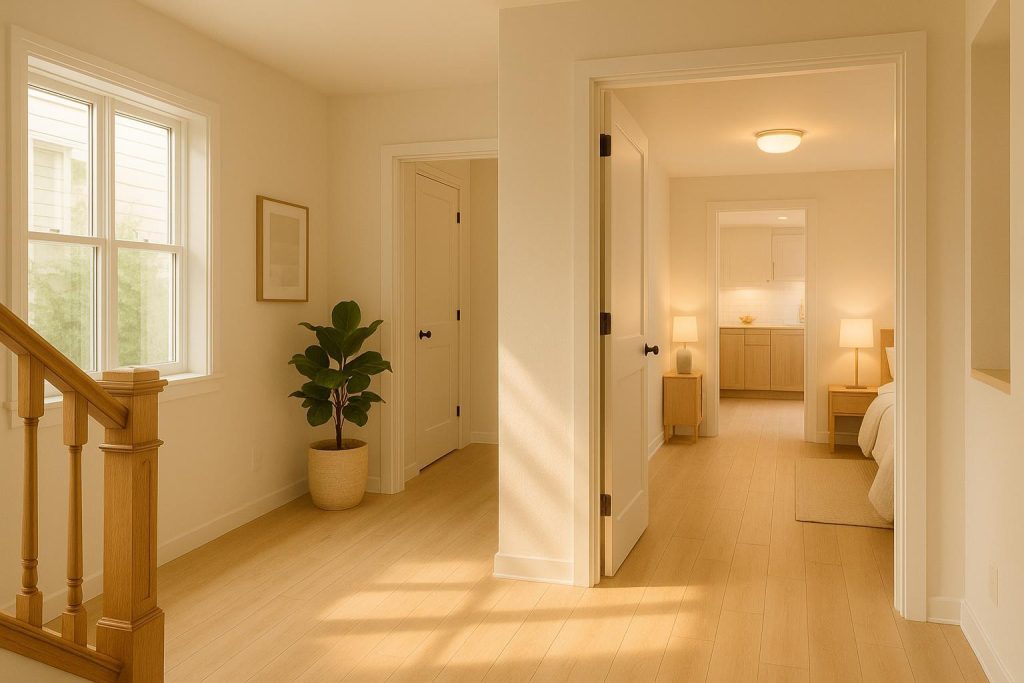
Understanding the Value of Adding a Legal Suite to Your Home
Adding a legal suite to your property can be a rewarding move that combines immediate functionality with long-term financial benefits. In real estate terms, a “legal suite” typically means either a self-contained basement or an accessory dwelling unit (often with its own form of exterior access), built and regulated according to local bylaws. With the proper permits and documentation, a legal suite not only follows all building code requirements but can also increase a home’s resale value, generate rental income, and potentially provide living space for family members. Yet, as with any substantial home renovation, the true amount of added value will vary depending on local market conditions, suite quality, and how meticulously the project is planned and executed.
What is a Legal Suite?
A legal suite is an independent living area within or attached to a primary residence that meets all local safety regulations and zoning rules. These criteria might include fire safety measures, proper egress windows and doors, a dedicated kitchen, sufficient heating and ventilation, and private access. The “legal” component is key: unauthorized secondary suites or those lacking the right permits might forfeit the full financial benefits and could even pose liability risks. In established neighborhoods, legal suites are highly sought after by both investors and homeowners looking for extra revenue or living flexibility. Besides rental purposes, a legal suite can also serve as space for aging relatives, adult children returning home, or guests—while preserving privacy on both sides.
Typical Financial Advantages
The potential for steady rental income is a prime draw for homeowners adding a suite. Depending on your local market, renting out a legal suite for a few hundred or even over a thousand dollars per month can significantly offset your mortgage or help with monthly household expenses. Beyond immediate cash flow, buyers often attach a premium to properties with well-designed and fully compliant secondary suites, which can result in a higher listing price when it’s time to sell. Some estimates suggest that adding a legal suite can boost a property’s overall value by 10% to 20%. Of course, this is not a fixed rule: neighborhood demographics, the property’s condition, and the demand for rental units all influence how much your home’s resale value will actually increase.
Additionally, legal suites in areas with strict zoning laws or low rental supply can be especially attractive. Prospective buyers with family needs or who want additional income streams see legal suites as a way to make homeownership more affordable. This often translates into a broader pool of interested buyers if you decide to sell in the future. Keep in mind, however, that the up-front renovation costs can be substantial. Balancing the expense of investing in separate heating, added insulation for soundproofing, upgraded finishes, or even a private entrance can impact your bottom line. Still, these costs can often be recouped, or even exceeded, once the suite is fully operational and you decide to rent or sell.
Value Beyond Cash Flow
While the promise of additional revenue appeals to many homeowners, a legal suite offers more than just financial perks. In extended families, these suites can provide a comfortable, semi-independent environment for relatives who need some level of care or proximity. For couples who plan to have a live-in nanny, a legal suite can be the perfect arrangement to maintain privacy while having help close by. Meanwhile, for those who regularly host visitors, a separate suite turns a home into a welcoming hospitality spot without disrupting everyday family routines. The suite can even become a home office or creative workshop if your original plans for rentals shift over time.
This adaptability enhances the overall value proposition of a legal suite, helping it remain useful through different life stages or changing financial circumstances. Over the years, you might find that the suite evolves from a rental unit to a comfortable space for grandchildren or a caretaker. By planning your renovation with future adaptability in mind, you can keep your options open and maintain a higher resale value.
Key Factors That Affect Your Return on Investment
Several considerations can influence how much value and return on investment (ROI) you gain from adding a legal suite:
- Location: In areas where rental demand is high—such as popular urban centers or neighborhoods with easy access to schools, shopping, and transit—a legal suite can command higher rent and attract more potential buyers.
- Quality of Construction: Using durable, stylish materials and skilled craftsmanship can increase a suite’s appeal. Prospective tenants appreciate a space that’s aesthetically pleasing, comfortable, and up to code.
- Proper Layout: A good floor plan that maximizes available space can make all the difference, providing a roomy feel without wasting valuable square footage.
- Local Regulations and Bylaws: Each region or city sets regulations for suite size, ceiling height, parking requirements, and more. Meeting these criteria is crucial to maintaining the “legal” status of your suite.
- Energy Efficiency: Features like proper insulation, high-efficiency appliances, and modern fixtures can reduce ongoing costs for tenants and owners alike, all while enhancing the suite’s marketability.
Ensuring Compliance with Building Codes
Before you start drafting renovation plans, check the local bylaws to identify whether your home type and zoning category allow for a legal suite. In many municipalities, certain square footage requirements or lot-size minimums exist, and you may need to secure official permits. This can include roughing in plumbing, upgrading electrical panels, or adding new ventilation systems. Additionally, fire safety requirements—like specialized drywall, connected smoke and carbon monoxide alarms, and adequate fire-rated doors—aren’t optional. While these steps might extend your project’s timeline and cost, they ensure that the suite is both safe and legally compliant. Skipping or minimizing the permit application process can lead to fines, forced renovations, or complications if you decide to sell.
Though these bureaucratic steps often feel lengthy, carefully following regulations pays off by protecting you from future disputes. Correctly labeling your suite as legal can also give prospective buyers confidence in the quality and legitimacy of the renovation. If you’re determined to maximize your home’s value and create a secure, inviting space for tenants or relatives, building code compliance is indispensable.
Tips for Maximizing the Value of a Legal Suite
Thoughtful planning can help you capitalize on and potentially exceed the average ROI for legal suites. Here are some strategies:
- Invest in Professional Design: Whether you choose a specialized renovation contractor or a professional architect, ensure your layout is carefully optimized. An attractive, well-lit space commands higher rental rates and impresses buyers.
- Focus on Privacy: Separate entrances, fencing, or landscaping can create a sense of seclusion for tenants, increasing satisfaction and potentially allowing for a higher monthly rent.
- Include High-Quality Finishes: Opt for durable flooring, modern cabinetry, and stylish bathroom fixtures. These features can significantly influence how quickly the suite is rented or how much a buyer is willing to pay.
- Stay Energy Conscious: High-efficiency appliances and insulated walls or windows not only cut costs but also enhance the property’s environmental appeal. Tenants often appreciate lower utility bills, boosting the suite’s desirability.
- Keep Future Flexibility in Mind: Design elements like removable walls, multi-purpose rooms, or universal design concepts (wider doorways, step-free entrances) can help the suite adapt as needs change.
Practical Steps to Create Your Legal Suite
Developing or converting an underused basement or portion of your home into a legal suite usually starts with a comprehensive plan and site assessment. You’ll want to map out the required upgrades for electrical, plumbing, insulation, and structural modifications. Because these projects can be extensive, partnering with an experienced renovation team can streamline everything from permit applications to final inspections. Experts can also guide you through the design process, ensuring that the suite seamlessly integrates with the rest of your home while meeting safety standards.
Don’t forget the intangible benefits of a well-managed renovation. Working with a transparent, design-centered renovation team helps you stay informed at every stage, reducing stress and leaving fewer possibilities for budget overruns. Taking a thorough, methodical approach sets the stage for a superior final product that appeals to both short-term renters and future homebuyers.
Conclusion: Finding Peace of Mind in Your Investment
Ultimately, how much value a legal suite adds depends on everything from the local real estate market and regulatory environment to the size, functionality, and quality of the suite itself. While many homeowners realize a considerable boost in home equity and monthly income, the true payoff often goes beyond mere numbers. Having the flexibility to accommodate changing life circumstances—while simultaneously enhancing your property’s marketability—is a unique benefit that resonates strongly with today’s homeowners.
If you’re contemplating such a project, remember to plan thoroughly, engage experienced tradespeople, and factor in future adaptability. For those living in Edmonton or surrounding communities, working with a dedicated renovation contractor can make all the difference. By focusing on transparency and quality—even down to the smallest details—you can enjoy a seamless build process and a secure investment. If you’d like to learn more about how a legal suite could elevate your home’s functionality and resale value, consider Awlridge Renovations for a free in-home consultation. Whether you’re looking for extra income, more space, or a property that stands out in the market, a well-designed and legally compliant suite can prove to be a worthwhile, long-term asset for you and your family.