
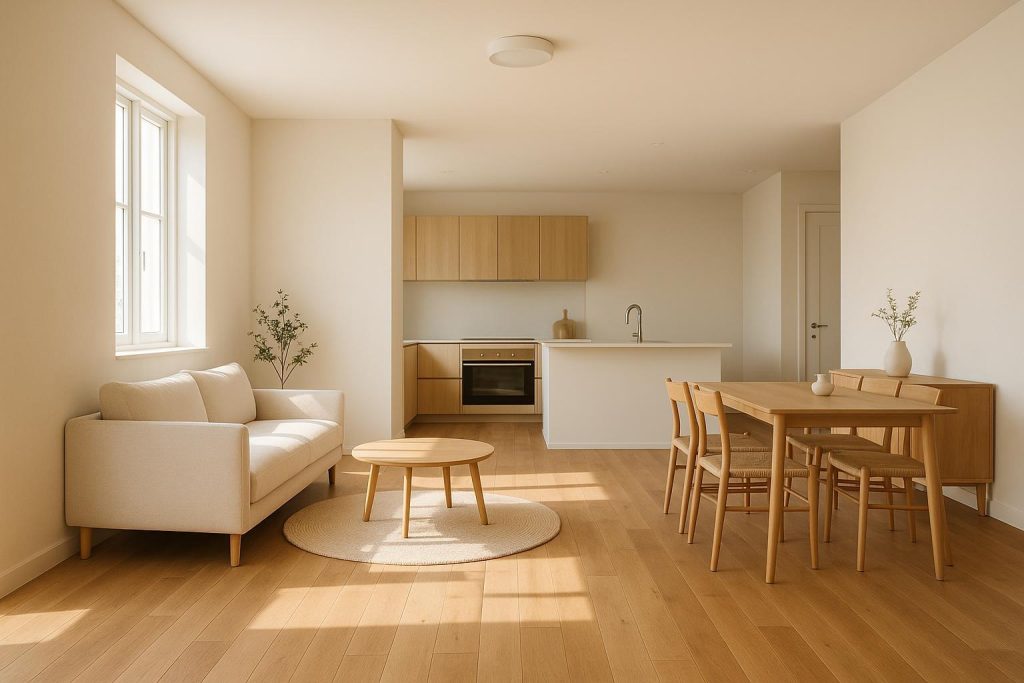
Designing a Calm and Cohesive Sanctuary: A Comprehensive Guide to Minimalist Full-Home Renovations
Minimalist design is more than just a popular trend—it’s about creating comfortable, functional, and visually soothing spaces that focus on what truly matters. In a full-home renovation, embracing minimalism means curating each room with purpose, removing unnecessary features, and allowing every square foot to breathe. Whether you’re looking to make your living areas feel more open or you simply want to infuse a sense of serenity into your everyday routine, a minimalist approach can help you achieve a harmonious, modern home.
In this guide, we’ll explore the core principles of minimalism and discuss how to integrate them into different aspects of your renovation. From choosing the right color palette to optimizing your furniture layout, you’ll find practical tips to help you turn your home into a tranquil retreat. We’ll also touch on specific spaces—like the kitchen, basement, and bathroom—to show how minimalism can adapt to varying needs and layouts. Above all, the key to success is intentional design that keeps clutter at bay and comfort at the forefront.
1. Appreciating the Essence of Minimalism
Minimalism stems from the idea of “less is more.” Instead of filling your home with numerous design elements, minimalism encourages a pared-down aesthetic. The main characteristics include open spaces, clean lines, and a carefully chosen selection of high-quality furnishings and decor. This ensures that each piece serves a practical and aesthetic purpose, eliminating visual noise and stress.
Before starting your renovation, reflect on which items or design elements are most meaningful. Evaluate what truly supports your lifestyle—be it a dedicated reading nook, a multi-functional kitchen island, or a spacious living room for family gatherings. By focusing on the essentials, you’ll be on track to create a space that’s both engaging and clutter-free.
2. Establishing a Neutral Color Palette
Color often lays the foundation for a minimalist design. Neutral palettes—consisting of whites, grays, beiges, and soft earth tones—allow natural lighting to take center stage. These light hues tend to illuminate rooms, making them feel larger and more inviting. When selecting paint and accents, remember that subdued tones not only unify each space but also let focal points, such as art or architectural features, stand out.
Some homeowners worry that neutrals can make a house feel too cold or uninteresting. The remedy lies in strategic use of subtle contrast. Consider pairing bright white walls with slightly warmer off-whites or gentle grays for baseboards and trim. Use textured pillows, throw blankets, or statement rugs to add warmth without overwhelming the simplicity. When combined thoughtfully, neutral tones produce a refined look that resonates throughout the home.
3. Eliminating Clutter Through Smart Storage
One of the greatest challenges in maintaining a minimalist home is avoiding clutter. Clutter can accumulate rapidly, from kitchen gadgets piling up on countertops to an overflow of shoes near the entryway. The solution lies in integrating innovative storage solutions, ensuring that every item has its place—out of sight when not in use but readily reachable when needed.
- Built-in Cabinetry: Wall-to-wall cabinets in a hallway or living space can store everything from seasonal decor to books and electronics. By opting for flat-front doors or hidden handles, you preserve the subtle, streamlined appearance vital to minimalism.
- Floating Shelves: Installing floating shelves in the kitchen, bathroom, or bedroom provides storage without creating bulky visual barriers. This helps keep items accessible while preserving an airy feel.
- Multi-functional Furniture: Pieces like ottomans and benches with built-in storage compartments are ideal for storing smaller items such as blankets, remotes, or board games. This versatility keeps surfaces clear and the overall design cohesive.
For more specific tips on maintaining a clutter-free space in your kitchen, take a look at what are some ways to achieve a clean and clutter-free look in my kitchen remodel?. A kitchen remodel can be one of the busiest places in the home, so ensuring a minimal approach there sets a tone for the rest of the house.
4. Investing in Quality Furniture and Layouts
In a minimalist design scheme, every piece of furniture must serve a purpose. By carefully curating each piece and focusing on quality, you prevent visual overload. A comfortable but streamlined sofa, for instance, works better than several scattered chairs. Consider these layout and selection strategies:
- Simplicity Over Excess: Instead of gathering multiple small tables or cluttering a space with extra chairs, choose a few well-built pieces. These can become focal points that underscore your home’s unique character.
- Flexible Arrangements: An open floor plan can benefit from sectional sofas or modular seating that can be rearranged as needed. This creates an unobstructed flow and gives you room to breathe, especially when hosting guests.
- Mindful of Scale: Choose items proportionate to the size of each room. Large, bulky items can overwhelm a smaller space, whereas undersized furniture can look lost and uninviting.
Once you settle on your ideal layout, walk through each room to see if it feels harmonious. If there’s a bottleneck preventing easy movement, adjust accordingly. Remember, negative space—a deliberate, empty area—can be just as powerful in design as any piece of furniture. Minimalism encourages us to see emptiness not as wasted potential, but as an integral part of the aesthetic.
5. Elevating Lighting Design for an Airy Ambience
Natural light complements minimalist interiors. Maximizing the amount of daylight that enters your home not only reduces energy usage but also accentuates the open, refreshing feel you’re aiming for. If your renovation allows, consider enlarging windows or installing skylights in areas that could benefit from more illumination, such as dark hallways, stairwells, or main living spaces.
However, not every nook of the house features abundant light. Basements, for instance, often struggle with limited natural illumination. Yet, that doesn’t mean you can’t achieve a minimalist look there. In fact, soft recessed lighting, strategic wall sconces, and carefully placed lamps can work wonders in giving your lower level a sleek ambience. If you’re curious about tackling a basement remodel, you can explore how to create a sleek, minimalist feel in a basement renovation with limited natural light. Subtle overhead lighting, combined with a light color palette, provides just the right balance of brightness and calm.
6. Adding Thoughtful Decorative Accents
Minimalism does not demand eliminating decor altogether; rather, it encourages selecting pieces intentionally. A single statement artwork, a textured throw, or an artistic vase can add depth and personality without cluttering your space.
- Artwork as a Focal Point: Large or uniquely framed artwork in the living room can serve as a subtle pop of color or a conversation starter. Keep other surfaces clean to let your statement piece shine.
- Nature Indoors: Potted plants or simple floral arrangements can breathe life into a room. Stick to plants with clean, distinct shapes—such as succulents or cacti—that complement minimalism’s smooth lines.
- Textural Contrasts: Trade bright patterns for natural fibers or fabrics that add understated warmth. Linen curtains, woven rugs, or a marble tabletop can introduce variety while maintaining a cohesive palette.
When selecting textiles and accessories, remember that blending textures can prevent your home from feeling too stark. The interplay of a soft rug and a sleek metal floor lamp can be surprisingly inviting.
7. Maintaining Flow and Consistency
A full-home renovation holds tremendous potential for creating a seamless, unified look. By echoing the same colors, materials, and finishes throughout, you help each room feel connected—even if they serve distinct functions. Whether you prefer polished concrete floors, wide-plank hardwood, or plush carpeting, a consistent flooring choice serves as the foundation of your minimalist design story.
Similarly, cabinetry hardware, light fixtures, and door handles can all tie your home together, lending a sense of continuity. This consistency feels not only sophisticated but also soothing, since no single space jolts you out of the overall aesthetic. As you plan your renovation, align your decisions with your broader vision of tranquility, simplicity, and function. Then, all rooms—from the entryway to upstairs bedrooms—will speak the same design language.
8. Crafting a Minimalist Bathroom Oasis
Bathrooms play a vital role in daily self-care routines, and a cluttered or overly ornate bathroom can quickly become stressful. By adopting minimalist strategies, you can turn your bathroom into a spa-like retreat. Choose streamlined fixtures—like wall-mounted sinks or frameless showers—and subtle tiles that reflect light, making the area feel more open.
For more guidance, explore which bathroom features best support a simple, modern aesthetic. From sleek vanities to efficient storage nooks, the bathroom can be a place to embrace elegant simplicity without sacrificing essential functionality.
9. Focusing on Function: Living in a Minimalist Home
Emphasizing function in every design decision sets the stage for a genuinely livable minimalist home. Minimalism is not about obsessing over emptiness or giving up comfort—it’s about using what you have more efficiently and intentionally. Here are a few ways to embrace function and convenience:
- Conscious Curation: Before purchasing new items, ask whether they have a definitive place in your home. If you’re simply adding more “stuff,” you risk creating clutter. If you really need something—like a dedicated desk in your living area—make sure it’s well-made and complements your chosen aesthetic.
- Streamlined Routines: Minimalism extends beyond decor. Think about your morning and evening routines. Do you find it easy to locate daily essentials? Are frequently used items in easy reach? Design your home with thoughtful positioning, so daily tasks remain hassle-free.
- Shifting Mindset: Keep minimalism an ongoing process. Periodically reevaluate your possessions and tasks to ensure you only maintain what truly serves a purpose. This mindset fosters a more balanced, serene way of living year-round.
10. Coordinating a Successful Renovation Project
Transforming your entire home with a minimalist vision can sometimes feel daunting. Having a clear plan and a supportive renovation team can make the process smooth. Working with professionals who understand your desire for simplicity can help you navigate decisions on materials, layouts, and overall design. From structural changes like removing a non-load-bearing wall to updating outdated cabinetry, each adjustment should align with your minimalist goals.
You may also want to work with a design team that offers 3D renderings and detailed drawings. This not only lets you visualize the finished result but helps ensure every decision supports the intent behind minimalism. When the renovation finally wraps up, you’ll have a home that reflects your taste while promoting ease of living.
The Takeaway: Serenity in Every Space
A full-home renovation is an opportunity to reset the atmosphere of your entire living space. Minimalist principles—neutral shades, open layouts, purposeful furniture, and uncluttered surfaces—create a sense of serenity that can influence your day-to-day outlook. While minimalism may seem simple, its real power lies in the careful thinking behind each choice, ensuring your home not only looks elegant but feels like an extension of your lifestyle.
Setting out on this journey requires thoughtful planning and someone to guide you in blending aesthetics and function. If you need more inspiration on how to tailor minimalism to your unique home or want to see how different finishes might look in a 3D preview, consider partnering with a design-centric renovation team. The right expertise can help you create a balanced environment that continues to feel fresh and inviting for years to come.
For more ideas to elevate your entire home renovation, feel free to visit our website. Take a step toward designing a home that embodies calm, simplicity, and modern comfort. With careful decisions and attention to detail, a minimalist full-home renovation can transform your space into a restful sanctuary you’re proud to call home.