
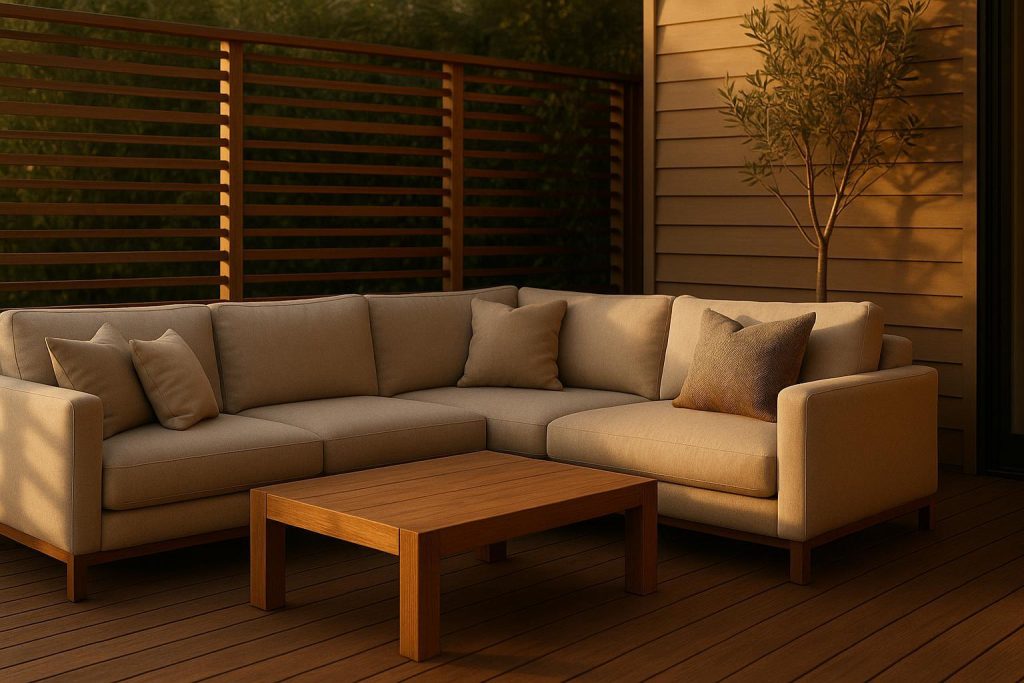
Enhancing Your Outdoor Lounge for a Cohesive Aesthetic
Designing an outdoor lounge that seamlessly complements your home’s existing style can elevate your entire living environment. Whether you’re envisioning a cozy seating area or a multi-functional space that welcomes social gatherings and relaxation, ensuring it harmonizes with the rest of your property is key. In this guide, we’ll explore a range of practical considerations—from color palettes to furniture choices—to help you create an outdoor lounge that naturally reflects your home’s aesthetic while bringing you closer to nature. With smart planning, careful selection of materials, and attention to architectural features, you can enjoy an inviting space that feels like a true extension of your home.
1. Understand Your Home’s Architectural Roots
A great starting point for any cohesive outdoor lounge design is evaluating your home’s architectural style. Is it defined by modern lines, traditional elements, or a transitional blend of both? By identifying these core features, you’ll be able to pinpoint which outdoor elements will best suit the property.
If you live in a modern home, you might already have straight lines, concrete finishes, or minimalist details inside and out. In this case, an outdoor lounge with sleek, geometric furniture and low-maintenance greenery can enhance that contemporary feel. On the other hand, in a classic or traditional home characterized by brick facades, pitched roofs, and ornamental details, a lounge with warm wood finishes, plush cushions, and subtle decorative trims may blend in more organically.
The goal is to create harmony rather than competition between the indoor and outdoor spaces. By mirroring the underlying design cues—whether they’re smooth edges or decorative flourishes—you’ll ensure a fluid transition from inside to outside.
2. Select a Complementary Color Palette
Color is a powerful unifier when designing an outdoor lounge that feels like it belongs to your home. Begin by observing which colors are already prominent in your interior furnishings, walls, and exterior finishes. Look for ways to weave these hues into your outdoor fabrics, cushions, and decorative elements.
For instance, if your home showcases warm earth tones, you might carry that earthy vibe outside by combining neutral cushions with accent pieces in terracotta or rust. Alternatively, if your interior leans toward cooler shades—like grays, whites, and subtle blues—your outdoor lounge can incorporate similar tones to maintain consistency, such as soft gray seat cushions or navy throw pillows.
While consistency is important, don’t be afraid to add contrast. A pop of color can serve as an eye-catching focal point, as long as it doesn’t stray too far from your home’s established palette. By carefully balancing a base of familiar tones with one or two bold hues, you’ll keep your design vibrant yet cohesive.
3. Coordinate Materials and Finishes
Matching materials between your outdoor lounge and your home’s existing structure can significantly boost visual appeal. Take note of the woods, metals, or stonework used within the interior or on the exterior facade. Incorporating the same or complementary materials in your outdoor furniture, decking, or accent pieces can pull the entire look together.
For example, if your interior boasts exposed wooden beams or hardwood floors, consider using similar wood grain types in your outdoor lounge’s seating or coffee table. If the exterior of your home features a particular stone veneer, adding natural stone planters or a matching fire pit surround can tie everything together beautifully. If you’re working with a contemporary design, you might favor metal frames or sleek composite decking that neatly extends your home’s modern lines into the outdoor setting.
Durability matters, too—especially in regions with harsh winters or intense sunshine. Opt for resilient, weather-resistant materials like teak, aluminum, or synthetic wicker to keep your outdoor lounge looking fresh through changing seasons.
4. Choose Furniture that Suits Your Lifestyle
Although aesthetics drive much of your design decisions, functionality should never be overlooked. Think carefully about how you plan to use your outdoor lounge. Are you more inclined to host weekend barbecues, or do you prefer a quiet spot for reading?
• Casual Gatherings: If you envision friends and family mingling outdoors, sectional sofas, coffee tables, and ample cushion seating are essential. This arrangement invites conversation and offers plenty of room for everyone.
• Relaxation: If your outdoor lounge will primarily serve as a private retreat for you and your family, invest in luxurious chaise lounges, hammock swings, or cushioned daybeds to encourage rest and rejuvenation.
• Multi-Purpose Use: For those who like hosting dinners or need a spacious surface for board games, dining tables paired with comfortable chairs may be your priority. Mix-and-match furniture pieces—sofas, armchairs, and side tables—can create a dynamic environment that adapts to various scenarios.
Remember to keep each piece in proportion with your home’s architecture so the design looks balanced rather than overwhelming. Plus, storing or covering cushions during inclement weather can preserve their vibrancy and ensure longevity.
5. Mindful Landscaping and Greenery
No outdoor lounge design feels complete without thoughtful landscaping. Plants have a remarkable ability to soften hard edges, incorporate natural color palettes, and reinforce a sense of outdoor living. Potted plants, ornamental grasses, container gardens, or climbing vines can all add dimension to your lounge area. If your home boasts manicured flower beds or a lush lawn, echo that style in your chosen greenery.
In a modern setting, you might opt for sculptural plants or neatly trimmed hedges—think ornamental grasses and succulents—that maintain a clean look. Meanwhile, a traditional home benefits from the timeless charm of hydrangeas, roses, or leafy shrubs that thrive in the local climate. Ideally, these landscaping elements will connect the transitions between your lounge, yard, and the architecture of your home, tying the whole property together. Just be mindful of your maintenance schedule—if you prefer low-effort solutions, choose drought-resistant or perennial plant options that don’t require extensive upkeep.
6. Illuminate the Space with Lighting
Lighting not only extends your ability to use the space after sunset but also shapes the mood of your outdoor lounge. Subtle, warm lights can create an intimate atmosphere for evening relaxation, while brighter overhead fixtures are practical for large gatherings or cooking outdoors.
Consider these ideas for designing an inviting, well-lit outdoor lounge:
- String Lights: Ideal for a cozy, magical vibe when draped across a pergola, fence, or overhead beams.
- Wall Sconces: A stylish way to illuminate seating areas or accent features on your exterior walls.
- Path Lights: Leading up to your lounge area, path lights ensure safety and highlight landscaping details.
- Recessed Lighting: Built into soffits or deck steps, recessed fixtures offer a streamlined look that suits modern designs.
When choosing fixtures, keep your home’s architecture and color scheme in mind. Go for finishes—like bronze, nickel, or matte black—that match existing exterior hardware or complement the overall aesthetic.
7. Prioritize Scale and Proportion
An outdoor lounge that complements your home’s design should feel appropriately scaled and proportioned. Oversized furniture or decorative features may dwarf smaller homes, whereas undersized pieces can make large exteriors look empty or unfinished. Here are some considerations for achieving the right balance:
- Measure Thoroughly: Before purchasing any furnishings, measure both the available outdoor space and the dimensions where doors and walkways connect to your lounge area.
- Visualize with Mockups: Use placeholders or tape outlines on your patio or deck to approximate the footprint of seating and tables. This helps you picture the scale before committing to a certain arrangement.
- Ensure Clear Circulation: Leave enough room between furniture pieces for people to move around freely. Avoid creating cramped seating configurations.
Striking the perfect balance ensures the outdoor lounge looks intentional and perfectly tailored to your property, allowing it to flow naturally without appearing forced.
8. Bring Character with Decor and Accents
Decorative accents can be the finishing touch that infuses personality into your outdoor lounge. Throw pillows, rugs, and decorative lanterns can reflect your interior’s charm in an outdoor-friendly format. Whether you want to mirror an indoor theme or incorporate new touches, the right accents can tie your lounge together and make it feel inviting.
Accessorize sparingly, though—it’s easy to clutter an open-air space. Instead, select meaningful or functional items, like a weatherproof rug that anchors your seating area, or a statement sculpture that nods to your home’s architectural tradition. Aim for synergy with the colors and materials already in play so these accents add dimension without clashing.
9. Consider Professional Design Assistance
If you’re feeling uncertain about making the best choices for your space, working with a professional designer or renovation partner can make all the difference. Sometimes, an experienced team can highlight opportunities you may not have noticed—for instance, maximizing your sun exposure during certain times of day or harnessing natural views. Plus, they can suggest innovative outdoor features, such as built-in benches, water elements, or integrated lighting systems you might not have considered.
Partnering with a team that offers customized 3D renderings can help you visualize how color palettes, materials, and furnishings will come together before you invest. This service is particularly valuable if you’re planning a more extensive renovation, such as adding a new deck or overhang.
In environments with cool winters, like Edmonton and its surrounding communities, professionals can guide you in selecting durable, weather-ready materials for year-round enjoyment. A renovation contractor skilled in exterior updates may also recommend strategies to weatherproof your outdoor lounge, ensuring its beauty and functionality endure through changing seasons.
At times, the outdoor lounge might be part of a larger renovation plan, such as a whole-home remodel, basement development, or main-floor addition. If integrating your lounge into a bigger project helps your property flow cohesively, lean on expert advice. Their experience across multiple renovation types ensures a unified approach to color, style, and structure.
10. Bringing It All Together
By thoughtfully matching your outdoor lounge design to your home’s existing style, you truly extend your living space into the open air. Incorporating key architectural cues, cohesive color palettes, and appropriately scaled furniture ensures a fluid transition between indoors and out. Landscaping, lighting, and tasteful accents further enhance your lounge’s ambiance, whether you’re hosting a lively gathering or relaxing under the stars.
If you’re in need of tailored guidance, professional input can help streamline decisions and offer innovative ideas. For homeowners in Edmonton or the surrounding areas seeking a renovation partner, Awlridge Renovations provides in-house design expertise and personalized consultations to make your dream outdoor lounge a reality. A well-planned, beautiful outdoor oasis can not only increase your home’s appeal but also enrich your day-to-day lifestyle—helping you take comfort, enjoyment, and personal style outdoors, where it belongs.