
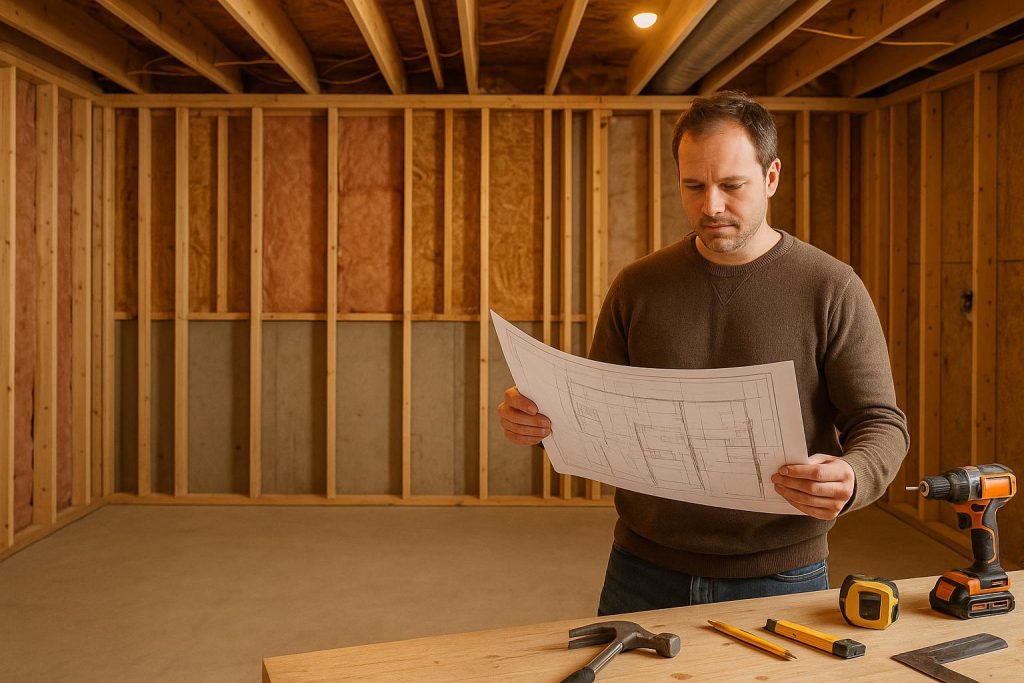
Ensuring Code Compliance: Why Permits and Inspections Matter for Your Basement Remodel
When you decide to revitalize or finish your basement, it’s an exciting opportunity to add new living space or create a specialized area—be it a cozy family room, a home office, or a game room. However, an important aspect that often gets overlooked amid the excitement is the need for proper permits and inspections. Acquiring and following the guidelines for these permits doesn’t just protect you from legal and financial risks; it also ensures that your remodel meets local building codes, promoting a safer, more durable renovation. Below, we’ll dive deep into everything you need to know about navigating permits and inspections for a successful basement project.
Understanding the Importance of Permits
In most municipalities, permits are legal authorizations that confirm your intended renovation aligns with local building codes and safety standards. For basement remodels, these permits typically focus on structural changes, electrical work, or plumbing adaptations. Receiving an official permit means your plans have been reviewed and approved by professionals who understand the regional regulations. This validation helps reduce potential hazards and ensures that you’re renovating in a safe, compliant way.
Beyond safety, permits contribute significantly to the long-term value of your home. If you skip the process, you may face steep fines or even be required to undo unapproved work. Insurance companies might also have grounds to deny claims if they discover the remodel was non-compliant. When you sell your home, many buyers and inspectors check if the work was done under the proper permits, and a legitimate paper trail offers them—and you—peace of mind.
When Permits Are Required
While regulations differ by region, some general guidelines determine when a basement remodel requires a permit. You’ll likely need one if you’re:
- Adding or removing walls. Structural work almost always necessitates prior approval. Even partition walls often demand a permit if they alter the floor plan.
- Installing or modifying electrical or HVAC systems. If your basement design includes new wiring, outlets, or ductwork, expect to apply for electrical and mechanical permits.
- Rerouting plumbing lines or adding fixtures. Shifting pipes, adding a new bathroom, or installing a kitchenette calls for a plumbing permit. If you’d like to learn more about adding a bathroom, check out Is it possible to add a bathroom during a basement renovation?.
- Changing the use of the space. If you’re planning to create a legal secondary suite or a rental unit in your basement, you’ll likely require both building and zoning permits. For more insight, you can read Can I build a legal suite in my basement to rent out?.
- Replacing or relocating windows and doors. Basement egress windows, for instance, must adhere to specific size and placement requirements for safe evacuation. You might find What egress window requirements apply to basement bedrooms? helpful if you plan to include bedrooms in your basement suite.
Keep in mind that the scope of your renovation usually drives which permits you need. It’s best to speak with your local building department or a professional renovation contractor for guidance on how to remain compliant.
Common Permits Involved in a Basement Remodel
Basement renovations can be surprisingly varied, spanning small updates to full-scale structural transformations. Here are the most common permits you’ll need to consider:
- Building Permit: Generally covers any construction or structural changes, such as framing new rooms or adding new windows and doors.
- Electrical Permit: Required when you add additional outlets, install overhead lighting, rewire rooms, or introduce new service panels in the basement.
- Plumbing Permit: Mandatory if you plan to add or move plumbing lines, such as for sinks, showers, baths, or laundry facilities.
- Gas Permit: If you will be installing or relocating gas lines—for example, for a fireplace or a gas dryer—a dedicated gas permit may be required.
- Mechanical Permit (HVAC): Covers changes to your heating, ventilation, or air conditioning systems. Adding new ductwork or relocating air returns typically triggers this permit.
The Permit Application Process
The application process can feel a bit daunting, especially if this is your first major home renovation. Here’s a breakdown of what to expect:
- Consult Local Requirements: Start by contacting your municipality’s building department or website. Gather information about fees, necessary forms, and submission guidelines.
- Prepare Detailed Plans: You’ll often need floor plans and drawings that illustrate your proposed layout. Include wall placement, electrical runs, plumbing lines, and any new fixtures or finishes you plan to incorporate.
- Submit Application and Pay Fees: When you file the paperwork, you’ll be responsible for any initial fees. Make sure to submit all documents accurately to prevent delays.
- Review and Approval: Officials in the building authority will review your submission. They may request additional information or changes before granting the necessary permits.
- Permit Issuance: Once everything is in order, you’ll receive your permit(s). Remember, each permit usually must be posted or at least kept accessible on-site during construction, so inspectors can review them.
- Ongoing Communication: Keep the lines of communication open with your building department if questions arise mid-project. Changes to your construction plans may require amendments to your permit.
Inspection Stages and What to Expect
Permits and inspections go hand in hand. Once you have the permits, an inspector will likely need to check specific aspects of your basement at various stages of the remodeling process. Depending on your region, these checkpoints may include:
- Pre-Cover Inspections: Occur before you close up walls or ceilings. Electrical, plumbing, and HVAC rough-ins must be visible so the inspector can ensure they meet code.
- Framing Inspection: Verifies that the structural framing is sound and built to code, ensuring your walls and floors are sturdy and secure.
- Insulation Inspection: Examines the type and placement of insulation to guarantee proper energy efficiency and compliance with local thermal requirements.
- Final Inspection: Takes place once the project is nearly or fully complete. The inspector looks for overall code compliance, checking everything from railing heights to exit routes to confirm the basement is safe and accessible.
To prepare for these inspections, make sure the space being inspected is clear of clutter, and any work that needs to remain visible is accessible. If the inspector notes any code violations, you’ll need to address them and schedule a follow-up inspection to confirm compliance.
Working with a Knowledgeable Contractor
If you’re new to basement remodeling—or simply prefer to let an expert handle the finer details—consider hiring a reputable renovation contractor. A seasoned contractor who specializes in basement projects will have:
- Experience in Securing Permits: Professionals know exactly which forms to file and how to navigate local regulations, addressing potential red flags early and reducing delays.
- Ability to Coordinate Inspections: An established contractor can schedule inspections at optimal times, ensuring they coincide with project milestones, so you’re not stuck waiting for approvals.
- Code-Compliant Material Selections: From insulation products to egress window designs, a knowledgeable contractor can help you choose materials that meet both your aesthetic preferences and code mandates.
Many homeowners worry about contractor costs, but keep in mind that a well-structured, code-compliant renovation can save you money and stress in the long run. A properly permitted project will hold its value and minimize the risk of fines or rework.
Avoiding the Consequences of Skipping Permits
Some homeowners are tempted to bypass the permit process to save time or cut costs. Although it might seem like an easier path initially, performing unpermitted work can generate significant problems later, including:
- Legal and Financial Penalties: If municipal inspectors discover unauthorized construction, you could face fines or orders to start over.
- Insurance Complications: If a fire or accident is traced to unpermitted wiring or construction, your insurance provider might deny coverage.
- Lower Property Value: Buyers may shy away from homes with questionable renovation histories, or they might object to paying top dollar without proof of code compliance.
To avoid these pitfalls, it’s best to be proactive by thoroughly researching the requirements for basement renovations in your region. If you have questions about preserving the quality of your basement environment, you may also find Should I waterproof my basement before installing new flooring? valuable in your planning.
How Permits Help You Create a Functional Space
Far from being a mere formality, the permit process aims to ensure that your basement addition or remodel is safe, structurally sound, and fit for everyday use. This includes:
- Ventilation and Air Quality: When your space is thoroughly inspected, any airflow hazards, like inadequate ventilation, can be caught and resolved. Maintaining good air quality is especially relevant in basements, where humidity can lead to mold issues.
- Safe Electrical Setup: Faulty or overloaded circuits pose serious fire risks. Electrical inspections guarantee wiring is done properly and can handle the load of added lights, outlets, and appliances.
- Stable Construction: Permits cover structural work so that extra weight, new walls, and added rooms don’t compromise the existing foundation or basement framing.
- Comfort and Usability: Properly installed insulation, effective HVAC design, and code-compliant finishes all lead to a space that’s consistently comfortable. If you’re curious about keeping your basement warm during Alberta winters, you might also be interested in How can I ensure my basement stays warm during winter?.
Planning for Future Renovations
Even if your current plans don’t include major additions, you might change your mind down the road. For instance, you could decide to convert your small entertainment space into a full legal suite, or add a bedroom for a growing family. A basement that has been properly renovated and inspected is easier (and typically more affordable) to modify later. Code violations tend to compound, so an initially unpermitted remodel could be more expensive to retroactively fix when you decide to upgrade.
Tips for a Smooth Permitting Experience
To streamline your journey into basement remodeling, here are a few more best practices:
- Begin Early: Contact your local building department or an experienced contractor at the very start to clarify which permits you need.
- Keep Organized Records: Document everything from floor plans to inspection certificates. Having a paper trail benefits you in case of questions or disputes later.
- Know Your Inspections Schedule: Familiarize yourself with upcoming inspections. Building in set times for them will prevent rushed or uncompleted work.
- Communicate Changes Promptly: If your design evolves mid-project, update your paperwork or permits right away to maintain compliance.
- Choose Reliable Professionals: Whether it’s your go-to electrician or a general contractor, working with experts who understand the permitting process saves time and reduces stress.
Collaborating with the Right Team
While some homeowners prefer to tackle a few parts of the renovation themselves, others find greater confidence in enlisting a team. An experienced contractor can guide you through each phase—from mapping out your project scope to final finishing touches—and ensure you don’t miss critical inspections. If you’re thinking about specialized features such as adding a home gym to your basement, we also cover that question in Can I convert my unfinished basement into a home gym?. Ultimately, the right professionals help align your design vision with each requirement of local codes.
Conclusion: Peace of Mind Through Proper Permits
Securing the appropriate permits and scheduling timely inspections may feel like extra steps in your remodeling journey, but they serve an essential purpose. By adhering to local building regulations, you protect your investment, preserve your home’s structural integrity, and create a comfortable, code-compliant basement space your family and future buyers can trust. Plus, you’ll sidestep the stress of potential legal or financial complications down the line.
Should you choose to work with a renovation contractor, look for someone who emphasizes transparency and thoroughness. An experienced contractor can handle the permit application process, coordinate inspection scheduling, and offer solutions for maximizing your basement’s potential. Whether you’re adding bedrooms, building out a legal suite, or simply refreshing an underutilized nook, know that the extra effort on the front end will pay off in a well-crafted, enduring renovation. Getting permits and inspections done right from the start is your path to a safe, comfortable, and valuable basement transformation.