
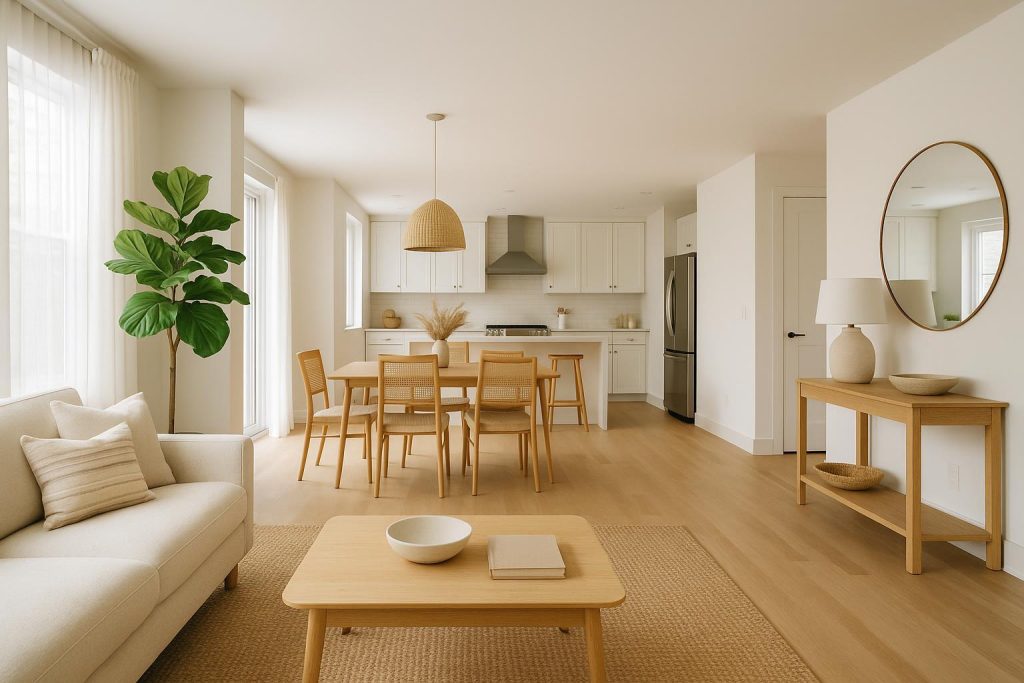
Maximizing Value: Strategic Upgrades for a Full House Makeover
Embarking on a complete house makeover is an excellent way to breathe new life into your home while substantially increasing its market value. A well-executed plan often involves targeting areas that typically yield the best return on investment (ROI), focusing on both aesthetics and functionality. If you’re curious about which upgrades can truly elevate your home’s overall worth, read on. Below, we’ll explore essential projects, from kitchens and bathrooms to structural improvements and energy-efficient features. By the end, you’ll have a detailed roadmap for maximizing value in a full house renovation, along with insights on how to tailor these changes to your lifestyle.
1. Overhauling the Heart of the Home: The Kitchen
The kitchen stands out as a cornerstone in any property. Since it’s often where families gather, cook, and socialize, potential buyers tend to focus on this space first. A thoughtfully planned kitchen remodel can yield impressive ROI. But you don’t have to go overboard with luxury amenities if your budget is moderate. Even the simplest workshop of changes can make a world of difference. Consider the following ideas:
- Open-Concept Layouts: If walls and partitions close off the kitchen from the living or dining area, taking them down can create a more welcoming and airy atmosphere. This approach improves sightlines, encourages better interaction among family members, and makes your overall living space more versatile.
- Durable Countertops and Cabinets: Installing materials like quartz or granite, paired with solid cabinetry, can boost both beauty and practicality. If you’re on a tight budget, high-end laminate or butcher block countertops may also provide a fresh look.
- Energy-Efficient Appliances: Today’s buyers value homes that are eco-friendly. Swap out older appliances for those with top-tier energy ratings to showcase your commitment to sustainability while potentially cutting down on monthly utility costs.
For those planning to integrate a kitchen makeover within a broader renovation, you might be curious about blending this newly revamped space with the rest of your home. To learn more, check out our related post How do I blend my kitchen remodel with the overall style of a complete home renovation?. These tips will help you maintain a cohesive design throughout each room.
2. Transforming Bathrooms into Luxurious Retreats
Much like the kitchen, bathrooms significantly influence a home’s perceived and actual value. People want modern fixtures, clean finishes, and comfort-centric details that let them relax. If there’s only one bathroom in the house, adding another can be a game-changer. Larger households or buyers with future expansion plans often appreciate the convenience of an extra washroom. When revamping your bathrooms, consider:
- Walk-In Showers: Replacing outdated bathtubs with spacious, curbless showers that feature glass enclosures or sleek tilework can instantly modernize the ambience. Handy shelves and built-in niches add both style and practicality.
- Quality Vanity Units: A well-crafted vanity with ample storage and attractive countertops can immediately upgrade the space. If you’re concerned about clutter, opting for drawers and embedded organizers keeps everything crisp and organized.
- Upgraded Fixtures: From rainfall showerheads to water-saving faucets, small enhancements can enhance the overall showering or bathing experience. Choose fixtures that complement your intended design scheme.
If you’re planning a bigger overhaul, you might wonder how to combine bathroom upgrades with a more extensive remodeling plan. Our FAQ Does a whole-home renovation include bathroom updates, or do they require a separate project plan? offers additional insights to help you coordinate these projects successfully.
3. Refining Layout and Space Utilization
Sometimes, the greatest value increase comes from reimagining how spaces connect. Efficient layouts significantly improve your daily routine while catching potential buyers’ eyes. You might consider:
- Knocking Down Walls: Open living and dining rooms allow more natural light to flow, making areas feel larger. This can also facilitate multi-purpose corners for work, study, or play.
- Adding Versatile Rooms: Crafting a home office, designated hobby area, or extra bedroom can widen your market appeal, especially with more people working from home these days.
- Basement Conversions: Finishing an existing basement can add valuable square footage. You can transform the space into a rental suite, entertainment room, or guest area. If you’re curious about how to approach basement renovations, explore our FAQ Can I remodel my unfinished basement to create additional living space? to learn more about the potential benefits and steps involved.
Strategically reconfiguring interior spaces can often be achieved without major structural changes, saving on costs yet still providing a noticeable “wow” factor.
4. Embracing Structural Improvements for Long-Term Value
While kitchen and bathroom enhancements reliably attract attention, structural updates often yield a substantial payoff as well. Prospective buyers not only seek beauty but also want peace of mind about the home’s condition. Critical structural elements include:
- Foundation Reinforcement: Address any cracks or underlying issues promptly to prevent costly repairs down the line, and to assure future owners of the home’s stability.
- Roof Replacement or Upgrades: A quality roof can last decades, but if it’s nearing the end of its lifecycle, replacing it can significantly boost a home’s marketability. Choose durable, weather-resistant materials that suit your region’s climate.
- Electrical and Plumbing Enhancements: Outdated systems may require frequent repairs or cause increased energy usage. Upgrading wiring, replacing old water lines, and adding more convenient pipe layouts all add lasting value.
- HVAC System Renewal: Heating, ventilation, and air conditioning upgrades nurture a healthier and more comfortable home environment, appeal to prospective buyers, and help manage utility bills. An older HVAC system can be a turnoff during property viewings, so an efficient setup fosters confidence.
By proactively addressing these structural and functional issues, you invest in the home’s future stability and safety, which translates directly to increased resale value.
5. Opting for Energy-Efficient Enhancements
With today’s emphasis on green living and sustainability, homeowners are increasingly prioritizing energy efficiency. This is a massive selling point in the real estate market. Simple to more advanced eco-friendly updates include:
- Window and Door Replacement: High-performance window and door installations reduce heat loss and limit drafts. If you’re unsure about whether this project is best done during a large-scale renovation or later, read our FAQ Should I replace windows and doors during a full home remodel, or can it wait until later? for expert advice.
- Upgraded Insulation: Sealing attics, walls, and crawl spaces maintains more stable indoor temperatures, easing the workload on your HVAC system.
- Smart Home Innovations: Installing programmable thermostats, automated lighting, and efficient water heaters help reduce utilities while creating a modern living experience.
Incorporating energy-efficient improvements doesn’t just increase your home’s immediate worth. It can also offer ongoing financial benefits and a lighter environmental footprint.
6. Elevating Flooring and Interior Finishes
Flooring might not seem like the main feature of a property, but it plays a significant role in unifying your home’s aesthetic. Outdated carpets or heavily worn floors can affect first impressions. Modern choices like hardwood, luxury vinyl plank, or quality laminate can transform the look of interior spaces. Here are some popular options:
- Hardwood Floors: Timeless and beloved. While they can be an investment upfront, they often pay off, particularly for resale appeal. Hardwood floors can be refinished multiple times and come in a range of stain options.
- Engineered Wood and Vinyl Plank: These materials can mimic the texture and warmth of wood, usually at a lower cost. It’s also more resistant to moisture and wear, making it suitable for high-traffic areas.
- Tile for Kitchen and Bathrooms: Porcelain or ceramic tile is durable, water-resistant, and can be found in endless designs. It remains a top choice for bathrooms and kitchens where spills are more frequent.
Don’t underestimate the effect of cohesive floor choices in making your home feel bigger, cleaner, and more up-to-date.
7. Updating the Exterior for Curb Appeal
Exterior upgrades can be the deciding factor for a buyer. A neat, modern-looking façade draws positive attention and sets the stage for viewing the rest of the house. Examples of exterior improvements include:
- Fresh Siding or Paint: Replacing worn-out siding or applying a new coat of paint can instantly lift the home’s appearance. Choose color palettes that suit your neighborhood while adding a contemporary vibe.
- Landscaping and Lighting: Even minor landscaping improvements like new garden beds, mulching, and trimmed shrubs can increase curb appeal. Consider solar-powered landscape lights or modern fixtures to heighten charm at night.
- Upgraded Front Door: A stylish entry door in a bold accent color offers a quick, eye-catching refresh. Energy-efficient doors not only look great but can also help manage temperature fluctuations indoors.
Interested in discovering more ways to modernize your exterior? Check out our FAQ How can I modernize my home’s exterior during a large-scale renovation? for detailed tips on siding, roofing, and more to enhance your home’s outdoor look.
8. Considering Home Additions
Adding more usable square footage is a surefire strategy to boost value, especially if your property is in a location that allows for expansion. Whether it’s adding a new bedroom, an office, or even building an entire second story, a well-integrated addition can dramatically change the dynamics of a space and cater to growing families or multi-generational living.
If you’ve outgrown your current layout but don’t wish to move, you might consider adding another level. For more on this topic, see our FAQ Is it possible to add a second story to my existing home as part of a full house makeover?. Beyond increasing property value, this option allows you to stay in the community you love while expanding your home’s functionality.
9. Coordinating an Entire Home Renovation
All these upgrades, whether large or small, become even more impactful when executed as part of a cohesive whole-home remodeling plan. This approach lets you create a seamless flow between rooms, maintain consistent design elements, and update multiple areas without multiple rounds of disruptions. Employing an overarching vision ensures that style, materials, and color palettes align, creating a unified living environment that feels thoughtfully curated. Curious about how to begin a full house remodeling? Explore What are the key steps involved in a full house remodeling project from start to finish? for an overview of the process.
10. Budget Management and High-Impact Areas
It’s essential to keep your budget in check, especially when tackling several projects at once. Target the most critical improvements first: address structural issues, optimize layout where possible, then allocate funds to heavily used areas like the kitchen and bathroom. Each property is different, and your specific goals will help determine which projects move the needle most.
For those focusing on an impactful kitchen remodel while watching costs more closely, check out What are some budget-friendly options for a complete kitchen overhaul? to discover solutions that suit your design vision without breaking the bank. By pinpointing high-value projects and utilizing cost-effective materials, you can make a remarkable transformation while staying within your means.
11. The Importance of Planning and Professional Guidance
Even the most straightforward projects can quickly become bigger than expected without a clear strategy in place. That’s why thorough planning is crucial. Starting with a comprehensive assessment ensures you have a realistic budget, timeline, and project scope. From verifying local building regulations to organizing a workable schedule, every stage of a major makeover requires coordination among designers, contractors, and possibly subcontractors.
Moreover, a professional can help you prioritize tasks so you don’t invest heavily in an area that provides minimal ROI. For instance, focusing on key improvements like structural stability or energy efficiency might be more beneficial than adding high-end finishes in seldom-used corners of the property.
12. Aligning Upgrades with Neighborhood Standards and Personal Style
Another aspect to consider is how your upgrades stack up compared to other properties in your area. Overspending on highly luxurious finishes might not translate into matching resale value if your neighborhood doesn’t support it. On the flip side, you should upgrade to a level that meets or slightly exceeds local standards to ensure your property stands out.
Additionally, while you’re renovating for value, it’s also your home. Think about the functionality and look that align with your preferences and lifestyle. If you plan to remain in the home for many years, pick designs and materials that significantly improve your daily experience, whether it’s a cozy reading nook or a stylish yet practical mudroom. Combining personal flair with mass-market appeal is a balancing act that can pay off now and in the future.
13. Making the Most of a Finished Basement
A finished basement can add significant warmth and extra living options. Whether you want to create a cozy entertainment space, a private guest suite, or a rental unit, finishing this underused part of your property can bring in returns both financially and in everyday functionality. Many buyers see a finished basement as bonus footage, effectively extending the home’s usability. If you’re curious about even more ways to leverage basement space, our FAQ Can I remodel my unfinished basement to create additional living space? covers design ideas, potential costs, and legal considerations that might apply in your location.
14. Final Thoughts on Boosting Your Property Value
A well-planned full house makeover remains one of the best investments you can make for enhancing your home’s market worth. By concentrating on strategic upgrades—from kitchen and bathroom overhauls to energy-efficient installations and structural rejuvenations—you offer future buyers a home that’s move-in ready while simultaneously improving your own daily comfort.
Remember that effective renovation is not just about the sum of all improvements: it’s how well those changes fit together. Cohesive design, attention to structural detail, and mindful budgeting ensure that when you finally list your property or simply invite your family and friends over, the result is a living space that impresses and delights.
Ultimately, targeting the right projects and seeking professional advice where necessary will pave the way for a high-value remodeling journey. If you’re ready for more specific guidance or want to explore ways to personalize your renovation, feel free to visit our Home page for inspiration. Your carefully chosen improvements can result in a property that’s both a standout in the market and a cozy haven for years to come.