
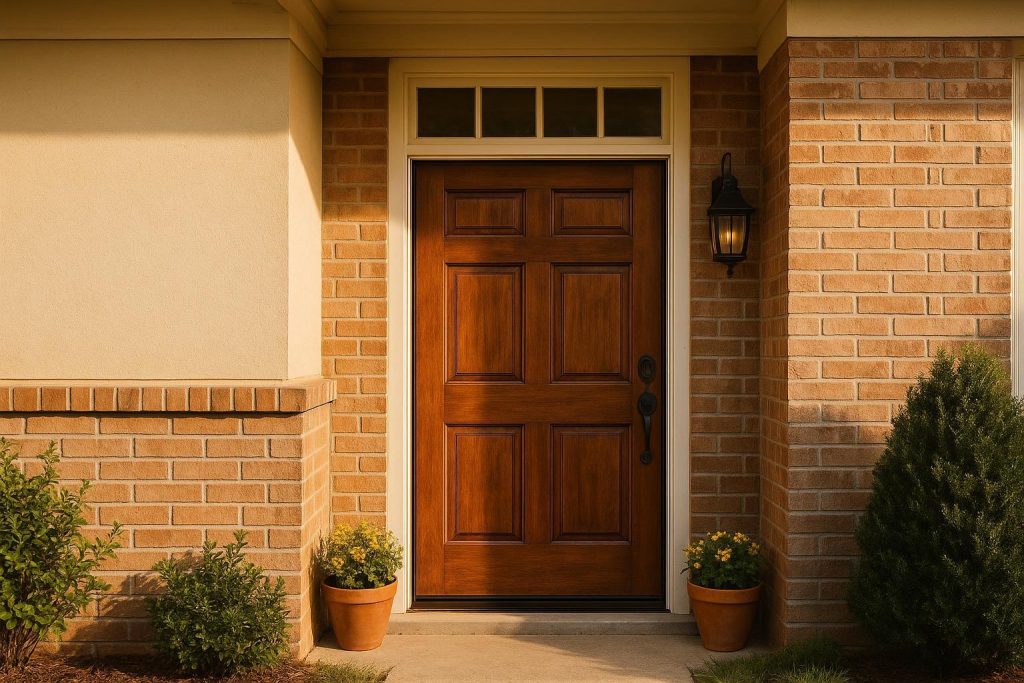
A Complete Guide to Choosing Effective Insulation Methods for Your Older Front Door
Is your older front door causing chilly drafts in the winter and letting hot air seep in during the summer? Many homeowners treasure the look and charm of an older door but worry about its ability to keep the indoor temperature comfortable year-round. The good news is that there are several ways to tackle this problem without losing your door’s character. From weatherstripping upgrades to foam insulation and everything in between, insulating an older front door can bring immediate benefits—not only in terms of comfort but also in lowering your monthly energy bills. Read on for a comprehensive guide that walks you through practical and budget-friendly methods for insulating an older front door.
Why Insulation Matters for Older Doors
Unlike newer doors that often feature built-in insulating cores, older front doors were typically built using thinner or hollow materials with minimal thought given to energy efficiency. Over time, numerous gaps may develop, allowing uncontrolled airflow between your interior and the outdoors. These drafty spots can lead to hot summers indoors and frosty, uncomfortable winters. Because the front door serves as one of the primary barriers between your living area and the elements, effective insulation can:
- Enhance indoor comfort by blocking unpleasant chilly drafts or sweltering outdoor heat.
- Save you money by reducing unnecessary strain on your heating and cooling systems.
- Cut down on outside noise, adding peacefulness to your home’s interior (Are insulated front doors also better at noise reduction?).
- Preserve the charm of a vintage or historic entryway while modernizing its efficiency.
Many homeowners also wonder whether an older door can ever be made as efficient as one that’s brand-new. If you share that concern, check out Are insulated front doors still effective for older home entryways? for more insight into how newly added insulation measures can transform the performance of even a decades-old door.
Identifying Air Leaks and Drafty Spots
Before embarking on your insulation project, the first step is to pinpoint where the drafts are coming from. Common leakage points include the edges of the door slab, the space between the door frame and the wall, and any cracks in or around the threshold. In some cases, you may even notice a faint line of daylight around the perimeter of the door, a sure sign of air infiltration. A simple DIY test is to hold a lit candle near the suspected gaps on a breezy day—if the flame flickers horizontally, you’ve likely found a draft.
If you’re still uncertain about how much insulation your older door needs, a home energy audit could reveal valuable information. Professionals use specialized equipment (like blower doors and infrared cameras) to detect difficult-to-spot leaks. For more on the benefits of such an assessment, have a look at Can energy audits reveal if my front door needs more insulation?.
Step One: Installing High-Quality Weatherstripping
One of the simplest and most effective ways to control airflow around an older front door is installing new weatherstripping or replacing worn-out strips. Weatherstripping runs along the edges of your door, forming a seal whenever the door is closed. There are several types of weatherstripping available, including:
- Adhesive Foam Tape: An affordable option that’s quick to install. Simply peel off the backing and press the foam strip onto the door frame. However, it may require more frequent replacement, as it compresses under repeated use and can peel over time.
- Rubber or Vinyl Strips: These durable alternatives withstand regular door usage and changes in weather conditions. They’re often sold in kits, making installation relatively straightforward. Rubber seals tend to hold up especially well in colder climates.
- Compression Seals: Typically found in higher-end kits, these rely on a snug fit between the door and the door stop. When the door closes, the seal compresses, creating a highly effective barrier against drafts.
If you’ve wondered whether weatherstripping alone can significantly tackle drafts, check out the details in Does weatherstripping really help reduce drafts around a front door?. Even small updates to your existing seals can result in noticeable improvements in both comfort and energy efficiency.
Step Two: Sealing the Bottom with Door Sweeps
The gap at the bottom of your front door is another common source of drafts. Installing a door sweep creates a protective barrier to block airflow. You’ll find sweeps made from rubber, vinyl, or metal bristles. A well-fitted sweep typically spans the entire width of the door’s bottom edge and presses against the threshold when the door is closed. This is a low-cost, high-impact upgrade.
An effective door sweep does more than block drafts: it also helps keep dirt, insects, and moisture from sneaking under your door. For further reading on whether this simple addition truly pays off, have a look at Will adding a door sweep reduce drafts at the bottom of my front door?. In most cases, the answer is a resounding yes.
Step Three: Addressing Frame Gaps with Foam Sealants
Even if you’ve weatherstripped and installed a sweep, air can still leak in around the door frame. That’s where foam insulation products can work wonders. Low-expansion spray foam is designed to fill irregular gaps between the door jamb and adjacent wall structure. Applying it carefully will ensure it doesn’t over-expand and warp the frame. For the best tips on choosing the right foam product, visit Which foam sealants work best for the space between the door frame and wall?.
Once the foam sets, you can trim any overflow and cover it up with trim or caulking. This additional step offers both energy savings and improved soundproofing, particularly if you live on a busy street. In many cases, simply sealing the perimeter gap with foam can dramatically reduce drafts, but you may also wonder if foam alone is enough to stop air leaks. For a more thorough discussion, see Is foam insulation around the door frame enough to stop air leaks?.
Upgrading the Door Slab Itself
Older doors might be hollow-core or made from thin layers of wood that don’t provide the best insulation. In that case, you have multiple options to fortify the door slab:
- Rigid Foam Boards: By adhering foam board to the interior side of the door and then covering it with a decorative panel, you can create a layered, insulating effect that doesn’t interfere with the door’s exterior appearance. This method is especially handy if you want to keep the classic aesthetic on the outside yet still boost comfort indoors.
- Fiberglass Batt Insulation: For doors with removable panels, gently placing fiberglass batts in the hollow areas can make a noticeable difference in temperature control. Make sure to seal around any edges to prevent air gaps.
If you’re curious about whether adding insulation to the door slab is indeed worthwhile, delve into Is it worthwhile to insulate the interior side of a front door?. Many homeowners find this approach an excellent compromise to preserve the door’s outward look.
Considering the Door Jamb and Threshold
Insulating the door slab alone won’t solve all your draft concerns if the jamb or threshold is allowing air to permeate. Sealing or weatherstripping around the jamb is essential to form a continuous barrier. Caulking the joints where the jamb meets the wall can also help reduce leaks. Some homeowners may even opt to add foam insulation inside the jamb, especially if they remove the trim for a renovation project. For more details on whether that’s a beneficial step, see Should I insulate the door jamb as well as the door slab?.
Along with your jamb, your threshold is a front-line defense against cold air. If it’s cracked or uneven, it’s time to repair or upgrade. A fresh threshold paired with a well-fitted door sweep can do wonders for indoor temperature regulation. If you want more detailed steps, check out What steps can I take to seal the threshold of my front door?.
Insulating Decorative Glass Panels
Older front doors sometimes include decorative glass inserts or windows. While they add beauty and natural light, these glass sections can become weak points if they’re single-pane or not sealed properly. You can apply window film or inserts to improve insulation, or even replace single-pane glass with more efficient, double-pane versions. For more tips, see How can I insulate decorative glass panels on my front door?. The goal is to reduce heat transfer while maintaining that special style your older door offers.
Storm Doors as an Additional Protective Layer
Another strategy is installing a storm door. Essentially, a storm door is a secondary outer door with glass or screens that adds an extra layer of insulation and weather protection. This can be a great workaround if you want to maintain the original look of your older door but still gain modern insulation benefits. Learn more about storm door effectiveness in How do storm doors help with front door insulation?. Storm doors also shield your main door from harsh weather, extending its lifespan.
Hardware Upgrades
Worn-out hinges, latches, and locks can create gaps that prevent the door from sitting flush against the weatherstripping. Periodically inspect your door’s hardware to ensure it’s in good shape. So-called “energy-efficient” locksets may feature built-in gaskets that help seal the door, complementing your other insulation improvements. In many older homes, even a slight door realignment may drastically reduce draftiness by eliminating the gap that forms when hinges loosen over time. Don’t forget to give attention to any decorative hardware as well, ensuring it doesn’t inadvertently create new gaps.
When to Retrofit vs. Replace
If your older door is structurally sound—no major rot or warping—retrofitting it with insulation can be a highly cost-effective approach. Indeed, many people choose retrofitting because they love the door’s vintage details or historical significance. However, if your door is in poor condition, a replacement might be the more practical choice. Modern front doors commonly include insulating cores that offer immediate benefits in energy savings and comfort. Explore the pros and cons in Should I replace or retrofit my front door for improved insulation?. You’ll find guidance for determining whether a brand-new door is the smarter route for your home’s unique needs.
DIY or Professional Assistance?
Most door insulation projects are sufficiently DIY-friendly, especially tasks like installing weatherstripping or a door sweep. However, challenges arise when you’re dealing with more complex structural issues, such as extensive rot or installing a new threshold that requires skillful carpentry. If you’re not confident in your ability to seal every gap correctly, calling on a professional can save you time and frustration. An expert can also help you assess how well you can insulate without removing the existing door—something many homeowners want to know. Head over to Can I add insulation without removing my current front door? for ideas on noninvasive solutions.
Boosting Energy Efficiency and Slashing Bills
As soon as you start sealing those leaks, you’ll likely notice a more stable indoor temperature, which then leads to reduced energy consumption. Central air conditioners and furnaces don’t have to work overtime to counteract incoming drafts, resulting in lowered utility bills. Even relatively small improvements—like new weatherstripping—can pay dividends on your monthly statement. Learn more about how door insulation influences energy savings at Will adding insulation to my front door help lower energy bills?.
Maintaining Your Insulation Over Time
After investing time or money upgrading your door’s insulation, you’ll want to preserve those benefits for as long as possible. Extreme temperatures, precipitation, and repeated usage can degrade seals, foams, and sweeps over months or years. Be proactive by inspecting your door insulation once or twice a year—checking the condition of the weatherstripping, door bottom sweep, and threshold. See How do I maintain the insulating features of my front door over time? for a fuller breakdown of how to keep everything in top shape. You might also wonder how frequently this checkup is needed. If so, peruse How often should I check insulation for wear around my front door? to stay ahead of any potential issues.
Recognizing When More Improvements Are Needed
Sometimes, even after adding fresh insulation, you might still notice temperature fluctuations or a draft. In these cases, re-check alignment, hardware, and the thickness of any foam-filled gaps. Ensure your weatherstripping hasn’t compressed or peeled away, and inspect any glass panels thoroughly. You can also revisit How can I tell if my front door needs better insulation? to troubleshoot specific issues. Upgrading a single feature, like the lock hardware or threshold, might be all it takes to achieve effective results.
Preserving the Charm and Efficiency
The beauty of insulating an older front door is that you can offer it a second life—to keep it looking stylish and help it perform just as effectively as a modern product. Whether you add a layer of foam to the interior, install a storm door for extra insulation, or simply stay on top of yearly maintenance, each step can significantly boost comfort and efficiency. And if you ever wonder why some modern doors come pre-insulated from the factory, see Why do some front doors have built-in insulating cores?.
In the end, it’s about balancing function, form, and budget. Some doors warrant a full replacement, while others are ripe for a smart retrofit that preserves their history. If you’re eager to continue exploring home renovations, consider visiting our Home page for ideas and guidance. By insulating your older front door, you’ll appreciate cozy warmth in winter, refreshing coolness in summer, and the timeless charm of a classic entry that feels all your own.