
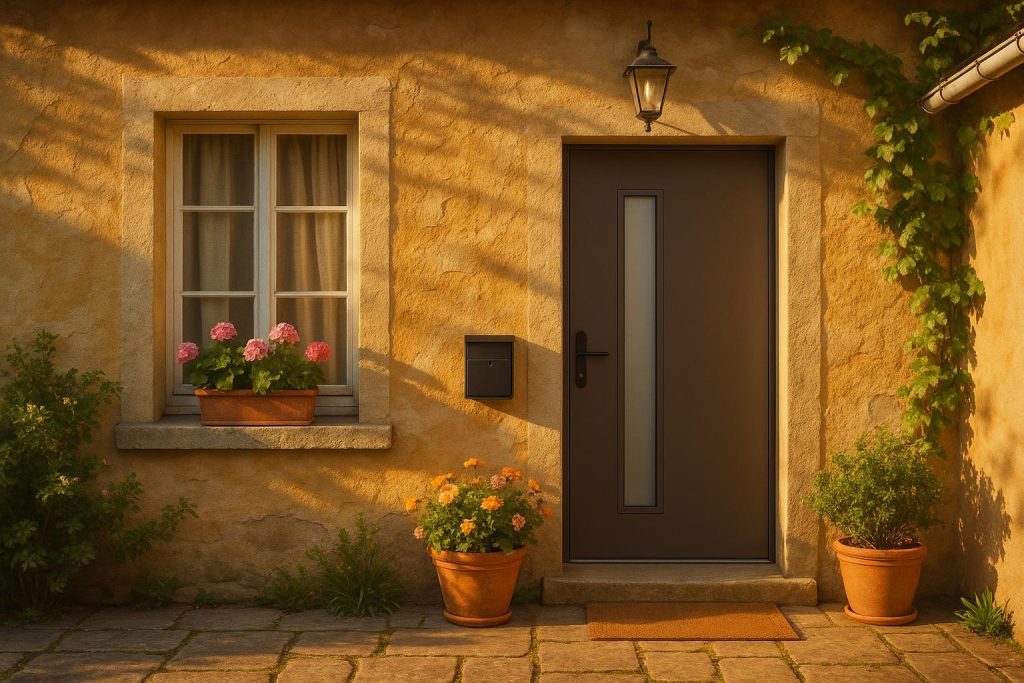
Enhancing an Older Home Entryway with an Insulated Front Door
When you think about improving an older home, installing a modern insulated front door might not be the first thing that comes to mind. Yet upgrading your entryway can bring comfort, reduce energy bills, and give your home a refreshed exterior appearance. This is especially true if your current front door is letting in drafts or failing to seal out environmental noise. In the following guide, we’ll explore how an insulated front door can revitalize an older home and what you should consider before making the change.
Why Consider Insulating an Older Entryway?
An older home carries a special charm, often rooted in architectural details and historic context. However, it may also come with outdated insulation, leaky door frames, and less efficient materials. Upgrading to an insulated front door addresses many of these pain points without compromising the unique character of your property. Below are some of the top reasons homeowners decide to insulate their older entryways:
- Energy Efficiency: Modern insulated doors can drastically cut down on heat transfer, helping stabilize indoor temperatures year-round.
- Comfort Improvement: Eliminating drafts around your entrance makes daily living more pleasant, especially in cold or hot climates.
- Improved Security: Sturdy new doors, complete with reinforced cores, tend to be more secure against forced entry than older options.
- Noise Reduction: Insulated cores naturally help mute outdoor sounds, whether it’s traffic noise or a bustling neighborhood.
- Enhanced Curb Appeal: A new front door can rejuvenate the entire exterior of your older home, blending fresh aesthetics with classic charm.
Each of these benefits can have a long-term impact on your home’s performance and your family’s comfort. According to many homeowners, the relatively simple step of upgrading the entry door can offer surprising returns on investment. For an in-depth look at how noise reduction might be affected by an insulated front door, read our FAQ on noise reduction.
Key Components of an Insulated Front Door
To fully appreciate the value of insulating an older entryway, it helps to understand what goes into the design of a modern insulated front door. Not all insulated doors are created equal. High-performing doors typically rely on three main components:
- Material Quality: Steel and fiberglass doors usually include dense foam insulation. This foam core is the foundation of the door’s insulating power, reducing heat transfer between the outside and inside. If you’re curious about the best materials for insulating an older front door, check out our recommended materials.
- Coring Technology: Some modern doors have built-in insulating cores that are specifically engineered to resist air leakage. The door’s construction might layer foam insulation between steel, fiberglass, or wood. Each layer plays a role in controlling temperature fluctuations. If you’d like more detail about why these doors have built-in insulating cores, visit our FAQ on built-in insulation.
- Durable Outer Shell: The door’s surface material should be capable of withstanding weather conditions without warping or rotting. Steel and fiberglass are common modern options, as they can hold up over many years with minimal maintenance.
The main takeaway is that while older doors might rely on solid wood or lesser insulating materials, contemporary doors offer advanced core technologies designed to maintain indoor comfort efficiently. The end result is a more reliable barrier against outside elements. For homeowners wondering whether their efforts will pay off financially, consider looking into how insulation can lower your monthly bills. You can explore the topic in our FAQ on reducing energy bills.
Preparing an Older Home for a New Insulated Door
Before you rush out to replace your front door, it’s vital to ensure that the surrounding components are up to the task. Even the highest quality door won’t perform well if your home’s framework is compromised. Here are the essential steps:
- Check the Frame: A warped or deteriorating frame can create gaps where air and moisture can seep in. Inspect every side of the frame to confirm it’s still in good structural condition.
- Evaluate the Threshold: The threshold is the strip of material located at the bottom of the door frame. A snug threshold helps prevent air leaks from sneaking in under the door. For tips, see our advice on sealing a threshold.
- Address Wall and Siding Issues: If there are cracks in the exterior siding or weakened areas around the door, it might be worth repairing them before new door installation to ensure a seamless fit.
- Install or Upgrade Weatherstripping: Weatherstripping is one of the most effective (and budget-friendly) ways to enhance a door’s insulating properties. If you’re not sure about weatherstripping’s value, our article on reducing drafts could be helpful.
This preliminary work ensures you maximize the return on investment from your new insulated door. Neglecting the basics—like the frame or threshold—can lead to an expensive new door that still leaks air. If you discover major structural issues while you’re evaluating your entryway, consider consulting a professional renovator who can steer you toward the right solutions.
Weather Sealing for Better Energy Savings
Among the most overlooked yet critical strategies for improving an older home’s insulation is comprehensive weather sealing. Weatherstripping, foam sealants, and door sweeps can dramatically reduce draftiness. In many cases, weather seals can be added both to a brand-new door and to an existing older door that needs a performance boost. For instance:
- Foam Sealants: Placed around the door frame to fill in thin gaps that might be hard to see. If you’ve wondered whether foam insulation around the door frame is enough to stop air leaks, our foam sealants FAQ covers the details.
- Door Sweeps: Attached to the bottom edge of the door, these sweeps help keep out dirt, insects, and drafts. Find out if adding a door sweep can make a real difference by reading our guide to door sweeps.
- Adhesive Strips: Many modern weatherstripping products come in rolls with an adhesive backing, making installation a simple, do-it-yourself task if you’re handy.
Combining these methods can lead to a noticeable drop in unwanted airflow, especially in older homes where slight structural shifts have occurred over time. Even something as small as applying fresh caulk along the trim can pay dividends in energy savings.
The Role of Decorative Glass Inserts
Many owners of older homes appreciate the charm and visual interest that decorative glass inserts can provide. Stained or frosted glass can be a focal point, but it can also be a source of heat loss if it isn’t properly insulated. Fortunately, modern glass inserts often include insulated glass units designed to retain heat. If you’d like insights on how decorative glass can remain efficient, refer to our glass panel insulation guide.
Some homeowners worry that replacing an older door might ruin the house’s authentic aesthetic. The good news is that you can often find timeless, historically inspired door designs equipped with modern insulation technologies. Alternatively, you can look into retrofitting approaches that let you keep the original door while adding insulating elements.
Choosing to Replace or Retrofit
When you decide to upgrade your older home’s entryway, you’ll likely face a key decision: Should you replace the door or retrofit it? Retrofitting might help preserve historic features while boosting energy performance, but a full replacement may offer a more substantial, long-term solution. For more detailed advice, explore our FAQ on this topic to see which path is right for you.
Either way, it’s wise to consult local building codes to confirm you’re choosing permissible designs. Some neighborhoods have special guidelines or historical district regulations that dictate which exterior changes are allowed. Doing your research in advance helps make your transition to an insulated front door smooth and stress-free.
Maintenance: Keeping Your Door Efficient Over Time
Once your older home has a new or updated insulated door, it’s worth performing some simple maintenance steps to ensure that its benefits last for years:
- Regularly Inspect Sealants: Look for wear on weatherstripping, especially in high-traffic households where the door opens and closes frequently.
- Clean Surfaces: Remove dirt and grime from thresholds and sills to prevent buildup that can interfere with a tight seal.
- Check Insulation Annually: At least once a year, do a quick test by running your hand around the door’s perimeter to detect any cool drafts or slight breezes. To learn how often you should perform these checks, see our wear inspection FAQ.
- Reapply Caulking if Needed: Over time, caulk can crack or peel due to temperature changes. A fresh application helps keep moisture out and comfort in.
Failing to keep up with these simple tasks might mean gradually losing the energy efficiency you worked so hard to achieve. Remember that consistent maintenance is less costly than waiting for bigger problems to arise.
Reaping the Benefits for Both Comfort and Costs
Installing an insulated front door has more than a single perk. If you live in an area with chilly winters or scorching summers, you’ll likely see cost savings on heating and cooling bills over time. Beyond the monetary gains, having an entryway that blocks drafts can make daily life that much more enjoyable. You won’t have to deal with noticeable temperature differences every time someone opens the door, and you’ll likely get fewer complaints from family members about uncomfortable indoor climates.
The advantage of noise suppression can also be considerable—an insulated front door helps dull the sounds of street traffic, construction, or nearby neighbors. If your older home is situated near a busy road, a new insulated door could provide some peaceful relief.
Preserving Historical Character with Modern Efficiency
One of the biggest hesitations for owners of older homes is whether updating the front door will clash with the home’s historic character. Fortunately, many door manufacturers today offer designs that pay homage to vintage styles but incorporate high-performing insulation materials under the surface. This allows you to maintain architectural coherence while ensuring that your door meets current efficiency standards.
If you have a truly historic door that you’d like to keep, consider adding internal insulation or an upgraded frame to enhance its performance. While this approach won’t match the efficiency of a brand-new insulated door, it can still significantly reduce drafts and maintain the home’s historic authenticity. To explore whether insulating the interior side of a front door is worthwhile, you can take a look at our dedicated FAQ.
Consulting a Professional for Complex Projects
Every older home is unique, and door replacements aren’t always straightforward. Shifts in the foundation, non-standard doorframe sizes, or tricky local requirements can complicate the process. That’s where professional guidance comes in. A knowledgeable renovator can determine the best path forward, taking into account the existing structure, your budget, and your design preferences. They can also direct you toward specialized technologies or materials that fit your home’s specific needs.
Don’t hesitate to discuss your ideas with a renovation expert who can tailor the solution to your home’s age and architectural style. They may offer advice on specific foam insulating products, advanced sealants, or decorative glass solutions that maintain curb appeal and save energy.
Making the Most of Your Insulated Upgrade
After your insulated door is installed, remember that long-term success involves periodic checks and mindful upkeep. A few strategies to keep things optimal:
- Establish a Maintenance Routine: Seasonal inspections help catch minor issues before they turn into big headaches, ensuring the door continues to perform at its best.
- Consider a Storm Door: In certain climates, a storm door can offer another layer of insulation and protect the main door’s finish from extreme weather. To learn more, refer to our storm door FAQ.
- Perform Energy Audits: Professional or DIY energy audits can pinpoint trouble spots. For details on how an energy audit can show if you need more insulation, check out this FAQ.
Final Thoughts
Revitalizing an older home entryway with an insulated front door manages to hit the sweet spot between preserving heritage charm and welcoming modern, energy-efficient performance. As long as you pay attention to details—such as frame integrity, threshold sealing, and door material—you can enjoy a comfortable, draft-free entry that blends seamlessly with your home’s aesthetic. Plus, through—and beyond—colder seasons, you might appreciate the substantial difference in ambient comfort and utility costs.
If you’re looking for more tips, guidance, or even design inspirations well beyond doors, feel free to explore additional renovation advice on our Home page. By carefully selecting an insulated front door that complements your home’s style and addressing any underlying issues, you can create a grand entrance that stands the test of time.