
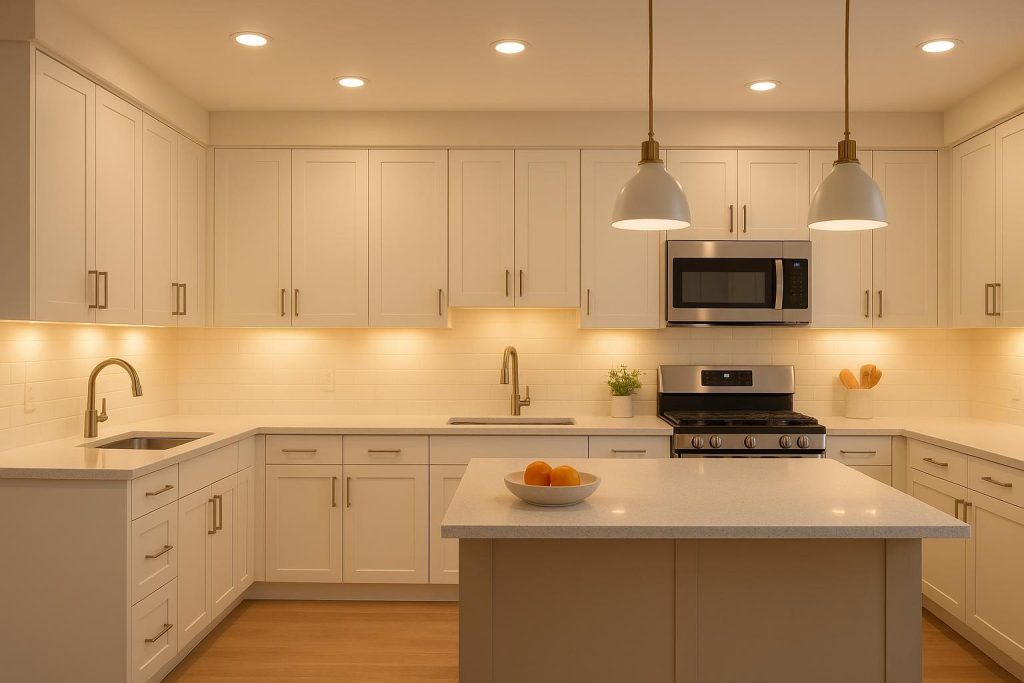
Illuminating Your Kitchen Work Areas: Best Practices and Lighting Ideas
Lighting is one of the most essential elements in any kitchen design, yet it’s often overlooked until the last minute. The right lighting can significantly enhance the functionality, safety, and ambiance of your kitchen. From food preparation to entertaining guests, ensuring that each area is well-lit improves not only visibility but also the overall feel of the space. A well-thought-out lighting plan considers different types of light sources, strategic placement, and the ideal color temperature to create a warm, welcoming, and highly practical environment.
If you’re renovating your kitchen or simply wanting to improve the existing layout, delving into the details of kitchen lighting will help you make the most of your space. In the sections below, we’ll explore why good lighting is so important, the various types of lighting you might consider, and how to select the perfect fixtures for each designated work area. We’ll also discuss important considerations such as bulb choices, color temperature, and energy efficiency. By understanding these nuances, you’ll be able to achieve a balance between function, style, and comfort—ultimately creating an ideal setting to cook, dine, and gather.
Why Good Lighting Matters in the Kitchen
Kitchens serve multiple roles in a modern home: they’re cooking spaces, family gathering spots, and sometimes even homework stations. Proper lighting becomes crucial to ensure each task can be performed comfortably and safely. Here are a few reasons why good lighting matters so much in your kitchen work areas:
- Enhanced Visibility: Sufficient illumination allows you to see what you’re doing, whether you’re chopping vegetables or cleaning up.
- Safety: Cutting, frying, or handling hot pans all require good visibility. Appropriately placed lighting helps you avoid accidents or mishaps.
- Ambiance: Kitchens aren’t just practical. They’re also places where you can showcase your personal style, and lighting plays a significant role in setting the mood.
- Focus: Task lighting aimed at specific work zones makes detailed tasks like chopping or decorating baked goods easier.
- Energy Efficiency: With modern LED technology, having a bright kitchen doesn’t necessarily translate to high electricity bills. Thoughtful fixture selection can help you save on energy costs.
When you take time to plan your kitchen lighting carefully, you’ll notice an immediate difference in your daily routines and the overall comfort of your kitchen space.
The Three Main Types of Kitchen Lighting
Designers often talk about a layered approach to kitchen lighting. This approach involves mixing three main types of lighting to address various needs: ambient, task, and accent. Understanding each layer is vital for creating a balanced, flexible, and visually appealing kitchen.
1. Ambient Lighting
This is the base layer of lighting. Typically, ambient lighting provides general illumination for the entire room, allowing you to move around safely and comfortably. Ceiling-mounted fixtures, chandeliers, or recessed cans are common choices. When planning ambient lighting, keep in mind the overall size and shape of your kitchen to make sure the space is evenly lit without glaring hotspots or unlit corners.
2. Task Lighting
Task lighting is directed at the areas where specific tasks are performed, such as countertops, sinks, cooktops, and other food preparation spaces. Think under-cabinet lights or pendant lights that focus directly on islands or food prep counters. The intensity of the light source should be sufficiently bright, ensuring key work areas are free from shadows that can obscure your workspace.
3. Accent Lighting
Accent or decorative lighting adds a finishing touch to your kitchen decor, highlighting architectural features or design choices, such as glass cabinetry or open shelving. Strip lights along the toe kick or inside display cabinets can create an appealing glow, while small sconces or well-placed LED strips can attract the eye to specific focal points. Accent lighting injects a distinct personality into your kitchen, providing a cozy ambiance that rounds out the overall feel.
Choosing the Right Color Temperature and Bulbs
Beyond fixture style and location, the color temperature and type of bulb you choose can make a substantial difference in how your kitchen looks and feels. Measured in Kelvin (K), color temperature refers to the appearance of the light—warm or cool.
- Warm White (2,700K–3,000K): This range offers a soft, cozy ambiance best suited for residential homes. A gentler glow can make a kitchen feel more relaxing and intimate.
- Neutral White (3,500K–4,000K): Neutral white lighting sits between warm and cool. It’s bright and crisp, providing good clarity and detail for tasks, though it’s not overly cold or harsh.
- Cool White (4,000K–5,000K): Sometimes chosen for contemporary or commercial-style kitchens, cool white lighting is more intense and clinical in appearance. It’s exceptionally bright, which can be beneficial for heavy-duty cooking, but some homeowners might find it too stark.
LED bulbs are generally the favorite for kitchen use. They last longer, emit less heat, and are more energy efficient compared to incandescent or fluorescent bulbs. Additionally, LEDs come in a wide range of color temperatures, allowing you to find just the right shade for your needs. Look for bulbs labeled “dimmable” if you want to fine-tune the intensity.
Specific Tips for Different Kitchen Work Areas
Not all kitchen spaces are created equal. A routine that involves washing produce over the sink requires a different lighting strategy than preparing sauces on the stovetop or chopping on countertops. By customizing your lighting for each work station, you’ll enjoy an efficient and visually cohesive kitchen.
Over the Sink
Kitchen sinks usually occupy busy corners of the room, often placed against a wall or under a window. Because washing dishes and prepping produce involves close-up tasks, it’s crucial to have direct lighting that reduces shadows in this area. Recessed lighting installed in the ceiling or a small pendant fixture positioned above the sink works well. If you have a window over the sink, you can also consider installing a thin, specialized fixture above it, balancing natural daylight with artificial light.
Over the Stove
Cooking on the stovetop calls for strong, localized illumination so you can keep an eye on food texture and color. A well-placed hood light can handle much of this work. Some range hoods come with built-in LED or halogen fixtures. If your stove is located on an island with a cooktop, pendant lights or recessed fixtures that provide direct illumination are helpful. Make sure these lights are high enough to avoid interfering with your cooking space but sufficiently focused to let you see the contents of your pots and pans clearly.
Kitchen Island Lighting
An island is typically the focal point of the kitchen. It’s where family members gather, prepare meals, or even do homework. Because of its multifunctional use, lighting the island is particularly important. Pendant lights are a popular choice, but one size doesn’t fit all. Consider the island’s length and shape before deciding how many pendants to install and at what height. Typically, the bottom of the pendant should be 30 to 36 inches above the countertop to avoid obstructing your view. If your island is large, installing multiple pendant lights can create balanced illumination while also giving you the chance to add a stylish design element to the kitchen. Dimmable LEDs will enable you to transition from bright task lighting—ideal for food prep—to softer ambient lighting when the island is used as a dining area.
Prep Stations and Counters
Under-cabinet lighting is one of the most effective ways to ensure your counters remain well-lit. Whether you choose LED strips or puck lights, these fixtures are discreet and direct illumination right onto the countertop, minimizing shadows from overhead cabinets. This setup is perfect for slicing, mixing, or reading recipes on your phone or cookbook. For an integrated, polished look, opt for low-profile LED strip lights that fit seamlessly beneath your cabinets. If you have open shelving, LED strips along the shelves can serve as both task and accent lighting.
In planning for prep station illumination, be mindful of your personal kitchen habits. Are you frequently rolling dough? Do you use a specific portion of the countertop for chopping? Place your task lighting accordingly so the angle of illumination doesn’t cast shadows over your workspace. This approach ensures that every corner of your kitchen is lit in a way that supports your daily culinary routines.
Dimmers and Lighting Controls
Beyond having the right fixtures and bulbs, incorporating dimmer switches and smart lighting controls can significantly increase your kitchen’s flexibility. Dimmers allow you to tailor the brightness level to different activities. For instance, you can opt for a brighter setting while cooking or cleaning, and then lower the intensity later in the evening for a calmer atmosphere. Smart lighting systems, widely available through various brands, let you adjust brightness, schedules, and even color temperature from a smartphone or voice-activated device. This can be particularly useful if you have children or frequently entertain guests, as you can program different “scenes” for everyday cooking, dinner parties, or late-night snacking.
Energy Efficiency and Cost Savings
When properly planned, your kitchen lighting can strike an excellent balance between functionality and energy conservation. LEDs are the preferred option for energy-conscious homeowners—they consume only a fraction of the electricity used by incandescent bulbs and emit much less heat. Over time, these energy savings can really add up, offsetting the initially higher cost of LED fixtures and bulbs.
Moreover, selecting Energy Star-rated products can give you additional peace of mind. These fixtures and bulbs meet strict standards for performance and efficiency, indicating that they’re designed to last a long time and provide reliable light output.
Design-Centered Approach for Cohesive Renovations
If you’re planning a full kitchen renovation, it’s beneficial to consider lighting from the very beginning of the design process. At Awlridge Renovations, we often guide homeowners through selecting fixtures that mesh well with their home’s style and support a design-centered approach. While focusing on aesthetics is already exciting, placing equal emphasis on lighting can make the difference between a pretty kitchen and a truly exceptional one. This transparent, customized approach ensures each element—from cabinet style to countertop materials—works in harmony with the lighting, delivering a cohesive result that effortlessly blends function and beauty.
Layering ambient, task, and accent lighting recalls the same principle we apply to each renovation: synergy. The best renovations should feel seamless, as if every piece is intentionally placed to elevate your daily life. By employing a combination of detailed planning and quality materials, you can sidestep many common pitfalls and ensure that your new kitchen is both visually striking and practical for years to come.
Bringing It All Together
Your kitchen’s lighting plan serves as the backbone for cooking, dining, and gathering comfortably. By being thoughtful about everything from fixture placement to color temperature, you can create a space that meets every need—be it preparing meals with ease, entertaining friends in a warm, welcoming atmosphere, or simply enjoying a cup of coffee before the day begins. Carefully blending ambient, task, and accent lighting ensures an environment that’s equal parts functional and inviting.
If this discussion has you excited about the potential of a well-lit, beautifully designed kitchen, consider how a professional renovation could take your ideas further. From in-depth design consultations to final project completion, a transparent and supportive plan helps you navigate each decision with confidence. That means optimal placement of fixtures, harmonious visual appeal, and a final space you can truly be proud of. Whether you’re focusing on a minor refresh by upgrading lighting or tackling a full kitchen remodel, the effort you put into your lighting design will pay dividends for everyday use, comfort, and style in the heart of your home.
For more information on kitchen renovations or to explore ways to elevate your home, you can visit our Home page to learn more about creating a space that’s custom, design-centered, and functional. Ultimately, a little planning goes a long way in transforming your kitchen into a welcoming hub—where you’ll love to cook, entertain, and make lasting memories.