
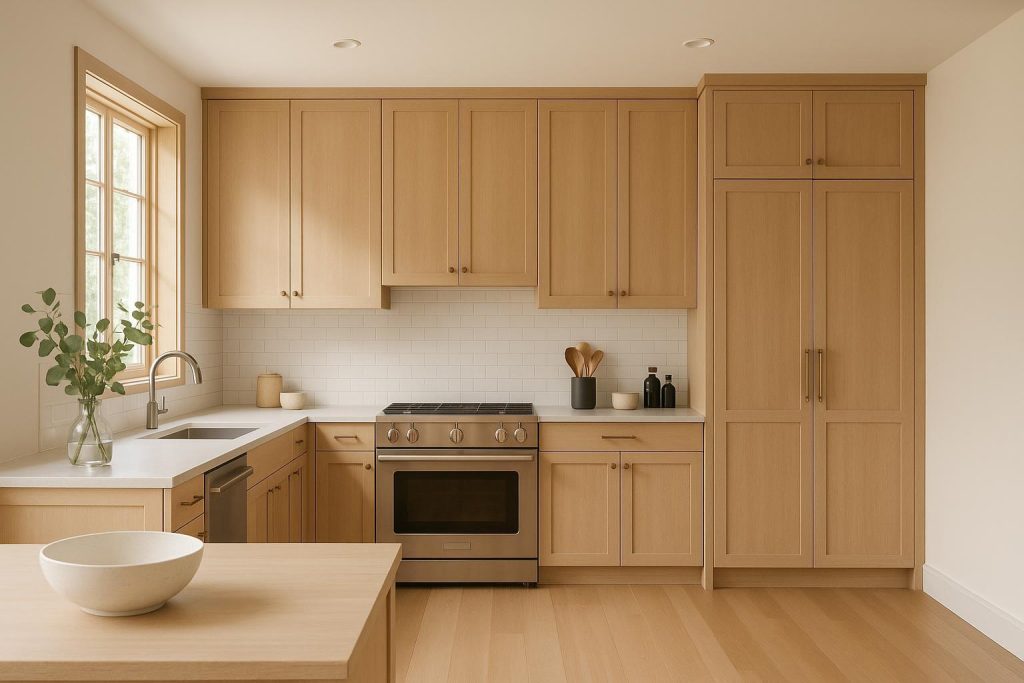
Understanding Custom Cabinets vs. Stock Cabinets
When you’re planning a kitchen renovation or updating storage solutions throughout your home, you’ll often encounter two primary cabinetry options: custom cabinets and stock cabinets. Although these categories are quite general, each one represents a different approach to both style and function. Knowing the nuances between them will help you make a better-informed decision for your space. In this comprehensive guide, we’ll explore the key differences, costs, design potential, and overall considerations so you can feel confident about moving forward with the cabinetry that best suits your lifestyle.
Defining Stock Cabinets
Stock cabinets are prefabricated units that manufacturers produce in large quantities, typically in standardized sizes. These ready-built cabinets can be purchased at many home improvement stores, providing a convenient, budget-friendly solution for homeowners who prioritize practicality. Because they’re mass-produced, stock cabinets often come with limited customization options—for instance, you’ll find set heights, widths, and depths, along with fixed finishes and hardware choices. This can be beneficial if you have a straightforward renovation need or want to keep your kitchen update simple.
One of the clear advantages of going with stock cabinets is that they’re readily available, meaning you can often take them home and start installation right away. This can speed up your project timeline and reduce costs by cutting down on labor and waiting periods. Additionally, the standardized production process often leads to lower price points, making stock cabinets a popular choice for those who want a cost-effective improvement, a quick turnaround, or a temporary solution while saving up for a more extensive renovation later.
Defining Custom Cabinets
On the other side of the cabinetry spectrum, custom cabinets are built from the ground up to match your specific preferences and space requirements. Rather than conforming to set measurements, custom cabinetry is entirely design-centered—enabling you to choose exact dimensions, specialized features, materials, finishes, and hardware that align with your personal taste. This more detailed approach yields truly unique cabinets that are functional, visually harmonious with the rest of your room, and sometimes considered statement pieces in their own right.
Many homeowners who value quality, longevity, and creative freedom gravitate toward custom cabinets. In most cases, the process involves collaborative planning with a skilled craftsperson or renovation contractor, who will use precise measurements and 3D renderings to establish a design that fits seamlessly with the rest of your layout. If you have an unconventional or tight space, custom cabinets can adapt to the area without leaving awkward gaps—maximizing your room’s usable storage. Naturally, these advantages translate to higher installation costs and more lead time, but many believe the peace of mind that comes from achieving a custom aesthetic is worth the investment.
Key Differences: Materials and Construction
Materials: One crucial aspect to consider is the material used in your cabinets. Stock versions tend to use more cost-effective materials like particleboard or medium-density fiberboard (MDF). These materials can be durable enough for many homeowners’ needs, but they may not stand up to intense wear and tear over decades without careful maintenance. Meanwhile, custom options typically allow you to select premium hardwoods or higher-quality boards that maintain their appearance and structural integrity longer. This focus on quality can be an essential factor if you want to ensure that your kitchen or functional area retains a fresh, polished look for years.
Construction Techniques: Craftsmanship often sets the standards for longevity. Stock cabinet boxes are typically assembled using modern manufacturing processes and automated lines, which can be fast but less specialized. In custom cabinetry, you’ll often find additional reinforcements, stronger joints, or even dovetail construction in drawers. Such details can have a marked impact on the performance of cabinets, especially in busy households where doors and drawers are opened frequently throughout the day.
Customization and Design Freedom
Perhaps the most significant distinction lies in the level of customization available. Stock cabinets let you choose from a limited range of colors, hardware finishes, and door styles. While some new lines of prefabricated cabinets do offer a respectable variety, it can still be challenging to achieve a completely unique look. If you’re trying to replicate a specific aesthetic—such as a vintage farmhouse style or a sleek, modern design—you might find stock offerings too generic or mismatched to your preferences.
By contrast, custom cabinets offer virtually limitless choices involving wood species, hardware details, finishes (like stained, painted, or distressed), and even specialized storage solutions like pull-out spice racks or built-in charging stations. Although it may take more time and budget, the end result can be a cohesive visual statement that you designed for your lifestyle. If you find inspiration in magazines or design shows, crafting custom pieces typically grants you the flexibility to turn those ideas into a reality.
Timeline and Production Schedules
Every renovation project has some form of timeline—and the cabinetry selection can greatly influence how long your renovation might take. With stock cabinets, the speed factor is an immediate advantage. Sometimes you can purchase them off the shelf and begin installation within days. This makes them a go-to solution for quick flips, temporary upgrades, or homeowners who don’t want to live without a functioning kitchen for too long.
On the other hand, custom cabinets can require a more extended schedule. After meeting with a contractor or design team, you’ll likely undergo several rounds of planning, measuring, and finalizing before production starts. Specialized construction can then take weeks or even months, depending on the scope of the project and the availability of materials. If you have a strict deadline, factoring in the production schedule for custom cabinets is vital to ensuring a smooth renovation process.
Cost and Budgetary Considerations
One of the primary reasons homeowners opt for stock cabinets is the lower price point. Stock materials and standardized dimensions reduce production costs, making them more affordable for those working with a limited budget. If you’re renovating a rental property or focusing on repairing rather than completely overhauling a space, stock cabinets can be a sound choice that won’t strain your finances.
However, custom cabinets open up a range of higher-end materials and specialized craftsmanship that come at a premium. When you go the custom route, you’re paying not just for the product, but for design expertise, one-of-a-kind detailing, and the ability to have everything tailored to your exact preferences. If your goal is a truly unique kitchen or bathroom that stands out—and you have the financial flexibility to invest in higher-quality components—custom cabinets might be the ultimate solution. Many who choose a custom approach see it as a long-term investment, especially when a home’s resale value may increase with high-quality, personalized additions.
Installation and Ease of Use
In most cases, stock cabinets are relatively straightforward to install because they arrive preassembled in standard dimensions. If you have decent DIY skills, you may be able to tackle a simple installation on your own, though hiring a professional is still often recommended to make sure everything is aligned properly and securely fastened. Depending on your purchase, you might be able to save on labor costs, but you’ll need to confirm that you have the right tools and expertise for the job.
Custom cabinetry is usually installed by professionals who specialize in fitting and finishing unique pieces. This ensures the final product meets the original design standards. The installation can also be more complex due to special additions like hidden compartments, inset appliance features, or large-scale island configurations that integrate multiple elements. Working with a well-coordinated team can guarantee that your cabinets harmonize with any new flooring, backsplashes, or architectural details you’ve chosen for the renovation.
Durability, Maintenance, and Longevity
Although opinions vary, custom cabinets often have an edge in terms of longevity. When built with solid wood, meticulous construction methods, and protective finishes, custom pieces can endure daily wear and tear more gracefully over the long haul. They can also be easier to repair and refinish, as you likely have more direct access to the original craftsperson or brand that created them. If a door gets damaged, for instance, it’s more feasible to match or replicate the design when it’s fully custom.
That being said, stock cabinets can still last for many years if they’re looked after properly. Regular cleaning, prompt repair of any water damage, and careful opening and closing of doors and drawers can extend the lifespan of less expensive cabinetry. Some stock models also come with warranties that cover defects for a set period, so it’s always worth comparing terms.
Choosing the Right Option for Your Home
Ultimately, the choice between stock and custom cabinets hinges on your budget, design aspirations, timeline, and willingness to coordinate more detailed work. Here are a few guiding principles that may help you decide:
- Stick to Stock: If you need a quick install at a lower cost or simply want a functional improvement without investing heavily in interior design, stock cabinets can streamline the process.
- Opt for Custom: If personalization, high-quality finishes, and a unique aesthetic are top priorities—and you have room in your budget to accommodate premium costs—custom cabinets allow you to tailor every aspect of your kitchen or storage area.
- Consider Semi-Custom: If you want something in the middle, some manufacturers offer semi-custom solutions that blend aspects of both, providing more finishes or configurations than pure stock options without the fully bespoke price tag.
Integrating Cabinets into a Bigger Renovation
Whether you’re simply replacing old cabinets or doing a full kitchen remodel, cabinetry choices are a core component of your home’s functionality and style. It’s wise to think about how each selection will align with the rest of your space. For instance, a substantial kitchen transformation might also involve upgrading your countertops, flooring, and lighting. If you choose fully custom cabinets, you can coordinate every design element to appear cohesive while meeting your day-to-day needs. Meanwhile, more budget-friendly, stock-based modifications might be enough if you’re doing smaller updates.
Weighing your timeline and budget is crucial in deciding whether to pursue stock, custom, or a semi-custom route. If you’re ever unsure, it may be best to consult an in-house design team or remodeling professional who can guide you through 3D renderings, accurate measurements, and sample finishes. That way, you’ll get a clear picture of how each cabinet style can enhance the practicality and ambiance of your home.
The Bottom Line
In the end, both stock cabinets and custom cabinets have their merits. Stock cabinets are often chosen because they are more affordable, quicker to install, and readily available in standard dimensions. This makes them a logical choice if your goal is cost-effectiveness and functionality. Custom cabinets, on the other hand, deliver unparalleled versatility, personalized design-centered features, and the kind of craftsmanship that stands the test of time—bringing a sense of quality and uniqueness to your kitchen or other living areas.
As you decide which cabinet style to choose, consider the specific needs of your household, your preference for design and finishes, how quickly you want the work done, and how the final result will play into your long-term plans for the home. There’s no universally right or wrong choice; it all depends on your personal taste and the scope of your renovation. If you have the budget, time frame, and desire for something truly distinctive, custom cabinets might offer you that extra measure of design freedom and trust in quality. If affordability and a swift turnaround are more important, stock cabinets can still deliver results that greatly enhance your space, especially when paired with complementary elements. Evaluating these factors thoroughly will help you strike the perfect balance and embark on a successful renovation project that feels just right for you.
For more renovation insights and ideas, feel free to explore our main resources at Home. Whether it’s a small improvement or an extensive home makeover, choosing cabinets thoughtfully can make all the difference in achieving a comfortable and functional environment that your household will enjoy for years to come.