
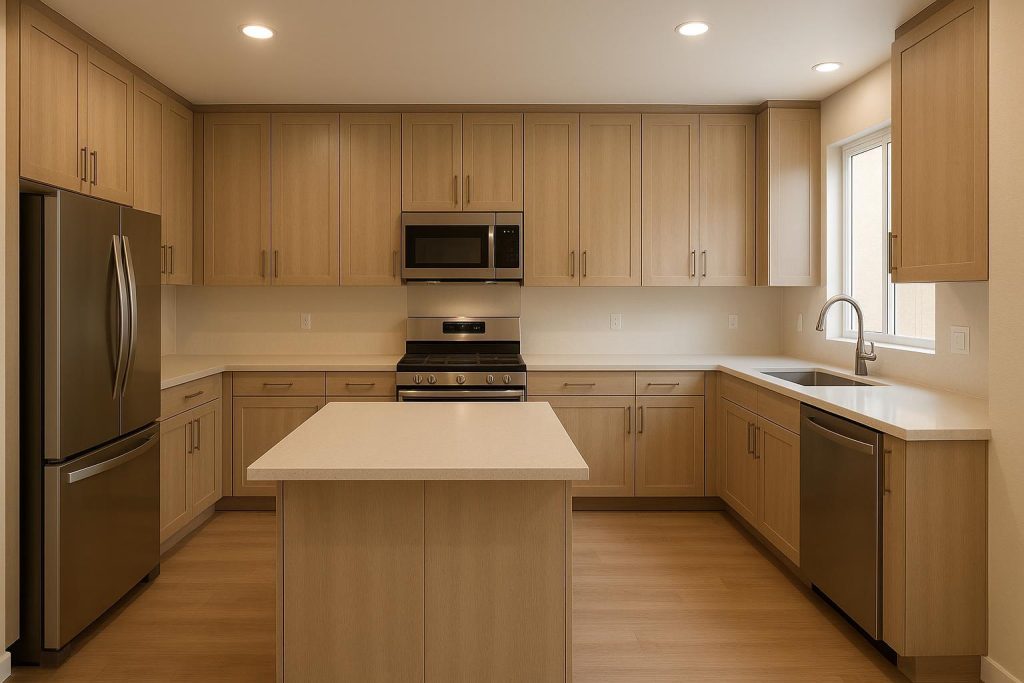
Understanding the Biggest Expenses in a Kitchen Remodel
A kitchen remodel is one of the most transformative upgrades a homeowner can undertake. From brand-new cabinetry to updated appliances and sleek countertops, every decision can dramatically enhance both the style and functionality of your home’s centerpiece. However, the updated look also comes with inherent costs. Some of these expenses might be obvious—like the fancy new fridge you’ve been eyeing—while others can feel more hidden, such as labor or design fees. In this detailed guide, we’ll explore the most significant expenses in a kitchen remodel, why they matter, and how you can plan your renovation in a way that fits both your vision and your budget.
1. Cabinetry: Often the Biggest Ticket Item
When people discuss the cost of a kitchen renovation, cabinetry typically takes center stage. In fact, cabinets can easily account for a large chunk of your total renovation budget, sometimes even exceeding 30% of the overall cost. The reason for this sizable portion is that cabinets define both the aesthetic and storage functionality of your kitchen. From customizing cabinet layouts to selecting material finishes, there are numerous decisions that factor into the cost.
Materials: Lower-end cabinets might use particle board or laminate, whereas higher-end or custom designs might opt for durable hardwoods like maple, cherry, or oak. The latter not only elevates the design but can also ensure longevity.
Customization: Custom or semi-custom cabinets usually cost more than stock versions you’d pick up from a home improvement store. The benefit, however, is a tailor-made look that perfectly fits every nook and cranny of your space, maximizing functionality and giving you precisely the arrangement and storage solutions you want.
Hardware: Don’t overlook hinges, drawer slides, and handles. Investing in quality hardware can avert issues like squeaking drawers, misaligned doors, and frequent replacements, ensuring smooth operations for years to come.
2. Countertops: Balancing Looks and Durability
Right behind cabinetry in terms of cost, you’ll usually find countertops. The wide range of materials available—from affordable laminate to premium natural stone—means this expense can also run the gamut. Strong and durable countertops like quartz or granite not only look elegant but also offer substantial longevity, making them a popular choice in kitchens that see a lot of daily use.
Stone Surfaces: Granite and marble top the list for many homeowners seeking a high-end, polished feel. They are known for their heat resistance and overall durability, but require consistent sealing and can vary widely in price depending on patterns and rarity.
Engineered Materials: Quartz is an engineered product that blends natural quartz with resins, resulting in a non-porous surface that is easy to maintain and highly resistant to stains or scratches. Its price can resemble natural stone, but it is typically simpler to care for.
Laminate and Others: Laminate countertops cost less but usually have a shorter lifespan. They come in an array of colors and patterns but can chip or scratch more readily over time.
3. Appliances: Investing in Technology and Aesthetics
Modern kitchens are incomplete without quality appliances. If you love cooking gourmet meals, you might see your budget tilt significantly toward high-end ranges, refrigerators, and dishwashers. On the other hand, if your focus is on style, certain sleek, built-in appliances can blend into your design seamlessly but carry a heftier price tag.
Range and Cooktop: A professional-grade range or induction cooktop could be a dream for serious chefs. These machines often come with advanced burner controls and achieve consistent temperatures, but their cost naturally reflects the performance.
Refrigerators: From standard top-freezer models to large French-door configurations, the refrigerator price spectrum is considerable. If you have a large family or frequently host gatherings, a bigger and more feature-rich model can be worthwhile.
Finishes and Installation: Stainless steel remains popular for its polished look and durability. Custom panels, where the appliance’s front matches your cabinetry, add a touch of seamless sophistication—though at an additional cost. Installation fees also need to be factored into the overall appliance expense, particularly if extensive ventilation or modifications are necessary.
4. Labor and Project Management
Labor is a significant cost that’s easy to underestimate until you find yourself halfway through a remodel. Skilled craftsmanship ensures that everything—from your cabinets to your backsplash—is installed to last. Labor costs typically include:
- Demolition: Removing the old cabinets, countertops, and appliances can require specialized equipment and precautionary measures, especially when dealing with older structures or features like outdated wiring and asbestos insulation.
- Construction and Carpentry: Building or adjusting walls, designing customized shelving, or installing brand-new cabinets all demand skill and precision. Poor workmanship here can lead to frustrating misalignments or structural issues later.
- Electrical and Plumbing: Upgrading or installing new lines, fixtures, or circuits is crucial to a safe, modern kitchen. Errors in these areas can be not only dangerous but also expensive to fix once everything is in place.
- Flooring and Finishing: Whether you’re refinishing existing floors or adding new hardwood or tile, professional installation ensures a level surface and cohesive look.
Many remodeling contractors and homeowners place significant emphasis on the planning phase to minimize unexpected labor costs. Working with a transparent, trusted renovation team further ensures cost and timeline predictability.
5. Design and Planning Fees
One aspect that tends to be overlooked is the design phase. Yet it is during this stage that you can accurately gauge your expenses, explore your style preferences, and avoid costly pivots later.
Professional Designers: Designer fees can vary. Opting for an in-house design team can streamline everything from choosing countertop materials to finalizing your cabinetry layout. Because they understand both form and function, professionals can align style preferences with lifestyle essentials.
3D Renderings and Visualizations: Some homeowners find that receiving a 3D rendering delivers more than peace of mind—it helps them make confident decisions. Renderings let you see how your space will look before the build begins, highlighting potential problems or changes you might have missed.
Transparent Pricing: Seek a renovation partner that offers transparent and fixed-cost pricing so you can plan each stage effectively. Understanding up front where each dollar goes can prevent unwelcome surprises mid-project, allowing you to enjoy a more seamless renovation experience.
6. Flooring and Backsplash
Although not always the most expensive part of a kitchen remodel, flooring and backsplash undeniably affect your budget and final aesthetic.
Flooring: Materials run from budget-friendly vinyl to top-tier hardwood, tile, or even polished concrete. The cost variance often comes from not just the product itself, but also the labor required to prepare and install it. Kitchens, being high-traffic areas, demand materials that can handle constant use and resist regular spills.
Backsplash: Varying in style from mosaic tiles to simple subway patterns, the backsplash is an opportunity to inject personality into your kitchen. While basic options can be affordable, intricate patterns or premium materials can inflate the total expense. Installation can also be delicate, requiring meticulous spacing and sealing.
7. Lighting and Electrical Work
Upgrading or installing new lighting in your kitchen might not seem like a major expense at first glance, but to achieve a properly illuminated workspace, it’s critical to invest in adequate fixtures and up-to-date wiring. Lighting also sets the tone for the kitchen’s ambiance and can improve functionality, especially for tasks like meal prep.
Varied Lighting Zones: You may desire under-cabinet lighting for direct countertop illumination, pendent lights over an island to showcase design elements, and ambient ceiling lighting to brighten the entire space. Each type of light adds different layers to the overall design—and each has an associated cost for hardware and installation.
Electrical Upgrades: You might require additional outlets or circuits to power modern appliances, especially if you’re introducing items like wine coolers, garbage disposals, or large refrigerators. Compliance with local electrical codes is also key, so a well-trained professional is crucial to avoid issues that could slow construction or pose safety concerns.
8. Permits and Unexpected Structural Changes
If you plan to modify your kitchen’s layout, knock down walls, or relocate plumbing or electrical lines, you’ll likely need permits. Municipal permitting fees can add up, and failing to obtain the correct permits can lead to expensive legal and safety complications in the future.
During the tear-out, you might also unearth surprises such as water damage behind old cabinets or outdated wiring that doesn’t meet current codes. Though these issues add to your costs, addressing them ensures a safer, more durable kitchen for years to come.
9. Miscellaneous Costs: Don’t Forget the Details
It’s easy to focus on the obvious expenses, but plenty of smaller costs pop up as you finalize a kitchen remodel. Paint, trim, and organization systems for cabinets all add up. Even the smaller touches—like a stylish new faucet or upgraded door handles for your custom cabinets—can significantly influence your final bill.
One way to manage these details is to keep a contingency fund (often around 10-20% of your total budget) to cover unexpected or small add-ons. Doing so helps you stay flexible and avoid feeling pressured to cut corners if you realize you need final “finishing flourishes” to make the space feel complete.
10. Tips to Help Manage Costs While Preserving Quality
No one wants to be weighed down by spiraling kitchen renovation costs. Here are practical strategies to keep your budget on track:
- Set Clear Priorities: Begin your planning by identifying must-haves versus features you could compromise on. If you’re passionate about cooking, you might choose to invest more in a professional-grade cooktop and scale back on decorative backsplash materials—or vice versa.
- Opt for Semi-Custom Solutions: If fully custom cabinets exceed your budget, semi-custom can strike a balance between cost and personalization. You’ll still get style and a good level of customization at a lower price point.
- Plan in Phases: Spreading out your remodel over multiple stages can make the costs more manageable and ensure you don’t rush important decisions.
- Research and Compare: Whether it’s a professional designer or cabinet installer, obtaining multiple quotes and carefully evaluating the contractor’s experience can help you choose the right partner and avoid hidden fees.
- Leverage Transparent Pricing: Seek a renovation firm that keeps their costs and processes clear. Understanding up front exactly where your money is going can help you make more informed decisions.
11. Collaborating with a Trustworthy Renovation Partner
Finding a remodeling team that prioritizes design-centered thinking, transparent cost structures, and high-quality results is a surefire way to mitigate the stress of kitchen remodeling expenses. When you collaborate with people who understand your vision and your budget, the entire process flows more smoothly, from initial brainstorming to final installation. A skilled team can also anticipate potential pitfalls, manage timelines effectively, and suggest creative solutions that help you stay on track.
At the same time, you deserve a service that prioritizes peace of mind and trust. Look for traits like in-house design offerings, 3D renderings, fixed-cost pricing, and open communication, so you never feel like you’re leaving anything to chance. Each of these helps ensure that you get a well-crafted, beautiful kitchen that integrates the functionality you need and the style you crave.
12. Final Thoughts: Investing Wisely in Your Kitchen
Your kitchen remodel should be an exciting and life-enhancing endeavor—one that rejuvenates your home and increases its overall value. While cabinetry and countertops typically dominate the expenses, it’s critical to understand how labor, appliances, design, and even little finishing details can shape your budget. With careful planning, thoughtful choices, and the right renovation partner, you’ll be able to create a custom kitchen that reflects your personal style and supports your day-to-day life.
Investing in quality pays off not just in longevity but also in daily enjoyment. After all, the kitchen is more than just a place to cook; it’s a gathering space, a homework corner, and often the heartbeat of your home. By budgeting realistically, prioritizing crucial elements, and considering both form and function, you can achieve a kitchen remodel that will serve you well for years to come.