
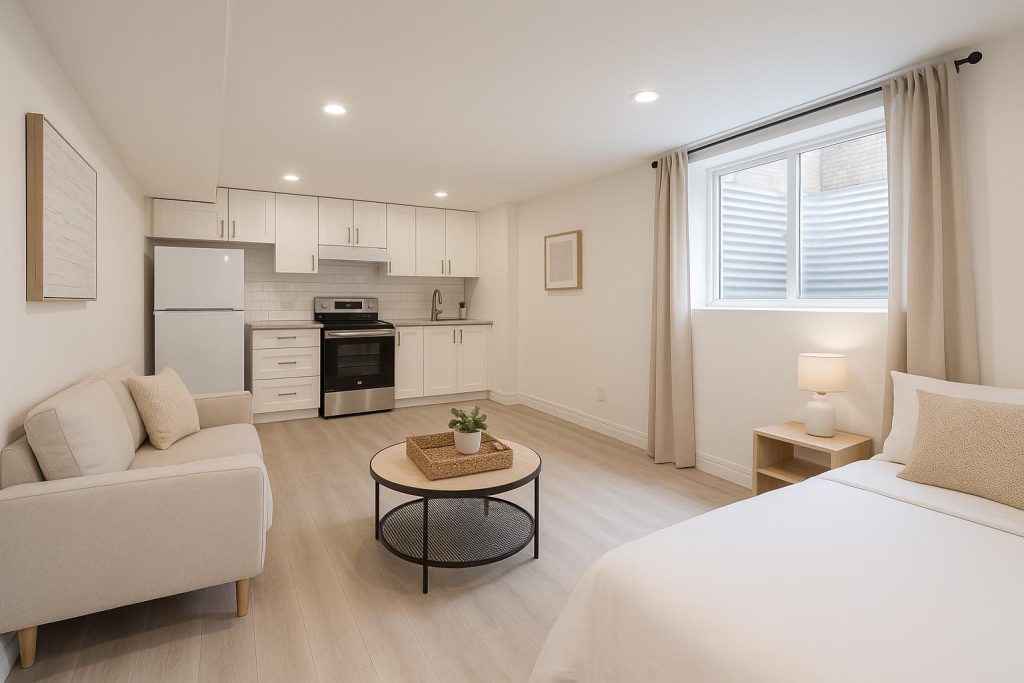
A Comprehensive Guide to Building Code Requirements for Legal Basement Suites
Legal basement suites have become increasingly popular among homeowners looking to maximize living space and potentially generate rental income. But before turning an underutilized lower level into a fully functional living area, it’s critical to understand and comply with the local building code requirements. Whether you’re pursuing this renovation to accommodate extended family, create a home office, or establish a legal rental suite, following the proper codes not only protects you legally—it also ensures safety, comfort, and peace of mind for everyone.
1. Understanding the Importance of Building Codes
Local building codes set the minimum standards for design, construction, and alterations to structures. When it comes to basement suites, these codes cover a range of topics, from fire safety to natural lighting and ventilation. If you skip or overlook these rules, you could face penalties, insurance complications, or even be forced to remove any unapproved renovations. Meeting code standards, on the other hand, helps to ensure that your basement suite is safe and comfortable for occupants, whether that’s you, your family members, or tenants you’ve chosen to rent to.
Building codes can differ by city or municipality, so be sure to double-check the specific details for your region. Obtaining the correct permits also means local inspectors can verify your project at different stages—from framing to plumbing—giving you confidence that the updates will pass final inspections and truly meet every necessary requirement.
2. Fire Separation: Securing Safety Between Suites
One of the most fundamental building code requirements for a legal basement suite involves fire separation between the main dwelling area and the basement suite. This typically means installing fire-rated drywall or other fire-resistant materials on walls and ceilings. Properly sealed gaps around pipes, ducts, and electrical wiring are also essential, as smoke and fire can spread quickly through these openings if not carefully contained. In many regions, the basement suite might also need its own, separate entrance that’s sealed off from the main home, creating a secure barrier.
This aspect of code compliance can’t be overstated—it’s important for protecting all occupants in the event of an emergency. If a fire starts in one part of the home, solid fire separation measures can slow its spread, allowing those in the other area enough time to exit safely and giving emergency responders a chance to extinguish it before it engulfs the building.
3. Egress Requirements: Ensuring a Quick Escape
Alongside fire separation, egress requirements are another core part of basement safety regulations. Egress refers to the ability to exit a building quickly in the event of an emergency. Every legal basement suite should have at least one exit route that does not pass through the main dwelling area. In many cases, a dedicated exterior door provides this exit, offering direct access to the outside without relying on stairs leading into the main home’s interior.
Windows can also serve as a secondary or alternative exit route, known as egress windows. These must be large enough for an adult to pass through and positioned such that an occupant can easily open them. Specific jurisdictions usually dictate the exact measurements for the window opening, sill height from the floor, and unobstructed path to a safe area. Installing windows or doors that meet egress rules will also bring in more natural light, which improves the suite’s overall livability.
4. Ceiling Height and Room Dimensions: Keeping Spaces Comfortable
While you might be tempted to consider that any basement area can be turned into a suite, building codes often specify minimum ceiling heights—commonly around 6’8” to 7’—to ensure the space is practical for everyday living. Measuring before construction starts is crucial, as structural beams or existing ductwork can reduce headroom in certain areas. In some jurisdictions, there may be allowances for slightly lower heights in hallways or under beams, but these rules vary significantly by region. Always check your local codes to confirm exact requirements.
Beyond ceiling height, codes may also dictate the minimum size for rooms within the basement suite, particularly for bedrooms and common areas like living rooms or kitchens. The intent behind these rules is to ensure that any new occupant has a level of comfort and functionality similar to that of an above-grade space, helping to make the basement suite both legally compliant and appealing to potential renters.
5. Proper Ventilation and Heating: Ensuring a Healthy Environment
When converting a basement into a legal suite, ventilation and heating systems require special attention. Adequate ventilation is crucial for maintaining good indoor air quality and preventing issues like mold growth and condensation. Many building codes mandate you install systems that bring in fresh outdoor air on a regular basis. This can be accomplished through a combination of window-based ventilation, mechanical ventilation (such as a heat recovery ventilator), or a blend of both. Additionally, kitchens and bathrooms must have exhaust fans vented to the outdoors to dispel humidity, fumes, and odors.
Heating systems in basement suites can be separate units dedicated to the suite, or they can share the central system with the main home if that meets local requirements. In some areas, separate thermostats are required for independent temperature control in each living space, ensuring comfort for all occupants. It’s also essential that any combustion-based heating equipment (like a gas furnace or hot water tank) is appropriately sealed or separated from living areas to protect residents from carbon monoxide.
6. Smoke Detectors, Carbon Monoxide Alarms, and Electrical Safety
To promote occupant safety, building codes demand the installation of smoke detectors and, depending on fuel sources in the home, carbon monoxide (CO) alarms in both the main dwelling and the basement suite. At least one smoke alarm should be placed in or near the bedroom(s), as well as on every floor of the property. CO alarms are typically located near sleeping areas or near any combustion appliances, where they can detect harmful gas leaks.
Another safety measure involves making sure the suite’s electrical system is both up to code and sufficiently sized for the additional load of a separate living space. Sub-panels are sometimes installed to provide an independent breaker box for the basement suite, simplifying future maintenance or upgrades. Working with a licensed electrician to plan and implement your electrical system ensures everything is safe and code-compliant from the start.
7. Kitchen and Bathroom Requirements: Functionality and Safety
Because basement suites are intended for independent living, they usually require a fully functional kitchen. While codes typically don’t demand a gourmet setup, they do specify minimum requirements for appliances, sink installation, and proper clearances to ensure safe and convenient meal preparation. Similarly, bathrooms in basement suites should follow the same plumbing and fixture guidelines you’d encounter in the rest of your home, including proper drain venting, adequate space around toilets and sinks, and waterproof enclosures for showers and bathtubs.
Noise reduction can also be a consideration. To maintain privacy, some jurisdictions encourage or require additional sound insulation between the basement suite and the main dwelling. For added comfort, you might consider installing resilient channels or acoustic insulation to help minimize sound transfer.
8. Permits, Inspections, and Working with Professionals
Obtaining your basement suite permit might seem daunting, but it’s a vital step in ensuring legal compliance. Typically, you’ll submit design and construction plans to your local permitting office for approval. Once granted, inspectors will examine your work at key milestones to verify adherence to codes. Inspections generally include framing, electrical, plumbing, and a final review when the suite is nearly complete.
Partnering with knowledgeable professionals—such as experienced contractors, architects, and engineers—can streamline this process. These specialists understand the intricacies of local codes, can create accurate design documents for submission, and ensure your finished project meets all regulations.
9. Additional Considerations for Basements in Older Homes
Renovating basements in older properties presents its own set of challenges. You may discover out-of-date plumbing, aging electrical systems, or structural elements that fall short of modern building code standards. In such cases, bringing these features up to code could be required before you can officially convert your basement into a legal suite.
Moisture control is also crucial in older homes. Basements are notoriously prone to dampness, which can lead to mold and deterioration over time. Adding or upgrading a waterproofing system, improving drainage around the foundation, and installing sump pumps (if needed) are just a few strategies to keep moisture at bay and maintain a healthy interior environment for the suite.
10. Encouraging Natural Light—Promoting Well-Being
By nature, basements lack the same level of sunlight as above-grade rooms. However, many building codes specify a minimum ratio of window area to floor area. Providing adequate windows can significantly boost mood, reduce reliance on artificial lighting, and minimize issues like dampness. Basement windows that meet egress requirements also pull double duty by letting more light in and offering an emergency exit route.
Light wells and expanded window openings are other strategies for brightening up what might otherwise be a dark room. Thoughtfully placed windows and open-concept layouts also help create a sense of spaciousness, making your new basement suite feel far less like a cramped, underground dwelling.
11. Planning the Renovation: Budget and Practical Tips
Beyond the code requirements, it’s worth thinking about the practical factors that come with renovating a basement into a legal suite. You’ll likely need to establish a realistic budget that covers everything from design and permits to construction and finishing touches. If you’re aiming to rent out the space, consider installing slightly more durable and easy-to-maintain finishes. This includes flooring materials that can handle moisture, easy-to-clean surfaces, and robust appliances.
Keep in mind that building codes continually evolve, and your renovation timeline might be extended if unexpected issues arise—like hidden water damage or outdated wiring. Scheduling contingency time and financial allowances can prevent stress and ensure your project remains on track. Patience and thorough planning go a long way toward a successful renovation.
12. Ensuring Code Compliance with Professional Assistance
One of the most valuable steps you can take is to work with experienced professionals who know the nuances of basement suite projects. Their familiarity with local building codes, best practices for moisture management, and effective space planning can guide you through potential hurdles—like situating egress windows or reconfiguring HVAC systems—before they become major setbacks. Plus, their experience can help you keep the overall design cohesive and functional.
For homeowners in and around Edmonton looking to confirm that their basement suite meets every relevant code requirement, scheduling a free in-home consultation with a dedicated renovations team can be an excellent starting point. You’ll better understand the potential scope of the project, the options available, and the estimated budget needed to complete it.
13. Final Thoughts: Peace of Mind in a Safe and Comfortable Space
Converting a lower level into a legal basement suite can make a meaningful difference in how you use your home, offering additional living space or the possibility of rental income. Yet, strict attention to local building codes is absolutely essential. From fire separation and egress windows to ventilation, ceiling heights, and inspections, code requirements exist to protect you and future occupants.
When approached with care, a basement suite renovation can add long-term value to your property, broaden living possibilities, and create a welcoming environment that feels just as comfortable and secure as any other level of your home. By following the guidelines outlined here—along with consulting your local building authority and experienced professionals—you’re well on your way to enjoying a basement suite that meets every important safety standard and brings lasting benefits.
If you’re ready to explore the potential of your basement, consider starting with a professional evaluation. A relaxed, no-obligation consultation can clarify your options, assess possible design layouts, and help you move forward with confidence knowing you’re abiding by the codes and regulations that matter most.