
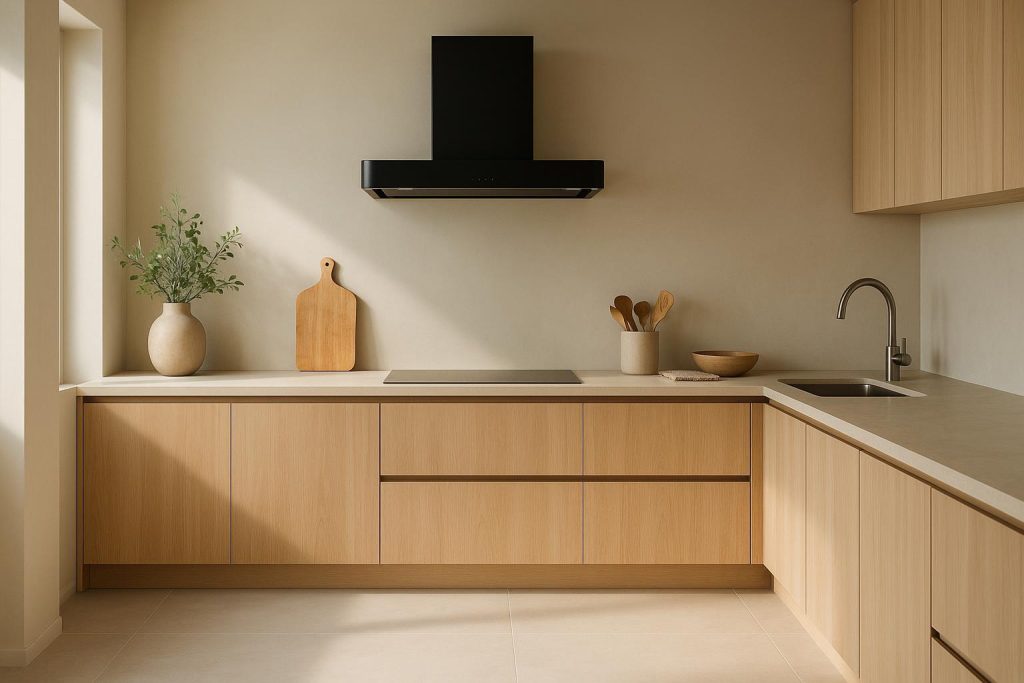
Understanding Extractor Fans That Don’t Require External Venting
When renovating or upgrading a kitchen or bathroom, homeowners often ask: “Is there an extractor fan that does not require venting outside?” The answer is yes—in many cases, a recirculating or ductless extractor fan can work effectively to improve air quality and control moisture without an external vent. Below, we’ll explore how these systems function, what to consider before choosing one, and some tips on integrating them smoothly into a renovation project so you can fully enjoy a cleaner, fresher space.
What Is a Recirculating (Ductless) Extractor Fan?
A recirculating extractor fan, also known as a ductless or ventless range hood or bathroom fan, is a system designed to draw in air from the surroundings and filter odors, smoke, or airborne grease before recirculating the cleaned air back into the room. Instead of venting directly outdoors through a duct, these fans rely on specialized filters—often activated charcoal, carbon, or similar materials—to remove impurities. This approach can be advantageous for homeowners who either do not have the external wall access for a full duct install, or prefer not to run a bulky vent system. Additionally, these systems are commonly used in multifamily buildings or older homes with limited ductwork options. If your renovation space lacks easy exterior access for venting, a recirculating design may be the perfect fit.
How Do Ductless Extractor Fans Work?
Unlike a vented system that channels air directly outside, ductless hoods or fans draw in the surrounding air. That air then passes through a series of filters. Here’s the typical process:
- Initial Air Intake: The fan captures grease, smoke, and steam from cooking (for a kitchen fan) or draws in warm, moist air (in a bathroom setting).
- Primary Grease Filter: This first filter layer removes grease and other larger particles that might otherwise clog the unit.
- Carbon/Charcoal Filter: Next, the air flows through activated carbon or charcoal filters to help neutralize odors, smoke residue, and other impurities.
- Air Recirculation: Finally, the cleaned air returns into the room. This process can help reduce unwanted smells and improve air quality, albeit not to the same degree as fully vented systems.
This dual-filter mechanism makes recirculating exhaust fans a genuinely helpful alternative if installing or extending ductwork is simply not possible or not ideal for your renovation.
Pros of Using a Recirculating Extractor Fan
While many homeowners consider external venting as the gold standard, ductless systems come with several unique benefits:
- Flexible Installation: With no need for outside venting, ductless fans can be installed in condos, interior rooms, or other spaces where external ductwork isn’t an option.
- Cost-Effective Setup: Skipping the process of opening walls or making new ducts can significantly reduce labor and material expenses. This is particularly vital for smaller renovation budgets.
- Useful for Short-Term Solutions: If you’re renting or planning a more extensive renovation later, a ductless fan can be a temporary solution to maintain good air quality.
- Helps Minimize Smells and Particles: Properly maintained recirculating units can effectively reduce cooking odors, smoke, and some airborne particles.
These advantages can be especially appealing if you’re upgrading on a budget or dealing with layout constraints. However, weighing the benefits against potential drawbacks helps ensure that a ductless model serves your unique space well.
Potential Drawbacks of a Ductless Setup
There are a few considerations to keep in mind before you settle on a ductless fan:
- Less Effective at Removing Heat and Moisture: While charcoal filters capture some odors and grease, ventless fans typically don’t remove heat and moisture as efficiently as external venting. In kitchens, this can contribute to lingering steam or warmer indoor temperatures after cooking. Bathrooms, meanwhile, may need additional ventilation measures to curb excess humidity.
- Frequent Filter Replacements: Carbon filters lose effectiveness and must be replaced according to the manufacturer’s guidelines—often every three to six months, depending on usage. This can be an ongoing maintenance cost.
- Possible Lower Performance: Recirculating hoods will manage many cooking odors, but they may not fully eliminate strong smells like fried foods or heavily spiced dishes.
- More Recirculation, Less Extraction: Whereas a ducted system expels pollutants entirely outdoors, a ductless fan continually recycles air within the same environment. While it’s improved by filters, some contaminants can remain in the air if the filters are not replaced or cleaned regularly.
Despite these factors, a recirculating fan is an excellent fit for homes lacking external ventilation capabilities or requiring simpler installation. Understanding the limitations and maintenance needs can help you determine if a ductless model is right for you.
Best Practices for Maintaining a Ductless Extractor Fan
Ensuring that your recirculating exhaust system remains functional over time mainly involves filter care and regular cleaning. Here are a few best practices:
- Clean or Replace Filters Frequently: Grease filters are often reusable if you wash them thoroughly. Carbon filters, on the other hand, typically need to be replaced on schedule. Neglecting filter maintenance can severely reduce the fan’s effectiveness.
- Wipe Down Interior Surfaces: Residual grease and grime can accumulate in the housing. Give the unit a periodic wipe-down—just be sure to follow your fan’s recommended safety procedures first.
- Over-the-Stove Guidelines: If using a ductless range hood, turn it on before you start cooking and leave it running for a short period after you’re done. This routine helps capture more airborne particles and odors, improving your indoor air quality.
- Monitor Your Usage: Homes that produce heavy cooking smoke or strong-smelling meals may require more frequent filter changes. Keep an eye on any noticeable changes in air quality.
These tips work to keep your kitchen or bathroom environment fresher, helping you enjoy the convenience of a ductless system year-round. If you feel that the upkeep is too frequent for your lifestyle, you might consider partial ducting options or installing alternative ventilation methods.
Comparing Ductless Fans vs. Traditional Vented Systems
To decide between a recirculating fan or a traditional vented system, homeowners typically evaluate variables such as layout, budget, and personal preference. Here’s a closer look at how each approach measures up:
- Air Quality: A vented system expels odors and particles directly outdoors, which often means less indoor recirculation. Yet, if space constraints prohibit venting, a ductless model outfitted with fresh carbon filters can still significantly reduce airborne contaminants.
- Moisture Management: Vented fans excel at removing moisture from steam or general humidity—an important concern in bathrooms and around busy kitchen stovetops. A ductless fan may limit how much humidity leaves the room, so consider that if you live in a naturally damp climate.
- Installation Complexity: Vented solutions typically require an external vent route, which may demand drilling through exterior walls or routing ducting through multiple rooms or cabinetry. Ductless fans skip these steps, making them easier and often cheaper to install.
- Ongoing Maintenance: Vented fans need occasional cleaning or filter replacement (depending on the model), but ductless systems are more reliant on regularly swapped-out filters. If you’re comfortable changing filters and performing minor maintenance, then this might be a minimal drawback.
Your choice truly depends on your home’s existing infrastructure and your personal preferences. When done correctly, both ductless and vented methods can deliver satisfying results for different budgets and needs.
Integrating a Ventless Fan Into a Renovation
If you’re planning a renovation—especially in the kitchen or bathroom—installing a ductless fan can be straightforward. Consider these points for a seamless integration:
- Design Coordination: Work closely with your renovation contractor or design team on hood placement. Placing it directly over your cooking range—while allowing enough clearance—ensures optimal particle capture.
- Choose the Right Size: Opt for a fan whose width matches (or slightly exceeds) that of your stovetop. You’ll also want a fan with a high enough cubic feet per minute (CFM) capacity to meet your needs.
- Address Adequate Lighting: Many ductless fans come with built-in lights, a helpful feature when cooking. Confirm that the lighting suits your favorite cooking spots or bathroom setups.
- Plan for Filter Accessibility: Once installed, you’ll need easy access to the filters to clean or replace them. Confirm that your layout lets you remove filters without difficulty.
Coordinating these details during the early stages of your renovation can save time and money down the line. It also ensures that your new fan blends cohesively with other design elements—like cabinets, backsplash, or tilework—making for a polished end result.
Ensuring Good Air Quality Overall
A ductless extractor fan helps reduce indoor air pollutants, but it’s wise to embrace a holistic approach to keeping your home fresh and comfortable:
- Pay attention to your home’s general ventilation—open windows whenever possible to promote cross-breezes.
- Use exhaust fans in bathrooms to remove excess moisture (you can also look for recirculating options). Proper ventilation is key to releasing humidity and preventing mold growth.
- If you’re cooking a significant amount, consider turning on the fan early and letting it run a few minutes after you’re done cooking.
- Keep up with routine HVAC maintenance, including changing furnace or air-conditioner filters on schedule.
These easy steps, combined with a well-maintained recirculating fan, can go a long way toward preserving a comfortable, free-flowing environment throughout the home.
Why a Ventless Fan Might Be Perfect for Your Renovation
While external venting is often considered the best option for capturing smoke, steam, and odors, it isn’t always feasible—especially if you live in a unit without direct access to outside walls or simply don’t wish to install complicated ductwork. Perhaps your primary concern is cutting down on strong cooking smells, or you want to keep your budget in check without sacrificing airflow in your home. A ductless model’s flexibility and cost advantages become quite appealing under these circumstances.
In many renovation projects, especially in older homes, structural limitations can make it difficult or overly expensive to install a new vent. Instead, a well-planned ductless system can achieve a remarkable level of air purification with manageable upkeep requirements. If you’re unsure about the best approach, consider consulting a trusted renovation contractor who can evaluate whether ductless is appropriate for your home’s design.
Conclusion
Yes, there are extractor fans that don’t require outside venting—and while they aren’t always the perfect substitute for a fully vented system, recirculating range hoods or bathroom exhaust fans can keep your indoor air fresh enough for many day-to-day activities. By following a consistent maintenance routine, choosing the right fan model, and ensuring it’s properly integrated into your renovation, you can enjoy a cleaner living environment without the hassle of large-scale ductwork installations.
If you’re preparing for a home renovation and wondering how to balance design, functionality, and indoor comfort, exploring ventilation options can be a smart first step. Whether you’re drawn to the flexibility of a ductless solution or want to weigh the pros and cons of other systems, proper ventilation plays a major role in the final outcome of your remodel. In many cases, a ductless extractor fan checks all the right boxes—especially when your space or budget puts constraints on installing an external vent.
Ultimately, the choice comes down to your home’s unique layout, your preferences on long-term upkeep, and the overall goals you have for your remodeled space. Keep the above considerations in mind, and be sure to seek professional advice if you have any doubts; that way, you’ll achieve the fresh, welcoming environment you’ve envisioned without the extra complexity of a full venting system. Feel free to explore every avenue, and you may just discover that a ductless fan is the perfect fit for your dream renovation.
Need more ideas on how to enhance your home? Visit our Home page or consult with a renovation expert to discuss how ventilation fits into your larger design plan!