
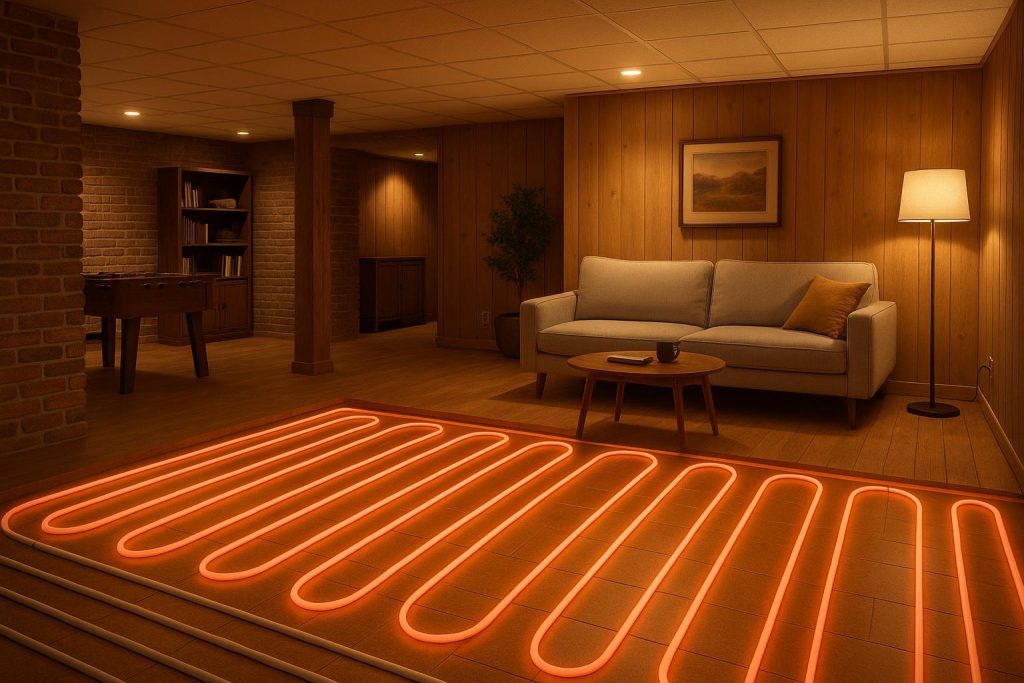
Exploring the Value of Radiant Floor Heating for Basements
Basements have a reputation for being chilly, underutilized, and oftentimes just plain unwelcoming. Many homeowners who invest in a basement remodel face the issue of creating an environment that is both comfortable and functional year-round. Radiant floor heating offers an elegant solution, providing a steady source of warmth that rises from beneath your feet. If you are considering giving your basement a complete upgrade, learning more about how radiant floor heating works, its benefits, and the factors you need to consider before installing it can help you make an educated decision. Below, we explore why radiant floor heating may be a worthy investment for basements, how it compares to traditional heating methods, and what homeowners should keep in mind when adding this feature to their remodeling plans.
Why Basements Are Often Cooler
Before diving into the specifics of radiant heating, it helps to understand why basements tend to be cooler than other parts of the home in the first place. Because they are below ground level, basements are surrounded by soil, which naturally keeps temperatures lower. Moisture and humidity issues can also be more prevalent below grade, causing a clammier atmosphere that can exacerbate the feeling of cold. In older homes, the basement walls might be poorly insulated and prone to heat loss. As a result, the basement can be significantly colder, even when the rest of the home is comfortable.
In many residential setups, when central heating is turned on, forced air or baseboard radiators push warmth through the upper floors first. Because hot air rises, lower levels like the basement often receive less heat. This can create uneven temperatures throughout the home, forcing people to rely on supplemental space heaters or to simply avoid the basement during colder months. Radiant floor heating addresses this concern by literally placing the heat source at the lowest point in the room and letting warmth rise steadily and evenly.
How Radiant Floor Heating Works
Radiant floor heating operates by running hot water through tubes or, in some systems, electric heating cables, installed beneath the flooring material. This setup allows thermal energy to emanate upward, warming not just the floor but the entire living area above it. Because the heat is spread uniformly across the floor surface, you rarely encounter cold spots. Furthermore, the elimination of noisy vents or constant air movement creates a calmer, quieter environment—ideal for a basement that you might use as a home office, entertainment room, or even a private guest suite.
There are generally two main types of radiant systems: hydronic and electric. Hydronic systems use water heated by a boiler or water heater and circulated through a network of high-quality tubes. Electric systems use specialized cables that generate heat when powered. While electric systems can be simpler to install in smaller areas, hydronic systems often have lower operating costs for extensive square footage, making them a popular choice for entire floor levels. Whichever system you choose, the result is the same: a gentle, enveloping warmth that transforms a drafty basement into a cozy retreat.
Benefits of Adding Radiant Floor Heating
1. Enhanced Comfort: The most immediate benefit is the boost in comfort—no more stepping onto frigid floors in the morning or layering up with multiple socks just to enjoy time downstairs. Many families find they spend more time in their basement once it feels consistently warm and inviting.
2. Energy Efficiency: Traditional heating methods can sometimes waste energy by blowing excessive warm air into rooms, much of which rises and dissipates before making the lower level feel truly comfortable. Radiant heating localizes warmth at ground level, which often means you can set your thermostat slightly lower while still feeling snug. Over time, this efficient approach may help lower utility bills, contributing to a positive return on investment.
3. Quiet Operation: Forced-air systems can generate background noise from blowing air or from the furnace kicking on and off. With radiant floors, there are no moving parts or fans constantly circulating air, resulting in near-silent operation—a perk that is especially beneficial if you plan to use the basement as a media room or quiet workspace.
4. Space-Saving Design: Most radiant floor heating components—including pipes or cables—reside under the flooring. You won’t need bulky radiators or ductwork eating into your basement’s potential living or storage space. This minimalist design approach helps you create a more open and uncluttered layout.
5. Potential Increase in Home Value: An updated basement with a modern heating solution can enhance the property’s overall appeal to future buyers. Although the upfront installation cost is higher, potential energy savings and perceived luxury can make the basement feel more upscale. Prospective homebuyers often appreciate additional living space that is as cozy and functional as the upper floors, and radiant floor heating is a premium feature that can set your property apart.
Installation Considerations
Despite the advantages, there are important factors to consider before integrating radiant floor heating into your basement renovation:
- Flooring Thickness and Material: Dense flooring materials like tile or certain types of concrete are excellent conductors of heat and can be ideal for a radiant system. Carpet and thick underpadding may insulate too much, reducing heat transfer. If you’re curious about which flooring types best handle moisture and heat, you may find our FAQ on What is the best type of flooring for a damp basement? particularly helpful.
- Subfloor Prep: Ensuring that your basement floor is level, clean, and free of significant cracks is crucial for an effective, long-lasting system. Hydronic tubing or electric cables will need to be carefully embedded, so any structural concerns should be addressed beforehand.
- Insulation: Installing the right type of insulation beneath and around the heating elements can reduce heat loss. Investing in high-quality insulation also helps prevent seepage of moisture from the surrounding soil. If you’re new to basement remodeling, it may be useful to consider details like water intrusion and insulation strategies, outlined in our FAQ on Should I waterproof my basement before installing new flooring?
- Moisture Barrier and Waterproofing: If your basement is prone to humidity or leaks, it’s best to address that problem first. Radiant systems operate most efficiently in a controlled space, so sealing up potential water entry points is a critical step to ensure the longevity of both the flooring and the heating components.
- Professional Installation: Although some ambitious do-it-yourselfers may be tempted to install certain electric systems, hiring a contractor experienced with radiant heating can help you avoid or minimize costly mistakes. A professional will ensure that local codes are met and that the system is integrated smoothly with any existing or upgraded HVAC components.
Long-Term Value and Return on Investment
Most homeowners worry about whether the high installation cost is ultimately worthwhile. The return on investment can manifest in different ways. First, the aforementioned energy savings can contribute to reduced heating bills over time. Second, added value to the property can help justify the upfront expense if you plan to eventually sell your home. While these aspects of value may not be realized in the short term, many homeowners find that the improved comfort and functionality of the basement is, in and of itself, enough compensation.
Keep in mind that the more you use your basement—as a home theater, spare living area, or office—the more beneficial a radiant heating system becomes. If you rarely venture downstairs or if you only use your basement for storage, you might not recoup the same kind of investment. If, however, your remodeling plan includes turning the space into a high-traffic, livable extension of your home, this type of heating system can make all the difference in daily enjoyment.
Addressing Moisture and Air Quality Concerns
A well-designed radiant floor heating setup can help reduce dampness and musty odors by keeping the floors at a stable, warm temperature. This can deter the growth of mildew and mold, which thrive in cooler, humid environments. Nonetheless, it’s not a magic bullet for basement issues. In especially damp or older basements, a dedicated dehumidifier might still be necessary. If you’re battling musty smells or want to ensure a fresh environment, you may want to consult our FAQ on How can I remove musty odors from a renovated basement? for practical guidance.
Additionally, radiant heat does not circulate air, which is a boon for people worried about allergens swirling through the space. Still, you’ll want to make sure that overall air quality is maintained by proper ventilation, an efficient dehumidifier, or other methods that address typical basement concerns such as moisture buildup and stagnant airflow.
Installation Process and Timeline
Installing a radiant floor heating system in your basement is more involved than simply laying down new carpet. The process typically includes removing any existing flooring, addressing subfloor issues, placing the pipes or cables, encasing them in a thin layer of cement or a specialized flooring underlayment, and then installing the final floor covering. Coordination with plumbers, electricians, and possibly an HVAC professional may be required, depending on the complexity of your existing setup.
Every project is different, but you should expect the installation process to take a bit longer than a basic new flooring job. The added steps of setting up hydronic or electric systems, along with ensuring optimal insulation and waterproofing, can be time-consuming. However, the comfort-enhancing payoffs often outweigh the extended timeline. For a broader picture of how long different aspects of a basement renovation may take, you might find our FAQ on How long does a typical basement renovation take? helpful.
Are Eco-Friendly Options Available?
If your renovation strategy includes a focus on sustainability, you might be pleased to learn that radiant floor heating can be compatible with a variety of environmentally friendly materials. For instance, you can pair a hydronic system with high-efficiency boilers or even tie it into renewable energy sources like solar thermal, if feasible. As for flooring options, choosing materials such as bamboo or sustainably sourced wood can further boost your home’s eco-credentials. To learn more about green choices for your basement build, you can browse our FAQ on Are eco-friendly materials an option for my basement reno?
Beyond that, radiant floor heating often uses less energy overall than forced-air systems, because it achieves similar comfort levels at a lower thermostat setting. This keeps your carbon footprint smaller while still delivering consistent warmth.
How Radiant Floor Heating Compares to Other Heating Methods
Basement heating methods often include baseboard heaters, forced-air vents, space heaters, or even simple radiant panels on the walls. In comparison, a radiant in-floor system tends to be more efficient at distributing heat evenly. Baseboard units can make the perimeter of the room toasty but may leave the center cooler. Forced-air vents are excellent at quickly warming up a space but might not maintain the temperature as steadily and can stir up dust. Space heaters can provide targeted warmth but are not ideal for large, open areas.
Although the initial installation cost of radiant floors is usually higher, many homeowners believe the long-term comfort and potential energy savings are worth it. Choosing the right system for your particular space depends on your budget, usage, and the structural specifics of your basement.
Making Your Basement a True Extension of Your Home
Whether you plan to build a new home office, set up a guest suite, or simply want a cozy family space in the basement, radiant floor heating can make the difference between a comfortable daily retreat and a room that sits unused for half the year. Combined with good insulation and proper moisture management, this improvement effectively ties the feel of your basement to the rest of your home. Instead of transitioning from a warm living room upstairs to a cold, uninviting basement, you can enjoy a consistent ambiance throughout your property.
If your ultimate goal is to use the basement as an integral part of your home, then creating an environment that mirrors the comfort of above-ground floors is essential. Radiant heating delivers the consistent warmth that many homeowners desire, ensuring that the basement becomes a natural extension of your home’s main living areas.
Final Thoughts
Deciding whether radiant floor heating is a good investment for your basement depends on multiple factors, including your budget, the purpose of the space, and the existing conditions of the basement itself. However, for many homeowners, the prospect of quiet, evenly distributed heat, energy efficiency, and increased property value makes it an appealing choice. The upfront expense may be offset by long-term satisfaction, utility savings, and the pleasure of spending time in a cozy, inviting lower level.
To explore more about how a well-designed basement renovation can transform your living space, feel free to visit our Home page, where you can find additional tips and insights. Whether you are building a home gym, an entertainment spot, or simply trying to solve the perpetual problem of a cold basement, radiant floor heating may be the solution you’ve been seeking. Its blend of comfort, efficiency, and modern flair can truly elevate your basement from a mere storage area to one of your home’s most welcoming and functional spaces.