
In what order should you do renovations?

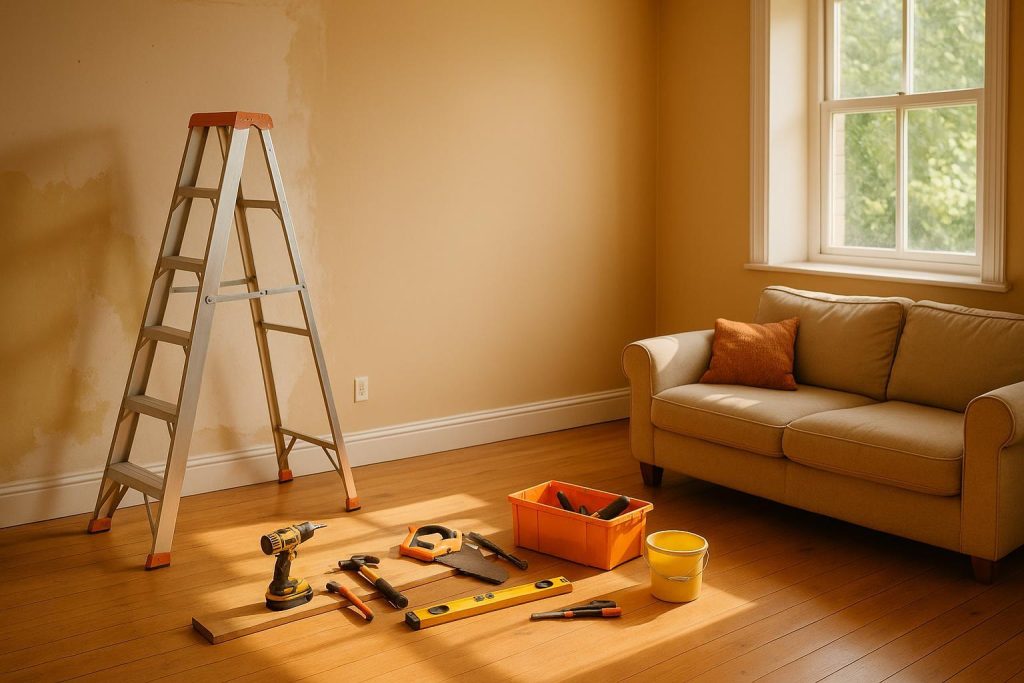
Contractor working on a partially renovated home interior.

Planning the Right Order for Your Home Renovations

One of the most common questions homeowners ask a contractor is: “In what order should renovations be completed?” While every project is unique, there is a generally recommended sequence that helps streamline the process and avoid costly complications. Planning at the outset is key, because a well-organized approach can save you time, manage your budget effectively, and ensure the finished result meets—or even exceeds—your expectations.

The first step is to establish a detailed plan, including designs and any necessary permits. At this stage, it can be beneficial to partner with professionals who can help you finalize the layout and choose materials, such as flooring, fixtures, and finishes. For projects in Edmonton or surrounding communities, an in-house design team can create 3D renderings and precise plans that depict your space’s transformation before any construction starts.

Once you have a solid plan, demolition and any required structural work usually comes next. This includes removing old materials, adjusting load-bearing walls, and repairing or reinforcing the foundation or framing. Next, contractors typically proceed with rough-ins (electrical, plumbing, and HVAC). Completing rough-ins prior to installing insulation and drywall ensures that all core components are safely and efficiently integrated behind the walls.

After the rough-ins are in place, insulation and drywall go up. Then, surfaces are prepped for painting, which often serves as an exciting milestone—bringing you closer to a finished look. Flooring installation and cabinetry typically come next, followed by trim work, lighting fixtures, and other finishing touches like backsplashes or decorative details. Ensuring each task follows this logical pattern minimizes backtracking and the need to redo work.

By following this sequence, homeowners can create a smooth renovation experience. If you would like more insights into how these steps might apply to your own project, consider scheduling a professional consultation. You can always explore more resources on our Home page to learn about planning, budgeting, and the many exciting possibilities available through a structured renovation process.

Related FAQs

Understanding the Best Insulation Options When homeowners ask, “What is the best type of insulation to have?” the answer often depends on factors like climate, budget, and the specific needs of a home. Whether you are building a new addition or re-insulating an existing space, the primary goal is to regulate indoor temperatures, save on […]

Cost-Effective Strategies for Wall Insulation When you want to keep your home comfortable without breaking the bank, exploring the cheapest ways to insulate your walls is a practical first step. One of the most budget-friendly insulation methods is using fiberglass batts. These batts are relatively easy to install between wall studs, making them a popular […]

Managing Rodent Infestations in Insulation Rodents can indeed infest insulation, especially when a home has small gaps, cracks, or deteriorated materials that allow easy entry. Once inside, mice and rats often use insulation as a nesting site because it provides warmth, security, and a place to hide from predators. Infestations may develop slowly over time, […]

Enhancing Crawl Space Insulation for Greater Comfort and Efficiency If youu2019re wondering what type of insulation is best for a small crawl space, youu2019re not alone. Many homeowners are eager to improve indoor comfort, reduce energy bills, and protect against moisture issues, but theyu2019re unsure how to select a suitable insulation solution for a tight […]

Insulating a Crawl Space for Better Energy Efficiency When it comes to home comfort and maintaining lower energy bills, installing insulation in your crawl space can make a significant difference. Whether you have an older home with an uninsulated crawl space or you are looking to upgrade your current insulation, the benefits often outweigh the […]

Why Crawl Space Insulation Matters for Home Comfort Will insulating your crawl space make your house warmer? The short answer is yes. A well-insulated crawl space can significantly reduce heat loss and help maintain a more consistent temperature throughout your home, particularly during the chilly seasons. By creating a protective barrier against outdoor air, insulation […]