
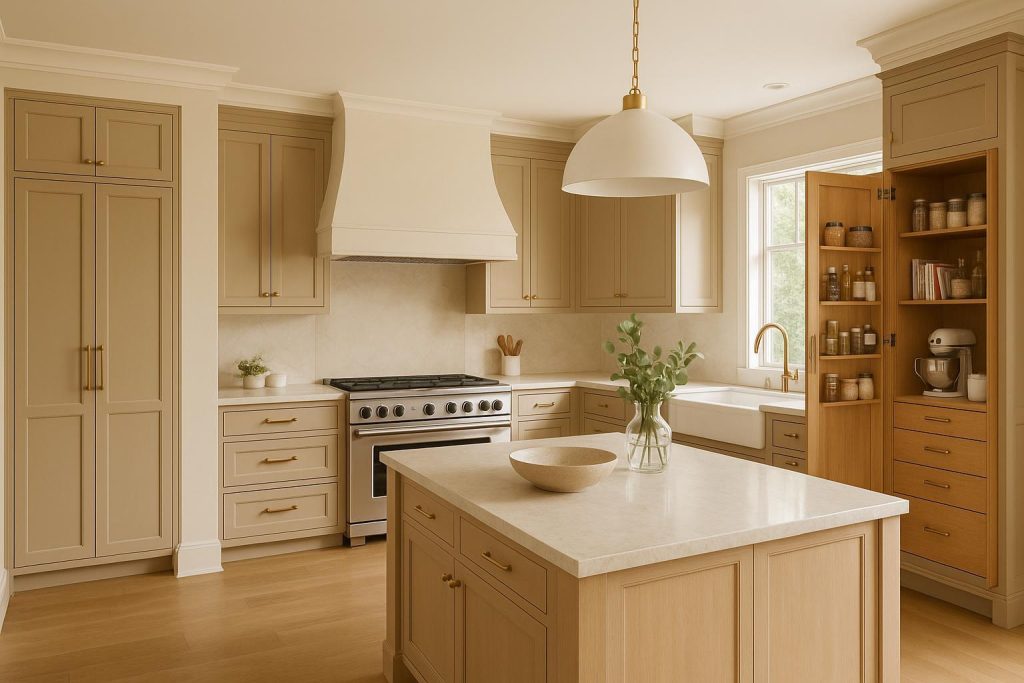
Maximizing Storage in Your Modern Kitchen
Crafting a kitchen that offers ample storage can feel like a daunting task, especially when you consider how many different items need to fit within your cabinetry and drawers. From large pots and pans to delicate glassware and everyday utensils, each piece calls for thoughtful placement. By integrating versatile shelving options, using practical organizers, and making the most of awkward spaces, you can transform your modern kitchen into a clutter-free, highly functional area. In this guide, we will explore strategies that go beyond mere tidiness, helping you shape a culinary environment that suits your individual lifestyle, cooking habits, and design preferences. Whether you have a modest apartment galley kitchen or a sprawling open-concept layout, the tips offered here are designed to help you create a harmonious blend of style and convenience.
1. Start by Evaluating Your Daily Routines
Before you begin purchasing new cabinets or rearranging storage solutions, it makes sense to first reflect on your daily kitchen routines. Ask yourself questions such as: What do I cook the most? Which tools, gadgets, or utensils do I use constantly? Which items spend most of their time collecting dust? By defining your kitchen activities up front, you can map out the most effective storage plan to support your day-to-day habits.
For instance, if you are a coffee lover, it may be logical to dedicate an easily accessible corner to your coffee maker and mugs. On the other hand, if you seldom bake, then bulky stand mixers and baking trays can be stowed away in a less frequented area. Understanding these usage patterns allows you to prioritize accessible cabinet and drawer space for the items you rely on most.
2. Going Vertical: Tall Cabinets and Extended Shelving
One of the most efficient ways to increase storage capacity in a kitchen is to take advantage of vertical space. Adding or upgrading to tall cabinets that reach up to the ceiling can provide more room for stashing less frequently used items, such as seasonal bakeware or holiday-themed dishes. This approach not only reserves your lower cabinetry for everyday essentials, but also makes use of those high-up areas that often remain empty.
Within these tall cabinets, consider adjustable shelves that can be raised or lowered to accommodate changing storage needs. Most people discover that their height requirements for items shift over time, from large serving dishes during festive holidays to everyday plates and bowls. With adjustable shelving, you can easily adapt as your kitchenware evolves. Furthermore, you can use the top shelves for storing specialized cookware or excess pantry items, freeing up the rest of your kitchen for the items you use on a regular basis.
Wall-mounted racks and rails can also play a significant role in going vertical. By placing hooks on the underside of cabinets or on walls, you can hang utensils, mugs, or even pots and pans to declutter countertops and drawers. This is especially handy for kitchens with limited floor space, as the wall becomes a convenient surface for stowing items you need quick access to.
3. Making the Most of Corners
Corner cabinets are notorious for being tough to access, often leaving valuable storage space underutilized. Fortunately, modern solutions such as rotating carousels, pull-out corner drawers, or “lazy susans” can turn these dark nooks into functional areas. These rotating installations allow you to see and reach all your items without digging through layers of pots or pantry goods.
When deciding how best to leverage your corner space, think about which items you don’t need to grab every day but still want within arm’s reach. Stock the carousel with mixing bowls, extra measuring cups, or other items you might use weekly. Many homeowners find that corner pull-outs and rotating organizers eliminate the frustration that comes from blindly searching for things in the back of a traditional cabinet.
4. Optimizing Drawers and Pull-Out Shelves
Deep drawers are often underappreciated as prime storage real estate. By equipping them with multi-tiered organizers and dividers, you can tame unruly cookware and keep everything neatly in place. Pans, pots, baking sheets, and lids can be sorted efficiently when drawers are customized to your needs. For example, a lower drawer may have tall dividers for cutting boards, while another drawer might have short compartments for baking utensils.
Pull-out shelves or roll-out trays are another clever way to boost your kitchen’s functionality. Instead of straining to see what’s hiding at the back of a cabinet, simply slide out the shelf to view all your items at once. Pull-out shelves are especially beneficial for pantries, where canned goods and boxes can obscure one another if stacked in multiple rows. By bringing them out into full view, you minimize the risk of buying duplicates or forgetting items that go unused.
5. Specialized Storage for Small Appliances
Small appliances such as blenders, toasters, and food processors can be a source of constant clutter, especially if you have minimal countertop space to spare. One solution is to designate appliance “garages” or specialized compartments beneath the upper cabinets. These hidden storage nooks are equipped with retractable or roll-up doors, allowing you to neatly tuck away your small appliances after use. Doing so not only keeps your prep areas free, but also upholds a sleek, streamlined look.
If your kitchen layout allows for it, you might also consider building a dedicated pantry cabinet that houses all your appliances on pull-out trays. This makes it easy to retrieve and return items. Some homeowners choose to install extra electrical outlets inside larger cabinets or pantry areas as well, making it simple to operate small appliances without cluttering the main countertop. In effect, your kitchen remains organized and visually appealing, even during heavy cooking sessions.
6. Deciding Between Open Shelving and Closed Cabinets
The choice between open shelving and closed cabinetry isn’t just about aesthetics; it also impacts how you store and access your items. Open shelving can make a smaller kitchen feel airy and bright while showcasing your collection of dishes, cookbooks, or decorative pieces. However, if you tend to accumulate many kitchen gadgets, closed cabinets may be better suited for concealing visual clutter and maintaining a more minimalist design. If you’d like to learn more on how to balance these two styles, consider exploring our related FAQ on Should I consider open shelving or closed cabinets for a modern kitchen design?
In many kitchens, a hybrid approach works best: install a few open shelves for decorative or frequently used items, while relying on closed cabinetry to hide away everyday staples, plastic containers, and cooking utensils. In this way, you can showcase some of your favorite pieces without sacrificing the practicality that closed cabinets offer. Whichever route you choose, aim for consistency in finish and color to create a cohesive visual flow.
7. Incorporating a Kitchen Island Layout
If you’re fortunate enough to have the space, a kitchen island can substantially boost your storage options. Islands can be outfitted with lower cabinets, deep drawers, or even built-in shelving. These extra compartments not only relieve pressure from your main cabinetry, but also offer quick access to cookware and utensils while you cook. This is especially helpful for those who host frequent gatherings, where extra surface area and storage become invaluable.
For homeowners interested in discovering more about how an island design can enhance both cooking and entertaining efficiency, we invite you to read our dedicated FAQ on How can an island layout help optimize cooking and entertaining space? Taking advantage of an island gives you a central hub for meal prep, as well as additional seating. This multi-functional element can easily be the focal point of your kitchen.
8. Capitalizing on Smart Technology
Technological innovations have found a place in kitchen organization, allowing for even more streamlined storage solutions. Pull-out shelves with built-in lighting, for example, illuminate hard-to-see corners, making it easier to find the item you need. Some cabinet systems come with motorized units that raise or lower to your preferred height with the touch of a button.
At-home chefs who love convenience can explore features like digital inventory systems, which track pantry items and automatically update grocery lists. If integrating tech into your design piques your interest, you can learn more by checking out our FAQ on How can I incorporate smart technology into a modern kitchen upgrade? Even small touches, like motion-sensor lights that activate when you open a drawer, can transform your daily kitchen activities.
9. Keep Your Countertop Surfaces Clear
When thinking about maximizing storage, also remember the importance of clean and uncluttered countertops. While it might be convenient to keep a toaster, blender, and coffee machine all out in the open, try to limit countertop appliances to the absolute essentials. Stow away any item you use less than once a day. This tactic not only creates the illusion of a larger kitchen, but it also frees up workspace for food prep.
Consider using charming canisters or decorative baskets to corral small items like tea bags, utensils, or produce, if you prefer to keep certain things out in the open. By focusing on aesthetics while also prioritizing function, you create a welcoming and efficient environment. If you have more wide-ranging renovation goals, you might also explore whether swapping your current countertops could improve both the style and workflow in your space. For ideas related to countertop materials, see our FAQ on What are some popular countertop materials for a sleek kitchen look?
10. Think About Cabinet Materials and Finishes
Storage doesn’t just refer to function; a balanced kitchen design also aligns with your aesthetic tastes. One of the first things people notice is the color and finish of your cabinetry. Certain sturdy materials offer maximum storage flexibility, including the ability to install heavier pull-out trays or racks without damaging the cabinet structure. If durability and style are equally important to you, check out our FAQ on Which cabinet and countertop materials offer a sleek yet durable finish?
Of course, mixing different cabinet styles or finishes can add visual interest to your space as well. You might opt to pair natural wood cabinets for your lower storage with crisp, high-gloss finish for your upper cabinets. Curious whether blending different cabinet styles is a viable option? We explore that further in our FAQ on Can you have two different cabinet styles in a kitchen?
11. Integrate Lighting to Showcase Storage
Thoughtful lighting can highlight the best parts of your new storage solutions. For instance, under-cabinet LEDs illuminate countertops, providing better visibility for food prep. Interior cabinet lights can highlight glassware or serveware stored behind glass-front doors. Adequate lighting also minimizes the chance of items hiding in the shadows. If you’re new to kitchen lighting strategies, our FAQ on What is the rule of thumb for kitchen lighting? may offer further insights.
Since many kitchens serve as multi-use rooms—functioning as cooking, dining, and social areas—layered lighting ensures each activity has the perfect amount of brightness. A well-lit kitchen also appears more spacious and organized, boosting the overall ambiance and making it easier to maintain a clean appearance.
12. Consider Smart Upgrades Alongside Storage Improvements
As you plan your kitchen renovation to include better storage, it might be worth looking into incorporating smart home features. Installing a smart faucet or a smart refrigerator, for example, can streamline your daily workflow. Curious about the possibilities? We have an FAQ on Can I incorporate smart home features when upgrading my kitchen? that covers everything from automated lighting to appliance connectivity. These upgrades can boost efficiency while freeing up your time to enjoy other aspects of life.
Additionally, going smart may allow you to better manage energy use. Efficient, connected appliances can be programmed to run at off-peak times, and some feature monitoring tools that inform you of usage patterns. If you’re curious about the financial impact, check out our FAQ on How do energy-efficient appliances impact my kitchen renovation costs? for more details on both short- and long-term budget considerations.
13. Tips for Maintaining an Organized Kitchen
- Schedule Regular Decluttering: Even the best storage solutions won’t stay organized if you never purge items you no longer use. Set aside time every month or two to evaluate your kitchenware.
- Label Your Pantry: Transparent storage bins, along with clear labels, can prevent accidental duplicates and help you quickly spot when you’re low on certain ingredients.
- Group Similar Items: Keep all baking essentials together, gather cooking utensils in a single drawer, and line up spices in a dedicated space. A clear grouping system helps you find exactly what you need, fast.
- Use Drawer Liners: Non-slip liners keep your plates and glassware from shifting around. Beyond preventing damage, this also helps preserve your layout.
- Consider Modular Organizers: Drawer and shelf organizers that can be rearranged as your needs change are a simple way to maintain long-term efficiency.
14. Balancing Functionality and Design
At first glance, adding more storage seems like a purely practical endeavor. But maximizing kitchen storage also has the potential to enhance your home’s aesthetics. Strategic placement of cabinets, shelves, and drawers can establish a cohesive look, with consistent alignment and a unified color scheme. When your cooking space is free of clutter, your counters appear more spacious, and your entire kitchen radiates a fresh, inviting feel.
For instance, if your style leans modern, consider opting for handleless cabinets with sleek lines that blend seamlessly into the walls. If you prefer a more rustic or traditional vibe, open shelving with warm wood accents can be perfect for displaying cherished pieces. In either case, plan for both practicality and beauty: the best kitchens are designed so that each surface and storage area serves an intentional role.
15. Moving Forward with Your Kitchen Renovation
There’s no single formula for the perfect kitchen storage plan—each home has its own unique layout, and each homeowner has distinct needs. Whether you’re simply adding dividers and racks in your existing cabinets or embarking on a full-scale renovation, approach the process by focusing on how your kitchen can serve you and your family best. The ultimate goal is to create a cohesive, comfortable environment where everything you need is always within reach.
If you’re seeking more guidance on designing a custom storage setup or considering a complete kitchen remodel, feel free to explore additional insights on our Home page. Thoughtful storage can change the way you experience your home, granting you peace of mind so you can spend more of your time enjoying cooking, entertaining, or simply relaxing in your well-organized space.
Remember that any renovation investment should align with your long-term vision. By bundling efficient storage with modern design elements, you can enhance not only the functionality of your home but also its overall value. Whether you choose a few impactful changes or dive into a top-to-bottom remodel, careful planning ensures your dream kitchen remains beautiful and functional for years to come.