
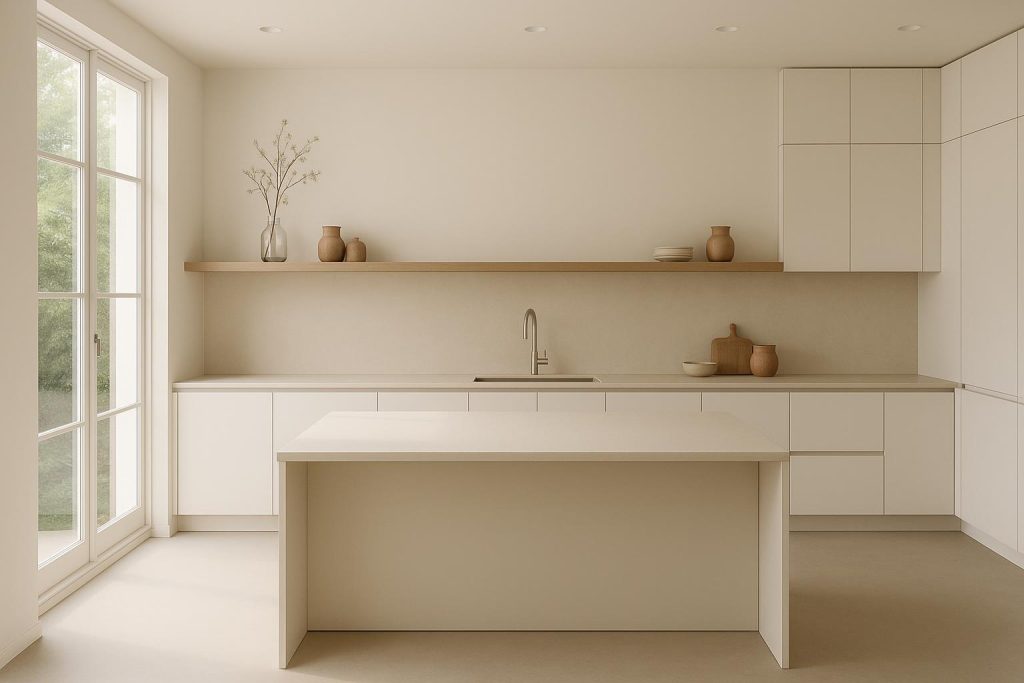
Embracing Minimalism to Maximize Your Kitchen Space
The kitchen is often considered the heart of a home. It’s where meals are prepared, conversations are had, and family moments are shared. But it can also become cluttered and overwhelming if storage and organization aren’t carefully managed. Minimalism is an increasingly popular approach to design that seeks to reduce chaos, promote clarity, and highlight essential functionality. If you’ve ever felt your kitchen is simply ‘too busy,’ adopting a minimalist approach may be exactly what you need to optimize space and create a soothing culinary hub.
Understanding the Core Principles of a Minimalist Kitchen
Minimalism revolves around curating what’s truly necessary and purposeful in your environment while eliminating excess items and superfluous design elements. In kitchen terms, this means freeing countertops of rarely used gadgets, relying on thoughtful storage solutions, and selecting finishes that provide both visual harmony and practicality.
Far from being sterile, minimalist kitchens deliver a sense of calm by using carefully chosen materials, a neutral or softly hued color palette, and understated yet refined décor. This approach is more than just a design trend—it’s an intentional lifestyle choice that entails:
- Reducing clutter: Focusing on items and tools you use daily or weekly and relocating or decluttering what doesn’t serve your routine.
- Highlighting functionality: Ensuring that each aspect of your kitchen—from utensils to appliances—has a clear and practical purpose.
- Creating openness: By removing unnecessary objects, you open up your space not only physically but visually, allowing for a brighter and more inviting atmosphere.
The Benefits of Adopting a Minimalist Kitchen
When you decide to reimagine your kitchen with a clean, uncluttered approach, the benefits extend beyond simple aesthetics. Here are a few practical advantages you’ll likely enjoy:
- Increased Efficiency: If you only keep what you need in your kitchen, it becomes much easier to navigate. Imagine cooking a simple meal without rummaging through drawers overflowing with tools you barely use. Less clutter means you can quickly access the items you rely on most.
- Better Organization: With fewer items to store, it’s simpler to find places for them. Minimalism naturally pairs with well-thought-out storage solutions, leaving your kitchen consistently tidy and making cleanup faster and easier.
- Enhanced Focus on Quality: By paring down kitchenware, you can direct your budget and energy toward investing in a smaller collection of high-quality appliances, cookware, or dishware. This also implies fewer replacements over time and a greater likelihood that each piece will complement the overall design.
- Stress Reduction: There is something undeniably calming about a clean, streamlined kitchen. When you walk into a space free of visual chaos, it can help you feel more relaxed and in control.
- Lower Maintenance: Fewer items on countertops means less time dusting, wiping, and scrubbing. Minimalism concentrates on surfaces that are easy to clean, reducing the long-term investment of time and energy.
Practical Steps to Achieve Minimalism
Embracing a minimalist approach in your kitchen doesn’t require a complete overhaul at once. Instead, consider breaking it down into realistic steps:
- Declutter Thoroughly: Begin by pulling everything out of your cupboards and drawers. Separate items into categories: “Frequently Used,” “Rarely Used,” “Broken or Worn,” and “Duplicate.” Return the must-haves—the items you use daily or weekly—and set aside those broken or rarely used. Donate or recycle duplicates if possible.
- Reassess Your Layout: Once you’ve trimmed down your items, assess how your workstations are arranged. Do you keep cooking utensils near the stove? Are your most-used appliances located conveniently? Optimize the location of your kitchen zones (cooking, cleaning, storage, and food prep) for easy movement and workflow.
- Think Storage First: Clear countertops visually expand the kitchen, so stow away everything that doesn’t need to be out. Small appliances such as blenders, toasters, and coffee makers can go inside cabinets with slide-out shelves. Keep only those essential daily items in sight to maintain an air of spaciousness.
- Opt for Streamlined Surfaces: When selecting cabinetry, hardware, or shelving, choose sleek, minimalist designs. Flat-paneled cabinets, handleless doors, or discreet knobs can all reinforce a lighter, more straightforward ambiance.
- Maintain Balance: Minimalism isn’t about ridding yourself of functional items you love. If you cherish a particular stand mixer or collectible dish set, keep it—but make space for it by letting go of one or two items you don’t really need. This balance ensures you don’t sacrifice personal style for the sake of minimalism.
Design Tips for a Minimalist Aesthetic
While minimalism often brings to mind neutrals and modest fixtures, it does not have to be dull or void of personality. Here’s how to achieve a polished look while retaining just the right amount of character.
- Use a Light Color Palette: Whites, creams, and soft grays help create a bright, airy feel. If you enjoy color, you might opt for a single accent hue—like mint green or navy—to highlight specific elements, but keep the primary space soothing and unified.
- Incorporate Natural Textures: Wooden accents, stone countertops, or simple glass shelving can infuse warmth without cluttering the area. These natural finishes add subtle depth and character.
- Aim for Cohesive Lines: Consider matching the lines of your appliances to the lines of your cabinetry. Fewer competing design elements can help the space feel unified and uncluttered.
- Leverage Natural Light: Maximize your window space if possible, as ample natural light sets off minimalistic design beautifully. Keep window treatments minimal—light blinds or sheer curtains—to maintain that open, airy ambiance.
Optimizing Storage and Organization
Storage is one of the most significant challenges in any kitchen, large or small. When aiming for a minimalist aesthetic, efficient storage solutions allow you to maintain tranquility without sacrificing practicality. Some strategies include:
- Custom Cabinet Interiors: Pull-out racks, rotating corner shelves, and drawer dividers can help make the most of every inch of space. This is particularly useful if your kitchen has a smaller footprint, as nothing goes to waste.
- Vertical Solutions: Make use of your walls by installing shelves or racks for storing spices, cookbooks, or everyday utensils. Vertical storage frees up lower cabinets and counters for other essentials.
- Drawer Organization: By using segmented containers or dividers, you can keep utensils, measuring cups, and gadget attachments orderly. This makes your drawers more enjoyable to open and rummage through.
- Hidden Trash and Recycling: Even the most beautiful kitchens lose some appeal if trash bins are on full display. Consider installing bins behind cabinet doors or in pull-out drawers so they stay out of sight.
Maintaining Your Minimalist Kitchen Over Time
A minimalist kitchen requires ongoing maintenance to preserve that sense of openness and calm. Here are a few strategies to help you keep your space in check:
- Regular Reviews: Periodically revisit your kitchen items and decide if they still serve a purpose. If you purchased a new blender, do you still need the old one? Are there expired pantry items taking up space? Keeping tabs on your inventory ensures you don’t succumb to clutter creep.
- One-In-One-Out Rule: An easy way to maintain minimalism is to adopt a policy of “one in, one out.” If you buy a new set of plates or pan, pass along or donate an equivalent item you no longer need.
- Daily Cleanup Routine: Even though your kitchen is minimal, it can accumulate day-to-day mess. Build a habit of wiping down counters, tidying chatting areas, and putting away each item once you’ve finished using it.
- Mindful Purchases: When you’re tempted to buy new kitchen gadgets or décor, ask yourself: Do I truly need this? Will it add to my space in a meaningful way? Being selective about your purchases goes a long way in sustaining a minimalist environment.
Personalizing Your Minimalist Kitchen
Although minimalism emphasizes fewer items and less visual noise, it doesn’t mean your kitchen can’t reflect your personality and accommodate your lifestyle. Perhaps you love cooking elaborate meals and want an easy way to access your spice collection. You might choose an attractive spice rack with uniform containers to keep it looking streamlined. Likewise, add a single statement piece of art or hang a functional yet decorative light fixture over an island to lend a personalized touch.
Personalizing minimally also involves focusing on quality items that resonate with your tastes. If you appreciate a certain type of dishware, let that set become an eye-catching element by storing it on open shelving. In essence, the items you do choose to display or use regularly become part of your design story.
Minimalism and Renovations: Taking the Next Step
Sometimes, even with decluttering and reorganization, your kitchen’s current layout or outdated features may limit how far you can go with a minimalist transformation. If you find yourself longing for a more significant change—such as updated cabinetry, improved lighting, or a more open concept—consulting a renovation specialist can help you craft a truly custom kitchen solution.
Professional renovators can work closely with you to create a coherent design that supports a minimalist way of life. From selecting durable, low-maintenance materials to recommending innovative cabinet layouts that optimize space, they can turn your vision of a clean, spacious kitchen into reality. Minimalism doesn’t have to be dull or stark; skilled designers know how to balance harmony, function, and subtle artistic touches that result in a welcoming space.
When Professional Help Makes Sense
If you live in an older home and have a less efficient kitchen layout—small rooms, poor lighting, or outdated storage—contacting a renovation team might be a worthwhile investment. For those in the Edmonton area, working with experts who offer in-house design capabilities can ensure your new kitchen blends seamlessly with the rest of your home. You’ll receive practical layout suggestions, material recommendations, and even 3D renderings so you can envision how your minimalist kitchen will look upon completion.
When simplistic elegance meets functional design, the possible outcomes are endless. Whether you’re considering an expansive remodel or simply want to use your current space more effectively, a minimalist approach to kitchen design can truly elevate your day-to-day living experience.
For more insights on creating a functional yet stylish kitchen, you can also explore resources and ideas on our Home page, where you’ll find inspiration and tips for bringing your vision to life. A streamlined, clutter-free, and visually soothing kitchen is within reach—one thoughtful decision at a time.