
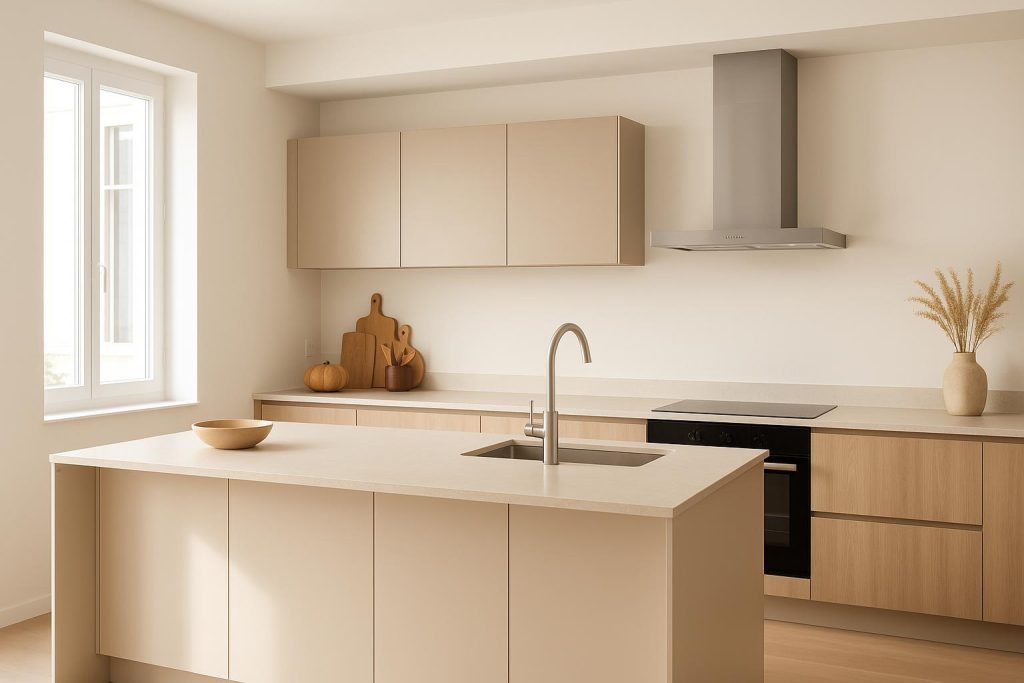
Understanding the Ins and Outs of Range Hoods and Ducting
When you think of improving your home kitchen, one of the first areas to consider is the range hood. Although it might seem like a secondary concern compared to cabinetry or countertops, your choice of range hood can significantly affect indoor air quality, comfort, and the overall functionality of your kitchen. A key question is whether a range hood needs to be ducted, meaning it sends air to the outside, or if a ductless model is adequate. The short answer is that a ducted range hood is often the ideal choice if you want maximum ventilation performance. However, there can be reasons to choose a ductless range hood in certain situations. In this guide, we’ll break down everything you need to know about ducted vs. ductless range hoods, what each type offers, and how you can make an informed decision for your home. From reasons to go ducted to practical considerations for your house layout, you’ll find all the essential details here.
Why Ventilation Matters in the Kitchen
Tackling kitchen ventilation is not just about eliminating cooking odors—it’s about keeping your living space comfortable and safe. When cooking, steam, smoke, and airborne grease can quickly build up, leading to poor air quality and potentially leaving sticky residues on surfaces. Over time, lingering grease and humidity can also contribute to mold growth, paint discoloration, and accumulated grime on your walls and cabinets. Proper ventilation helps mitigate these issues. While opening a window can help disperse some odors, it does not effectively capture smoke or grease particles. A range hood—particularly a ducted one—removes these contaminants right at the source, pulling them out of your home altogether.
What Is a Ducted Range Hood?
A ducted range hood, sometimes referred to as a vented range hood, connects through ductwork that runs either through the wall or the ceiling to the outside. When the hood is switched on, it draws in air laden with grease, moisture, smoke, and cooking smells. This air is then vented outdoors, effectively removing those particles from your home. Here are some key features and benefits:
- Superior Ventilation: By pumping air outside, ducted range hoods typically provide better air circulation than ductless models. They trap and remove a greater volume of air pollutants, making them highly efficient.
- Reduced Humidity: Moisture from cooking, such as steam from pots or boiling water, is pulled out of the kitchen. Lower humidity helps prevent mold growth and keeps windows from fogging.
- Less Persistent Odor: Because the air is entirely expelled, the likelihood of lingering food smells is much lower.
- Quieter Operation: In many cases, ducted hoods can be quieter, particularly if their motors are vented through well-designed ducts and placed optimally.
What Is a Ductless Range Hood?
Rather than venting air outdoors, ductless range hoods—often called recirculating hoods—draw the air through a set of filters and recirculate it back into the kitchen. These filters typically include charcoal or carbon to help absorb odors and a grease filter to capture particles. While ductless hoods can be suitable in certain situations, such as in apartments or homes where installing new ductwork is prohibitively expensive, there are a few considerations:
- Frequent Filter Changes: Because these hoods rely on filters to capture impurities, you must replace or clean them more frequently to maintain air quality and keep the system functioning effectively.
- Less Moisture Removal: Recirculating hoods do not remove humidity. The wet air is simply filtered and sent back into the room. Over time, persistent humidity can lead to mold and mildew issues if the space is not well-ventilated in other ways.
- Limitations on Smoke and Steam: While a ductless hood can reduce some smoke, grease, and odors, it is less efficient than a ducted system. If you cook frequently with high heat, a ductless hood may not meet your needs.
Which Option Is Best?
Generally, a ducted range hood is considered the gold standard because it effectively whisks airborne contaminants out of your home. If you have the choice, a properly installed ducted hood is likely to provide cleaner air, better odor control, and stronger overall ventilation. However, a ductless range hood can still be beneficial:
- Rentals and Apartments: Some living situations do not allow for installing or altering ductwork. In these cases, a ductless hood may be your only option.
- Budgetary Constraints: Running new ductwork or updating an older home’s layout can be costly. If the kitchen layout makes vented installation expensive, a recirculating model offers at least some air purification.
- Architectural Restrictions: If you have a historical home or a building code restriction preventing extensive duct modifications, a ductless hood can provide a reasonable alternative.
Factors to Consider Before Installing a Ducted Range Hood
If you decide to go the ducted route, some essential considerations will help you plan a successful installation:
- Location of Ductwork: You’ll need an external wall or an appropriate roof exit to ensure smooth airflow. If your stove is on an interior wall, you may need to run ductwork through the ceiling or cabinetry, which can increase costs.
- Proper Sizing: Your hood should be at least as wide as your cooking surface—ideally slightly wider—to capture fumes effectively. The power rating—often measured in cubic feet per minute (CFM)—should be compatible with your cooking habits. For example, if you frequently cook at high temperatures or generate lots of smoke, opt for a higher CFM.
- Ductwork Length: Longer duct runs may reduce efficiency. Try to keep runs as straight and short as possible. Each turn or bend can decrease airflow.
- Compliance with Local Codes: Some areas require specific types of ducting, exhaust caps, or installation protocols. Always verify local regulations before beginning the project.
- Size Constraints: Your kitchen layout, ceiling height, and cabinet configuration can all affect the feasibility of certain types of ventilation systems. Ensure you have enough clearance for both the range hood and its ductwork.
Installation Tips
Installing a ducted range hood can be a DIY project if you’re confident in your ability to handle tools and follow local building codes. That said, professional help ensures everything is done correctly and safely. Here are a few tips:
- Plan the Duct Path: Before you begin, trace the path your ductwork will take. Minimize bends and use the shortest route possible.
- Use Proper Materials: Rigid metal ducts are often best because they facilitate smoother airflow and are easier to clean. Flexible ducting can restrict airflow if it twists and turns.
- Seal Joints Tightly: Prevent air leaks by sealing duct connections with high-quality metal tape or duct mastic. This step helps maintain maximum airflow.
- Check the Exterior Vent Cap: Ensure the outside vent has a flap or screen to prevent birds or debris from entering your ductwork.
Maintaining Your Range Hood
A well-maintained range hood keeps your kitchen healthier and your home cleaner, whether you opt for ducted or ductless. Regularly clean the grease filter—most are dishwasher-safe—or follow the manufacturer’s instructions for hand-washing and drying. If you have a ductless hood, also replace the charcoal filters as recommended. Keep the surfaces of the hood wipe-clean using non-abrasive cleaners. Over time, cooking residues can accumulate even on the exterior of your hood, so a regular cleaning schedule safeguards the hood’s performance and appearance.
When a Ductless Hood Might Suffice
Despite the benefits of vented models, life doesn’t always permit installing new ductwork. As mentioned, apartments, condominiums, or historic homes can pose limitations. That’s when a ductless range hood is better than having no ventilation at all. It can effectively filter out a portion of the grease and odor, although you may end up needing additional methods to reduce humidity or smoke—like using a window fan or a secondary ventilation fan in the kitchen.
Improving Overall Kitchen Comfort
Choosing the right ventilation system is just one part of creating a comfortable, functional kitchen. At Awlridge Renovations, we frequently help homeowners understand every component of their kitchen remodeling or renovation journey—ranging from the best appliances to optimal layouts for everyday efficiency. Our clients in Edmonton and surrounding communities often find that updating a kitchen’s ventilation can have a more significant impact than they initially expected. By removing steam, grease, and odors, they create a space that feels fresher and requires less maintenance over time. These insights can be part of a bigger-picture transformation that includes reconfiguring your workspace, improving energy efficiency, or adding modern design touches.
Considering the Next Steps
Before you decide on ducted or ductless, weigh the cost, feasibility, and potential for future expansions or renovations in your kitchen. If you’re planning a renovation soon, it can be the perfect time to install a dedicated range hood duct if you don’t have one already. A thorough kitchen upgrade can include bigger additions like new cabinetry, improved lighting, and even a layout adjustment to maximize efficiency. Enlisting professional advice ensures you make the optimal decision for your home’s long-term value and your everyday enjoyment.
Whether you choose a ducted system for its superior ventilation or a ductless unit for convenience, the key is selecting a quality range hood and performing proper maintenance. Doing so helps you protect your indoor air quality, keep your kitchen cleaner, and make cooking more pleasant overall. If you’re curious or you have more questions about how the right ventilation fits into a broader renovation plan, don’t hesitate to reach out for expert guidance.
If you’re in the Edmonton region and are looking to renovate or refresh your kitchen, feel free to learn more by visiting our Home page. We offer free in-home consultations, so you can discuss all your kitchen goals—from better ventilation solutions to a complete space transformation—and determine the best approach for your specific needs. With the right combination of expert advice and quality appliances, you can achieve a functional, beautifully ventilated kitchen that suits your lifestyle.