
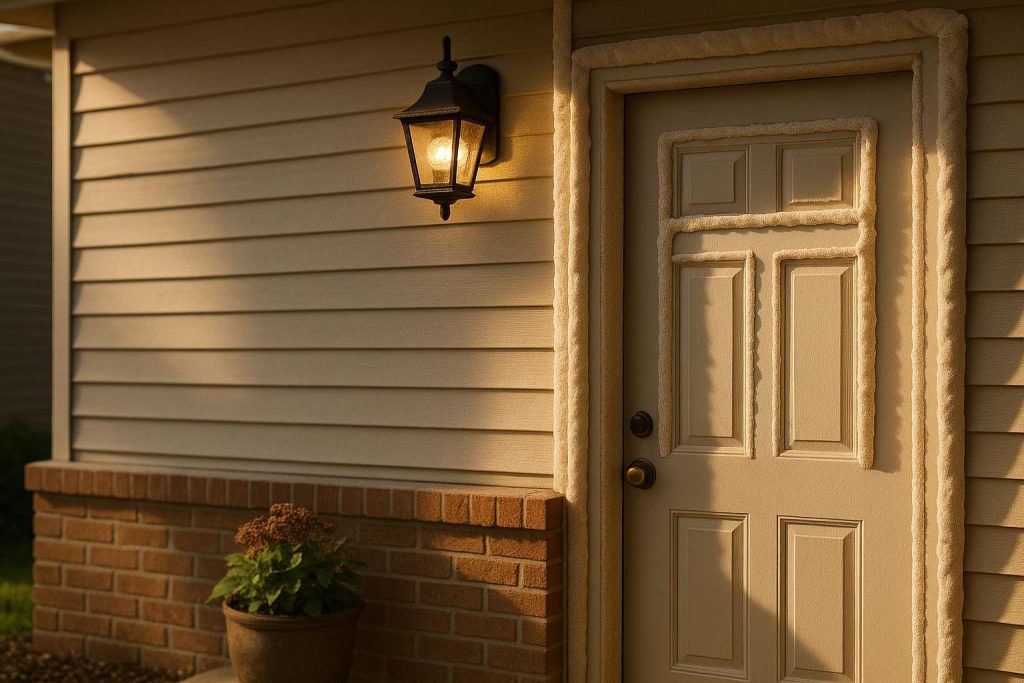
Boosting Your Home's Comfort: How to Add Insulation Without Removing Your Front Door
Improving your home's energy efficiency can be as simple as adding extra insulation around your front door. Many homeowners worry that they need to remove and replace their entire door to see true gains in comfort and energy savings. Fortunately, there are practical ways to beef up insulation and minimize heat loss without taking your existing door off its hinges. In this guide, we'll explore the methods, materials, and tips you can use to seal out drafts, stay cozy, and even save on energy bills—all while keeping your current front door in place.
1. Why Insulation Matters for Your Front Door
Doors often serve as the main path between the exterior and interior of your home, so they frequently influence comfort and energy usage. A well-insulated door prevents heated indoor air from escaping during the colder months. It can also block hot air from infiltrating when summer temperatures rise. By enhancing insulation, you'll make indoor temperatures more stable, keep utility bills in check, and preserve your home's comfort. For many homeowners, adding insulation offers a chance to reduce those pesky drafts without committing to the cost or hassle of a complete door replacement.
If you're curious about how added insulation impacts energy costs, you may want to see the FAQ on Will adding insulation to my front door help lower energy bills?. That resource provides more details on potential savings and how you can benefit further by focusing on door insulation.
2. Inspecting Your Existing Door for Drafts and Gaps
Before you dive into adding new layers of insulation, it's important to identify the specific areas that allow cold or hot air to sneak in. Here's what you should do:
- Check for Light Gaps: Stand inside your home when it's bright outside, and look around all edges of your door. If you can see beams of light shining in, there's likely air passing through the same spaces.
- Feel for Drafts: Move your hand slowly around the door perimeter on a windy day or when your heating or cooling system is off. If you sense a noticeable breeze, you either need fresh insulation or need to replace aged weatherstripping.
- Listen for Whistling Sounds: High winds can produce a telltale whistling if your door isn't sealed properly. Pay attention to these sounds, as they indicate spots ripe for improvement.
Finding leaks early gives you a clear map of where to apply insulating fixes. This also helps you address immediate issues, like tears or worn material on the current weatherstripping. If you're unsure how to identify whether your door needs a boost, visit the FAQ on How can I tell if my front door needs better insulation? for more guidance.
3. Sealing the Edges With Weatherstripping
One of the most efficient ways to add insulation without removing your door is by installing high-quality weatherstripping. Over time, old weatherstripping may crumble, warp, or simply lose effectiveness. A fresh seal around the door edges can do wonders in blocking drafts.
Types of Weatherstripping
- Adhesive Foam Tape: Works well for smaller gaps and is easy to install. However, it may wear out faster than some other materials.
- Felt Strips: Inexpensive and suitable for doors with minimal movement between the door slab and jamb. Although simple to apply, felt may not hold up to heavy use or moisture.
- Rubber or Vinyl Gaskets: Durable options that create a secure seal even in heavy traffic areas. Rubber gaskets tend to be more flexible and long-lasting.
For more detailed insight—like how weatherstripping influences energy efficiency and how you can choose the best products—explore Does weatherstripping really help reduce drafts around a front door?. This FAQ dives deeper into how different weatherstripping materials reduce unwanted airflow.
How to Install Weatherstripping
- Clean the door edges and frame thoroughly. Dust or grease can prevent the adhesive from forming a tight bond.
- Measure carefully and cut the new weatherstripping to fit each side of the door. Be precise; overlaps or gaps can compromise the seal.
- Firmly press or nail the weatherstripping in place, ensuring it doesn't interfere with how the door opens and closes.
- Double-check the corners—these areas are most prone to leftover gaps.
With proper installation, weatherstripping can add a significant boost to your door's insulation. It forms the first line of defense against external elements, helping you maintain a consistent indoor climate.
4. Adding or Replacing a Door Sweep
A door sweep helps seal the threshold gap at the bottom of your door, an often-overlooked area for air leaks. Sweeps typically attach to the bottom edge of the door and extend down to meet the threshold, creating a barrier that stops drafts.
- Types of Door Sweeps: You'll find sweeps made of brush-like bristles, vinyl, or rubber blades. Each style aims to provide a snug closure over gaps.
- Installation Tips: Line up the sweep so it just touches the threshold without dragging excessively. Too tight, and the sweep may catch; too loose, and it won't seal properly.
If you want more specifics on the benefits of door sweeps, you can consult Will adding a door sweep reduce drafts at the bottom of my front door?. This resource offers practical installation advice and explains how door sweeps enhance overall insulation.
5. Insulating Around the Frame With Foam Sealant
Even if you've sealed around the door slab itself, sometimes the framing and trim can harbor hidden air gaps. Pouring or spraying foam sealant into those crevices helps ensure no cold (or hot) air slips through behind the scenes. This step can be especially important for older homes where the framing may have shifted slightly over time.
Tips for Applying Foam Sealant
- Choose the Right Product: Look for expanding foam designed specifically for door and window frames. Many types expand gently enough not to warp or put pressure on the frame.
- Wear Gloves and Eye Protection: Foam sealant can be messy, so protect your skin and eyes during application.
- Work Carefully: Apply the foam in small layers, waiting for it to expand. Overfilling can cause it to protrude from the wall, making cleanup more difficult.
- Trim Excess: Once the foam hardens, use a utility knife to shave off any overflow that extends beyond the trim.
For a more in-depth look into foam sealant products, visit Is foam insulation around the door frame enough to stop air leaks?. This FAQ explores various brands and formulations, providing guidance on what might work best for your climate and the size of your gaps.
6. Considering a Storm Door
If you need an extra shield from the elements but don't want to remove and replace your current door, adding a storm door could be a game-changer. Storm doors function as an additional insulating layer, offering:
- Reduced Air Leakage: A storm door forms a pocket of air between itself and the main entry door, acting like a buffer zone.
- Enhanced Weather Protection: Storm doors add defense against rain, snow, and wind-blown debris.
- Seasonal Versatility: Many storm doors come with interchangeable screens and glass panels, letting you welcome fresh air in warmer months while sealing out cold air in winter.
Curious about the full range of benefits for your home's front entry? Check out How do storm doors help with front door insulation?. You'll learn how storm doors boost comfort levels without resorting to a total door replacement.
7. Creative Interior Solutions
Though your primary efforts should focus on the door and its perimeter, there are also interior solutions to explore if you want to reinforce insulation:
- Insulating Paint or Coatings: Some paints contain insulating properties, helping reduce conductive heat transfer through metal or thin doors. While not a perfect solution on their own, these coatings can be a meaningful supplement to weatherstripping and foam.
- Heavy Curtains or Drapes: When drawn, a thick curtain over the door can act as an additional air barrier, especially helpful in very cold climates. It also adds an aesthetic element to your interior.
- Decorative Draft Stoppers: Placing a decorative fabric tube along the bottom edge of the door can stop a significant amount of air leakage at floor level. This step offers a quick fix if you haven't yet installed a permanent door sweep.
Combined, these methods can ease the burden on your heating or cooling system. Remember, though, that a thorough approach—one that begins by sealing all those little cracks—is essential to maximizing comfort year-round.
8. Maintenance and Routine Checks
Enhancing insulation isn't a one-time job. Over the months and years, materials can wear down due to temperature changes, dampness, and normal door usage. Make it part of your home upkeep to inspect the condition of weatherstripping, door sweeps, and foam sealants regularly.
The frequency of these checks depends on factors like local climate and how often you open and close the door. For a detailed recommendation on scheduling, see How often should I check insulation for wear around my front door?. Performing these inspections helps catch problems early, preventing wasted energy and unnecessary discomfort.
9. The Benefits of Extra Insulation
Taking the time to insulate your front door pays off in many ways besides comfort. Here are some advantages that come from upgrading your door's thermal barrier without going through a full replacement:
- Improved Temperature Control: You'll experience fewer hot or cold spots, creating a more pleasant living environment.
- Possible Lower Energy Bills: As your HVAC system works less to maintain the inside temperature, you may notice reduced costs on your utility statements.
- Enhanced Noise Reduction: Adding weatherstripping and foam can help dampen outside sounds. If you're looking to learn more, see Are insulated front doors also better at noise reduction?.
- Preserved Door Aesthetic: Upgrading insulation lets you keep a door that complements your home's style, avoiding the hassle of major changes.
- Quick and Budget-Friendly: Retrofitting can be far less expensive and time-consuming than replacing an entire door assembly.
In older homes, concerns about how well an older entryway can handle added insulation often arise. If that rings a bell, explore the FAQ on Are insulated front doors still effective for older home entryways?. It details strategies for older properties that might require extra considerations.
10. When to Consider a Full Door Replacement
While many homeowners are happy with the boosted comfort from quick fixes, some front doors may be too worn or damaged to benefit from just a retrofit. If the door slab itself is badly warped, rotted, or lacks the structural integrity to hold accessories like hinges and door sweeps, a total replacement might be the more sensible option. But for those whose doors are still sound, the retrofit approach is a convenient solution.
If you want advice on weighing the pros and cons, see Should I replace or retrofit my front door for improved insulation?. It discusses how to make the best long-term decision for your home.
11. Consult Experts for More Complex Issues
If you've tried the DIY approaches—such as fresh weatherstripping, foam sealants, and door sweeps—and still feel drafts, there could be underlying problems with the door frame, threshold leveling, or even your home's foundation. When dealing with more intricate structural concerns, it's best to reach out to a professional. They can diagnose hidden issues and recommend the best course of action, whether that means more extensive insulation measures, a partial update, or a brand-new door.
For example, if your door shows gaps between the jamb and slab, you may consider checking out Should I insulate the door jamb as well as the door slab?. Insulating both areas can offer additional relief if the jamb is a source of unwanted airflow.
12. Bringing It All Together
Adding insulation without removing your front door can be an incredibly rewarding project. By targeting the right areas, like edges, the threshold, and any hidden gaps in the frame, you can block out drafts and create a more comfortable home environment. That means smaller energy bills, reduced strain on your HVAC system, and a year-round living space that stays closer to your ideal temperature.
There are many ways to approach this process—from simple methods like replacing weatherstripping or installing a door sweep, to more robust upgrades like applying foam sealant around the frame or adding a storm door. As you implement these solutions, remember to periodically check them for wear and tear, especially if you live in a climate with extreme temperature changes.
This packaging of techniques allows you to avoid major demolition or construction, saving you both time and money in the long run. If you ever decide to speak with professionals about renovating your entryway further, feel free to visit our website for additional resources and helpful guidance. In many cases, starting with insulation upgrades can offer you the exact level of comfort you've been missing—all without saying goodbye to the door you already have.