
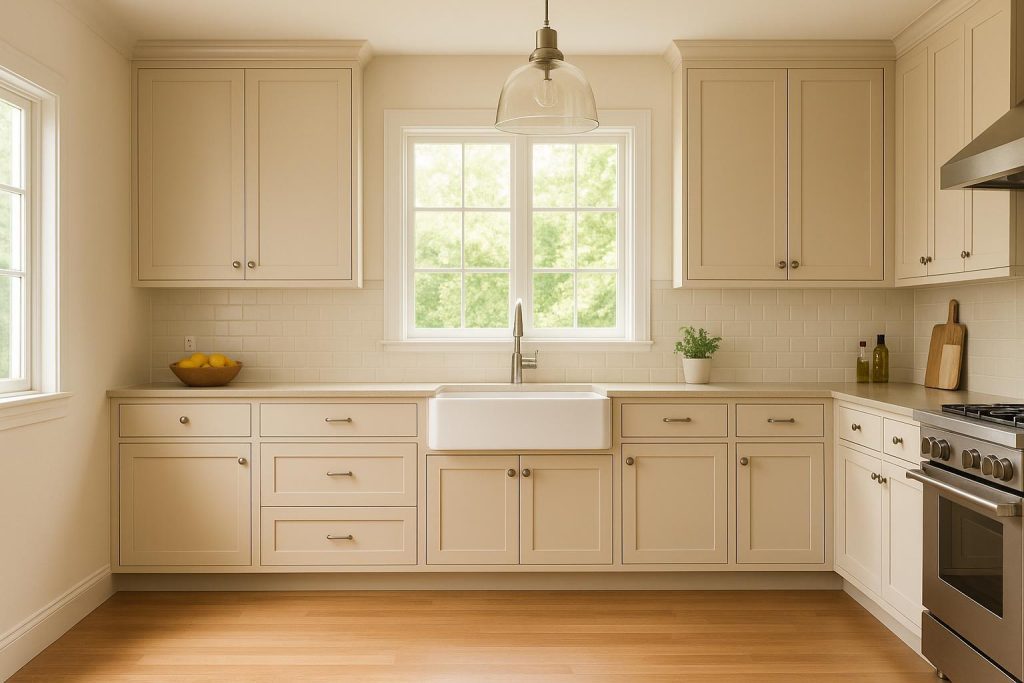
Designing Cabinets That Seamlessly Blend With Your Kitchen
One of the most exciting parts of any kitchen renovation is choosing new cabinets. Yet for many homeowners, the big question remains: how can you ensure that fresh cabinets look perfectly in sync with the rest of your kitchen—or your entire home? The key is striking a balance between upgraded style, cohesive design, and everyday functionality. Below, we explore practical tips on selecting cabinets that complement your existing space, covering everything from color palettes and finishes to hardware choices and layout considerations. By understanding your unique style, incorporating ideas that highlight your kitchen's best features, and seeking organizational solutions that reflect how you actually use the space, you can create a gorgeous kitchen renovation that genuinely feels like home.
1. Take Stock of Your Existing Style
Before you decide on drawer fronts or pull-out shelving, step back and analyze what you already have. Ask yourself:
- What is my kitchen's general aesthetic? Is it more traditional with ornate details, or modern with clean lines? Perhaps it's somewhere in between, leaning on transitional elements.
- Which architectural or design features stand out most? Note any molding styles, archways, or built-in features that may guide your new cabinet selection.
- What is my home's broader style? If your living area or nearby dining space follows a particular theme, you may want your kitchen to feel consistent, especially in an open-concept layout.
Understanding these aspects helps you zero in on what can be enhanced and what elements should remain intact. For instance, if your walls boast intricate trimwork, an overly sleek, ultramodern cabinet style might feel disjointed. Conversely, if you already love the modern vibe of your backsplash and stainless-steel appliances, leaning into contemporary cabinet fronts could be a seamless extension of what's there.
2. Consider Your Color Palette for Flow
The colors you choose for your cabinets can make or break the overall harmony of your kitchen. Carefully consider existing elements such as:
- Wall Paint or Wallpaper: If you love your current wall color, choose a cabinet finish that complements or adds subtle contrast, rather than competing with it.
- Backsplash: Your backsplash often draws the eye immediately. If you have a patterned or colorful backsplash, more neutral cabinets can help it stand out. On the other hand, a simple backsplash can be balanced by bolder cabinet hues for an updated look.
- Countertops: Are your countertops granite, quartz, marble, or laminate? Each has a unique texture and color variation. Matching cabinets to highlight the undertones or flecks in your counters can unite the space surprisingly well.
Subtly contrasting colors, such as warm-toned wood against a cooler tile or paint palette, will allow each design element to shine without clashing. Muted neutrals remain popular for creating a timeless aesthetic, but don't be afraid to explore moody jewel tones if your kitchen can handle a dash of drama.
3. Matching Door Styles: Traditional, Transitional, or Contemporary
Cabinet doors have a large visual impact on the final look of your space. When installing new cabinets, be mindful of how the door style aligns with your home's character. Here are three main categories to consider:
- Traditional: Typically involves raised panels, decorative molding, and intricate details. If you enjoy a cozy, classic look—perhaps a farmhouse or Victorian-style vibe—go for cabinet doors with rich wood finishes and decorative edges that align with these design cues.
- Transitional: Blends the warmth of traditional design with the clean lines of contemporary style. This is often the most versatile option if you're aiming to balance older architectural elements with updated details. Shaker-style cabinets are a popular transitional choice, offering a simple frame that adapts to multiple aesthetics.
- Contemporary: Sleek, flat-panel doors with minimal ornamentation or hardware. Ideal for ultramodern kitchens or spaces emphasizing bright openness and minimal clutter. If your existing kitchen already boasts a modern flair, these simple door styles can reinforce a sense of streamlined continuity.
Mixing door styles is also possible; however, do so strategically by echoing shape or design elements that appear elsewhere. A thoughtful combination of cabinets with glass-front uppers, for example, can lighten the look of a more classic lower cabinet run.
4. Coordinating Your Cabinet Hardware
Choosing hardware is one of the simplest ways to tie your entire design together. Consider the following tips:
- Metal Finishes: Don't be afraid to mix metals, as long as there is a cohesive strategy. For instance, you might use brushed nickel pulls on the cabinet doors but opt for a darker bronze faucet or light fixture. Repeating each finish in at least two places ensures it looks intentional.
- Shapes and Lines: A modern flat handle might clash in a more traditional space, while ornate pulls may seem out of place in a minimalist kitchen. Choose hardware shapes that echo the lines of your cabinet doors, appliances, and other fixtures.
- Consistency Matters: If you have distinctive elements such as statement light fixtures, guaranteeing your hardware complements those features can unify the room.
Ultimately, your kitchen hardware should feel like an accent piece that both updates and complements existing style cues. Don't overlook how even a small change like new pulls and knobs can dramatically shift your kitchen's personality.
5. Embracing Functional Layouts for a Cohesive Flow
Style is only half the equation. Whether you love to cook large family meals or frequently entertain, your new cabinets should adapt to your kitchen's functional demands. Consider how elements flow and how you use each area of the kitchen:
- Island vs. Perimeter: If you have or want an island, think about storage cabinets or drawers that keep everyday utensils and cookware in easy reach. You can use contrasting colors on the island to create visual interest, without losing overall continuity.
- Open Shelving Integration: If your current kitchen already features open shelving for plates or décor, ensure the style of your new cabinets doesn't clash. For instance, matching wood tones or finishing touches can make open shelving and enclosed cabinets look deliberately planned.
- Utilizing Corners and Focal Points: Corners can often be wasted space. Installing corner-specific units, such as lazy Susans, can maximize storage without altering the visible aesthetic. Likewise, consider whether you want a focal point, such as a range hood or large window, to stand out. Then choose cabinet designs that highlight or frame that focal element appropriately.
By tailoring your cabinet layout to your daily routines, you'll create a more usable kitchen that organically fits your home's style instead of just looking good.
6. Adding the Right Finishing Touches
Sometimes, the most impactful design accents are rooted in small details. Once you have established a cabinet style and color scheme that aligns with your existing kitchen, consider these finishing touches:
- Light Accents: Under-cabinet LED strips or small interior lights can draw the eye to your new cabinets while also improving practicality. Extra lighting is particularly useful in cooking spaces where tasks require strong illumination.
- Molding and Trim: Crown molding or interior trims around the edges of your cabinets can cement a sense of polish. In a more traditional home, ornate molding will feel appropriate, whereas simpler straight-edged trim might be enough for a modern kitchen.
- Glass Inserts: Glass-front cabinet doors can break up a run of solid cabinets, showcasing peeks of colorful dishware or decorative items. This technique works equally well in both classic and contemporary kitchens, provided the rest of the design is balanced.
Subtle accessories can be the deciding factor in bringing your personal taste to life while keeping your kitchen visually consistent.
7. Choosing Quality Materials for Long-Term Cohesion
A beautiful design is only as good as the materials behind it. Cheap or poorly assembled cabinets are more likely to show wear over time, which can clash with the rest of your carefully curated kitchen. Some aspects to keep in mind include:
- Durability: Look for quality wood or composite materials rated for frequent use. Solid hardwoods can be stained or painted if your tastes change down the road.
- Craftsmanship: Verify the joinery method, the type of hinges, and the drawer construction. Dovetail joints or high-quality metal glides often outlast lower-grade options.
- Finish Reliability: Cabinet finishes should be moisture-resistant and able to handle regular cleaning. You want your cabinets to look good and endure daily wear.
Ultimately, the right balance of substance and style ensures your cabinets remain cohesive with your kitchen for many years to come, even as small trends come and go.
8. Going Eco-Friendly & Sustainable
Another dimension of cohesive design is how it aligns with your values. If sustainability is top of mind, look into eco-friendly materials and finishes. Bamboo or reclaimed wood cabinets, for example, can blend beautifully with a variety of kitchen schemes while minimizing environmental impact. Low-VOC (Volatile Organic Compounds) finishes also help maintain healthier indoor air quality. Often, these subtle “green” design choices become a talking point that further enhances the personal connection you feel with your redesigned space.
9. When to Consult a Professional
While you can gather plenty of inspiration through research, social media, or home design magazines, it can still be challenging to visualize how certain cabinet styles or finishes might look in your actual kitchen. That's where consultation with a renovation specialist or interior designer can be invaluable. A professional can:
- Help You Narrow Down Choices: From paint swatches to hardware samples, you may feel overwhelmed by endless possibilities. A skilled designer can quickly identify a cohesive palette.
- Spot Hidden Opportunities: Innovative cabinet configurations or underutilized corners might be perfect for add-ons like pull-out spice racks, extra shelving, or hidden charging stations.
- Create 3D Renderings: Seeing a virtual illustration of your future kitchen is extremely reassuring. It helps confirm your style decisions before work begins.
By blending professional expertise with your personal taste, you can refine your cabinet design and ensure that the final result is a cohesive extension of your home.
10. Balancing Upgrades with Existing Features
Another key element of a successful kitchen cabinet update is understanding what to keep and what to replace. Often, homeowners want a fresh look but don't necessarily need to overhaul every single aspect:
- Refreshing Over Replacing: If your cabinetry is still structurally sound, you might opt for painting or refacing doors to align with new kitchen elements. This is a cost-effective option that uses existing resources wisely.
- Selective Remodeling: You may not need to tear out the entire layout. Sometimes upgrading the most prominent cabinets, like those around the stove or on the island, is enough to bring new life to the space.
- Accent Cabinets: If you have a contrasting hutch or open shelving unit, leaving it in its current finish may provide an intentional design statement. Integrating your new cabinets in a way that respects these accent pieces can unify both old and new elements.
By thoughtfully blending what works with what needs reimagining, you can preserve the best parts of your kitchen while still letting your desired style shine through.
11. Bringing It All Together for a Harmonious Kitchen
Ultimately, matching your new cabinets to your existing kitchen design is about creating a cohesive, welcoming space that fits your personal preferences and lifestyle. Consider color palettes, cabinet door styles, hardware choices, functionality, and finishing touches that tie everything together. Aim to unify old and new by selecting materials and details that echo your kitchen's current identity. When done effectively, the result is a kitchen that feels updated, yet remains distinctly yours.
If you're struggling to visualize how certain finishes or styles will blend, don't hesitate to consult a design professional. With the right guidance, you can transform your ideas into a practical plan that incorporates storage capabilities, lighting solutions, and a look that supports everyday living. Even small tweaks, like mixing cabinet finishes or repurposing certain features, can make a major impact.
12. Elevating Your Kitchen to the Next Level
No matter how far your imagination stretches, the goal remains the same: a kitchen that looks polished, functions superbly, and stays true to what you already love about your space. There's no single “best” cabinet style or color—the secret lies in a series of well-informed, harmonious choices. Start with your existing layout and features, identify what can be enhanced, and be open to bold ideas if they work with the rest of your home.
For more inspiration on creating a brand-new look or refreshing your existing kitchen, you can visit our Home page. Seeing other renovation examples and learning about design-centered services can spark creativity and help clarify next steps. Whether you're aiming for a timeless, classic design or a sleek, ultra-modern feel, carefully selected cabinet elements will help you take full advantage of your kitchen's potential. Enjoy the process of dreaming big, exploring various finishes, and watching your vision come to life in a space that both delights and serves your everyday needs.