
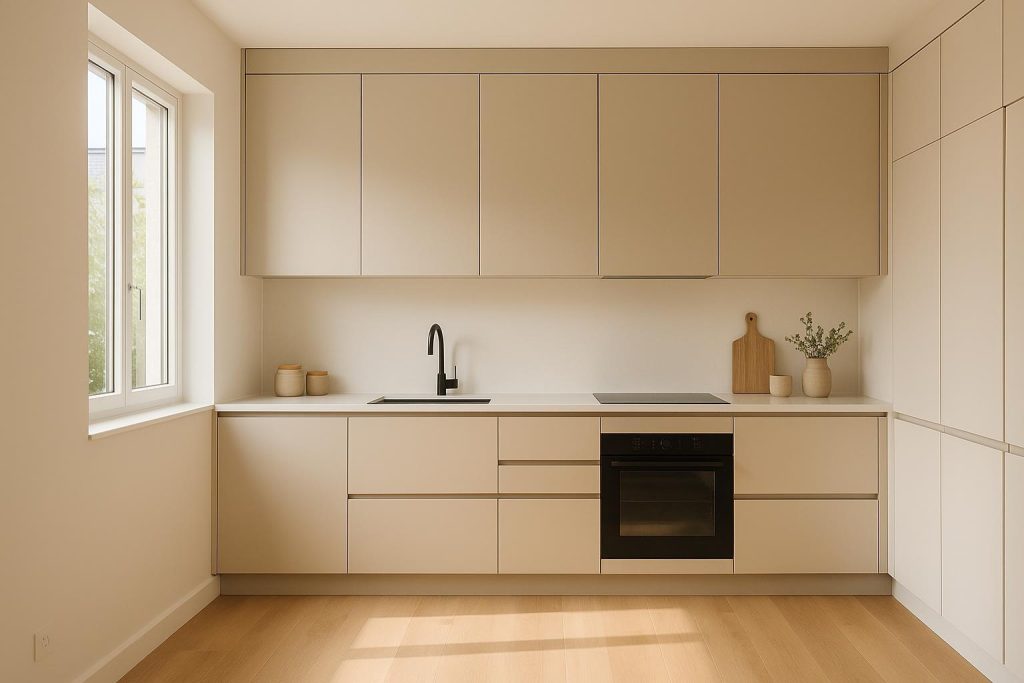
Achieving a Seamless Kitchen Style with Integrated Appliances
When it comes to designing a sleek and modern kitchen, every detail plays a role—from the cabinetry and fixtures to the appliances themselves. Integrated appliances represent one possible path toward creating a smooth, cohesive style. Yet homeowners often wonder if they are truly essential for achieving that seamless look, or if standard appliances can work just as well. In this comprehensive guide, we’ll explore what integrated appliances are, how they differ from other options, and whether they are the best approach for your next kitchen renovation. We’ll discuss design philosophies, practical considerations, cost factors, and alternatives—helping you make an informed choice as you plan your dream kitchen.
What Are Integrated Appliances?
Integrated appliances typically refer to refrigerators, dishwashers, and other kitchen necessities that appear flush with the surrounding cabinetry. Instead of having a visible metal front (such as stainless steel or black steel), integrated units feature custom panels that match your cabinet doors. As a result, these appliances effectively ‘disappear’ into the overall design of the kitchen. This creates a unified aesthetic where lines flow uninterrupted from one surface to the next, making the space look more spacious, minimalist, and carefully curated.
In some cases, manufacturers refer to these products as “panel-ready” or “built-in” appliances. Each term can carry slightly different nuances, so it’s worth clarifying with your design or renovation team. Some people prefer built-in appliances that may still show a metal front but are designed to be flush with cabinetry. Others want fully integrated models featuring panels that make the appliances practically invisible. Both options aim to support a streamlined effect.
Key Advantages of Integrated Appliances
1. Enhanced Aesthetics: One of the most significant advantages is the cohesive look. Rather than coordinating different finishes among your fridge, dishwasher, and oven, an integrated approach lets them blend seamlessly with your cabinets. This results in a calm, uniform space that’s less visually cluttered.
2. Visual Continuity: Kitchens often serve multiple roles—from cooking area to social hub—so an uncluttered design can promote a relaxing ambiance. Integrated appliances smooth out the edges and reduce the number of breaks and lines. This kind of design continuity can be particularly appealing in open-concept homes where the kitchen flows into living or dining areas.
3. Space Optimization: While integrated appliances don’t necessarily save physical space, the cleaner lines can create an illusion of openness. Especially in smaller kitchens, every inch of space counts, and integrated appliances help prevent the room from feeling cramped.
4. Modern Minimalism: Kitchen design trends increasingly lean toward minimalism—fewer elements competing for attention. Integrated appliances embody this movement by simplifying the visual landscape. If your goal is a sleek or contemporary look, a panel-ready refrigerator or dishwasher could be the finishing touch that pulls it all together.
Cost Considerations and Investment Value
One question that often arises is cost. Integrated appliances can come with a higher price tag than standard, freestanding models. Not only can the appliances themselves be more expensive, but they may also require a custom cabinetry solution. Factors such as precise measurements, specialty hinges, and custom panel fabrication can add up. In some cases, you will also need specialized installation teams to ensure the final product fits correctly and remains functional long-term.
On the other hand, integrated appliances often appeal to buyers seeking a premium home—especially in markets where stylish, modern interiors are in high demand. If you plan to stay in your home for many years, the daily enjoyment of a unified kitchen look (and the ease of resale if you eventually decide to sell) may justify the higher initial cost. The same logic could apply if you’re renovating a high-end property; integrated appliances might complement the rest of the materials and design choices that define a higher price bracket.
Design Versatility and Personal Style
In many modern kitchens, the emphasis is on blending function with beauty. Integrated appliances remove external branding, visible metal edges, and color mismatches, enabling you to express your personal design style more fully through your cabinets and countertops. This approach can work especially well if you love a specific cabinet finish or want to adopt a particular interior design style—like Scandinavian minimalism, contemporary urban chic, or transitional modern farmhouse. The quieter profile of integrated appliances can highlight other statement features, such as a striking backsplash or a bold pendant lighting fixture, without competing for visual attention.
Panel-Ready vs. Fully Integrated
When researching integrated appliances, you may come across terms like “panel-ready” or “fully integrated.” While they often overlap, panel-ready simply means you can attach a panel that coordinates with your kitchen cabinets. A fully integrated appliance, however, goes a step further by aligning precisely with the depth of your counters and cabinets, sometimes even masking the handle or control panel for a thoroughly discreet appearance. Determining which level of ‘integration’ is right for you depends on your preferred kitchen aesthetic and your budget. A fully integrated design typically requires more planning and can come at a higher cost.
Potential Drawbacks to Consider
Despite the advantages, integrated appliances aren’t for everyone. Here are a few points to keep in mind:
- Higher Initial Investment: As mentioned, quality integrated appliances can be more expensive. You’ll need to factor in the cost of the custom panels and professional installation.
- Less Flexibility in the Future: Once your cabinets and appliances are flush-fitted, changing or upgrading them later may be more involved. If you plan to switch out your appliances after a few years, an integrated style might not be the easiest route.
- Maintenance and Upkeep: While integrated appliances don’t necessarily require more maintenance, any damage to the cabinet panels may be harder to repair or replace compared to wiping down a stainless-steel door.
- Design Skill Required: Attaining the perfect fit demands accurate measurements and a skilled design team. Mistakes in planning could lead to gaps or alignment problems that compromise the sleek, flush appearance.
Do You Need Integrated Appliances for a Seamless Look?
Not exactly—though they do make it considerably easier to create a sense of unity. If you’re especially fond of stainless steel or want your appliances to serve as accent pieces, a carefully curated approach using standard or built-in appliances can still result in a cohesive aesthetic. Some people like the professional look of a bold range hood or a statement oven in stainless steel. In that scenario, you can integrate just certain items (like the dishwasher) while showcasing others. Another possibility is to unify finishes across all appliances, ensuring they match each other—and the kitchen’s overall vibe—even if they aren’t concealed behind panels.
Complementary Design Strategies for Cohesion
While integrated appliances are certainly a powerful way to achieve a seamless kitchen style, there are several other strategies you can use. Consider the following:
- Color Coordination: Ensure your appliance color (stainless steel, black, white, or otherwise) harmonizes with your cabinetry and backsplash. Consistency can go a long way toward reducing visual fragmentation.
- Consistent Hardware: Even if your range and dishwasher are visible, using matching hardware or handles can tie the overall look together.
- Uniform Cabinet Lines: Aligning cabinet doors and drawers to create continuous lines across the entire kitchen elevates the sense of sophistication in the space.
- Focal Points: Incorporate one or two dramatic elements—like unique lighting fixtures or a statement island—and keep the rest of the design subdued. This reduces visual clutter and helps your kitchen feel more ‘seamless’ without the need to conceal everything.
Making the Most of Small Spaces
In smaller kitchens, integrated appliances can be especially appealing. Eliminating the contrast between cabinets and freestanding appliances can visually expand the space, helping it feel more open and airy. If you have a narrow galley kitchen, for example, every bit of negative space can be valuable. By hiding an appliance behind a consistent cabinet front, you reduce the number of competing surfaces, which can help the kitchen feel less cramped. However, if budget is a significant factor, carefully chosen slim appliances in matching finishes may allow you to achieve a similarly harmonious feel without full integration.
Working with a Professional Team
Whether you choose integrated appliances or a more traditional approach, your renovation’s success often hinges on expert planning. A professional design-focused team can help you measure precisely, select suitable appliances, source the right panels or custom cabinetry work, and guide you toward a cohesive layout. This is particularly important if you have an open-concept floor plan or other unique considerations like structural columns, unusual wall angles, or the desire to incorporate multi-functional features.
If you’re considering integrated appliances as part of a broader kitchen upgrade, you may benefit from scheduling a free in-home consultation with a reputable renovation company. Discuss your aesthetic preferences, your daily cooking habits, and your budget goals to arrive at the perfect kitchen design. For those looking to handle everything seamlessly under one roof—from design to final install—a full-service renovations provider can help ensure each stage is done to a high standard.
At times, you might also weigh whether integrated appliances truly fit your lifestyle. If you love the timeless look of classic stainless steel or want a bold focal point, you may choose to integrate only your dishwasher or side pantry fridge, leaving your centerpiece appliances visible. Many homeowners find a middle ground that suits both their design sensibilities and daily routines.
Final Thoughts
Integrated appliances can undoubtedly bring an elegant, uniform look to a kitchen renovation. Their sleek design cuts down on visual noise and promotes minimalism—an appealing option for many modern homeowners. However, they’re not the only way to achieve a timeless, high-end look. Whether or not they’re essential largely depends on your personal style, budget priorities, and long-term renovation goals.
The most important step is to plan the bigger picture: identify how you want your overall kitchen to feel and function. Then determine if those goals align well with integrated appliances. If they do, great! You’ll enjoy the harmonious aesthetic that a fully concealed refrigerator or dishwasher can offer. If not, you can still craft a beautiful and seamless design through consistent finishes, thoughtful cabinetry choices, and balancing bold statement pieces. Renovations are all about creating a space where function and style come together in a way that feels just right for you.
You can always learn more about how a professional renovation approach brings your kitchen dreams to life by exploring our Home page. If integrated appliances resonate with your style—or if you prefer a mix of custom and traditional elements—it’s wise to talk with a qualified design team early in the process. Ultimately, a well-planned kitchen will deliver comfort, efficiency, and delight, whether or not you choose to integrate every appliance.