
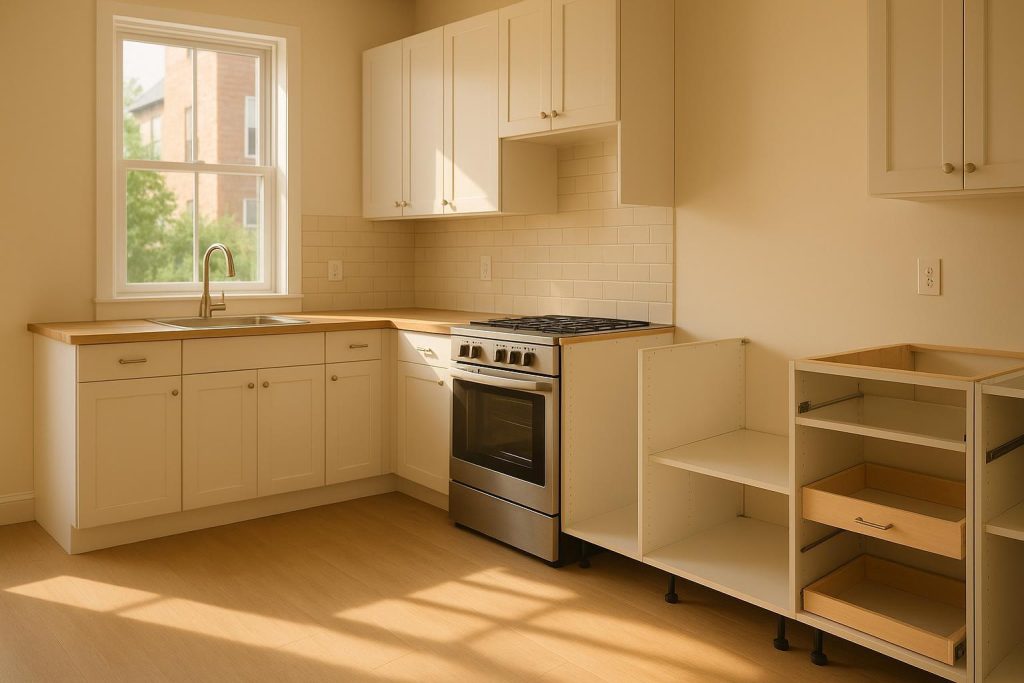
Understanding the Potential Drawbacks of RTA Cabinets
Ready-to-assemble (RTA) cabinets have become a popular choice for homeowners looking to upgrade their kitchens or bathrooms on a budget. The appeal lies in their affordability, relative ease of shipment, and the convenience of having prefabricated parts delivered directly to your doorstep. However, like any home improvement product, RTA cabinets also come with their share of disadvantages. By exploring these potential pitfalls in detail, you can make a more informed decision and prepare yourself for the realities of installing RTA cabinetry.
In this guide, we will walk through the most commonly cited downsides of RTA cabinets, from quality inconsistencies to potential assembly struggles. We will also discuss ways homeowners can mitigate many of these issues, whether by selecting higher-end RTA cabinets or seeking professional assistance to fill in potential gaps in craftsmanship. By covering everything from structural integrity to resale value, you will be equipped to weigh your options carefully when deciding on RTA versus custom or semi-custom cabinets for your renovation project.
The Challenge of Self-Assembly
The number one concern most homeowners have with RTA cabinets is the requirement that you, the buyer, typically handle assembly yourself. This can be both a cost-saving measure and a disadvantage, depending on your comfort level and experience with do-it-yourself (DIY) projects. If you lack the tools, skills, or free time needed to assemble and install the cabinets properly, you could face several challenges:
- Time Commitment: Putting together cabinets can be a time-consuming process, particularly if you have never done it before. Detailed instructions, precise measurements, and plenty of patience are crucial.
- Potential Errors: An experienced contractor might spot assembly mistakes quickly, but a newcomer could easily install a hinge incorrectly or misalign a drawer glide. Errors in assembly can mean your cabinet doors might hang crookedly or fail to close smoothly.
- Need for Specialized Tools: Even though RTA cabinets are supposed to be straightforward to assemble, you may still need a decent set of tools, including drill bits, clamps, screwdrivers, and measuring equipment. Lack of the right tools can lead to subpar results.
For anyone comfortable with hands-on projects—and happy to dedicate significant time—the assembly requirement might not be a dealbreaker. However, if you are someone who prefers minimal labor involvement, RTA cabinets might start to look less appealing.
Quality Variations and Material Concerns
Not all RTA cabinets are created equal. One of the most sizable factors affecting quality is the type of core material used. Many RTA options rely heavily on particleboard or medium-density fiberboard (MDF), which may be less durable than plywood or solid wood. While some brands use better grades of plywood for the cabinet box, others cut costs by using extremely lightweight or lower-density material. Potential quality concerns include:
- Weak Structural Integrity: Cabinets made from lower-grade materials can be prone to sagging over time—especially under the weight of heavy pots, pans, and dinnerware.
- Susceptibility to Moisture: Particleboard and MDF often do not react well to moisture. Over time, water damage—resulting from a leaky pipe or high humidity—could cause swelling and warping.
- Shorter Lifespan: If your cabinet materials are lower-grade, it is unlikely they will last as long as higher-quality cabinetry. This can mean you need to replace or repair them more frequently, negating the initial cost savings.
When purchasing RTA cabinets, it is crucial to delve into the specifications and confirm exactly which materials are used, how thick the panels are, and the type of hardware provided. This research alone can help you avoid many hidden pitfalls.
Limited Customization Possibilities
Homeowners seeking distinctive layouts or specialized storage solutions often find that RTA cabinets offer only a limited menu of designs and sizes. Because the components are prefabricated, the variety of available shapes, styles, and finishes may be narrower than what you’d get with fully custom or even semi-custom cabinetry. While some RTA lines focus on offering a decent range of colors and door styles, true customization might prove elusive. The constraints can include:
- Fixed Dimensions: You might not find the exact cabinet width or height to fit a unique corner in your kitchen, forcing you to make design compromises or introduce filler panels that disrupt your layout.
- Lack of Specialty Accessories: Pull-out organizers, spice racks, and specialized storage compartments might be limited unless you source them separately and ensure they fit your cabinets.
- Fewer Finishing Options: If you’re aiming for a specific stained finish or a custom paint color to complement your space, your choices with RTA may be somewhat restricted.
Of course, if you prioritize budget or a quick turnaround time over getting a highly personalized look, these limitations may not be a big deal. But for homeowners with very particular design tastes, RTA might be disappointing once you drill down into the actual style options.
Potential Assembly Errors and Durability Issues
One of the biggest advantages of factory-built or custom cabinets is the professional workmanship that goes into each stage of assembly. With RTA cabinets, some or all of the assembly tasks shift onto you or your installer. Potential outcomes of imperfect assembly include:
- Misaligned Hinges or Drawer Glides: Even slight miscalculations can lead to cabinet doors that stick or drawers that do not slide properly.
- Loose Joints: When screws and brackets are not properly tightened, your cabinets could wobble or even threaten to pull apart under the weight of stored items.
- Diminished Longevity: Cabinetry that is not built with consistent craftsmanship might look fine at first but degrade quickly with constant use.
Although these issues do not affect every RTA purchase, they do happen often enough that prospective buyers should research not just the brand but also the complexity of the instructions and the skill level required. If you’re not confident in your DIY capabilities, consulting a professional installer could help prolong the life of your RTA cabinets.
Shipping Challenges and Potential Damage
In many cases, RTA cabinets will be shipped directly to your home, particularly if you order them online. Although shipping small, flat-packed boxes might be convenient in principle, the reality can introduce hiccups, such as:
- Shipping Damage: While RTA cabinets usually arrive in smaller, more manageable packages, any mishandling in transit could ding or dent the parts, degrading the final product.
- Missing Hardware: Mistakes during packaging sometimes mean crucial parts—like hinges, screws, or brackets—might be missing, causing installation delays while you wait for replacements.
- Long Delivery Times: Depending on where you purchase your cabinets, shipping could take longer than anticipated. Custom or semi-custom orders typically have noticeable wait times, too, but when your heart is set on a quick turnaround, any unexpected delay can be frustrating.
For large kitchen renovations, minor delivery hiccups can throw off your entire schedule. When ordering RTA cabinets, always confirm shipping details, check packaging immediately upon arrival, and create a buffer in your renovation timeline for potential returns or replacements.
Problems with Inconsistent Hardware
Another dimension of quality variation in RTA cabinets is the hardware. Some sets might come with budget-friendly hinges, drawer slides, and pulls that do not perform as well over time. Common issues with hardware include:
- No Soft-Close Feature: Many modern kitchens rely on soft-close hinges to reduce noise and protect the drawer or door from slamming. With lower-end RTA cabinets, soft-close might not be included, or you might have to pay extra for an upgrade.
- Thin Metal or Cheap Coatings: Budget hardware might peel, rust, or break after repeated use, cutting into your initial savings.
- Non-Branded Components: Reputable hardware brands are less likely to fail. With unbranded or generic hardware, you risk replacements that are hard to match in the future if something breaks or needs repair.
If sturdy, reliable hardware is a priority, you may want to invest in upgraded drawer slides or hinges when choosing your RTA cabinetry. This small extra step can make a big difference in long-term performance.
Warranty and Customer Service Limitations
Warranty coverage for RTA cabinets varies widely from one manufacturer or retailer to another. Some include only a very brief limited warranty, while others may offer multi-year protection but require stringent adherence to assembly guidelines. Potential issues tied to warranty policies include:
- Labor Not Covered: Even if a defect is discovered, many warranties do not cover labor costs associated with disassembling, returning, and reinstalling cabinets.
- User Error Provisions: If the manufacturer deems the problem to be a result of incorrect assembly, they might not honor the warranty at all.
- Strict Time Frames: Some warranties only allow you a short window to report any issues. If you wait too long or fail to notice a subtle problem, you could be disqualified from coverage.
Always read the fine print in your purchase details to determine whether the manufacturer stands behind the quality of their materials and hardware. A transparent, comprehensive warranty is a good sign that the company trusts its product.
Impact on Resale and Perceived Value
When evaluating cabinet options, it’s wise to consider your future plans for your property. If you intend to sell your home eventually, the investment in high-quality kitchens and bathrooms can boost perceived value. Some real estate buyers question the durability and longevity of RTA cabinetry, so if you’re counting on the resale potential, you’ll want to weigh whether RTA is the right fit. Thoughtful prospective buyers may inquire:
- “Were these cabinets installed professionally?”
- “Which brand or materials did you use?”
- “Has there been any warping or damage?”
While good-quality RTA cabinets can still hold up quite well, they may not carry the same cachet as custom or even semi-custom options. If maximizing long-term home value is a top priority, consider whether RTA meets your goals or if you should redirect your renovation budget toward a more premium solution.
Cost Versus Value Considerations
Price is undeniably one of the main reasons people choose RTA cabinets. Homeowners can often save hundreds—or even thousands—of dollars compared to custom or pre-assembled alternatives. However, it’s crucial to weigh total investment and potential hidden costs:
- DIY Labor: While you might not pay a carpenter, the time and effort needed to assemble the cabinets yourself has value too—especially if delays or mistakes arise.
- Upgrades or Replacements: If you have to upgrade hardware right away or replace subpar parts down the line, the initial savings begin to erode.
- Professional Installation Fees: Some homeowners hire a professional to assemble and install RTA cabinets properly. That cost can inch the overall price closer to pre-assembled or custom units.
For those on a tight budget or needing a quick kitchen fix, RTA cabinets might still be the right choice, but only after recognizing that the “sticker price” is not the entire story. Being realistic about the total cost can save you unpleasant surprises and additional out-of-pocket expenses.
Tips to Mitigate Downsides
Despite the potential drawbacks, many homeowners have successfully installed RTA cabinets that serve them well for years to come. A few steps can reduce common frustrations:
- Research, Research, Research: Look for top-rated RTA suppliers and never hesitate to read reviews or reach out to sellers with questions about materials and hardware. Compare warranties and material specifications.
- Consider Upgraded Hardware: Swapping out standard hinges, slides, and handles can significantly enhance the cabinet’s functionality and life span.
- Hire a Professional Installer: Balance your time and skill level by hiring an experienced contractor if you are unsure about taking on the assembly yourself. Proper installation often improves performance and longevity.
- Inspect Products on Arrival: Check every package you receive. Immediately report or document any defects, missing pieces, or damage so you can resolve issues promptly.
- Plan for Extra Time: Build flexibility into your renovation schedule. That way, if you need to exchange parts or reorder certain items, you won’t be caught off guard by delays.
Deciding What’s Best for Your Home
Ultimately, the choice between RTA cabinets and alternative options, such as semi-custom or fully custom cabinets, depends on your priorities. If saving money and getting a functional cabinet solution quickly is your primary objective, RTA may be a suitable choice—so long as you are willing to handle (or outsource) the assembly. On the other hand, if you value long-term durability, design flexibility, and the ability to customize every inch of your cabinetry, you might prefer a more premium approach.
In some instances, a middle ground can involve mixing RTA base cabinets with custom enhancements or add-ons, especially if you want to incorporate specialized storage solutions. That way, you get the cost advantages of RTA while addressing some of the design or quality drawbacks.
When Professional Support Makes Sense
If you live in Edmonton or the surrounding area and are deliberating between RTA and custom cabinetry for a kitchen or bathroom upgrade, you can consult a professional renovator for guidance on what’s best for your home’s style and budget. Working with an experienced team can help you outline a clear plan—perhaps combining ready-to-assemble elements with custom finishes—with the goal of achieving a unique, cohesive space.
When you talk to a renovation partner, you also gain access to resources like in-house design assistance, 3D renderings, and expert production teams who can guarantee a smoother installation process. To learn more about recognizing quality cabinet materials, planning your renovation in a comprehensive way, or to simply gather broader insights into potential upgrades, you can visit Home for additional information.
While RTA cabinets may not be the perfect solution for every homeowner, they can be an excellent fit when budget considerations, time constraints, and a willingness to assemble are all in alignment. Understanding the typical drawbacks—from variable material quality to the demands of DIY assembly—empowers you to make an informed decision. By combining research, careful selection of materials, and possibly tapping professional help, you can navigate the potential downsides of RTA cabinets and create the refreshed, functional space you envision.