
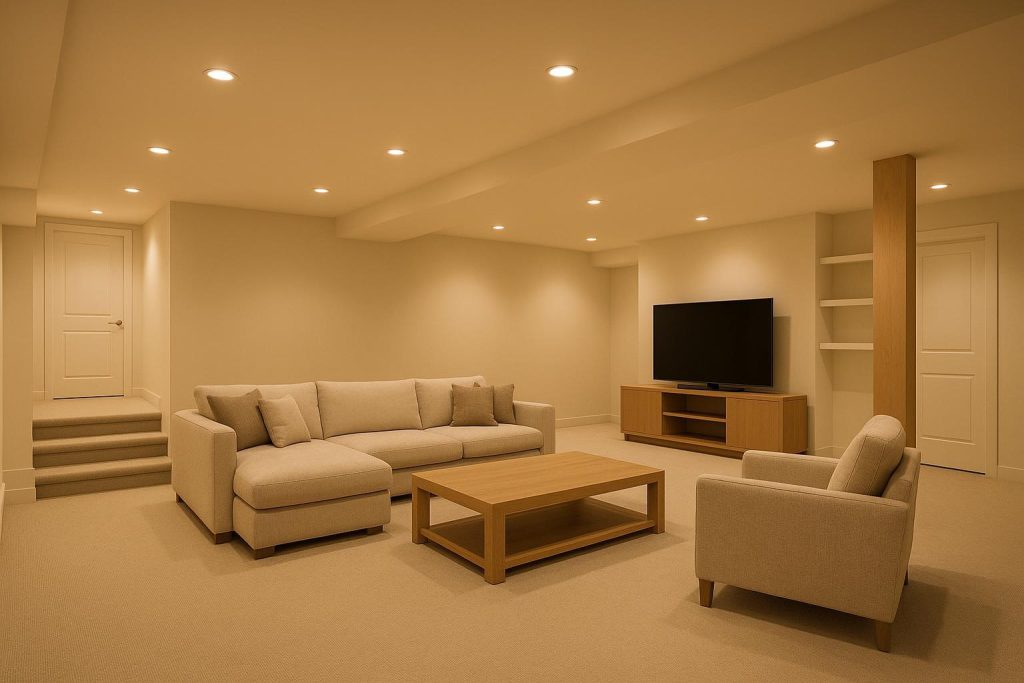
Transforming a Low-Light Basement into a Sleek, Minimalist Retreat
Many homeowners see the basement as an underutilized space with a lack of natural light. Yet, with the right design strategies, you can convert a dim environment into a bright, modern, and minimalist haven. Minimalism emphasizes simplicity, functionality, and uncluttered surfaces, which is ideal for basements that need to feel more open and inviting. Below, we explore practical tips for designing a sleek basement oasis, from choosing the right color scheme to planning layered lighting solutions. By the end, you’ll gain insights on how to make the most of limited square footage and minimal daylight—ultimately creating a comfortable retreat that reflects a purposeful, contemporary style.
1. Harness the Power of Light and Neutral Colors
A defining element of minimalist design is the emphasis on bright, neutral hues that reflect and amplify whatever light is available. In a basement, natural light is often scarce, so every advantage counts. Soft whites, pale grays, and creams can brighten the walls, making the space look and feel bigger. White walls, in particular, provide a clean and timeless backdrop for furniture and decorative pieces, encouraging a calm atmosphere.
When painting your basement walls, seek paints with reflective finishes—like eggshell or satin—that help bounce light around the room. The same principle applies to flooring. Light-colored laminate, polished concrete, or pale hardwood can increase reflectance and prevent the area from feeling gloomy. If you prefer carpeting, opt for neutrals with a subtle shade, so your floor doesn’t absorb too much light.
2. Prioritize Intelligent Lighting Strategies
In a basement with few or no windows, artificial lighting becomes your best friend. A layered lighting plan ensures your space is both functional and welcoming. Begin with overhead lights—recessed can-lights or flush-mount fixtures that deliver broad illumination. Use LEDs with a higher luminous efficacy for a brighter environment that consumes less energy. Consider installing dimmer switches so you can tailor the brightness to different moods, whether you’re entertaining guests or enjoying a quiet evening alone.
In addition to overhead lighting, incorporate lamps and sconces to add depth. Floor lamps can anchor specific areas like seating nooks, while wall sconces accentuate architectural features. You can also use LED strip lights behind television sets or along staircases to introduce subtle glows for ambiance. Combining multiple types of fixtures helps eliminate harsh shadows, giving your basement a more balanced radiance.
3. Reflective Surfaces and Clever Illusions
One of the best ways to amplify limited light in a basement is by using reflective elements. Hanging mirrors opposite your main light source magnifies the sense of open space. The reflection brightens dim corners and boosts any ambient light in the room. You can also explore furniture with metallic or glossy finishes. Glass-topped tables and chrome or stainless-steel legs on chairs can bounce light around, creating a more uplifting aesthetic.
If you prefer a cozy yet open feel, consider translucent partitions or frosted glass panels. Not only do they introduce a modern touch, but they also let light flow between separate areas of the basement. This approach is particularly helpful if you’ve divided your basement into zones such as a media area, home office, or reading corner.
4. Minimizing Clutter with Smart Storage Solutions
Basements often become storage catch-alls, eventually developing a cluttered or cramped atmosphere. A minimalist approach calls for open space and tidy surfaces, so plan your storage carefully. Built-in shelving or cabinetry along walls helps hide items that don’t need to be displayed. Place seldom-used belongings in concealed compartments or discrete, labeled bins. Keep only essential—and visually appealing—decor items visible, maintaining the streamlined ambiance.
Fitted storage solutions are especially helpful in basements where space is at a premium. Cabinets tucked under stairs, behind doors, or in recessed alcoves will maximize every square inch. Doing this helps preserve the open, airy feel so characteristic of minimalist living. If you find you need more examples of how to achieve a neat, streamlined environment beyond the basement, you may also enjoy exploring what are some ways to achieve a clean and clutter-free look in my kitchen remodel? to extend the same tidy principles to other rooms.
5. Select Functional and Simple Furnishings
In a minimalist design, quality always outranks quantity. Too many items can make an already small room feel cramped. Opt for furniture that has clean lines and purposeful usage. Low-profile sofas or chairs keep sightlines open, allowing you to appreciate more of the vertical space. Multi-functional pieces, such as benches with hidden storage or sleek coffee tables with drawers, offer added utility without adding heft to the layout.
When browsing for seating, tables, or shelves, choose items with neutral or subdued hues. This consistency in color ensures a cohesive look that’s easy on the eyes. Avoid excessive patterns or ornate details, which might overwhelm the overall design. If you need to seat many guests, modular furniture or nesting side tables are great for maintaining space efficiency.
6. Incorporate Subtle Texture for Warmth
A common myth about minimalism is that it creates cold or impersonal spaces. On the contrary, minimalism can be warm and inviting if you layer subtle textures. For instance, a neutral-toned throw blanket or a plush area rug can add depth and comfort. Choose fabrics like cotton, linen, or wool for a more organic feel. The layering of textures should be understated, serving as a gentle accent rather than a distraction.
Similarly, wood accents can introduce a natural warmth that complements a neutral color palette. Whether you choose wood paneling on a feature wall or simple end tables with a clean finish, organic materials help tie the design together without taking away from the sleek, minimalist vibe.
7. Embrace Versatile Layouts
Basements can serve multiple purposes—from relaxed family lounges to entertainment hubs or home gyms. A minimalist approach works well for these multi-use scenarios because it simplifies transitions from one activity to another. Consider movable partitions or lightweight furniture that’s easy to reconfigure. This way, you can optimize the layout based on current needs, such as hosting a movie night or setting up a dedicated workspace.
Carefully planning your basement’s layout also helps you identify potential design pitfalls, such as awkward corners or low ceilings. By placing taller furniture against the highest walls and using shorter pieces near lower ceilings, the space feels balanced and spacious. If you aspire to extend this thoughtful approach to the rest of your home, check out how to incorporate minimalist design elements into a full-home renovation for more ideas.
8. Keep Decor Minimal Yet Impactful
Artful minimalism means choosing a few items that have personal significance or create focal points. A single piece of art, a carefully placed sculpture, or a statement plant can enhance a basement’s character without overwhelming it. Large-scale artworks with simple color palettes can draw attention subtly while preserving the uncluttered aesthetic.
When it comes to greenery, select houseplants that can thrive in lower-light settings. Snake plants, pothos, or ZZ plants are excellent for basements due to their resilience and low-maintenance needs. Place them strategically near your lighting sources to ensure they get enough brightness, whether artificial or natural.
9. Achieving Warmth with Ambient Elements
Minimalist designs don’t have to be stark. By introducing soft ambient elements, your basement will feel inviting and cozy. Consider a fireplace insert if your basement layout allows—it can act as a striking focal point while providing genuine warmth. Alternatively, candles or diffusers can infuse a subtle glow and pleasant aroma.
If you’re concerned about dryness in your basement, add a humidifier designed with sleek lines to avoid clashing with the minimalist vibe. Watching humidity levels is important in lower areas of the home, as too much moisture can lead to mold, while dryness can be uncomfortable. Striking this balance keeps your basement functional, healthy, and welcoming.
10. Utilizing Vertical Spaces
Basements often lack expansive ceilings, but that shouldn’t stop you from smartly using vertical surfaces. Wall-mounted shelves, pegboards, or floating cabinets provide extra storage without encroaching on floor area. This approach is especially valuable if your basement doubles as a workshop or craft room. Keep the design consistent with your overall theme: white or light wood shelves with minimal hardware ensure that your walls remain a backdrop rather than a dominant feature.
In addition, well-placed wall art or even a minimalist clock can heighten visual interest without crowding the space. Minimalism thrives on balance: regulate the number of items on each wall and leave some blank sections for the eyes to rest.
11. Focus on Air Quality and Comfort
Even the most beautifully decorated basement can feel unwelcoming if it isn’t comfortable. Because basements are below grade, they’re prone to dampness or temperature fluctuations. Invest in proper insulation and consider finishing your walls and floors with moisture-resistant materials. Solid insulation not only helps with temperature control, but also cuts down on external noise, letting you relax more easily.
A well-placed dehumidifier keeps humidity in check. Combine this with an appropriate HVAC system that circulates fresh air throughout the basement. Ventilation is key in lower levels, and if you can incorporate energy-efficient solutions, that’s even better.
12. Extend Your Minimalist Vision Throughout
Once you experience how open and luminous a minimalist approach can make your basement, you might want to replicate this transformation in other areas, such as bathrooms or kitchens. For example, if you’re exploring ways to maintain a modern aesthetic in your bathroom, you may find insights in which bathroom features best support a simple, modern aesthetic? Incorporating consistent design elements throughout your home fosters a sense of cohesion and harmony.
Minimalism doesn’t need to be confined to one room. Scaling these ideas across different spaces can create a more calming atmosphere, reduce clutter, and help you appreciate the intentional design choices you make. From selecting unified color palettes to implementing identical storage solutions, each room can feel like part of one cohesive vision.
13. Personalizing Your Basement With Purpose
Although minimalism emphasizes restraint, it shouldn’t erase your personality. Include pieces that resonate with you—just be sure each item serves a purpose. Perhaps you hang simple photographic prints from your travels to add a personal element. Or maybe you keep a decorative shelf to display a small collection that speaks to your passions. The key is to place items thoughtfully, giving them room to stand out without adding clutter.
Remember, minimalism doesn’t demand that your space be devoid of color or detail. Play with subtle accent elements, like a pastel cushion or a braided wall hanging, to inject warmth. These flourishes stand out even more in a clean, uncluttered environment.
14. Execution and Final Touches
If you decide to install new fixtures, build custom cabinets, or refine structural elements, professional input can be beneficial. Renovation experts can provide valuable advice about building codes, proper insulation, and moisture management specific to basements. They can also guide you on how to integrate sophisticated lighting designs that enhance the minimalist theme.
After the structural elements are set, consider the details that elevate your basement to a sleek retreat. For instance, minimalistic hardware for doors, cabinets, and drawers ensures consistency. Substituting bright overhead lights with dimmable ones at night can help your eyes adjust for relaxation. You could even add a small reading nook with a cozy chair, ensuring you have a quiet corner to unwind.
The Takeaway: Achieving Brightness and Serenity Underground
A minimalist basement renovation is a step toward enjoying more usable space in your home without feeling cramped or gloomy. By using a neutral color palette, layered lighting, smart storage, and carefully chosen furnishings, you can design a basement that feels tranquil, modern, and consistently clean. Reflective surfaces and open layouts further enhance the perception of spaciousness, while personal touches create a gentle warmth.
If you’re looking for more ideas on basement renovations or guidance on how to adapt your home to a minimalist aesthetic, consider consulting with professionals who can personalize these strategies to your specific basement layout. Every house is unique, and an experienced team can make recommendations that fit your needs, budget, and style. For more insight into home transformation ideas, visit our Home page. You’ll discover additional resources to help you dream up a bright, sleek, and clutter-free environment in any corner of your home. With mindful planning and attention to detail, even a low-light basement can metamorphose into a comfortable, contemporary retreat that showcases your taste and suits your lifestyle.