
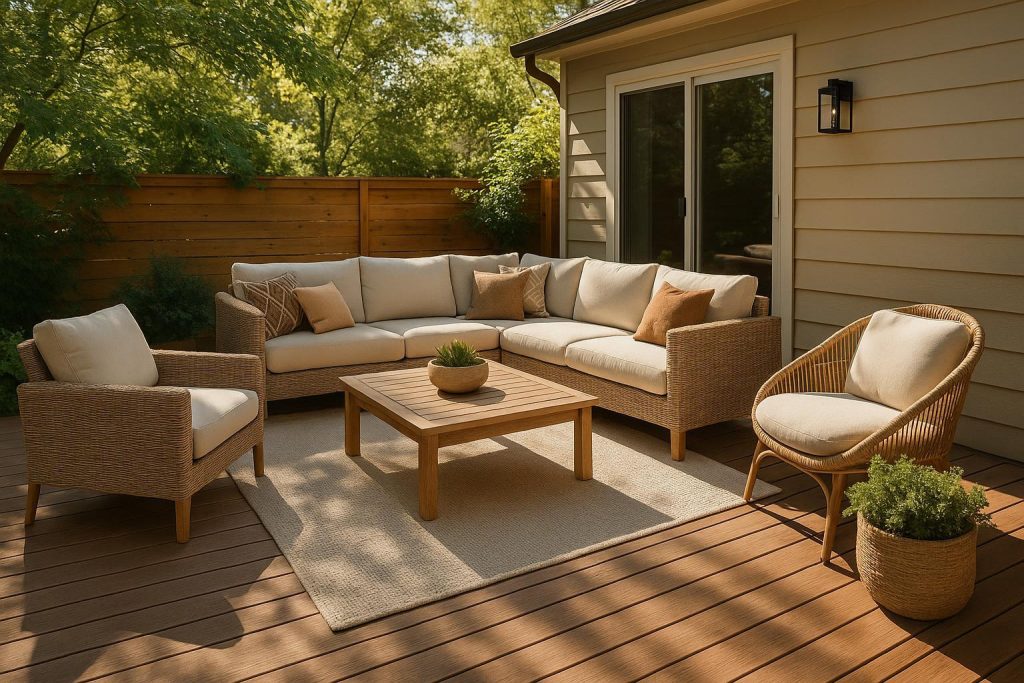
The Vital Role of Weather-Resistant Materials in Your Outdoor Lounge
An outdoor lounge can transform your backyard, deck, or patio into an inviting, extra living space where you can relax, entertain, and make the most of warmer days—even in cooler climates if you plan properly. But because this area has direct exposure to the elements, choosing the right weather-resistant materials is paramount. Rain, wind, humidity, frost, heat—nature throws a variety of challenges at your outdoor furniture, cushioning, and finishes. Fortunately, new technologies and tried-and-true materials can help you create a space that stands up to the test of time.
1. Why Weather-Resistant Materials Matter
When you’re designing (or updating) an outdoor lounge, every decision you make—right down to the type of wood, metal, or synthetic—is crucial for long-term comfort and aesthetics. Furnishings that handle moisture and UV rays effectively won’t just save you money in the long run, but also reduce upkeep and maintain that inviting atmosphere. Below are key reasons to insist on weather-resistant choices:
- Long-Term Durability: Quality materials retain their structural integrity despite fluctuations in temperature and humidity.
- Consistent Comfort: Weatherproof fabrics and finishes keep cushions dryer longer and surfaces cooler to the touch in direct sun.
- Easy Maintenance: You spend less time sanding, staining, and sealing—and more time actually enjoying your outdoor space.
- Visual Appeal: Fade-resistant finishes stay looking fresh, and you can choose from a variety of colors and styles that won’t deteriorate.
By selecting resilient materials, you position yourself for success in creating a hassle-free, always-inviting haven outdoors.
2. Top Wood Options for Outdoor Settings
Wood remains an evergreen choice for outdoor lounges due to its warm, organic charm. Not all wood species, however, can survive repeated exposure to moisture and direct sun. Below are some of the most popular options:
- Teak: Teak naturally boasts a high oil content that repels water. Since it resists rot and insect damage, many consider it the gold standard for outdoor furniture. It’s higher in price, but teak’s durability and elegant patina as it ages justify the investment for many homeowners.
- Cedar: Cedar’s refreshing aroma corresponds to its natural oils, which help guard against insects and fungi. It withstands weather pretty well, but still benefits from occasional sealing to preserve color. Cedar also tends to stay relatively cool to the touch in hot sun.
- Redwood: Redwood possesses natural tannins that ward off rot and pests. With proper sealing, it will keep its rich hue longer. Redwood’s visually striking grain is a popular reason many people choose it for showpiece seating and accent items.
- Ipe: An extremely dense hardwood, ipe is known for its impressive longevity and high resistance to scratches, fungus, and insects. Its density, however, can complicate installation, so you may wish to consult a professional if you plan a large-scale ipe project.
- Acacia: This more budget-friendly hardwood has a rich color and decent weather resistance. With proper treatment and finishing, acacia performs well as side tables, accent chairs, or decorative pieces. Frequent sealing is recommended to maximize its moisture protection.
If you choose wood furniture for your lounge, add an appropriate weatherproof sealant or finishing coat each season (or as recommended by the manufacturer). A regular maintenance routine helps prevent cracking, fading, or warping, ensuring your wooden pieces keep their warm look for many years.
3. Metal Furniture: Strength and Style
For those seeking a modern or industrial vibe, metal furniture can serve as a sleek, durable solution. Most metals used for outdoor furniture are treated to prevent rust, but their performance can vary based on your local climate and how diligently you maintain them. Common metals include:
- Aluminum: Lightweight, sturdy, and rust-resistant, aluminum is a top pick if you like rearranging your outdoor space. It often receives a powder-coating that enhances color and scratch resistance.
- Stainless Steel: Stainless steel furniture is known for its durability and corrosion resistance, especially if it’s marine-grade, but it can become quite warm under direct sunlight. Look for designs with built-in ventilation or add outdoor cushions to offset heat.
- Wrought Iron: Wrought iron pieces are heavier but can last decades with consistent care. Galvanized or powder-coated finishes provide extra rust protection. If you live in a wetter climate, consider storing or covering iron furniture during rainy spells.
Metal furniture can get hot to the touch in direct sun and may need cushions. Even so, many homeowners love the streamlined, contemporary look and appreciate the overall resistance to dents or breakage.
4. Embracing Modern Synthetic Materials
For minimal maintenance and an array of design possibilities, synthetic materials are a strong contender. Replicating natural textures like wicker or rattan, modern synthetics often use innovative production methods to stand up to harsher climates:
- Resin Wicker: Sometimes called all-weather wicker, this synthetic weave is typically wrapped around an aluminum frame. It resists mildew, rain, and ultraviolet light, providing the classic woven look without the drawbacks of organic fibers.
- Recycled Plastics: Eco-conscious homeowners gravitate toward furniture molded from recycled plastics. These pieces often mimic the appearance of painted wood, reducing the need for refinishing and resisting scratches.
- Synthetic Rattan: By using polyethylene-based fibers, synthetic rattan imitates the popularity of natural rattan with less splitting or fraying. It comes in a variety of colors and styles, making it a favorite for lounge sets, coffee tables, and accent pieces.
Synthetic options typically require only a quick wipe-down or light brushing to stay clean, appealing to those aiming for a low-stress backyard environment. They’re also often lightweight, making reconfiguration of seating areas a breeze.
5. Selecting Cushions and Fabrics That Withstand the Elements
Soft cushions and plush pillows make an outdoor lounge especially welcoming, but ongoing exposure to rain and sun can fade and weaken subpar fabrics. To avoid drab or moldy cushions, consider these materials:
- Solution-Dyed Acrylic: Fabrics dyed at the fiber level hold their color longer and better resist fading. Many solution-dyed acrylics repel water, preventing mildew from forming in wetter climates.
- Polyester Blends: Look for blends specifically treated to be water-repellent, UV-resistant, and stain-resistant. Strong woven fabrics can balance comfort with durability, ideal if you frequently entertain or have children and pets.
- Performance Fabrics: Certain brands offer specialized lines tested for high-traffic and outdoor use. They often include breathable, quick-dry construction. Stain treatments also help keep your seating area looking pristine after spills.
Although many outdoor cushions can be left outdoors, it’s wise to bring them inside or cover them during extreme weather or extended rainfall. Washing covers regularly or spot-cleaning keeps them fresh and extends their usable life.
6. Strategies for Extra Weather Protection
Even the most durable, weather-resistant materials benefit from thoughtful care. Proper storage or occasional resealing can add years to your furniture’s lifespan. Try these best practices to maintain what you own:
- Use Protective Covers: Covering your furniture during storms or the off-season shields it from excess moisture, dust, and UV rays. Waterproof covers with tie-down tabs or elastic hems stay secure even on windy days.
- Store Items Indoors: If you have space in a garage or garden shed, carefully storing smaller chairs, cushions, or decorative pieces during harsh winters or heavy storms can dramatically reduce wear and tear.
- Apply Sealants and Coatings: Metals may need repainting or re-powder-coating if scratches appear, and wooden furniture should be resealed periodically (check product instructions). Taking quick action on small chips or cracks prevents larger problems.
- Foster Airflow: Arrange your lounge so furniture isn’t pressed flush against walls. Air circulation helps items dry after rainfall and reduces the risk of mold or mildew.
By introducing small, periodic maintenance tasks into your routine, you’ll uphold a comfortable and attractive outdoor lounge, no matter how erratic the seasons get.
7. Designing for Visual Harmony and Comfort
Beyond choosing durable materials, it’s equally rewarding to create an aesthetically coherent and cozy environment. Your lounge should reflect your personal style while accommodating guests. Here are thoughtful tips:
- Coordinated Color Schemes: Decide on a primary palette, whether warm neutrals or lively tropical hues. Let your choice of furniture material guide which accent colors to highlight—wood’s natural browns or reds, metals’ sleek grays, etc.
- Seating Arrangement: Position chairs and sofas so individuals can converse easily. If you have a large deck or patio, consider dividing it into zones—like one area for dining and another for lounging or reading.
- Layering Textures: Mix wood, metal, or synthetic surfaces to break up monotony. A wooden coffee table alongside resin wicker lounge chairs can bring both coziness and contemporary flair.
- Lighting Solutions: Outdoor-rated pendant lights, LED string lights, and portable lanterns add ambiance after sunset. Well-placed lighting makes your space accessible and safe during evening gatherings.
- Incorporate Greenery: Plants—whether in planters, hanging baskets, or near the perimeter of your lounge—complement the natural theme and provide a sense of calm. Select species that thrive in your local climate to minimize upkeep.
Striking a balance between aesthetics and function ensures your lounge is welcoming and easy to use, making it a favorite gathering place year-round.
8. Staying on Top of Maintenance
Regardless of how robust your outdoor pieces might be, they’ll need a little routine care to keep them looking polished. Here’s how to preserve both form and function:
- Frequent Cleaning: Dirt, leaves, and pollen accumulate quickly. Regularly wipe or hose down surfaces to remove debris before it causes discoloration or mold. Wooden pieces, especially, do well with gentle cleaning to avoid surface scratches.
- Prompt Repairs: Keep an eye out for paint chips, loose screws, or tears in cushions. Catching issues early typically makes repairs easier and cheaper, as small imperfections can balloon into bigger damage over time.
- Fabric Care: For cushions with removable covers, plan to wash them every few weeks (or at least once a season, depending on use). Air-dry items thoroughly before replacing them on cushions to avoid mildew.
- Rotate Furniture: If only one section of your lounge gets uninterrupted sun, rotate your furniture arrangements from time to time. This helps prevent uneven fading and wear.
By investing a little time in care, you’ll extend the life of your outdoor lounge and maintain a high level of comfort and appearance—making it easier to entertain or relax at a moment’s notice.
9. Factoring in Your Region’s Climate
Ensure that the materials and designs you choose align with your local weather patterns. For instance, oceanfront areas deal with salty air and strong winds, so corrosion-resistant metals and robust protective finishes are a must. Desert climates demand UV-resistant fabrics and materials that won’t crack under severe heat. Meanwhile, regions with harsh winters may call for seasonal storage or at least heavy-duty covers. Always double-check how a material or piece of furniture is expected to behave in your environment—this helps avoid unwelcome surprises later.
10. Extra Tips for Creating a Cozy, Long-Lasting Retreat
To make sure you get maximum enjoyment from your outdoor lounge, factor in the following:
- Overhead Cover: A partial roof, pergola, or umbrella can shield you and your furniture from rain and excessive sunshine while still giving you an open-air atmosphere.
- Flooring and Surfaces: Ensure your deck or patio surface is slip-resistant and drains water effectively to protect furniture legs from pooling moisture.
- Heating Options: In cooler areas, consider adding a fire pit or outdoor heater so you can continue to use your lounge on crisp evenings.
- Quality vs. Quantity: It can be tempting to buy cheaper items if you’re trying to furnish a large space. Often, though, investing in fewer, versatile high-quality pieces yields better comfort, longevity, and style.
A thoughtful approach to your lounge’s design and material choices helps ensure you’ll enjoy it for far longer than just a single season. The right mix of protection, upkeep, and style transforms an ordinary deck or patio into an outdoor extension of your home.
11. Final Thoughts on Weather-Resistant Outdoor Lounges
Creating a comfortable, inviting outdoor lounge starts with understanding and prioritizing durable materials. Woods like teak, cedar, and ipe impart classic warmth. Metals such as aluminum or stainless steel can enhance a contemporary look without sacrificing strength. Modern synthetic fibers often provide the best of both worlds—gorgeous style and minimal maintenance. Topping it all off, high-performance cushion fabrics can stay fresh and vibrant through seasons of sunshine, rain, and changing temperatures.
Although your furniture will do much of the heavy lifting, it’s still crucial to enforce good care habits. Seasonal cleaning, convenient storage options, and occasional resealing or re-covering play vital roles in ensuring your outdoor haven remains a year-round delight. If you ever need more specialized help—perhaps for a full redesign or a custom-built deck approach—reach out to professionals who specialize in renovations and outdoor living spaces. One example is Awlridge Renovations, a team experienced with bringing together style, durability, and functionality in various exterior projects.
In the end, your outdoor lounge should be a stress-free sanctuary. By pairing the right materials with consistent maintenance, you’ll enjoy relaxing moments, lively get-togethers, and a beautiful space that weathers storms and seasons for years to come.