
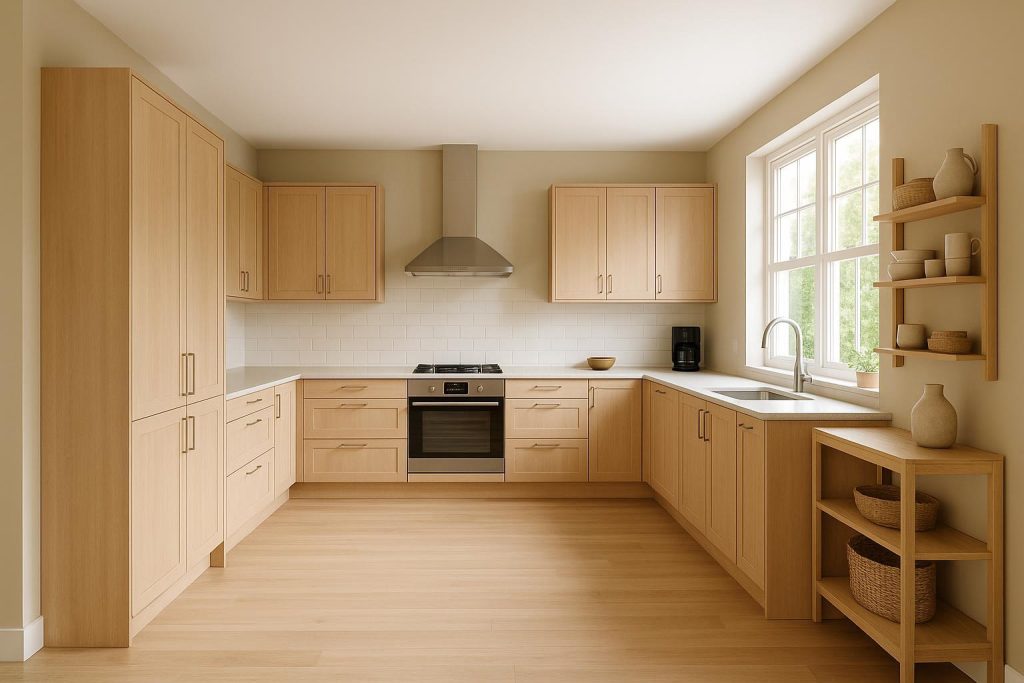
When a Kitchen Island Might Not Be the Best Option
Kitchen islands are often seen as the pinnacle of modern design, promising extra countertop space, additional storage, and a convenient gathering spot for family and friends. However, an island is not always the ideal solution for every home. The decision to include a kitchen island depends on various factors such as your layout, space constraints, how you use the kitchen, and whether your existing design can comfortably accommodate one. In this in-depth guide, we’ll explore why a kitchen island might not be the right choice for certain kitchens, what you can do instead, and how to recognize if you’d benefit from an alternative. By thoroughly evaluating your kitchen’s unique characteristics, you can make a confident choice about whether to install an island—or skip it.
1. Limited Floor Space
A common reason to avoid adding a kitchen island is having insufficient floor space. While an island provides extra storage and prep surfaces, it demands plenty of physical room around it for safe, comfortable movement. If your kitchen is on the smaller side, squeezing in an island can lead to:
- Cramped walkways: Most homeowners prefer at least 36 to 42 inches of clearance around all sides of an island for smooth traffic flow. Anything less than that can feel like you’re navigating a narrow hallway every time you prep a meal.
- Blocked appliances: If your oven, dishwasher, or refrigerator doors don’t have room to open fully without bumping into an island, cooking and cleaning become unnecessarily difficult.
- Cluttered feel: A tight layout with an island in the center can reduce the sense of openness, making the entire space appear cluttered or smaller than it already is.
Before you commit to an island, accurately measure your available space. Remember to account for appliances, cabinet doors, and typical kitchen traffic patterns. If you can’t maintain at least 36 inches of clearance on all sides, chances are an island will do more harm than good.
2. Awkward Layout or Traffic Flow
Another scenario where an island may not be the best choice is when it disrupts the natural traffic flow. Many kitchens operate around a central “work triangle”—the path connecting your sink, refrigerator, and stove. Ideally, this triangle remains unobstructed for quick, safe maneuvering between these crucial spots. If you install an island that falls directly between any two key points in the work triangle, you risk:
- Extra steps and effort: Constantly walking around an island to reach the refrigerator or sink can make routine tasks more cumbersome.
- Congestion: If multiple people like to cook together, an ill-placed island can escalate traffic jams. Instead of improving workflow, it can create unnecessary confusion or collisions.
If your kitchen’s blueprint forces you to weave around obstacles, consider alternatives that can preserve or enhance flow, ensuring meal prep remains a smooth process.
3. Lack of Need for Additional Storage or Countertop Space
Kitchens vary in their need for storage and workspace. Sometimes, you may already have enough cabinetry, pantries, and countertop areas to handle your cooking and storage demands. Adding a kitchen island could be excessive if:
- You have multiple walls of cabinets or a large pantry that satisfies current storage needs.
- Expansive countertops already exist, providing ample space to prepare food or entertain.
- You rarely cook large meals, so extra surfaces would remain largely unused.
In these cases, installing an island might mean committing space and budget to something that doesn’t truly improve functionality.
4. Budget Considerations
Kitchen islands can be surprisingly expensive, depending on the materials and features you want to include—such as a sink, stove, or custom storage solutions. If you’re on a tight renovation budget, you might decide you’d be better served directing those funds elsewhere in the kitchen. For example:
- Upgrading your appliances for better efficiency and functionality.
- Improving your kitchen’s lighting to brighten up food prep areas.
- Refinishing or replacing countertops and cabinets for a refreshed look and feel.
A sleek new island can definitely be an eye-catching addition, but if you’re making tough choices to stay within your budget, ensure the island aligns with your practical priorities. Oftentimes, homeowners find that allocating funds to better storage solutions or crucial updates yields more long-term satisfaction than an island that sees moderate use.
5. Desire for an Open Concept
Many homeowners love the idea of an open-concept kitchen that seamlessly connects to adjacent living or dining areas. Ironically, inserting a large island in the center can sometimes hinder the openness you originally envisioned. While islands can blend the kitchen with the rest of the home, a bulky center structure may also serve as a divider. If you have a modest floor plan or prefer direct sightlines across the room, an island might break up the space. Consider maintaining open sightlines with:
- A peninsula or breakfast bar: Linking the kitchen to the rest of the living area without obstructing views.
- Hanging shelving or open cabinetry: Offers additional storage without building a block in the middle of the space.
6. Short Timelines or Renovation Disruption
Including an island in your kitchen plans typically involves more than just adding a single piece of cabinetry. You may need to:
- Run electrical or gas lines to power appliances or outlets on the island.
- Install additional lighting fixtures or ventilation hoods.
- Coordinate plumbing if you plan on adding a sink or dishwasher to the island.
This complexity can add to your timeline and overall renovation costs. If you want a quicker, less involved update, it might be wise to skip the island and focus on simpler upgrades like refinishing cabinets, updating backsplashes, or modernizing fixtures and appliances. Avoiding the island altogether can help you get back into a functioning kitchen faster.
7. Multiple Cooks or Entertaining Styles
Although islands often serve as a hub for socializing, hosting, or collaborative cooking, the reality may differ for kitchens that handle multiple cooks at once. An island can become a bottleneck if the chefs in your home frequently need to pass each other or access the same workspace. This is especially true if:
- You’re used to cooking side by side with a partner or family member.
- You frequently host dinner parties and rely on a streamlined layout to serve multiple guests.
If you have a long, narrow kitchen or one with a unique layout, a large island in the middle might feel more restricting for multiple cooks buzzing around. Analyze your usual meal prep workflows: If you worry an island would boost the likelihood of collisions or slow you down, it’s likely not the best investment.
8. Better Alternatives Exist
Sometimes, homeowners think a kitchen island is the ultimate solution to all their design dilemmas. But in reality, other options can meet or exceed an island’s benefits. Consider these alternatives:
- Peninsula: Similar to an island, a peninsula provides extra seating and workspace but is attached to a wall or cabinet area, offering a more efficient layout in smaller kitchens.
- Mobile cart or butcher block: If you need extra surface area only occasionally, a rolling cart can supply countertop space when needed and be stored away afterward.
- Wall-mounted foldable table: Ideal for especially tight kitchens, this table can fold down when not in use, maximizing available space.
Each of these alternatives can solve space or budget issues, especially if you don’t need a permanently fixed and fully equipped island. There’s often a creative solution that complements your kitchen’s architecture without reducing overall functionality.
9. You Prioritize Other Renovation Areas First
Kitchen remodeling can be a major undertaking, and sometimes the focus should lie elsewhere—such as improved appliances, added storage pantries, or fresh aesthetics. For instance, if you’re planning a full renovation, you might upgrade:
- Cabinetry for more organized storage, enabling you to keep surfaces clear of clutter.
- Countertops made of durable, easy-to-clean materials.
- Lighting to reduce shadows where you chop and prep.
- Flooring for a fresh, unified look that’s easier to maintain.
These upgrades might deliver more day-to-day impacts than an island. If you find an island is at the bottom of your priority list—or you only have the budget to tackle a few changes—investing in other aspects of your kitchen might be more beneficial in the long run.
10. Your Personal Cooking and Lifestyle Habits
Ultimately, your personal cooking style and lifestyle have a huge influence on whether a kitchen island makes sense. Some homeowners love to host and benefit from the central gathering spot. Others rarely cook large meals and prefer to keep the kitchen open for quick access. If having an island adds more hassle than convenience, there’s no rule saying you must install one. When in doubt, weigh the pros and cons from your perspective:
- Do you love cooking elaborate dishes and need extra space to spread out ingredients and utensils?
- Do you have small children who will use the island as homework space or a casual eating area?
- Is your kitchen a high-traffic zone that’s already busy without an added fixture in the middle?
By carefully considering these factors, you can easily decide if an island will improve your everyday routine—or complicate it.
When It Makes Sense to Seek Professional Advice
If you’re still unsure whether a kitchen island is suitable, talking with renovation professionals can help clarify your options. At times, a design-centered approach can uncover previously overlooked layout solutions, or confirm an island isn’t feasible. If you’d like to speak with a team that specializes in designing functional, high-quality kitchen renovations, consider visiting our Home page for insights and further inspiration.
Final Thoughts
Though kitchen islands appeal to many homeowners, there are situations in which adding one might not be the best move. Perhaps your kitchen is too small, or maybe the layout doesn’t lend itself to an island without hindering workflow or consuming too much space. Sometimes budgets, timelines, and personal cooking habits also lead homeowners to skip an island in favor of more practical upgrades. By evaluating the specific dimensions, needs, and traffic flow of your kitchen, you can decide whether an island would truly enhance your daily life or potentially cause more challenges. And if you find you love the idea of a central hub but your space won’t allow it, alternatives like peninsulas or mobile carts can still deliver some of the perks of an island—without the drawbacks. In the end, a well-thought-out kitchen design means basing final decisions on what makes sense for you, ensuring your kitchen is both functional and welcoming for years to come.