
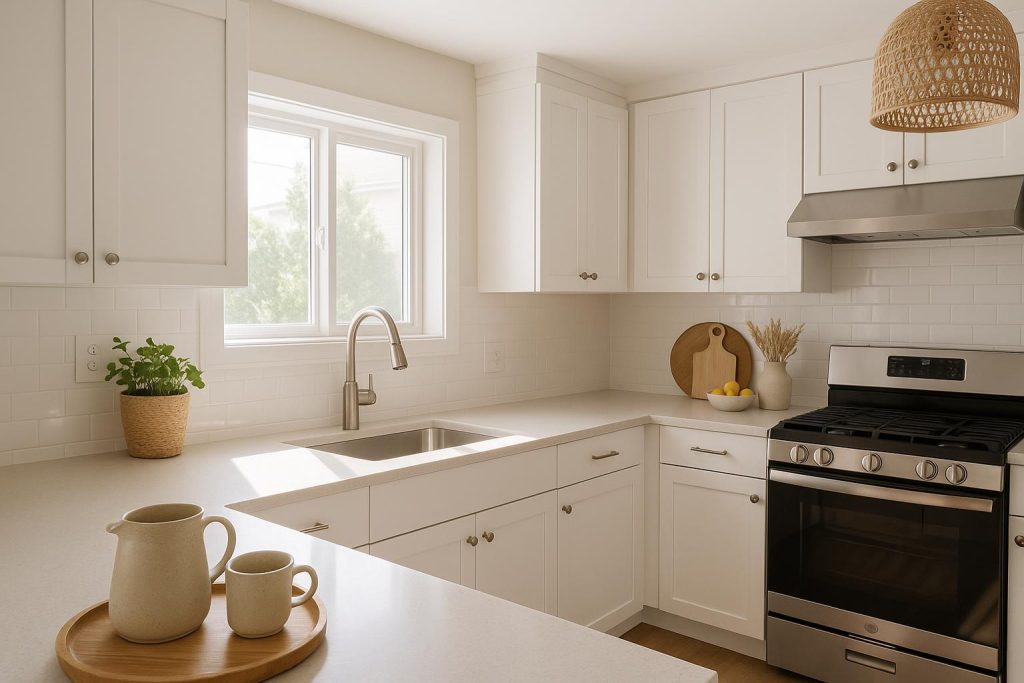
A Comprehensive Guide to Low-Maintenance Countertops
When planning a kitchen or bathroom renovation, choosing the right countertop is often one of the biggest decisions. The material you select can profoundly affect not only the visual appeal of your space, but also the level of day-to-day upkeep required. For many homeowners, the most critical factor is finding a countertop that is easy to clean, durable, and resilient over time. This guide will take a deep dive into the types of countertops that tend to have the least ongoing maintenance, helping you make an informed choice that seamlessly fits your household’s needs and lifestyle.
In the sections below, we’ll explore various popular countertop materials—from quartz to stainless steel—and examine how each stacks up in terms of cleaning, sealing requirements, resistance to stains, and general upkeep. By taking a holistic look at all the options, you’ll be able to confidently decide which material suits your renovation goals. Whether you’re upgrading your kitchen island, sprucing up a bathroom vanity, or undergoing a full-on home remodel, this information can help you achieve a beautiful, hassle-free countertop installation.
1. Quartz Countertops: The Low-Maintenance Favorite
Why Quartz? Quartz countertops have soared in popularity over the past decade, largely because they offer a sleek, luxurious appearance without the high-maintenance requirements of many natural stones. Quartz is an engineered or “man-made” material composed of crushed natural quartz crystals bound with resins. This manufacturing process results in a highly durable, non-porous surface that resists stains, spills, and scratches quite effectively.
Maintenance Made Simple: Having a non-porous surface means that you typically don’t need to worry about sealing quartz countertops. Simply wipe up spills with a mild soapy water solution and a soft cloth or sponge. Because there is no need for regular sealing, buffing, or polishing, quartz remains one of the easiest materials to keep looking pristine.
Style and Variety: Beyond the maintenance advantage, quartz also offers seemingly endless design possibilities. Manufacturers produce a vast array of colors and patterns, including realistic simulations of marble, granite, and even concrete. Whether your aesthetic leans toward modern minimalism or traditional warmth, quartz can fulfill those design preferences—making it an excellent blend of beauty and practicality.
2. Laminate Countertops: Budget-Friendly and Easy to Clean
Why Laminate? Although laminate might not always evoke the same high-end appeal as solid stone or quartz, it remains a steadfast favorite for homeowners who value simplicity, affordability, and minimal upkeep. Laminate countertops are made by adhering layers of paper or fabric with resins onto particleboard or plywood. This method creates a smooth surface that is easy to clean and maintain.
Minimal Maintenance Requirements: Much like quartz, laminate is non-porous, so you won’t need to seal it. With minimal daily upkeep—usually just wiping with a mild cleaning spray or soapy water—laminate can retain its original shine for many years. You do, however, want to be cautious about placing extremely hot pots or pans directly on a laminate surface, as it can scorch or warp under very high temperatures.
Making the Most of Laminate: Today’s laminates come in extensive design variations, from bright, solid colors to realistic wood grains and stone-inspired finishes. Modern printing technology has elevated laminate’s aesthetic potential, and many homeowners complete the look with sleek edge treatments. For those seeking a balance of cost-effectiveness, durability, and easy day-to-day care, laminate is a top contender.
3. Solid Surface Countertops: Streamlined and Repairable
What Is a Solid Surface? Solid surface countertops like Corian are made from acrylic or polyester resins mixed with fillers. These countertops have a uniform composition throughout their thickness and can be easily formed into different shapes, including integrated sinks. Their seamless look and contemporary edge design possibilities appeal to many homeowners, especially those looking for a more streamlined aesthetic.
Ease of Maintenance: Solid surface countertops are non-porous, which means they resist staining and do not typically harbor bacteria. They can be kept clean using just mild soap and water or a specially formulated countertop cleaner. One of the biggest perks is that minor scratches or blemishes can be buffed out with a fine sandpaper or abrasive pad, restoring the original finish without needing a full replacement.
A Consideration for Heat: Similar to laminate, you’ll want to use trivets or hot pads under high-heat items because extreme heat can damage the material. However, solid surface countertops remain a strong choice if you want an easy-care option that can be repaired relatively easily should minor damage occur.
4. Porcelain Countertops: Durable and Elegant
Porcelain Power: Porcelain countertops often fly under the radar but are gaining recognition for their high durability and low maintenance. Similar to porcelain tiles, these countertops are made from dense clay that is fired at high temperatures, resulting in a scratch-resistant and highly durable material. Many porcelain slabs are produced in eye-catching designs, including veins and patterns that mimic marble or other natural stones.
Minimal Upkeep: Porcelain is non-porous, meaning it doesn’t require sealing and is resistant to water damage, stains, and mildew growth. Most spills can be easily wiped away using a sponge or mild cleanser. In busy households or environments where messes happen frequently, porcelain proves to be a practical choice for both kitchen islands and bathroom vanities.
Heat Resistance and UV Stability: Another appealing feature is that porcelain generally withstands heat well. You still want to use caution with direct exposure to extremely hot cookware, but it’s less likely to be damaged than some other surfaces. Additionally, porcelain countertops often resist fading or discoloration, maintaining a fresh appearance over the long term—especially useful if you have a kitchen flooded with natural light.
5. Stainless Steel Countertops: Professional and Long-Lasting
The Industrial Advantage: Stainless steel countertops tend to be associated with commercial kitchens, but they have increasingly found their way into stylish residential homes. Known for their sleek, modern appearance, stainless steel surfaces can complement minimalist or industrial design concepts. Perhaps most notable is their easy upkeep: stainless steel is both heat-resistant and highly durable against most kitchen-related wear and tear.
Wiping Away the Mess: Because steel is non-porous, liquids and stains cannot penetrate its surface. You can clean it using a simple mixture of warm water and mild soap, or a dedicated stainless steel cleaner for tougher smudges. While fingerprints and smudges can accumulate, a quick wipe-down is all it takes to restore the material’s natural shine.
Durability vs. Scratching: Stainless steel resists chipping, cracking, and extreme heat, but it can show small scratches over time. Some homeowners actually appreciate how these minor scratches add character. If you prefer a consistently smooth finish, opting for a brushed or matte style can help conceal day-to-day marks.
What About Natural Stones?
Natural stones like granite, marble, and soapstone often come up in discussions about countertop materials. While many stone surfaces bring a timeless beauty to any room, they may not always be the lowest-maintenance options relative to quartz or laminate.
- Granite: Granite is fairly durable and relatively resistant to heat. However, it’s porous and thus requires periodic sealing to maintain stain resistance. If you’re comfortable resealing once or twice a year and promptly cleaning spills, granite can still be a good choice.
- Marble: Marble’s luxurious look is coveted, but it’s more porous, vulnerable to acidic spills, and prone to etching. Regular sealing is essential, and even then, you may see marks if, for instance, lemon juice is left on the surface too long.
- Soapstone: Soapstone doesn’t typically need sealing, but it does develop a patina over time and may get surface scratches. Some homeowners appreciate this evolving character, while others may find it less appealing if they prefer a consistent, polished look.
Choosing the Right Low-Maintenance Countertop for Your Lifestyle
Finding the perfect fit for your home depends on balancing aesthetics, practicality, and budget. Here are a few questions to ask yourself:
- How often will the countertop be used? In a high-traffic kitchen, you’ll likely want a surface that is highly stain-resistant, heat-resistant, and scratch-resistant. Households with young children or frequent gatherings might lean toward quartz, laminate, or even a sturdier porcelain material.
- What’s your budget range? Laminate and some populous lines of quartz can be cost-effective, while specialized or premium quartz and custom porcelain may run a bit higher. Remember that even if you pay more initially for a lower-maintenance material, you may save on future resealing or repair costs.
- Do you expect a lot of hot items on the surface? If you place pans directly from the oven onto your countertops, surfaces like stainless steel or certain styles of quartz can better handle the heat. Even with high heat resistance, it’s wise to use trivets or protective pads whenever possible, if only to preserve the product’s integrity longer.
- What look or style is most appealing? A minimalist, bright kitchen might benefit from the polished, clean lines of stainless steel or a crisp white quartz. Those leaning toward a modern farmhouse or eclectic vibe might love the color range and patterns in laminate or porcelain. Meanwhile, lovers of a sleek, uniform aesthetic often consider solid surface for its seamless transitions and integrated sink options.
Practical Tips for Maintaining a Low-Maintenance Countertop
- Wipe Up Spills Promptly: Even though most low-maintenance surfaces resist staining, catching spills early helps maintain a spotless finish.
- Use Gentle Cleaners: For day-to-day cleaning, a simple soap-and-water solution remains effective. Harsh chemicals might dull the finish over time.
- Employ Cutting Boards: Although many low-maintenance materials resist scratches, cutting directly on your countertop can create small marks or dull your knives.
- Protect from Extreme Heat: Even heat-resistant surfaces benefit from a buffer (like a hot pad). Prolonged direct contact with hot cookware can cause discoloration or minor damage.
- Read the Manufacturer’s Guidelines: Each countertop type may have a recommended cleaning regimen or do’s and don’ts that can extend its lifespan.
When to Consult a Professional Renovation Specialist
While plenty of homeowners successfully handle minor renovations on their own, selecting and installing a new countertop can be a more complex project—especially if it’s part of a larger kitchen or bathroom remodel. Consulting with an experienced renovation specialist can save you time, reduce the risk of installation errors, and ensure that the countertop integrates seamlessly with other design elements in your home. Proper installation affects not only the appearance but also the long-term performance of the countertop.
For instance, if you live in or around the Edmonton area, you can look for local contractors who offer comprehensive services, design suggestions, and custom solutions. Working with a reputable team helps ensure that your countertop will fit perfectly, be well-supported, and coordinate with cabinetry, backsplashes, and flooring. If you’re also considering other upgrades like reconfiguring your kitchen layout, adding a backsplash, or transforming bathroom spaces, a full-service approach can streamline the process.
Final Thoughts
When it comes to minimizing daily upkeep, countertops like quartz, laminate, porcelain, solid surface, and stainless steel top the list. Each provides a unique combination of aesthetic choices, durability, and simple care routines—allowing homeowners to enjoy a polished, fresh look without hours of laborious cleaning or ongoing maintenance.
Ultimately, selecting the right low-maintenance countertop involves more than just convenience: it’s about finding a product that reflects your personal style, meets your household’s functional needs, and balances your budget. Whether you gravitate toward the sleek shine of quartz or the budget-friendly versatility of laminate, there’s a low-maintenance countertop option for everyone. And if you find yourself unsure about which material to choose—or how to match the countertops to the rest of your remodel—relying on professional guidance can remove the guesswork and set you on a path toward a beautiful, durable renovation.
Making an informed decision now can save you from future headaches and expenses. Also remember to protect your investment by following simple best practices: cleaning spills promptly, using cutting boards, and leveraging trivets for hot cookware. With these steps in mind, you’ll enjoy a brilliant countertop surface that stands the test of time—allowing you to focus on creating memorable moments in your kitchen or bathroom instead of worrying about constant upkeep.