
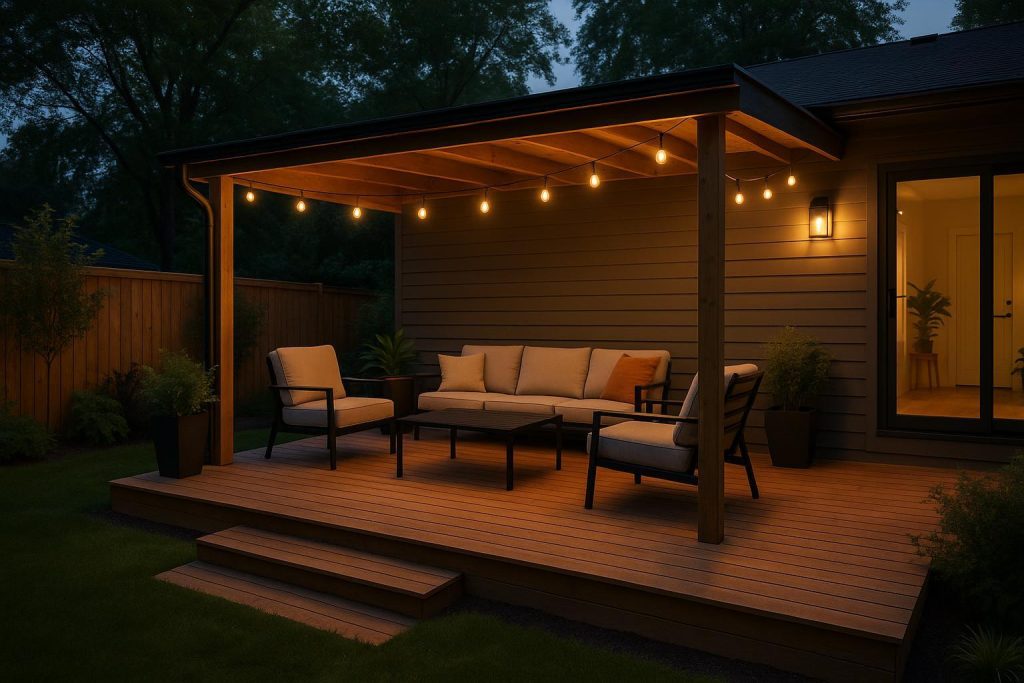
Expert Tips for Weatherproofing Your Outdoor Seating in Edmonton
Living in Edmonton means embracing a climate that can swing dramatically from warm summer days to snowy, subzero winters. When it comes to creating a comfortable and visually appealing outdoor seating area, thoughtful preparation is essential to ensure your furniture withstands year-round temperature fluctuations, high winds, precipitation, and plenty of sunshine. By choosing the right materials and employing strategic protective measures, you can enjoy your outdoor space in every season. Below is a comprehensive guide on everything you need to know about weatherproofing your outdoor seating, from climate considerations to material selection, cover solutions, and ongoing maintenance.
1. Understanding Edmonton’s Climate Challenges
Edmonton’s climate features cold winters with temperatures often dropping well below freezing, as well as relatively short, sometimes rainy, summers. The region also experiences periods of strong wind gusts that can displace lightweight furniture. Here’s a breakdown of typical weather impacts:
- Extreme Temperature Swings: Temperature changes from hot afternoons to chilly evenings challenge many materials. Wood, for instance, can swell and contract, leading to cracking if it’s not protected.
- Snow and Ice: Heavy snowfall puts additional stress on outdoor seating and frames. Moisture can freeze within the material or residual moisture can create mold and mildew once temperatures rise.
- Rain and Humidity: Rain can warp certain types of wood and encourage metal to rust if not coated. High humidity can also lead to mold growth in cushions or cracks in uncoated wood.
- Harsh UV Rays: Summers can bring intense sun, fading fabrics and causing plastic-based materials to become brittle over time.
By accounting for these challenges from the start, you’re far more likely to create an outdoor seating area that stands strong and remains enjoyable through every season.
2. Best Materials for Weather-Resistant Furniture
Selecting durable materials is key to weatherproofing your outdoor seating. You’ll want to choose substances designed to handle moisture, temperature changes, and wind. Below are some prime options:
- Teak and Cedar Wood: These woods are naturally water-resistant and tend to resist warping. While they can be pricier, they hold up well under changing temperatures, especially if maintained annually with sealants.
- Metal with Protective Finishes: Powder-coated aluminum or steel furniture is sturdy yet lightweight, with coatings that shield it from moisture and slow rust formation. Make sure any metal you choose has a rust-resistant finish.
- All-Weather Wicker (Resin Wicker): Modern, synthetic wicker is designed to stand up to precipitation and direct sunlight without fading or splitting, making it a low-maintenance, lightweight choice.
- Plastic or Recycled Resin: Plastic has improved significantly in quality over the years—especially high-density polyethylene (HDPE) or other resin-based options. It won’t rust, rot, or fade easily, making it well-suited for damp or sunny conditions.
Whichever material you choose, be sure to confirm that it’s specified for outdoor use. For upholstered parts or cushions, look for quick-drying, water-repellent textiles with mold-resistant fillings.
3. Protective Measures and Design Considerations
Even the sturdiest outdoor furniture benefits from deliberate protective measures. Here are some design strategies you can incorporate to help your seating endure all year round:
- Add Overhead Cover: If space allows, consider installing a pergola or awning to shield your seating area from direct sunlight, rain, and snow. Not only does this overhead protection guard your furniture, it also makes the space more inviting.
- Use Weatherproof Covers: Keep heavy-duty covers on hand—particularly if you have large lounge chairs or sofas. Opt for breathable, water-resistant covers that fit snugly to prevent moisture buildup underneath.
- Incorporate Windbreaks: If you live in a windy area, consider using tall shrubs, fences, glass panels, or lattice screens to shield the seating zone from relentless gusts. You’ll help to protect lighter pieces from tipping over and reduce dust accumulation.
- Ventilation and Drainage: When designing or updating decks and patios, incorporate proper drainage to avoid water pooling around chair legs. Good airflow beneath furniture can also help cushions dry quickly and discourage mold growth.
- Securing Larger Pieces: For heavier outdoor seating, use anchor points or weighted bases. This strategy can be especially useful for items such as sectional sofas or dining tables that need stability in high-wind conditions.
Strategic design balances functionality with style, giving you a comfortable environment that can handle Edmonton’s weather without needing constant rearrangement or off-season storage.
4. Seasonal Maintenance Tips
Once you’ve ensured your outdoor seating is made of the right materials and installed protective measures, the next step is to maintain it. Even if you opt for low-maintenance furniture, a periodic care routine helps keep your seating looking fresh. Below are tasks to consider throughout the year:
- Spring Refresh: Give everything a good cleaning as soon as temperatures rise. Inspect for any damage incurred during winter, such as chipped finishes or cracked wood. Apply protective sealants or recoat metal pieces if you notice any wear.
- Summer Touch-Ups: Dust or rinse surfaces regularly to remove pollen and dirt. If you notice color fade in textiles, consider applying fabric protectants or storing cushions in a covered bench when not in use.
- Autumn Preparations: As leaves begin to fall, remove debris quickly to prevent moisture buildup. This is also a good time to double-check covers for rips and confirm your furniture is in good shape before the intense cold sets in.
- Winter Storage: If possible, store lightweight furniture indoors throughout winter. Cushions and fabrics should also be moved to a dry area. For heavier pieces that stay outside, use breathable waterproof covers and remove any snow buildup promptly.
A seasonal maintenance plan not only preserves the look of your outdoor furniture but also extends its functional life, saving you from replacements down the road.
5. Creating Comfort in Colder Months
One often overlooked benefit of weatherproof seating is the chance to enjoy your outdoor space even in cooler temperatures. Here are a few ideas to help you use your patio year-round, with minimal discomfort:
- Install a Heat Source: Whether it’s a built-in fireplace, a gas-powered heater, or infrared heaters affixed to a pergola, a reliable heat source can add warmth to brisk Edmonton evenings.
- Outdoor Rugs: Rugs designed for outdoor settings can be a game-changer, keeping everyone’s feet warmer and providing an extra layer of comfort against cold surfaces.
- Cozy Textiles: Invest in weather-resistant blankets or throws specifically designed for outdoor use. Just be sure to store them in a dry location so they’re ready when you want to relax outside.
- Windbreak Seating Arrangement: If you place seating clusters near walls, fences, or shrubbery, you can create pockets of warmth and reduce wind exposure. This is a cost-effective way to bring additional comfort to your outdoor gatherings.
By integrating these features, you transform your patio from a fair-weather-only zone into a multi-season living space that can be enjoyed well beyond summer.
6. Addressing Common Concerns
How do I prevent mold and mildew on outdoor cushions?
Opt for fast-drying foam inserts and use cushion covers made from mildew-resistant fabrics (like acrylic or polyester blends with water-resistant finishes). During extremely wet or humid periods, bring cushions indoors or store them in a deck bench. Also, clean and air out cushions periodically to discourage mold growth.
Is it necessary to sand and reseal wooden furniture every year?
While not always mandatory, resealing on a regular schedule keeps wood looking its best and maximizes longevity. If you see discoloration, fading, or roughness, consider lightly sanding and applying a fresh waterproof sealant. This is especially important in Edmonton due to the freeze-thaw cycle.
Which area of my yard is best for long-lasting outdoor seating?
Ideally, choose a spot with some natural wind protection—like a corner near a house wall—and a partial overhead cover or easy option for a canopy. Observe sunlight patterns: too much direct sun can cause faster material degradation, too much shade might lead to lingering moisture. Balance is key.
What about hail storms and unexpected severe weather?
Edmonton can face hail in warmer months. During hail or severe storms, move cushions, pillows, and easily portable furniture inside. If you have the space, consider storing more fragile items in a shed or garage until the storm passes.
7. Helpful Additions and Finishing Touches
Weatherproofing your outdoor seating involves more than just protecting individual pieces. Take a holistic approach, and your patio can become the perfect extension of your living space:
- Lighting: Install warm, ambient lights that work no matter the season. Solar or LED options can withstand temperature shifts and help create a cozy environment for outdoor evenings.
- Awnings, Pergolas, and Enclosures: Beyond a basic pergola, more robust enclosures—like glass barriers or retractable screens—can block wind and trap heat, maintaining a pleasant climate for year-round enjoyment.
- Outdoor Kitchen or Grill Station: If you have enough space, consider an all-weather grill setup. Keeping the cooking area adjacent to the seating encourages guests to mingle outside, even when the weather is less than perfect.
- Matching Décor Elements: Tie your exterior design to your home’s interior. Use complementary color schemes, accent tones, and decorative accessories that help your outdoor space feel like a natural extension of your overall living area.
By incorporating well-thought-out design elements, you’ll create a space that adds long-term value to your home and a welcoming spot to savor Edmonton’s seasons.
8. When to Seek Professional Advice
In some cases, you may want or need expert assistance—particularly if you’re planning more extensive changes like building a covered patio or installing large-scale windbreaks. A professional can guide you through local bylaws, permits, and safety requirements associated with bigger renovations. For instance, if you’re considering adding an enclosed deck or a heated feature that links seamlessly with your existing house structure, it can be helpful to reach out to a remodeling company experienced in Edmonton’s unique weather challenges. Their input ensures your renovation meets safety and construction standards, looks cohesive, and is optimized to perform well through every season.
You might be surprised by how much comfort and convenience you gain when you plan these projects with an experienced team. They can help you choose materials that complement your existing home design, recommend design features to extend your space, and advise on maintenance that is tailored specifically to the climate conditions of Alberta. If you’re at this stage, we encourage you to explore what local experts can offer, ensuring you create the best structure for your family’s year-round enjoyment.
9. Putting It All Together
Protecting your outdoor seating in Edmonton’s demanding climate is all about selecting durable materials, adding overhead and wind protection, and committing to a manageable maintenance routine. By deliberately choosing resistant woods or rust-proof metals, using covers and sealants, and storing cushions properly, you extend the life of your investment and keep your patio comfortable, inviting, and visually appealing.
Moreover, implementing strategic coverage options—and even installing heating elements—can transform your seating area into a year-round retreat. Combining good design with regular upkeep is the surest path to preserving your space’s functionality and style for winters, summers, and everything in between.
If you’d like to take your outdoor seating or deck to the next level, consider a full-scale renovation approach. Whether you’re imagining a remodeled outdoor living space under a custom pergola or an integrated extension of your home, a professional, design-centered renovation ensures you get exactly what you want. Strong structural integrity, weather-adapted building materials, and a cohesive look can make all the difference. With the right expertise, you’ll be well on your way to a stress-free space you can enjoy far beyond the warmest months—the ideal solution for those who savor Edmonton’s beauty, no matter the forecast.
Creating a cozy, weather-resistant outdoor environment is entirely possible in Edmonton’s challenging climate. By following the steps above, you’re already on the path toward an inviting, long-lasting seating area that suits your style, withstands temperature extremes, and accommodates plans for future improvements tomorrow. With just a little planning and maintenance, you’ll enjoy the charm of your own backyard in every season.