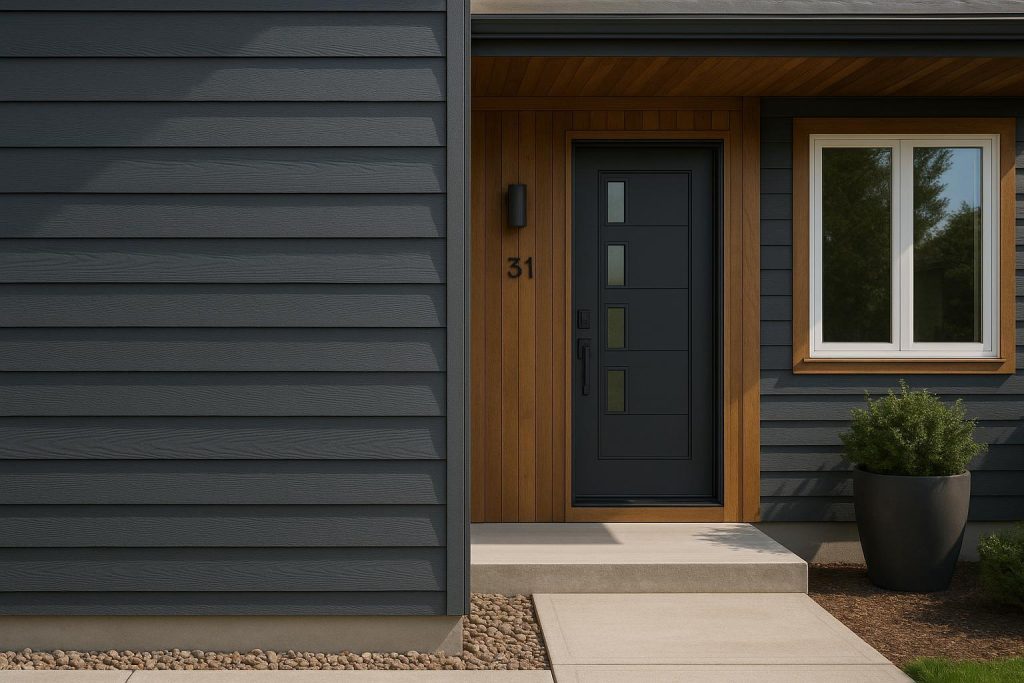
Elevating Your Home’s Efficiency with the Right Siding Materials
Improving energy efficiency is one of the most popular reasons homeowners decide to upgrade their siding. By choosing durable, well-insulated siding, you can reduce heating and cooling costs while also boosting your home’s curb appeal. However, with multiple siding options available—ranging from insulated vinyl and fiber cement to engineered wood and stucco—it can be overwhelming to determine which material best meets your needs. In this comprehensive guide, we’ll explore the benefits of each siding material and the key factors to consider when evaluating their energy efficiency. We’ll also discuss insulation techniques and practical tips for achieving a more comfortable indoor environment, no matter what climate you call home.
The Importance of Energy-Efficient Siding
The building envelope—composed of the walls, roof, doors, and windows—acts as your home’s first line of defense against outdoor temperature fluctuations. When you upgrade your siding to a more energy-efficient option, you effectively reinforce that defense. This helps maintain stable indoor temperatures, reducing the amount of energy needed to heat or cool your living spaces, which in turn lowers utility bills. Beyond cost-savings, an energy-efficient facade can also enhance indoor comfort by minimizing drafts and hot or cold spots around your home.
Choosing the right siding material can have a significant impact on your overall energy use. High-performing siding products often provide extra durability, aesthetics, and weather resistance—qualities that can boost resale value and transform your property’s exterior. Let’s take a closer look at some of the most common siding materials and how they contribute to energy efficiency.
Option 1: Insulated Vinyl Siding
Insulated vinyl siding is a favorite among those looking for a balance between affordability, ease of maintenance, and improved thermal performance. Traditional vinyl siding has long been celebrated for its weatherproof qualities, but by adding a foam insulation layer beneath the vinyl paneling, you get even better temperature regulation.
Key Advantages:
- Energy Retention: The foam backing minimizes heat transfer, making it easier to keep your home warm in winter and cool in summer.
- Moisture Resistance: High-quality insulated vinyl siding helps prevent water penetration, reducing the risk of mold or structural damage.
- Low Maintenance: Vinyl siding only needs occasional cleaning with a mild detergent and a soft brush to stay looking new.
- Cost-Effectiveness: Compared to other materials, insulated vinyl siding is typically more budget-friendly yet still offers excellent insulation benefits.
- Aesthetics and Versatility: Modern vinyl siding comes in a wide range of colors and textures, enhancing curb appeal without adding excessive upkeep.
When shopping for insulated vinyl siding, watch for reputable manufacturers offering higher R-value (measure of thermal resistance) products. R-value ratings differ, so the thicker the foam insulation, the better the energy efficiency.
Option 2: Fiber Cement Siding
Fiber cement siding is composed of cement, sand, and cellulose fibers. Many homeowners appreciate its ability to mimic the look of natural wood while offering superior durability. Although on its own fiber cement may be less insulating than foam-backed siding, it provides good thermal resistance when properly combined with underlayment or foam board installation.
Key Advantages:
- Durability Under Harsh Weather: Fiber cement resists rot, fire, and insect damage, making it a solid long-term investment. It can handle extreme cold and high moisture levels, which is crucial for climates with heavy rain or snowy winters.
- Versatile Appearance: Whether you prefer a wood grain finish or a smooth, modern look, fiber cement siding can be crafted to match various architectural styles.
- Stability in Temperature Fluctuations: When paired with adequate insulation, fiber cement siding helps maintain consistent indoor temperatures throughout seasonal changes.
- Long Lifespan: With proper care, fiber cement siding can last well over 30 years, rivaling traditional masonry.
For optimal energy savings, consider coupling fiber cement with a quality underlayment such as a rigid foam board or an insulated weather barrier. These added layers help block air infiltration, improving the overall insulating power of your home’s exterior walls.
Option 3: Engineered Wood Siding
Engineered wood siding is becoming increasingly popular among homeowners who love the warmth and authenticity of real wood but want enhanced strength and insulation. Crafted from wood fibers bonded together with resins or other binding agents, engineered wood retains a natural aesthetic while offering improved resistance to moisture and pests.
Key Advantages:
- Natural Aesthetic Appeal: Engineered wood can be finished in various styles that replicate the look of cedar or other types of wood siding. It elevates your home’s charm without the high cost and maintenance of real wood.
- Enhanced Durability: Thanks to the manufacturing process, engineered wood typically resists rot and termite damage better than conventional wood siding.
- Improved Insulation: When installed with quality underlayment or rigid foam insulation, engineered wood can help regulate interior temperatures effectively.
- Eco-Friendliness: Many engineered wood products use recycled wood fibers, reducing the demand for virgin timber.
As with any siding installation, proper sealing and flashing are essential to ensure moisture does not seep behind the boards. Work with experienced professionals who can inspect your home for air leaks, install vapor barriers where necessary, and guarantee a tightly sealed exterior.
Option 4: Stucco Siding
Stucco siding is a time-honored choice often associated with Mediterranean-style architecture, but its versatility extends far beyond sun-soaked regions. This siding is created from a mixture of cement, sand, lime, and water, applied in multiple layers over a lath or mesh base.
Key Advantages:
- Effective for Various Climates: Although it’s commonly seen in warm, dry environments, stucco can be adapted with additional insulation or specialized finishing methods to handle colder, wetter climates too.
- Seamless & Air-Tight: When installed correctly, stucco forms a seamless layer around your home, helping reduce air leaks and improving energy efficiency.
- Distinct Aesthetic: Stucco offers a unique, textured look that can be painted in a variety of colors to suit your home’s style. It stands out from traditional lap siding or clapboard designs.
- Long-Lasting Performance: With the proper maintenance—like periodic painting and crack repairs—stucco can endure for decades.
To maximize stucco’s insulation capabilities, it’s wise to add a foam board or similar sheathing behind the stucco layers. Proper ventilation and drainage planes are also key to preventing moisture buildup.
Factors to Consider for Energy-Efficient Siding
Each siding option carries unique pros and cons in terms of climate suitability, long-term maintenance, and cost. When deciding on a material, consider the following:
- Climate Requirements: In areas prone to extreme cold or heat, siding that pairs well with underlayment or foam insulation is crucial for maximum energy savings.
- Home Architectural Style: Some siding materials, like stucco, have a more distinctive appearance, while vinyl or fiber cement can adapt to various aesthetics.
- Maintenance Level: Vinyl and fiber cement often require less upkeep than wood-based materials. Stucco may need occasional patching or repainting, but it’s relatively easy to maintain if installed properly.
- Project Budget: Cost can vary widely, even within a single product category. Evaluate not only initial installation expenses but also the expected lifetime and maintenance costs.
- Installation Quality: No matter which material you choose, a proper installation makes a significant difference in the siding’s insulating performance. Hiring knowledgeable professionals can ensure you get the most out of your investment.
Insulation Techniques that Support Siding
Even if you select the most energy-efficient siding on the market, additional factors like insulation type, underlayment, flashing, and house wrap can dramatically affect overall performance. Here are a few insulation add-ons to discuss with your contractor:
- Rigid Foam Board: Placed beneath the siding, these panels help eliminate “thermal bridging,” where heat circulates through studs or framing members.
- Spray Foam Insulation: An interior option that fills wall cavities, sealing out drafts and moisture. If your walls are open during a renovation, this might be a beneficial choice.
- High-Quality House Wrap: Adding a weather-resistant barrier (WRB) under your siding can combat wind-driven rain, reduce air leakage, and enhance thermal performance.
- Proper Flashing: Flashing around windows, doors, and vents ensures that moisture is directed away from the walls, preventing damage and maintaining insulation integrity.
When working with a knowledgeable contractor, you’ll likely receive recommendations on the best insulation approach for your home’s layout, climate zone, and siding choice.
Additional Tips for Maximizing Energy Savings
While siding plays a substantial role in efficiency, complementary home improvements can further reduce energy consumption:
- Window and Door Upgrades: Replacing older, single-pane windows or drafty doors with new, energy-efficient models can significantly reduce heat transfer.
- Attic and Roof Insulation: An under-insulated attic is a major source of heat loss. Ensuring your roof structure has enough insulation can help maintain comfort year-round.
- Sealing Air Leaks: Common air leak sites include recessed lighting fixtures, wiring holes, and plumbing vents. Sealing these gaps supports the effectiveness of your new siding.
- HVAC System Evaluation: A right-sized, well-maintained heating and cooling system works more efficiently in tandem with a well-insulated exterior.
Taking a whole-home approach—where siding is just one part of your energy efficiency strategy—can result in energy savings that accumulate over the long term. Not only can you enjoy more comfortable living conditions, but you’ll also see a positive return on your investment through reduced energy bills.
Putting It All Together
Upgrading your siding is more than just an aesthetic improvement—it’s also a strategic move toward creating an energy-efficient, comfortable home. Whether you lean toward insulated vinyl siding for its affordability, fiber cement for its durability, engineered wood for its warm appearance, or stucco for its distinctive style, each option has the potential to reduce energy costs if installed correctly and supplemented with the proper underlayment and insulation techniques. As you research various materials, focus not just on appearance but also on factors like R-value, moisture resistance, and overall durability to ensure you’re making the most informed decision.
If you want to explore exterior updates or need assistance choosing the right siding material for your home, consider reaching out to specialists who have experience with high-end renovations. For more inspiration, feel free to visit our Home page for ideas and insights on different renovation possibilities. Ultimately, with a careful approach and professional guidance, you can enhance your home’s energy efficiency, reduce monthly utilities, and create an exterior that looks beautiful for many years to come.