
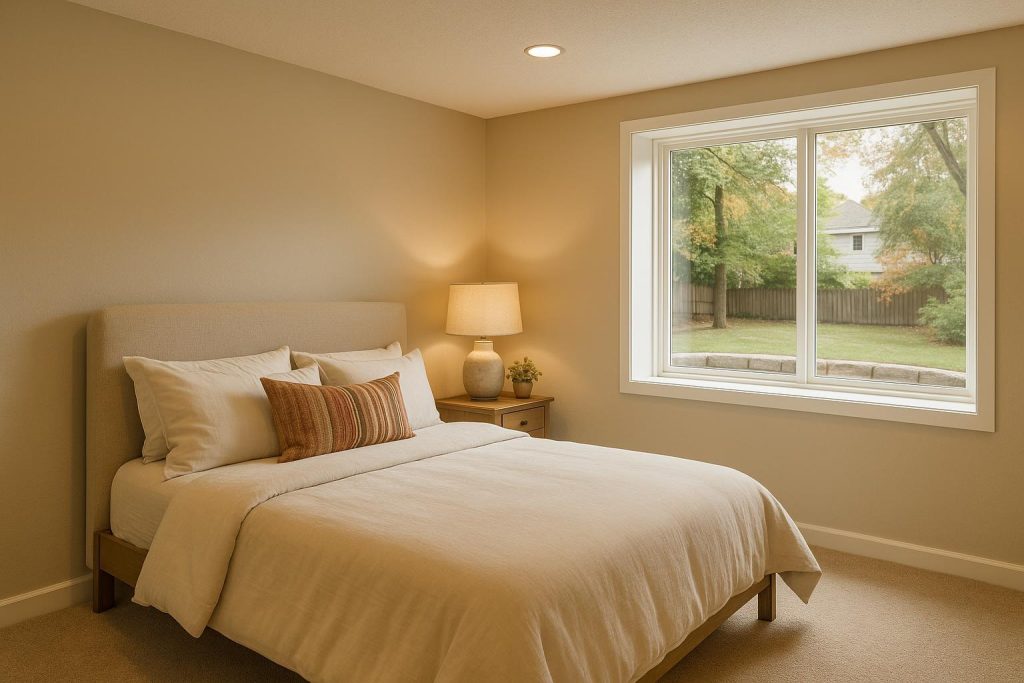
Essential Steps to Selecting the Right Window for Your Basement Bedroom
When planning a basement bedroom, choosing the right window is more than just a design choice—it is a critical step in ensuring safety, comfort, and long-term enjoyment of your space. In most regions, building codes require an egress window in any basement room considered a bedroom, as it offers a secondary means of escape in case of emergencies. However, there is much more to consider than simply meeting regulations. From improving ventilation and natural lighting to ensuring proper insulation and moisture control, basement windows are fundamental to a healthy and welcoming living environment below ground.
What Is an Egress Window and Why Is It Required?
An egress window is a window designed and sized to provide easy escape or entry during events such as a fire or natural disaster. Typical building codes stipulate that basement windows intended for bedrooms must be large enough for an average adult to climb through comfortably. Many local jurisdictions require the window to offer at least 5.7 square feet of clear opening. This minimum ensures that both residents can leave the space quickly and emergency responders can enter when needed.
If you are wondering whether your local codes require an egress window in a basement bedroom, you may find our related FAQ, Do you have to have an egress window in a basement bedroom?, helpful. This resource breaks down regional code variations and why these regulations are in place to prioritize homeowner safety.
Typical Requirements for Basement Egress Windows
Egress windows come with a set of guidelines that differ depending on your location. However, some common standards include:
- Minimum Clear Opening: The window must usually open to at least 5.7 square feet of clear space. Sometimes this can be reduced to 5.0 square feet if the window is on the ground floor, but in a basement, the larger requirement often applies.
- Height from the Floor: The height of the window’s sill should not exceed 44 inches from the interior floor. This specification makes exiting easier for most adults and helps ensure quick rescue in case of emergency.
- Easy Operation: Egress windows must open without the use of special tools or excessive force. If the window is too heavy or complicated to unlatch, it may create a barrier rather than serve as a safe exit route.
- Window Well Requirements: Because basement windows often sit below ground level, a window well is often needed to keep soil from blocking the exit. Window wells should provide adequate space for someone to climb out, and they may need a ladder or steps if deeper than about 44 inches.
For more detailed information on building codes and additional requirements for basement windows, check out our FAQ, Do basement windows count as egress?. It clarifies how basement windows fit into egress regulations and the factors that might influence your renovation or new construction plans.
The Benefits of Properly Sized Windows
Adequately sized windows in your below-ground living area do more than meet local codes—they significantly enhance quality of life. When you install a well-constructed egress window, you can anticipate:
- Better Ventilation: Basements can sometimes feel stuffy or damp, especially in older homes. A functional, code-compliant window facilitates better air circulation and reduces moisture buildup, contributing to a healthier indoor environment.
- Increased Natural Light: Basements are often criticized for feeling dark. That can influence mental well-being and discourage people from spending time in these areas. A larger window opening promotes sunlight, making the basement more inviting.
- Heightened Safety and Peace of Mind: Knowing you have an escape route boosts overall confidence in your home’s safety. Basement bedrooms without proper exit strategies can be anxiety-inducing. Installing an egress window helps reduce those concerns.
- Potential Property Value Increase: Homes that have code-compliant basement bedrooms are typically more marketable. Potential buyers appreciate the assurance of safety, and a properly finished basement that includes adequate windows can bolster the property’s appeal.
Choosing the Right Type of Basement Window
The term “egress window” describes the functionality rather than the style. Different styles, such as casement windows, sliders, and double-hung windows, can meet egress requirements if they provide the necessary clear opening. When selecting a window style, consider aesthetics, ease of operation, and how the window will interact with your window well. For instance:
- Casement Windows: These swing outward, often making them ideal for small openings. Since you do not lose space to a fixed sash, casement-style installations can be beneficial where every inch matters.
- Slider or Horizontal Windows: Basement sliders can be a good option if you have enough horizontal space. Their simple design can enhance ventilation. However, ensure the sliding sash meets the minimum clear space codes when fully open.
- Double-Hung Windows: Though popular in above-ground applications, double-hung windows may be more challenging to use for basement egress if the well or outdoor environment does not leave enough room for safe and easy access. Verification of measurability is crucial.
Each style has pros and cons, so you will want to review the specific egress parameters before making a final decision. If you need a refresher on adjusting window sizes, you might find our FAQ, Can I change the size of my windows?, insightful. It covers what to expect when resizing any window opening during a remodel or renovation.
Window Wells and Their Importance
One of the major considerations for basement egress windows is the window well itself. These wells, which are usually metal or concrete enclosures, keep surrounding soil in place and maintain a clear path for escape. If the well is too small or not properly drained, it can lead to flooding or moisture infiltration in your basement bedroom. By designing a well that is large enough and includes proper drainage—often using a bed of gravel or a drainage pipe connected to a sump pump—you reduce water-related risks.
Additionally, if your window well is deeper than about 44 inches, you will likely need a permanent ladder or steps. This requirement is just as crucial as having a large enough window opening. After all, if you cannot climb out of the well quickly, the window may not fulfill its intended safety function. Detailed guidance for building or upgrading your window well can be found in our related post, How to put an egress window in a basement?, which outlines the basics of digging the well, ensuring structural support, and installing the window itself.
Moisture Control and Insulation
Because basements tend to be prone to dampness, the type of window framing, sealing, and insulation you choose can greatly impact the room’s long-term comfort and structural integrity. Condensation or small leaks around the frame can lead to mold growth, interior wall damage, or more extensive repairs down the line. When installing your new egress window, you will want to:
- Use high-quality sealing materials or caulking to keep out moisture.
- Choose materials like vinyl or fiberglass that are less prone to rot.
- Install proper insulation around the window frame to minimize heat loss.
- Examine the drainage system to direct water away from the window well.
Not only does meticulous attention to moisture control protect your investment, but it also contributes to a healthier indoor environment—particularly important for sleeping spaces like basement bedrooms.
Enhancing Natural Light and Ambiance
One key advantage of installing a code-compliant, larger window is the dramatic difference in lighting it can bring to an underground space. Even a single source of daylight can make a modest basement bedroom feel more open and welcoming. To take full advantage of any sunlight you receive below grade, consider:
- Reflective or Light-Colored Surfaces: Painting walls and ceilings with lighter shades can help bounce the available light around the room.
- Appropriate Window Treatments: Use simple shades or sheer curtains that allow plenty of daylight in while still offering privacy.
- Strategic Placement of Furniture: Avoid blocking light from the window with tall shelves or bulky items. Keeping the area clear promotes better brightness.
Because many basements are underutilized due to their darker, more enclosed nature, maximizing every bit of natural light can turn a basement bedroom from a seldom-used spare room into a cozy retreat for family or guests.
Working with Professionals for a Safe, Code-Compliant Installation
Building code requirements can be complex to navigate, and proper installation can be equally tricky. If your basement’s foundation needs modification, you may need additional structural support or waterproofing measures. Working with a qualified renovation team that understands these challenges can help you meet local regulations and feel confident in the final result.
Because egress windows are literally your lifeline in an emergency, it is wise to avoid quick, do-it-yourself solutions if you are not fully comfortable with the process. Experts can also help with tasks like obtaining the required permits, ensuring that window well design is correct, and advising you if a deeper excavation is needed. Being thorough from the start often prevents significant headaches—or even safety hazards—later on.
Can You Have a Basement Bedroom with No Window?
Technically, in most places, a windowless basement bedroom does not meet standard building codes because there is insufficient emergency egress. Some homeowners may wonder about short-term uses or alternative ventilation. Our FAQ, Can you sleep in a basement without an egress window?, explores why this scenario is highly discouraged—and often illegal—due to safety risks. If you are in doubt about your legal or insurance requirements, confirming what codes state can save you from major issues down the line.
Tips on Maintaining Your Basement Window
Once your egress window is installed, routine maintenance can help it stay in excellent condition for years. Simple tasks may include:
- Clearing Debris: Regularly check the window well for leaves, dirt, or any items that may clog the drainage system.
- Cleaning Glass Surfaces: Keeping windows clean maximizes the amount of natural light entering the room.
- Inspecting Seals: Check around the window frame and well edges for any cracks or gaps that can lead to air or water leaks.
- Ensuring Easy Operation: Periodically open and close the window to confirm it still operates smoothly and locks securely.
These simple steps not only prolong the life of your window but also maintain essential safety features. Underlying issues with drainage or damaged seals can compromise both energy efficiency and your ability to use the window as an escape route in an emergency.
Balancing Practicality, Safety, and Comfort
Choosing the right basement window is a balancing act that involves space constraints, code compliance, budget, and your personal style preferences. While the cost of installing an egress window might feel higher than a standard window, especially if you need extensive excavation or structural adjustments, the peace of mind you gain is priceless. In addition, the improved functionality, added daylight, and increased property value can easily offset the higher initial expenditure.
For a deeper look at factors that shape basement bedroom requirements, we also invite you to read our FAQ, What is needed for a basement bedroom?. This article dives deeper into aspects like heating, ceiling height, and electrical considerations that often come into play.
Where to Go from Here
Now that you understand why egress windows are so crucial, you can start gathering inspiration and planning your basement bedroom layout with safety and comfort at the forefront. If installing or replacing a basement window feels daunting, consider collaborating with professionals who have experience in basement developments, structural updates, and finishing. Working alongside experts means that structural integrity, local house codes, and aesthetic concerns are handled thoughtfully from the beginning.
If you are looking for additional guidance, feel free to visit our Home page. You can discover resources, see examples of thoughtful design, and learn about how a dedicated renovation team can transform your basement into a code-compliant, beautifully lit, and comfortable space. Investing in a professional approach can help you avoid pitfalls, boost the overall quality of the finished space, and create a bedroom that feels as bright, cozy, and secure as any room on your main floor.
In the end, the right basement bedroom window—a code-compliant egress window designed with your home’s unique layout in mind—offers both an essential safe exit route and the uplifting qualities of light and fresh air. With careful planning, ongoing maintenance, and an eye toward meeting local regulations, you can settle comfortably into your basement bedroom knowing it checks all the boxes for function, safety, and style.