
Building a Bathroom That Stands Up to Moisture
Designing or remodeling a bathroom can be a transformative process, but when you live in a home with especially high humidity—be it from a busy household, climate, or simply a preference for long, hot showers—material selection becomes even more crucial. Excess moisture can wreak havoc on floors, walls, and fixtures by introducing the risks of mold, mildew, and water damage. In this guide, we’ll explore how to ensure your bathroom materials are up to the task of withstanding elevated humidity levels. We’ll start by looking at recommended flooring and wall materials, then transition into how proper ventilation and installation methods help maintain a healthy, long-lasting bathroom environment. By paying close attention to each component, you can craft a moisture-resistant oasis that looks great and feels comfortable for years to come.
Why Moisture Resistance Matters
Bathrooms are naturally humid spaces. Every time someone showers or bathes, the room is exposed to steam that can soak into porous surfaces if they aren’t properly protected. Over time, repeated exposure to moisture weakens adhesives, corrodes metals, and creates an environment ripe for mold and mildew. Mold spores not only look unpleasant but can negatively impact air quality and potentially pose a health risk. Furthermore, trapped moisture can lead to paint peeling, tile loosening, or permanent damage to subflooring and wall frameworks.
Whether you are undertaking a bathroom renovation or simply giving your space a cosmetic update, it pays to focus on materials and building techniques that keep humidity under control. Homeowners often ask themselves, “Is it worth selecting higher-grade or more modern materials for something as commonplace as a bathroom?” The answer is yes: investing in moisture-resistant solutions offers a better return on investment (ROI) in the long run. Plus, a well-chosen and well-sealed bathroom can help prevent surprising repair bills down the line.
Best Flooring Options for High Humidity Bathrooms
Ceramic Tile and Porcelain Tile
Tile remains one of the most recommended choices for high humidity bathrooms—and for good reason. Ceramic and porcelain tiles share many similarities, though porcelain is often denser and more water-resistant. The non-porous surface of these tiles helps block moisture from seeping into the subfloor, making them an excellent choice if you’re worried about water damage. Homeowners also love these materials because they come in countless colors, patterns, and shapes. From sleek modern styles to rustic, traditional patterns, tile’s versatility allows you to put a personal stamp on your bathroom.
While tile is highly advantageous, installation quality matters. Properly laid seams, grout lines, and sealants are essential for maintaining water resistance. If the grout lines are left unsealed or if the subfloor is not prepped correctly, water can still creep underneath. The good news is that cement backer boards—which we’ll explore in the walls section—also serve as a stable base for tiled floors, bolstering moisture resistance from the ground up.
Waterproof Vinyl Flooring
Another top contender for high humidity bathrooms is waterproof vinyl. Vinyl has come a long way from the basic, thin sheeting you might remember from decades past. Today’s vinyl flooring can feature realistic wood or stone textures and offers impressive durability in wet conditions. Because it’s designed for areas where spills and splashes are frequent, vinyl is particularly handy in family-friendly bathrooms or spaces used by multiple people throughout the day.
A properly installed vinyl floor that’s explicitly labeled “waterproof” can handle frequent contact with water without swelling or distorting. Additionally, vinyl is often softer underfoot compared to porcelain or ceramic tile, which can make it more comfortable if you spend a lot of time in your bathroom—think standing to style your hair or apply makeup. Waterproof vinyl is typically easier to install than tile, making it a favorable option if you’re working with a condensed remodeling schedule or a budget that prioritizes both aesthetics and resilience.
Wall Solutions That Withstand Moisture
Moisture-Resistant Drywall
Wherever possible, consider opting for moisture-resistant drywall (often referred to by brand-specific names like “green board”). These boards have a specially treated core or outer layer that helps deter mold and fungus growth. Although they’re not entirely waterproof, they do offer a degree of protection for high humidity settings. This is especially useful in areas that don’t get direct water spray but may still accumulate moisture—like partial walls surrounding a shower or tub. Using moisture-resistant drywall can add a layer of confidence that ordinary drywall can rarely provide, particularly in bathrooms known for consistent steam.
Cement Backer Board
For the most water-prone areas, cement backer board is a tried-and-true material. It’s less likely to degrade in the presence of moisture and generally resists mold better than untreated drywall. Installers often place cement backer board behind tile in showers or tub surrounds, substantially lowering the risk of hidden moisture damage. This technique also ensures your tilework stays firmly attached and doesn’t loosen over time due to dampness.
High-Quality Bathroom Paint
Even with moisture-resistant drywall, it’s wise to finish your surfaces with a premium paint formulated for bathroom use. These specialty paints often have mildewcides mixed into them, making it harder for mold to gain a foothold on your walls. Additionally, the surfaces created by modern bathroom paints are more washable and easier to keep clean. When selecting colors, keep long-term maintenance in mind; darker hues might require more frequent cleaning to keep them looking fresh, but if you pick a paint brand that’s designed to fight humidity, you’ll benefit from protection and style in tandem.
Choosing the Right Fixtures and Finishes
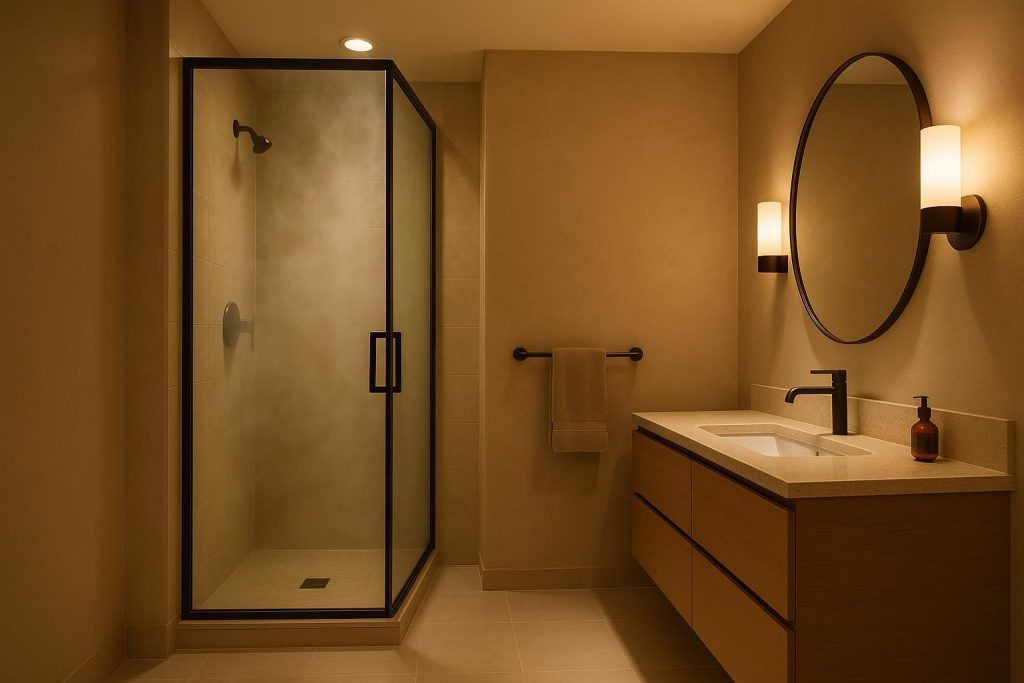
Beyond the floors and walls, the hardware and fixtures you select can enhance your bathroom’s humidity resistance. For instance, sink fixtures and showerheads made of stainless steel or corrosion-resistant metals will be less likely to show signs of rust over time. Look for faucets with ceramic disc cartridges to help avoid drips and leaks that may lead to moisture buildup. Additionally, consider the impact of glass enclosures, which form a barrier between the shower or tub and the rest of the bathroom. Glass enclosures not only look sleek and modern, but they help keep excess water where it belongs—inside the shower area—instead of allowing it to splash onto surrounding walls or floors.
Fans of luxurious materials can still enjoy them in a moisture-heavy setting by employing protective sealants and using them thoughtfully. For example, natural stone can be used—but it often requires sealing and ongoing maintenance to protect it from staining or microbial growth. Similarly, wood accents like vanity cabinets or shelving can be coated with water-resistant finishes. Over time, reapplying protective coatings keeps them looking new.
Crucial Steps in Installation and Sealing
No matter how moisture-resistant your chosen materials are, proper installation is the key to ensuring your high humidity bathroom actually performs as expected. A skilled contractor experienced in bathroom renovations knows how to account for expansion gaps, appropriately seal flooring edges, and fill in any cracks that might let moisture seep in. Professional installers also take care with adhesives, selecting options formulated for wet or damp locations. Inadequate adhesives or sealants might become compromised after repeated exposure to steam.
Another often overlooked but highly effective strategy is applying waterproof membranes or underlayment beneath tile or vinyl floors. These added layers divert water away from the substrate so that even if water slips through the top surface (through grout lines or microscopic cracks), it doesn’t simply sit and linger. Think of it as an additional layer of insurance to keep your subfloor and walls protected.
Ventilation: The Unsung Hero of Bathroom Design
When discussing ways to handle high humidity, ventilation can’t be ignored. In fact, letting steam escape quickly is arguably one of the best ways to protect your bathroom from moisture-related damage. The bathroom exhaust fan is your first line of defense. By rapidly moving humid air out of the space, this fan minimizes the time moisture has to work its way into tiny nooks and crannies.
If you have a window in your bathroom, you might crack it open during or after a shower as an additional measure to help draw out steam. However, in climates or seasons where that’s not feasible, a high-performance ventilation fan remains your go-to solution. Consider sizing your fan appropriately for the square footage of your bathroom and running it for at least 15–20 minutes after a shower or bath.
In some scenarios—particularly in homes where the bathroom is in a basement or has limited external walls—it may be necessary to upgrade your existing vent system or even add a secondary exhaust outlet. While this can be an investment, it often pays off in the form of a clean, dry environment that extends the life of your bathroom finishes.
Proactive Strategies to Prevent Moisture Damage
Regular Maintenance
No matter how carefully you plan your renovation, regular maintenance helps keep mold, mildew, and leaks at bay. Simple acts like wiping down damp surfaces, cleaning or replacing vent filters, and inspecting grout lines for cracks can make a big difference in preserving a moisture-resistant bathroom. If you spot peeling paint, persistent condensation, or musty odors, investigate right away to catch small issues before they spread.
Increasing Natural Light
Sunlight isn’t just aesthetically pleasing—it also naturally curbs the growth of some types of fungus and mold. When possible, ensure windows are used effectively or consider installing a skylight if feasible. Light-filled bathrooms often feel more inviting, and the extra brightness can reduce the risk of hidden moisture problems in poorly lit corners.
Common Pitfalls to Avoid
Failing to adequately plan for humidity is one of the biggest mistakes homeowners make when tackling a bathroom remodel. Even if you choose high-grade moisture-resistant materials, letting the finishing touches slide—like skimping on high-quality caulk or forgetting to seal grout—can compromise your entire project. If you’d like more guidance on potential mistakes during bathroom renovations, you might explore our related resource, What to avoid when renovating a bathroom? This extra insight can help ensure your choices align with a long-lasting renovation strategy.
Another pitfall is not considering how bathroom improvements might connect with other areas in your home. For instance, if you plan to add a bathroom in a basement, you could balance moisture control strategies in that project with solutions in your existing bathrooms upstairs. You might also find additional tips in our articles about How do I add a bathroom to my basement? or related home renovation topics on our site. Ensuring each project complements the others can lead to a more unified, functional home overall.
Ensuring a Cohesive Bathroom Design
Moisture resistance doesn’t have to come at the expense of aesthetics. Today’s market for bathroom materials is incredibly diverse, allowing you to blend practicality with beauty and comfort. Luxurious finishes like textured porcelain, glass tile backsplashes, or accent walls coated in high-quality bathroom paint can all function well in humid environments if properly installed and maintained.
Paying attention to the visual flow of the bathroom is also beneficial. For example, if you choose porcelain tile for the floor, consider incorporating smaller accent tiles in the shower or tub surround. This repetition helps the design feel cohesive. You might also select fixtures in complementary finishes, tying your sink faucets, showerheads, and even towel racks together in a consistent style—such as brushed nickel or matte black. These decorative choices not only offer visual balance but can be selected with water resistance in mind.
The Power of Professional Expertise
There’s a lot more to creating a high humidity bathroom than simply picking a waterproof material. The entire renovation lifecycle—from initial planning to final touches—matters. If you’re uncertain about selecting the best tile or about ensuring your ventilation system is strong enough, working with a contractor who specializes in bathroom renovations can offer peace of mind. They’ll look at your unique setup and recommend solutions that fit your personal style, practical needs, and budget.
Additionally, the right contractor understands your community’s building codes and best practices. This ensures your remodel meets local regulations while delivering the performance you expect. If you want further insight into what goes into selecting a contractor for renovation work, feel free to explore questions like How do I choose a contractor for a home addition project? Many of those same considerations—checking references, verifying experience, and confirming licensing—apply when hiring someone to handle your bathroom remodel.
Creating a Lasting, Comfortable Space
The key to making your high humidity bathroom both functional and stylish is to focus on every detail from floor to ceiling. By selecting moisture-resistant flooring such as tile or waterproof vinyl, walls safeguarded by backer board or specialized drywall, and fixtures that stand up to daily use, you set the stage for a space that feels welcoming and resilient. Yet even the best materials are only as good as the installation behind them and the ventilation system that keeps the entire environment fresh.
When done correctly, a bathroom designed for high humidity can be a peaceful sanctuary that also aligns with your home’s broader aesthetic. Whether you favor a sleek, modern look with glass shower enclosures and polished fixtures, or a soothing, spa-like environment with soft lighting and nature-inspired tile designs, moisture control remains a central pillar of success. At the end of the day, embracing proactive measures—and not cutting corners—ensures the transformation you envision truly endures over time.
Next Steps to a Dry and Durable Bathroom
Should you wish to explore more about bringing your dream bathroom to life, you can visit our Home page. Whether you’re simply updating fixtures to reduce mold risks or orchestrating a top-to-bottom remodel, having the right information is half the battle. From leaning on a contractor’s expertise to researching the best moisture-resistant materials, each step you take builds a foundation for a healthy, functional bathroom.
Interested in broader renovation possibilities? Perhaps you’re planning to refresh other parts of your home while ensuring they remain visually consistent and structurally sound. If so, taking a look at our other renovation-focused resources could be a significant help. We strive to answer questions not just about bathrooms, but also about other home updates—from learning about energy-efficient siding to exploring whole-home renovations in a step-by-step manner.
Finally, remember that staying ahead of trouble is always easier than fixing it after the fact. Inspect your bathroom regularly, address emerging moisture issues swiftly, and prioritize high-quality products and craftsmanship. By keeping an eye on these factors, you’ll enjoy a freshly renovated bathroom that remains safe, comfortable, and beautiful—even in the face of constant steam.
Ready for something extraordinary? Elevating your living space begins with solid planning and supportive, knowledgeable guidance. With careful material selection, expert installation, and attention to ventilation, you can create a high humidity bathroom that consistently exceeds expectations. No matter your style or budget, the right design choices will pay off, ensuring that every shower or bath is a relaxing experience in a humidity-smart setting.