
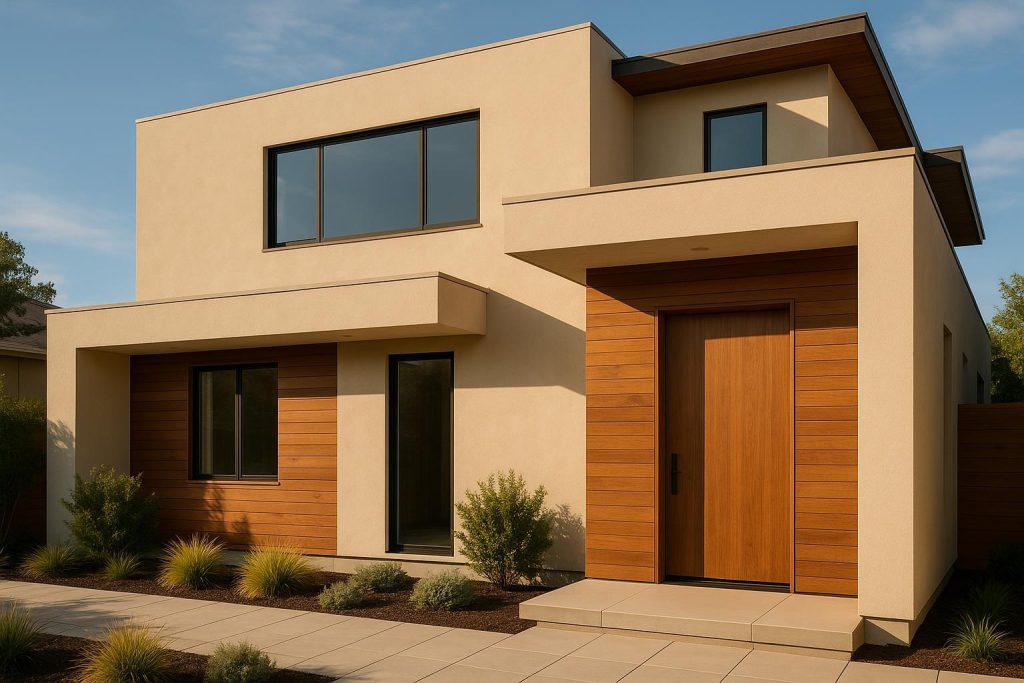
Embracing a Contemporary Exterior Design
In recent years, the demand for sleek and modern home exteriors has risen significantly. Homeowners are moving beyond traditional aesthetics to incorporate innovative materials, minimalist landscaping, and bold architectural features into their homes’ facades. A contemporary exterior design is all about simplicity, functionality, and visual interest, intertwining clean lines with natural textures and refined accents for a cohesive, eye-catching result.
Understanding the Core Principles of Contemporary Design
Contemporary exterior design prioritizes a “less is more” approach. Crisp lines, geometric shapes, and uncluttered surfaces define the overall look. Instead of ornate flourishes or classical embellishments, many modern homes rely on subtle detailing, strategic color choices, and balanced proportions. This allows the architecture to shine without overwhelming the senses.
For a home to fit the contemporary style, it typically features flat or low-pitched rooflines, large windows for natural light, and uniform palettes that blend neutrals (like whites and grays) with pops of bold color. By focusing on the shape and function of each element, these homes maintain a harmonious aesthetic while also meeting homeowners’ craving for style and longevity.
Choosing the Right Materials
One of the best ways to refresh an outdated exterior is to update the materials. Modern solutions such as aluminum siding and polyurethane stucco finishes offer sleek textures and colors that align perfectly with a contemporary theme. These materials are also known for their durability, low maintenance, and energy efficiency—an added bonus for sustainability-minded homeowners. Here are a few material ideas to explore:
- Fiber Cement Siding: An increasingly popular choice, fiber cement siding blends remarkable strength with a clean look. It resists moisture and pests, ensuring both long-term performance and contemporary aesthetic appeal.
- Polyurethane Stucco: This finish can seamlessly update older brick or stone walls. Its smooth surface can be painted in a range of colors, making it easy to adapt your façade to the rest of your home’s style.
- Natural Wood Accents: Incorporating natural elements is an excellent way to add warmth and depth to an otherwise minimalist exterior. Consider cedar cladding or hardwood panels for accent walls or portions of your façade.
- Metal Elements: Metals, like steel or aluminum, bring a chic and industrial edge to architectural exteriors. Whether you opt for metal siding, roofing, or trim, these materials blend exceptionally well with glass and concrete features.
Each choice should complement your home’s overall shape and structure. Balancing one or two standout materials with simpler baseline elements allows the architecture to remain the primary focus. The key is to avoid too much clutter—exteriors should feel clean, intentional, and elegantly composed.
Striking Color Palettes and Finishes
Color plays a significant role in driving the home’s curb appeal. Many contemporary exteriors center on monochromatic schemes: soft white walls, charcoal gray siding, matte black trim, or muted earth tones. These subtle hues highlight the home’s external volumes without distracting from the design’s structural charm. However, if you’re craving a statement, bolder hues—such as muted navy or even a striking modern green—can serve as powerful accent colors on doors or trim.
When determining your color palette, consider:
- Location and Environment: Urban settings may encourage starker, more modern color schemes, while suburban or semi-rural environments might look best with neutral or earth-toned palettes that harmonize with nature.
- Architectural Shapes: If your home has strong geometric angles or multiple stories, neutrals can highlight these shapes in a subtle way. Bold hues, when used strategically, can draw attention to unique structural features.
- Existing Landscaping: The vegetation around your home—like bright green lawns, colorful flower beds, or natural rock features—could influence your choice of exterior colors. Ideally, your pallet should complement the existing environment.
Keep in mind that consistency between the home’s exterior and interior design can further elevate the property’s sense of unity. If you’re drawn to the clean lines and uncluttered vibe of modern décor inside, extending that theme outdoors can make your home feel more cohesive overall. For example, those pursuing a luxury look in other areas of their home may also be interested in exploring how to make a small bathroom feel luxurious? or what makes a kitchen look luxury? in order to keep that high-end, modern style consistent.
Emphasizing Architectural Details
A large component of contemporary design is the celebration of the home’s architecture. Certain architectural details can immediately modernize a conventional exterior, including:
- Extended Rooflines: Projects that involve lengthening or introducing a distinctive roof overhang can add visual intrigue and additional functional coverage. Extended eaves can also help with shading in warmer months.
- Bold Entryways: A strong entryway—perhaps with a rectangular awning or striking doorway color—creates an instant focal point. Contrasting this part of the exterior with neutral surrounding walls makes the entry pop in a very modern way.
- Large Windows and Glass Doors: Contemporary design often emphasizes ample natural light. Swapping small windows for large-pane or floor-to-ceiling windows lends the home an open, airy quality. Full-glass doors further connect the interior living spaces with the outdoors.
These architectural choices not only shape the look of your home, but also enhance day-to-day living. Bright, open interiors tend to feel more welcoming and can create a seamless transition from inside to outside—ideal for homeowners who enjoy entertaining or simply love a light-filled indoor environment.
Landscaping for a Modern Look
Landscaping is a vital piece of the puzzle in any contemporary exterior design. Minimalist, well-thought-out landscape layouts complement the home’s geometry, elevating curb appeal and tying the entire property together. Try focusing on the following:
- Geometric Garden Beds: Arrange shrubs or ornamental grasses in straight lines or symmetrical patterns that echo the rectangular shapes of your home’s architecture.
- Neat Hardscapes: Use clean concrete paths, stepping stones in gravel, or crisp rectangular pavers to define walkways. These linear elements seamlessly match the modern feel.
- Trimmed Foliage: Pruned shrubs and carefully shaped greenery are characteristic of contemporary landscaping. Ornamental grasses, boxwoods, or neatly spaced trees can create a polished aesthetic.
- Strategic Lighting: Path lights, subtle wall sconces, or recessed lights under roof overhangs highlight a home’s shapes and nighttime silhouettes, enhancing safety and ambience.
A simplified design approach—focusing on fewer species of plants and well-defined walkways—can often provide a bigger visual impact than overcrowded beds or fussy arrangements. When there’s clarity in outdoor design, the home naturally becomes the centerpiece.
Balancing Functionality with Aesthetics
Beyond aesthetics, a contemporary exterior should also address practical considerations. Upgrading your siding, roofing, and windows can significantly boost energy efficiency. Modern exterior materials frequently come with enhanced insulation properties that reduce heat loss in cooler climates and heat gain in warmer regions.
Similarly, opting for high-quality doors and well-sealed windows not only revamps the home’s facade but also lowers energy costs and helps maintain a comfortable indoor temperature. Over time, efficiently insulated doors and siding reduce maintenance expenses while extending the life of your overall structure.
By balancing style and utility, homeowners can enjoy a residence that both stands out for its modern, upscale look and serves as an eco-friendly, cost-effective haven for years to come.
Mixing Materials for a Demanding Visual Impact
When you’re aiming for a bolder statement, pairing two or more materials can dramatically enhance an exterior’s visual interest. Consider blending warm wood cladding with sleek metal panels. Or, introduce stone veneer as an accent around entryways or columns. Some of these combinations include:
- Metal and Wood: The juxtaposition of cool metal with rich, organic wood surfaces often yields a memorable contemporary aesthetic. For example, metal siding paired with natural wooden columns can increase sophistication.
- Stucco and Stone: While stucco provides smoothness and polish, stone veneer adds textural appeal. Used judiciously, stone can create focal points around foundations, chimneys, or porch walls.
- Concrete and Glass: Architectural projects featuring exposed concrete complemented by large glass panes highlight modern design unity. This style looks especially striking in home expansions or newly built structures.
The trick is to choose materials that complement each other without creating visual chaos. Matching or contrasting colors in subtle ways draws the eye neatly around the property, underscoring each element’s unique texture or finish.
Incorporating Additional Contemporary Touches
A true contemporary update can include more than siding, doors, and windows. Other elements can bring your renovation together, adding character and depth:
- Angular Lighting Fixtures: Installing new fixtures with geometric or linear designs near entryways, garage doors, or exterior walls shines a light on the home’s fresh aesthetic. Opt for pieces in a matte black or metallic finish for an ultra-modern effect.
- Fresh House Numbers and Hardware: Something as simple as adding sleek, minimal house numbers can reinforce a contemporary flair. Ensure all new hardware—the mailbox, doorbell, and even door handle—matches your chosen design concept.
- Integrated Outdoor Living Spaces: Patios, decks, or even rooftop terraces can be built to extend the home’s architecture. Keep materials consistent with the rest of the exterior, using similar wood or metal railings, so your new outdoor spaces flow seamlessly with the facade.
- Gradations of Texture: Consider using decorative concrete finishes or steel planters. When layered thoughtfully, these additions create focal points that effortlessly serve both form and function. If you’re considering how to modernize other parts of your home’s interior—like a basement lounge—learn more about the best high-end design styles for a modern basement to maintain continuity in your overall renovation.
DIY vs. Professional Support
It’s tempting to think some exterior updates can be tackled on your own, particularly painting or minor landscaping projects. While smaller jobs might be manageable as a DIY enthusiast, full-scale transformations—like roofline extensions, architectural revamps, or material overhauls—often call for professional expertise. Hiring professionals ensures proper planning, structural integrity, and that the design truly aligns with your home’s existing framework.
Moreover, professionals bring specialized tools, extensive knowledge of local building codes, and design expertise. For homeowners worried about balancing vision with budget, an experienced renovation team can devise cost-effective strategies without compromising on that modern edge. By collaborating with professionals, you benefit from an efficient, streamlined process that respects your property and your finances.
Investing in Value and Comfort
Aside from aesthetic satisfaction, a contemporary exterior design can add notable value to your home. Potential buyers often look for homes that boast curb appeal rooted in modern style. Updated exteriors can signal that a property is well-maintained and equipped with advanced materials—both critical factors in today’s competitive real estate market. Even if you’re not selling soon, enjoying lower energy costs and less maintenance can make the investment worthwhile right now.
Remember that a cohesive look and consistent quality throughout your entire home—exterior and interior—sends a powerful statement of thoughtful planning. Whether you’re aiming to boost resale potential or cultivate a space that energizes you every day, modern exteriors can be that finishing touch that pulls the entire property together.
Creating Your Own Contemporary Oasis
Ultimately, the beauty of a contemporary exterior design stems from its simplicity and functionality, combined with an invitation to personalize every detail to your tastes. Think carefully about color choices, materials, architectural nuances, and landscaping. Each element contributes to the statement you want to make, shaping your home into a place you’re proud to return to daily—and equally proud to show off.
Additionally, don’t forget the importance of interior consistency. Many homeowners choose to renovate both the outside and the inside gradually for a truly unified style. If you decide to do so, you might reimagine your kitchen, explore the best design styles for your basement entertainment space, or add luxurious touches to bathrooms that echo your home’s updated exterior vibe.
By taking a thoughtful, design-centered approach, you can transform your home into a modern haven that offers long-term comfort and a dash of timeless sophistication. If you want to see how all these modern exterior concepts can come together under an integrated renovation plan, you might explore additional resources on our Home page. Gathering inspiration beforehand can help you conceptualize exactly how to bring to life a beautiful, cohesive modern dwelling. Not only will you enhance curb appeal, but you’ll also create a welcoming environment that reflects your passion for style and attention to detail.