
Maximizing Value with a Thoughtful Whole-Home Upgrade
Embarking on an entire home upgrade is an exciting endeavor that can significantly enhance both your living experience and your property’s resale appeal. Whether you’re looking to remain in your home for decades or preparing to list it on the real estate market, prioritizing the right areas helps you achieve the best long-term return on your investment. Below, we delve into several key considerations—from kitchens and bathrooms to habitability questions and strategic budgeting—that can inform a truly worthwhile renovation plan.
1. Clarify Your Vision and Goals
Before diving into specifics like cabinetry or roofing materials, take time to lay out your broad renovation goals. A clear vision ensures that each separate project—from the kitchen to the landscaping—aligns with your overall objectives. For example, if the primary aim is to raise resale value, consider which upgrades have the greatest impact on potential buyers. On the other hand, if you plan to stay in the home for many years, whimsical design touches or custom additions might be worthwhile to reflect your personal style. Either way, clarifying these goals first sets the foundation for all subsequent renovation decisions.
This phase often involves a careful look at how you use your home. Do you work from a home office, host frequent family gatherings, or need more open spaces for children to play? Understanding these day-to-day demands will decide whether augmenting your home office, expanding your kitchen, or creating a kid-friendly living area will serve you best in the long run. You might also find it helpful to create a wish list or “needs versus wants” document. This keeps you grounded as you make budget allocations and schedule your construction timeline.
2. Start with Structural and Systems Upgrades
While it may be tempting to jump straight into the cosmetic elements of a renovation—like new countertops or fresh paint—addressing the core structural components first often yields the best results. Essential systems such as roofing, foundation, electrical work, and HVAC should take precedence. Not only will this provide a safer, more comfortable living space, but it also demonstrates that the home has been well-maintained over time, which is crucial for future resale value.
Take an inventory of your home’s critical infrastructure. Are you experiencing issues with heating, struggles with old wiring, or concerns about the plumbing? Ensuring that these elements are up to date can prevent setbacks and unexpected expenses down the road. In addition, homebuyers tend to appreciate knowing that a property’s core systems have been properly inspected and replaced or repaired if needed. By investing in these unseen but essential upgrades first, you establish a stable base upon which you can build any aesthetic transformations with confidence.
3. Elevate the Kitchen—The Heart of the Home
The kitchen is among the top-tier spaces to upgrade for a significant boost in overall property value and daily functionality. It’s where friends gather during parties, family members share meals, and day-to-day life tends to converge. A thoughtful kitchen renovation goes beyond the cosmetic. Consider layout, storage solutions, and how seamlessly you can move between cooking, cleaning, and socializing.
High-quality cabinetry is often the backbone of a great kitchen design, providing efficient use of space and a polished look. Complement these choices with durable countertops and backsplashes that resist daily wear and tear. Energy-efficient appliances not only cut down on your monthly bills but also appeal to the increasing number of environmentally minded homeowners and buyers. Likewise, neutral yet contemporary finishes can help attract a wide buyer pool if you decide to sell. Even if resale isn’t your immediate goal, modern kitchens have a magical way of bringing vibrancy into the rest of the home.
4. Create Luxurious, Functional Bathrooms
Upgrading bathrooms—particularly the primary suite—continues to be one of the surest ways to increase a property’s long-term value. Prioritize sturdy, low-maintenance surfaces such as porcelain or quartz for flooring, shower walls, and countertops. Not only do these materials offer an elegant appearance, but they also stand the test of daily use.
Incorporating contemporary fixtures, walk-in showers, and sufficient storage goes a long way in enhancing everyday comfort. Additionally, thoughtful lighting design, such as installing dimmer switches or providing natural light sources if feasible, can create an inviting, spa-like atmosphere. Today’s buyers and long-term homeowners alike place a premium on bathrooms that feel like retreats, with features like rainfall showerheads, deep soaking tubs, and chic vanities. These upgrades can make the difference between a run-of-the-mill bath and a stand-out focal point that elevates the overall home experience.
5. Open Up Shared Living Spaces
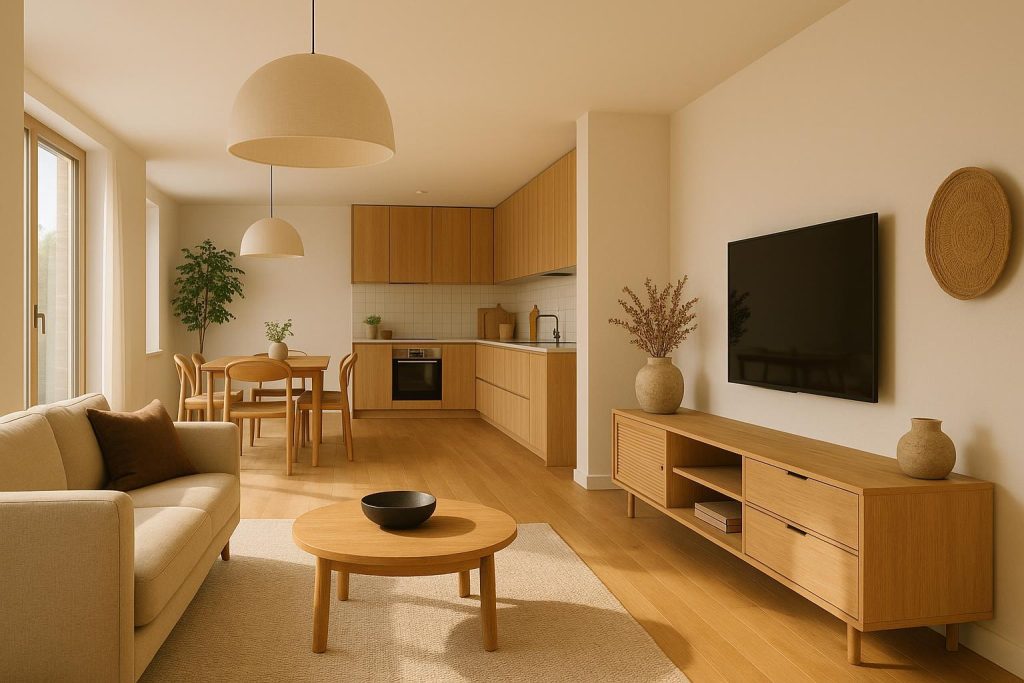
Homeowners often focus immense energy on closets, kitchens, or bathrooms, but open-concept living and dining areas can also work wonders to modernize a home. By removing or repositioning non-load-bearing walls, you can invite more natural light and create a sense of flow that is especially valued in contemporary design. This approach can dramatically alter the perceived size of the space, encouraging more family time and more versatile usage.
For those who like to incorporate personal touches, consider built-ins or custom shelving that aligns with the rest of your home’s design elements. These details not only increase storage but also provide the flexibility to maintain a minimalistic feel. Whether hosting holiday gatherings or day-to-day family dinners, living and dining areas that are bright, airy, and connected make a lasting impression. If you’re not sure how to reorganize these spaces effectively, a design professional can offer insights on everything from traffic flow to lighting, ensuring your new space is both functional and inviting.
6. Improve Curb Appeal and Exterior Features
Don’t overlook the exterior when planning your entire home upgrade. Curb appeal is often the first thing visitors or prospective buyers notice. Exterior improvements can range from subtle landscaping enhancements to major undertakings such as re-siding, installing new energy-efficient windows, or redesigning the entryway. Upgrading siding materials not only protects your property from the elements but can also offer a fresh visual statement.
Landscaping needn’t be extravagant. Simple yet strategic plantings, along with well-maintained pathways and lighting, help frame your home in the best possible light. You might also consider additions like a new porch, a modern deck, or an outdoor kitchen to boost your living space into the outdoors. If you’re unsure whether it makes sense to handle interior and exterior renovations simultaneously, have a look at our FAQ on whether to update your home’s exterior and interior at the same time. Taking these elements into account allows you to create a cohesive design strategy, maximizing both curb appeal and market value.
7. Embrace Energy Efficiency and Sustainability
As energy costs continue to rise and green building practices become more popular, integrating eco-friendly solutions into a whole-home renovation can generate both short-term and long-term advantages. By opting for energy-efficient windows, doors, and appliances, you’re likely to see a notable reduction in utility bills right away. Beyond that, these upgrades help demonstrate your commitment to sustainable living, which appeals to many modern buyers.
Installing features like improved insulation, solar panels, or a smart thermostat can also contribute to energy savings without sacrificing comfort. In fact, making these changes can elevate comfort levels by stabilizing indoor temperatures year-round. If you’re curious about ways to incorporate sustainable elements and reduce your environmental footprint, check out our FAQ on integrating energy-efficient solutions throughout a renovation. Whether your focus is on eco-friendly materials, advanced HVAC systems, or water-saving features, energy efficiency not only bolsters your home’s overall value but reflects a forward-thinking approach to home design.
8. Craft a Seamless Blend of Old and New
When modernizing an older home, striking the right balance between preserving character and implementing fresh design elements can be a challenge. However, this thoughtful blend often yields a distinct charm, resonating with homeowners and potential buyers alike. For instance, maintaining original architectural details—like exposed beams or vintage fireplaces—can give your home a unique personality unlike the cookie-cutter style of some new houses.
At the same time, integrate modern conveniences such as contemporary lighting, updated flooring, or state-of-the-art appliances. The juxtaposition of classic and new can turn your home into a sophisticated haven. If you need ideas for preserving cherished design elements or architectural details while still pushing your home’s design forward, our FAQ on design considerations for blending old and new can help guide your approach. A cohesive plan that marries original character with up-to-date features will keep your renovation looking timeless and intentional for years to come.
9. Plan and Budget Mindfully
Outdoor enhancements, interior open spaces, and large-scale structural improvements have one thing in common: They can all be derailed by poor planning or budget oversight. Setting a realistic budget—one that includes a contingency fund for unforeseen costs—is vital. Determine your spending plan early, consult experienced professionals as needed, and keep track of expenses as you proceed.
Whether you’re a seasoned DIY enthusiast or prefer to hire a full-service renovation team, it’s wise to explore different financing options in the early stages of planning. Knowing your budget can help you prioritize the upgrades that matter most and phase out those that can wait. For insights on various approaches to money management for whole-home projects, consider reading our FAQ on financing or budgeting strategies. A clear financial plan ensures that each enhancement—whether minor or major—builds upon your overall vision while keeping you within comfortable spending limits.
10. Consider Daily Life During Renovations
Renovations can disrupt your routine, especially when the project is all-encompassing. Determining whether you can continue living in your home throughout the remodeling phase is a key question. Some homeowners prefer to avoid the dust and noise entirely, temporarily relocating during particularly intensive stages of construction. Others choose to stay and work around the chaos in designated living zones.
If you’re unsure about which path might suit you, explore our FAQ on living in your home during a remodel. Additionally, our insights on managing a complete remodel with minimal disruption can help you adapt more comfortably if you decide to stay on-site. Clear communication with your renovation team and thorough project planning can make a world of difference in preserving your sanity and daily routines during major upgrades.
11. Strategic Timeline and Scope Management
Your timeline for a comprehensive upgrade can vary depending on the scope and complexity of each project. Determining what work will be done first, and which tasks can be completed concurrently, can help you avoid lengthening the renovation unnecessarily. It also helps to factor in potential permitting or inspection processes, which can affect how quickly you can move forward.
For a more detailed look at creating an efficient schedule, you might find our FAQ on typical timelines for a full-home remodel helpful. Sometimes, it makes sense to tackle the most disruptive elements (like foundational fixes or roof replacements) first so you can settle into more livable conditions as soon as possible. Other times, you might prefer to sequence projects in ways that minimize repeated work in the same area. Working with a renovation professional who respects your goals and concerns can streamline the process significantly.
12. Tying It All Together for Long-Term Value
Maximizing your home’s long-term value requires a holistic approach. Beyond choosing luxurious finishes or the perfect landscaping design, it’s about aligning all upgrades—structural, aesthetic, and functional—with your personal needs and future goals. Each choice, from the type of insulation you install to the paint colors you select, contributes to the overarching theme of your renovation story.
When you approach your entire home upgrade thoughtfully, you not only create spaces you’ll love living in but also pave the way for a solid return on investment. Combining timeless design elements, energy-efficient systems, open-concept areas, and well-planned budgets is the recipe for a home that retains its allure. If you’re feeling overwhelmed or unsure where to begin, you might want to explore our FAQ on planning scope and budget. Working closely with experienced professionals can help you formulate a strategy that addresses your home’s unique features while turning your dream renovation into a reality.
Whether you tackle your full-home renovation in stages or all at once, a methodical process that prioritizes big-impact areas—like the kitchen and bathrooms—while updating critical systems and improving energy efficiency can deliver the best results. If you’d like further inspiration or want to explore how professional insights can shape a more functional and cohesive home, feel free to visit our Home page. With robust planning, transparent budgeting, and a focus on the must-have areas, you can feel truly confident that every dollar you invest will enhance the quality, comfort, and overall value of your cherished home.