
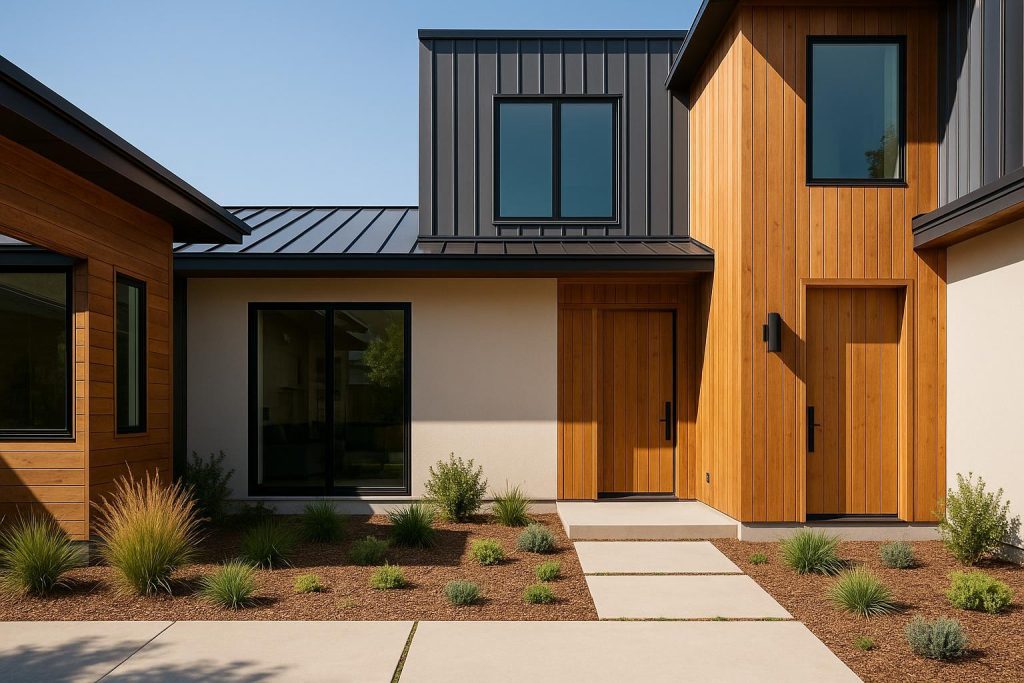
Elevating Your Home's Exterior With Sleek and Modern Materials
If you're aiming for a contemporary aesthetic, selecting the right exterior materials can be one of the most impactful decisions you make. Not only do these materials influence curb appeal right now, but they also affect your home's long-term durability, energy efficiency, and future market value. Whether you're renovating an older house or designing a brand-new build, opting for sleek and modern choices can bring out a fresh look that stands the test of time. In this guide, we'll take an in-depth look at popular exterior materials suited to modern design, their key benefits, and how you can combine them for a truly striking appearance.
Why Exterior Material Choice Is So Important
Exterior materials do more than just shape the visual identity of your home. They play a significant role in protecting the structure from weather damage, helping with insulation, and keeping maintenance to a manageable level. Here are a few reasons why a thoughtful selection matters:
- Curb Appeal: The way your property looks from the street is your home's first impression. The right exterior materials enhance your property's profile and allow your personal sense of style to shine.
- Protection: Siding, stucco, and other materials stand guard against elements like rain, snow, hail, and fluctuating temperatures. A properly installed exterior can extend the life of your home and minimize costly repairs down the line.
- Thermal Efficiency: Certain materials help insulate your home more effectively, reducing energy costs and maintaining a more comfortable indoor environment year-round.
- Maintenance: Some exteriors require regular repainting or refinishing, while others hold up well with little maintenance. Balancing appearance with convenience is key.
- Longevity: A well-chosen material can last for decades. Longer life cycles may mean initial costs are offset by fewer replacements.
1. Fiber Cement Siding
Fiber cement has become a favorite choice among homeowners seeking a sleek and modern look. Composed of a mix of wood fiber, Portland cement, sand, and water, it can mimic the look of wood, stucco, or even stone without their inherent disadvantages.
Why It Works for Modern Designs
- Versatility of Finishes: Fiber cement panels come in smooth planks that lend a crisp, minimalist profile. They also come in a variety of textures, allowing you to achieve a wood-like surface without the upkeep of actual wood.
- Durability: Resistant to rot, insects, and fire, fiber cement is designed to last for decades. This can be a major advantage in areas that face extreme climates.
- Paint Retention: The factory-applied finish or paint on fiber cement does not peel as easily as on traditional wood, meaning you'll probably go longer between refreshes.
2. Metal Siding
Metal siding, including aluminum and steel, is steadily gaining recognition for its sleek, clean-lined look. It works particularly well for modern architectural styles due to its smooth sheen and contemporary flair.
What Sets Metal Siding Apart
- Modern Aesthetics: The surface of metal siding makes it ideal for achieving a bold, streamlined design. It can be installed vertically or horizontally, and the resulting lines complement minimalist or industrial-inspired homes.
- Minimal Maintenance: Metal siding typically only requires periodic washing to keep it looking its best. Quality metal is also resistant to rot, warping, and insect damage.
- Reflectivity: Metal can reflect heat from the sun, potentially assisting with energy savings and climate control.
On the downside, metal siding can dent if impacted by hail or debris. However, higher-gauge steel provides enhanced durability. If you value a futuristic or industrial atmosphere in your home's exterior, metal siding might be the perfect choice.
3. Stucco for Smooth, Clean Lines
Stucco has been a popular exterior finish for many decades. While it is often associated with southwestern or Mediterranean styles, modern stucco techniques can yield an ultra-sleek, minimal look as well.
The Modern Stucco Advantage
- Seamless Appearance: Properly applied stucco results in a smooth or lightly textured surface, eliminating the need for obvious joints or seams.
- Color Options: Stucco can be tinted or painted to suit a modern palette of whites, grays, and neutrals.
- Insulating Qualities: Traditional stucco can add a layer of insulation to your walls, though today's synthetic stucco systems (EIFS) may offer even better energy performance.
Stucco, however, requires knowledgeable contractors for proper application and typically needs more ongoing maintenance in areas with freeze-thaw cycles. Despite this, many homeowners appreciate its classic yet now-contemporary possibilities.
4. Glass Accents and Curtain Walls
When we envision ultra-modern architecture, large expanses of glass often come to mind. While not usually used in place of a standard siding material, glass can be combined with other options to craft a striking contrast and blur the lines between indoor and outdoor living spaces.
Making a Statement with Glass
- Visual Impact: Large glass panels and windows flood interiors with natural light and contribute to an open, airy aesthetic.
- Mixing Textures: Glass blends beautifully with metal, wood, and concrete. The interplay of different materials can create a bold architectural statement.
- Framing and Insulation: Modern windows employ advanced glazing technology for greater energy efficiency and noise reduction compared to older glass systems.
Keep in mind that homes with large glass panels may require more frequent cleaning and careful design to ensure energy efficiency.
5. Natural Wood and Engineered Wood Products
Although one might not typically associate wood with modern design, the right approach can yield a warm, contemporary mood—especially when you opt for clean lines, minimal ornamentation, and subdued finishes. Engineered wood products, such as certain composite sidings, can offer the look of real wood without all the upkeep.
How Wood Elevates Contemporary Aesthetics
- Warmth and Character: Wood provides a soft contrast to hard lines or metallic finishes. When used as an accent, it can create a cozy yet modern vibe.
- Sustainability: Many engineered wood products are produced with environmental considerations in mind, using wood fibers bonded with resins engineered for longevity.
- Stain and Color Variations: From natural cedar to darker stains, you can experiment with tones that resonate with modern color palettes.
The biggest consideration is proper sealing or finishing. Wood can be prone to weathering, and in some cases, insect activity if it is not maintained. However, when installed and cared for properly, wood or wood-composite siding can deliver a truly distinctive modern look.
6. Concrete and Architectural Panels
In recent years, architectural concrete panels, often precast, have become increasingly popular in residential applications. These panels can present a smooth, monolithic surface that aligns perfectly with modern aesthetics.
Why Choose Concrete Panels?
- Durability: Concrete is inherently tough and highly resistant to extreme weather, pests, and fire.
- Minimalist Appeal: Concrete exteriors are synonymous with contemporary design. Large panels offer clean lines and a dramatic, almost monumental feel.
- Versatile Finishes: Modern concrete panel systems can be tinted, textured, or polished to suit the project's needs.
It's worth noting that concrete projects often come with higher installation costs. Nevertheless, if you're aiming for a bold, industrial-chic silhouette, the unmatched sturdiness and striking look of concrete panels can be a showstopper.
7. Bold Use of Mixed Materials
A major trend in contemporary home exteriors is mixing multiple materials for contrast. Combining fiber cement planks with metal accents or pairing stucco walls with wood accents can produce a multi-dimensional look. Here are some reasons to consider blending materials:
- Visual Interest: Mixing textures keeps the design from looking flat and allows homeowners to create unique features.
- Zoning and Accents: Contrasting materials can highlight specific architectural elements such as entryways, garages, or decks.
- Customization: Pair materials to balance warmth (wood) with coolness (metal) or to break up large walls into smaller panels in an intentional, artistic way.
Tips for Capturing a Sleek, Modern Look
Regardless of your material choice, a few design strategies will help ensure you achieve that contemporary, polished feel.
- Straight, Horizontal Lines: Clean geometry is a hallmark of modern design. Whether it's horizontal siding or a linear accent trim, consistent lines add to a streamlined appearance.
- Neutral Color Palettes: Consider opting for neutral tones, such as whites, grays, and blacks. These colors often pair well with the sharp edges and simple silhouettes typical in modern homes. Adding bright accents is possible, but they're usually used sparingly.
- Less Is More: Modern style thrives on simplicity. Overly ornate trim, busy textures, or too many competing design elements can diminish the sleek effect you're aiming for.
- Integrated Lighting: Outdoor lighting that highlights architectural forms and materials can make a dramatic statement at night. Inset or recessed fixtures can preserve the clean lines you want.
- Consider Landscaping: Modern landscaping, characterized by linear hardscapes, minimalist gardens, and strategic plantings, can help accentuate the exterior materials and architecture of your home.
Balancing Style and Maintenance
While the aesthetic factor is a priority, it's equally important to consider upkeep. Different climates and exposure levels demand different materials. For instance:
- Metals: Great in areas that are prone to insect damage or high humidity, but do watch out for potential corrosion in salty, coastal regions.
- Stucco: Performs best in drier climates but can be adapted for colder climates with the right installation methods.
- Wood: Striking when freshly maintained, but frequent refinishing may be needed depending on your region's conditions.
Before you invest, do your best to understand local building codes and consult with professionals who can recommend suitable styles and materials for your specific location.
Planning Your Exterior Renovation
If you're renovating an existing home, it can be helpful to work with a contractor that offers an in-house design team, ensuring the renovation integrates with the property's existing structure. One example could be exploring a design-centered approach—crafting unique concepts, generating 3D renderings, and walking you through potential materials that not only reflect your style but stand up to local conditions.
Many homeowners are drawn to modern materials because they want to age in place comfortably while keeping the house looking fresh and up-to-date. If that resonates with you, considering a streamlined exterior can not only enhance the aesthetic now but also future-proof your home against trends that come and go.
Finding Support and Inspiration
Balancing cost, upkeep, and design preferences can be complex, especially when you consider local weather conditions. That's where professional insights can truly make a difference. At times, it helps to have a trusted advisor who can weigh your personal priorities against various exterior solutions. If you're ready for a high-end renovation that fully supports your style and functional needs, professional design-centered services might guide you from initial ideas to the final reveal.
As a homeowner in Edmonton or the surrounding area, you may be looking to update your exterior in a way that complements the local climate. An experienced contractor can help you select siding materials—be it fiber cement, metal, or composites—that stand up to the region's temperature swings while still exuding a contemporary flair. For more insights on exterior updates, you can visit our Home page to learn about different renovation possibilities.
Combining Practicality and Elegance
The ultimate goal of any exterior renovation or build is to strike the perfect balance between modern style and daily practicality. While the materials discussed here perform well in contemporary motifs, picking the right one for you often comes down to:
- Budget: Evaluate your up-front investment versus potential savings over the life of the material.
- Regional Climate: Consider how freezing winters, scorching summers, or high humidity will affect the exterior over time.
- Maintenance Commitment: If your ideal look requires more upkeep than you're willing to do, it's wise to explore a lower-maintenance alternative.
- Personal Aesthetic: Since it's your home, the final say should align with your tastes and overall vision.
Final Thoughts
Opting for sleek, modern exterior materials can dramatically transform your home, giving it a fresh new identity while boosting value. Whether you're leaning towards the lasting durability of fiber cement, the industrial appeal of metal siding, the understated charm of stucco, or the bold combination of multiple materials, the possibilities for a contemporary exterior are virtually limitless. Don't forget to look at factors like climate performance, maintenance requirements, and color choices as you refine your plans.
By understanding how each material can complement your personal style and functional needs, you'll be able to create a cohesive, striking exterior. And if you're seeking some guidance, consider collaborating with a renovation team that emphasizes clarity, creativity, and a supportive experience throughout the planning and execution phases. Ultimately, a well-chosen combination of materials—enhanced by smart design and thorough installation—can give you an exterior that is not only modern right now, but timeless for years to come.