
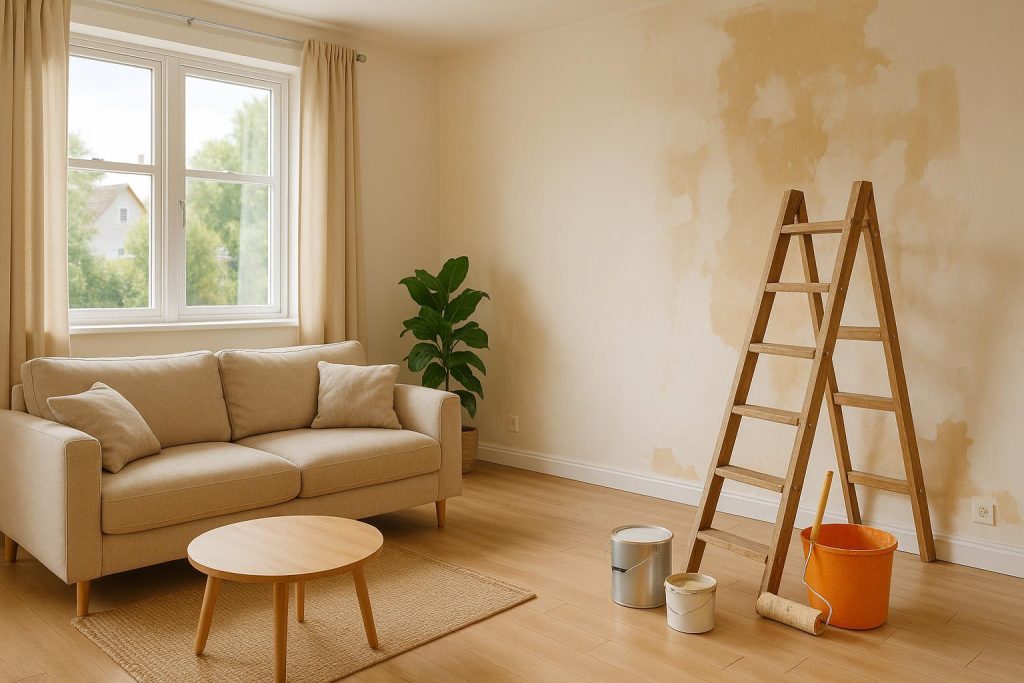
Renovating Your Entire Home Without Moving Out
Renovating your home can be a thrilling journey, especially if you are taking on a whole-home remodel to update outdated features or better adapt your living spaces to current needs. Yet, the thought of staying in your home while all this construction happens can be daunting. The good news is that it is entirely possible to live on-site during a renovation, provided you take the right steps to prepare. With thoughtful planning, realistic expectations, and open communication with your renovation contractor, you can keep a sense of normalcy while transforming your home into the space you have always wanted.
Understanding the Benefits of Staying Put
One of the most appealing advantages of living in your home during a complete renovation is the ability to track progress in real time. You will get to see how each phase comes together and can step in immediately if you have questions about design, materials, or schedule changes. In some cases, noticing a small detail early—like an electrical outlet not placed where you envisioned—can prevent a bigger fix later on. Your presence on-site may lead to quicker adjustments since you will be readily available to chat with your contractor, rather than scheduling calls or waiting until the next site visit.
Financially, staying in your home allows you to avoid the additional costs of renting another living space or paying for extended hotel stays. This can help you reallocate part of your budget toward higher-quality materials or other improvements that may enhance the final outcome. It is also comforting to remain on familiar turf, maintaining your established routines and interacting with neighbors as usual. If you have children or pets, keeping them in a known environment can ease what might already be a stressful period.
Organizing Your Living Space During Construction
When contractors are renovating multiple rooms of your home, think carefully about how each space will be affected—and in what order. Some homeowners prefer a phased approach: tackling a section like the kitchen and main living area first, followed by bedrooms or bathrooms. Others might renovate the top floor, then move downstairs after those upper rooms are completed. The key is finding a sequence that reduces disruption and helps you maintain a semblance of order in your daily life.
Consider how you will store or protect furnishings and valuables. It might be necessary to rent short-term storage for large items or furniture that would otherwise be susceptible to dust and debris. If renting a separate storage unit is not feasible, designate a room or garage as a space for stacking furniture and boxes during the most intense phases of construction. Depending on your home’s layout, you can also create temporary zones for cooking, sleeping, or leisure. A spare bedroom could become a makeshift kitchen when your real one is offline, or perhaps you can convert one corner of a less-used living area into a small workstation if your office is under renovation.
- Protect your belongings: Use protective covers and plastic sheeting to shield furniture, electronics, and other valuables from dust.
- Label everything: When you pack items away, label boxes clearly to avoid confusion later.
- Establish personal zones: Keep certain areas, like bedrooms, off-limits to the contractor if possible, so you have a quiet, dust-free space to retreat to.
- Plan for cooking and cleaning: If your kitchen undergoes renovation, consider alternative meal prep solutions like a portable cooktop, outdoor grill, or slow cooker.
Maintaining Health, Safety, and Comfort
During a full remodel, dust and debris are inevitable. To keep your household comfortable, set up dust barriers and ensure there is proper ventilation in active construction zones. If members of your family have allergies or respiratory sensitivities, discuss these issues up front with your builder or renovation contractor. They may install added air filtration systems or sealing methods to confine dust and particles to the work area. Additionally, make sure you review safety practices with your contractor—especially if you have small children or pets that might wander into areas with exposed nails or tools.
Coordinate set work hours for the construction crew, confirming when they will arrive and leave each day. That way, you can plan your schedule accordingly, letting children nap or do homework without constant disruption. Maintaining a consistent routine can reduce stress levels, making it easier to cope with the challenges of a renovation happening around you. Let your contractor know if there are specific days or periods when you need added quiet or minimal foot traffic, such as a work-from-home meeting or a significant family event. Most builders are willing to accommodate within reason, but these considerations must be discussed proactively to set clear expectations.
Communicating Effectively With Your Renovation Team
Effective communication is the foundation of a smooth renovation project, particularly when you remain at home throughout the entire process. At the outset, ask your contractor for a clear timeline and ensure they provide regular updates. You should know which parts of the house will be worked on and when, who will be on-site, and what tasks they will be doing each day. This level of clarity keeps you informed, allowing you to plan errands or family activities to avoid clashing with noisy or dusty periods.
In addition to scheduled check-ins, maintain an open line of communication for unplanned questions or emergencies. If something comes up—maybe an unexpected structural issue behind a wall—being able to address it quickly can help you avoid costly delays. Keep track of important decisions and changes in writing or through a project management tool so that everyone is on the same page. This can be as simple as emailing your contractor after a discussion to confirm the details you agreed upon.
Strategies to Minimize Inconvenience
Renovating the entire house in one swift sweep might be the fastest way to get from start to finish, but it can significantly hamper your day-to-day life. A phased approach or scheduling renovations room by room may take longer overall, yet it grants you a measure of stability. In some cases, you might opt to prioritize essential areas such as the master bedroom or the main bathroom, ensuring you have comfortable sleeping and bathing facilities, while the rest of the house is tackled gradually. You can then move your day-to-day activities elsewhere as each area is completed.
Think about your exterior upgrades as well—some homeowners choose to coordinate indoor and outdoor renovations for maximum efficiency. If you plan on adding an extension like a deck or additional living space outside, you might schedule part of the exterior work to coincide with less disruptive indoor tasks. If you are curious about whether a deck or a patio suits your needs, consider the discussion in our FAQ post Is a deck or patio better for adding outdoor entertaining space?. Doing so can help you refine your approach if your remodel goes beyond the interior walls.
Additionally, smaller tasks can be handled by a handyman while the main contractor focuses on more significant project milestones. For details on how this might come into play, check out What small jobs can a handyman help with during a renovation project?. This strategy streamlines workflow, ensuring big jobs and minor fixes do not compete for the same resources.
Budgeting and Timeline Considerations
Living in your home during a full-scale renovation demands a solid financial plan. Before the first piece of drywall is removed, outline a detailed budget that accounts for labor, materials, extra contingency funds, and any interim solutions you might need, such as portable storage. Talk to your contractor about fixed-cost or transparent pricing models so you can avoid surprises. Sticking to a schedule is equally important. A meticulously planned timeline helps you know exactly when to relocate furniture, isolate certain rooms, or coordinate child and pet care.
Keep in mind that unexpected issues—like hidden water damage, outdated electrical systems, or structural problems—might arise. A contingency buffer of around 10–15% of your project budget can help you manage these surprises without halting the renovation halfway through. The more prepared you are, the less likely you will feel compelled to move out mid-project due to financial or logistical complications.
Taking Advantage of Expert Guidance
For many homeowners, the biggest hurdle to living through a renovation is not the construction noise or the dust; it is the feeling of uncertainty in uncharted territory. Working with a contractor who is experienced in whole-home remodels can alleviate that concern. Be upfront about your limits: if you absolutely cannot live without a functioning kitchen, ask your contractor to prioritize that area. If accessible and stylish bathroom features are high on your list, you could benefit from reading our FAQ How do I ensure my new bathroom layout is both accessible and stylish? to gather useful ideas for a smoother remodeling experience.
Similarly, if you plan to do significant changes to your kitchen that will improve workflow and add lasting value, browsing What layout considerations can improve kitchen workflow? can help you optimize the decisions you make during this major change. You might discover a layout that drastically simplifies day-to-day cooking, even while construction is still in progress.
Whole-Home Renovation and Adding Value
As you expand and modernize every room, you have a remarkable opportunity to boost your home’s market value. A new, cohesive interior design can instantly enhance curb appeal (and by extension, resale value). When you invest in quality finishes, energy-efficient window collections, and up-to-date appliances, you create a space future buyers will appreciate—particularly in older homes that have not been updated in decades. If you are wondering which specific upgrades yield the highest returns, check out Which renovations add the most value during a complete home remodel? for practical insights. This resource can give you a strategic approach, ensuring your renovation project aligns with your broader financial goals.
Another area often overlooked is the basement. If your plan includes finishing or insulating the basement to expand your living area, consider reading How do I properly insulate a basement to prevent moisture damage?. Proper insulation plays a vital role in making your basement comfortable and preventing issues like mold and mildew, issues that are much easier to handle during the construction phase than finding out about them after the renovation is complete.
Phased Renovation or All at Once?
Every homeowner’s situation is different. While some prefer to get everything done in one sweep to minimize the overall duration, others opt for a phased approach—renovating one or two rooms at a time for the sake of lower daily disruption. A full-scale, nonstop renovation may be faster but more intense. If you have a recurring schedule that allows for a bit more patience, phasing the project can make living on-site easier. This incremental approach also allows you to spread out costs, which might be beneficial if you are juggling finances.
However, be cautious about dragging the project on too long. Extended timelines can incur additional labor costs, fluctuate material prices, and keep your household in a constant state of change. Weigh the pros and cons based on your budget, your tolerance for noise and dust, and your contractor’s availability. Often, a balanced middle ground—where large sections of the home are addressed together, followed by smaller projects—works well for many families. Decide on the phasing strategy after a candid discussion with your contractor, so you fully understand how each method impacts both cost and quality of life.
Final Steps to a Successful Renovation
As your home renovation nears completion, take a moment to reflect on the journey you and your family went through. Living on-site provides a front-row seat to dramatic transformations—an outdated room turns into a modern kitchen, or a cramped bathroom evolves into a spa-like oasis. The payoff is often worth the short-term inconveniences. You will walk away with a deep appreciation for the craftsmanship involved, feeling more connected to your home’s new features and design choices.
Before your contractor wraps up, be sure to do a final walk-through. This is your chance to spot any unfinished details or minor touch-ups that might still be needed. Paying attention to small concerns now will help you avoid future headaches. If you collaborated closely with your contractor, you might already have a punch list of items to address, so the final inspection should run smoothly. Keep lines of communication open even after the project is done, in case you discover a problem later or have questions about ongoing maintenance or recommended updates. For example, if you converted your basement into additional living space, you might later check out What are the benefits of converting a basement into a legal suite? to maximize that new area’s potential in the future.
Throughout the experience, remember that a whole-home renovation is a significant but rewarding investment in your home’s comfort, function, and value. With thorough planning, clear communication, and a willingness to adapt, you can stay safe, healthy, and focused on the excitement of shaping your dream home. Should you need more help planning or want professional guidance on reducing stress and maximizing results, feel free to visit our Home page. Whether it is a major remodeling project, an addition, or an exterior update, embracing an organized approach can allow you to live on-site while still achieving transformative results.