
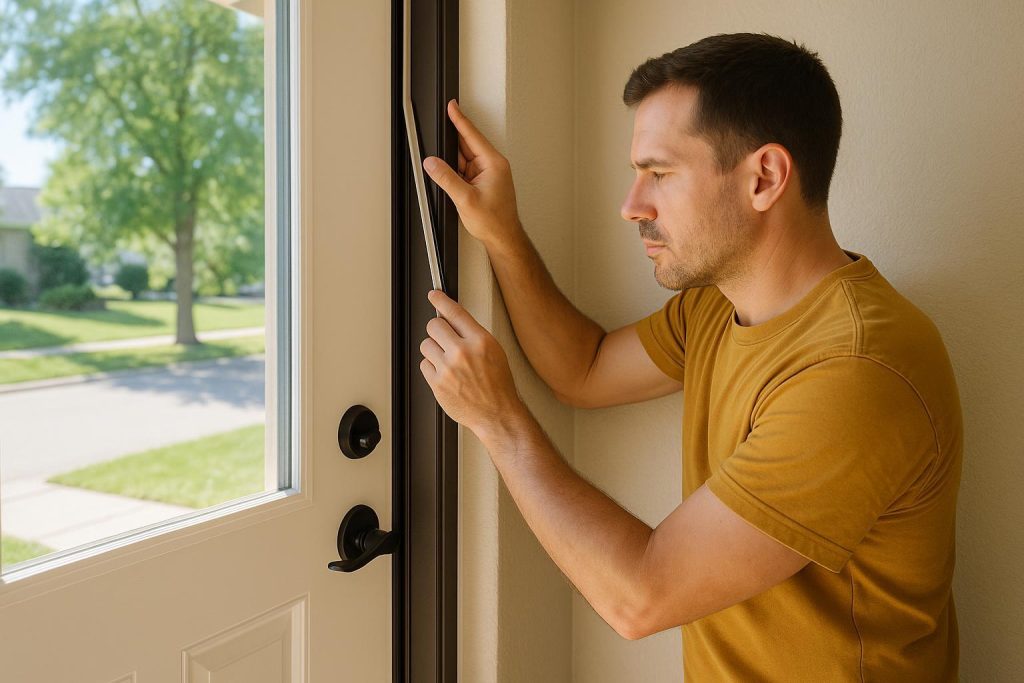
Why Checking Your Front Door Insulation Matters
Making sure your front door is well insulated might seem like a small detail, but it plays a vital role in maintaining a comfortable indoor environment. Whether you live in a region with cold, snowy winters or hot, dry summers, your front door often serves as the barrier between the elements and your home’s interior. When the insulation around your door is worn or compromised, everything from energy efficiency to noise reduction can suffer. Regular inspections are a practical way to keep your home cozy, reduce heating and cooling costs, and ensure your family’s comfort.
How Front Door Insulation Impacts Energy Efficiency
The primary benefit of proper insulation around a front door is reducing heat transfer. In winter, good insulation keeps the warm air inside; during hotter months, it helps keep that cool air-conditioned air indoors. A door with compromised insulation will allow drafts, forcing your heating or cooling systems to work harder, resulting in higher energy bills. The cost savings of a door that’s sealed correctly can be significant over time, making routine checks a highly cost-effective habit.
Common Signs Your Front Door Insulation Needs Attention
You don’t have to wait for a noticeable draft to suspect insulation issues. A few indicators might prompt a closer look:
- Visible Light Gaps: If you can see daylight around the door edges, that’s a clear sign the seal isn’t as tight as it should be.
- Drafts or Temperature Changes: Feeling a sudden breeze when standing near your entry suggests air is traveling through cracks or worn weatherstripping.
- Peeling or Brittle Weatherstripping: Rubber or vinyl weatherstripping often becomes dry or discolored if it’s at the end of its lifecycle. If it pulls away easily from the frame, it’s time to replace it.
- Moisture or Water Stains: Water leaking in during rain or snowmelt means a compromised seal around the door frame. Left unaddressed, this can lead to structural damage.
Keeping an eye out for these signs allows you to act quickly before the condition worsens. Taking swift action can save you from bigger issues down the road, such as rotting door frames, warped wood flooring, or mold growth caused by moisture infiltration.
How Often You Should Check Your Front Door Insulation
A good rule of thumb is to inspect the insulation around your front door at least twice a year—usually once in the spring and again in the fall. By aligning these checks with seasonal shifts, you’ll be able to spot new or worsening wear before the extreme temperatures of summer or winter arrive. Springtime inspection can reveal damage from freezing temperatures, while fall checks help prepare you for the cold months ahead. If your region experiences harsh or rapidly changing weather, you might opt for more frequent inspections, such as quarterly checks. Regular attention to door insulation can pay off in terms of energy savings, improved comfort, and an extended lifespan for door materials.
Step-by-Step Guide to Inspecting Your Front Door
While a simple glance can reveal some issues, a more thorough approach will ensure you catch any less obvious problems. Here’s a quick method to follow:
- Clean the Threshold: Start by cleaning the door threshold with a cloth to remove debris or dirt that can hide minor cracks or gaps.
- Look for Light: Stand inside your home with the door closed, and look for any noticeable streaks of light at the door’s edges or bottom. Even a thin line of light can indicate a compromised seal.
- Test for Drafts: On a windy day or using a hair dryer, move the warm air around the edges of your door from outside. Have someone inside feel around the edges to detect if air is making its way through.
- Check the Weatherstripping: Examine the rubber or vinyl strips for cracks, brittleness, or peeling. Gently tug on them to see if they’re still firmly attached. Any signs of weakness mean replacement is likely needed.
- Inspect Caulking and Door Frame: Look for cracked or peeling caulk around the frame. Use a small screwdriver or your fingertip to check if the caulk has separated from the surface. If it hasn’t, gently press on the frame to ensure it’s still solid and not warped or rotting.
- Perform Minor Fixes: If you spot small gaps, you can add new caulk or weatherstripping. For more significant issues—like a misaligned door or a severely damaged frame—getting professional advice might be your next step.
Tackling these maintenance tasks once or twice a year is often all it takes to prevent more extensive and expensive repairs later.
Choosing the Right Materials for Door Insulation
When it comes to maintaining or upgrading front door insulation, you have a variety of materials to consider. Weatherstripping is commonly made from rubber, foam, felt, or vinyl. Each material has pros and cons:
- Rubber: Durable, resilient, and effective in keeping out moisture. It’s also typically more expensive but often lasts longer than alternatives.
- Foam Tape: An affordable choice, but foam can compress or wear out quicker, especially in high-traffic doorways.
- Vinyl: Similar to rubber in durability and moisture resistance but can become brittle over many seasons.
- Felt: The most economical material; however, it isn’t as durable or effective for sealing drafts over the long term.
In choosing a material, also consider your local climate. If you live in a region with high humidity or extreme temperature swings, investing a bit more in more robust weatherstripping can save you time and money in the long haul. Proper material selection helps ensure your insulation will remain reliable, cutting down on replacements.
Improving Comfort and Reducing Noise with Door Insulation
Insulation around a front door doesn’t just regulate temperature—it also helps minimize noise. Even small gaps can let in the hustle and bustle of neighborhood traffic, lawnmowers, and barking dogs. By ensuring a tight seal around the door, you can create a quieter interior that fosters a more peaceful living environment. This added benefit is particularly important if your home is located near busy streets or you simply appreciate a serene indoor atmosphere. Making sure your door is insulated is thus about more than comfort and energy savings; it’s also about enhancing the overall quality of your home life.
When It Might Be Time to Replace the Door
While updating caulking and weatherstripping is often enough, sometimes the best solution is an entirely new door. If your existing door is decades old, excessively warped, or has significant water damage, upgrading to a modern, energy-efficient model may be the wisest investment. Today’s energy-saving doors often come with built-in insulation cores and advanced weather seals, creating an air-tight barrier against the elements. Although the upfront cost of a new door can be higher, you’ll likely recoup this in long-term energy savings and improved overall performance. Plus, a durable, high-quality door generally offers additional perks, such as better security and higher curb appeal, which in turn can boost your home’s resale value.
Integrating Front Door Inspections into Broader Renovation Plans
Front door checks are not just a standalone maintenance task. Many homeowners choose to coordinate front door upgrades with other home renovation projects. For instance, if you’re already planning a whole-home renovation or exterior updates, the front door is often a small piece of a larger puzzle. Replacing or upgrading an older door to an insulated model can match new siding or freshly painted trim, helping boost the overall aesthetic harmony of your home. This integrated approach can offer efficiencies in both cost and labor, ensuring all your home updates blend seamlessly together. If you’re interested in taking this a step further, feel free to visit our Home page, where you can learn more about various renovation options and consult with professionals for a comprehensive plan.
Maintaining the Look of Your Entryway
Insulation around your front door shouldn’t come at the cost of aesthetics. In fact, with a bit of creative thinking, you can ensure your entry remains both functional and stylish. For example, match the color of your caulking or weatherstripping with the doorframe so that it blends seamlessly. If you’re considering a new door entirely, you can choose from a range of materials—wood, fiberglass, steel—that come in various finishes. Modern design approaches allow you to maintain or elevate your home’s curb appeal while also enhancing energy efficiency.
Maintaining your door’s finish—be it paint, stain, or a protective coat—will also help it stand up to weather conditions. Regularly cleaning and examining the surface for cracks can prevent water damage and keep the door looking fresh. This visual upkeep complements the functional advantages of proper door insulation, leaving you with an entryway you’ll be proud to welcome guests through.
Long-Term Benefits of Regular Door Inspections
Making door insulation checks a habit comes with a host of advantages that extend well beyond the door itself:
- Lower Energy Bills: Ensuring a tight seal keeps heating and cooling costs down.
- Extended Door Lifespan: Preventing damage from drafts, moisture, or extreme temperature changes helps your door’s materials last longer.
- Healthier Indoor Environment: Well-sealed doors minimize moisture entry, lowering the risk of mold or mildew growth.
- Reduced Noise: A better acoustic seal helps keep outdoor sounds to a minimum.
- Enhanced Curb Appeal: Up-to-date and well-maintained entryways look inviting, which can be a plus if you ever decide to sell or refinance your home.
These benefits underscore why door insulation maintenance is more than just a quick fix—it’s a long-term investment in your home’s comfort, safety, and value.
Making the Most of Professional Assistance
While many minor repairs—such as replacing weatherstripping or re-caulking—are tasks you can handle yourself, there are times when professional input is invaluable. If you suspect the frame is warped, your door is misaligned, or you notice persistent moisture infiltration, consulting with a renovation specialist can ensure that the root causes are addressed. Trained experts often have the right tools and experience to diagnose complex issues, saving you time, money, and stress in the long run. Plus, if you’re considering a full door replacement or a more extensive remodel, a cohesive plan that factors in your entire exterior or interior space may yield the most seamless outcome.
Final Thoughts on Regular Front Door Insulation Checks
Inspecting the insulation around your front door isn’t just about keeping out drafts; it’s about taking a proactive approach to home maintenance that saves you money and supports a comfortable space. Twice-yearly checks can help you catch small issues—like brittle weatherstripping or cracked caulking—before they turn into costlier, more time-intensive problems. If you’re feeling ambitious or already planning a more extensive home improvement project, upgrading your door to a modern, energy-efficient model can be part of a broader transformation that elevates the look and efficiency of your entire home. Ultimately, making routine door inspections a habit is a simple yet highly impactful step. It helps regulate indoor temperatures, prevents water infiltration, reduces noise, and keeps your home looking its best for years to come.
Remember, every home is unique. If you have an older property or live in a region with extreme weather changes, you may need to adjust your inspection schedule accordingly. The key takeaway is that consistent, thoughtful upkeep protects your home’s value, comfort, and visual appeal. By investing a little time into this relatively simple task, you’ll reap significant long-term benefits—proving that sometimes, the smallest actions can make the biggest difference.