
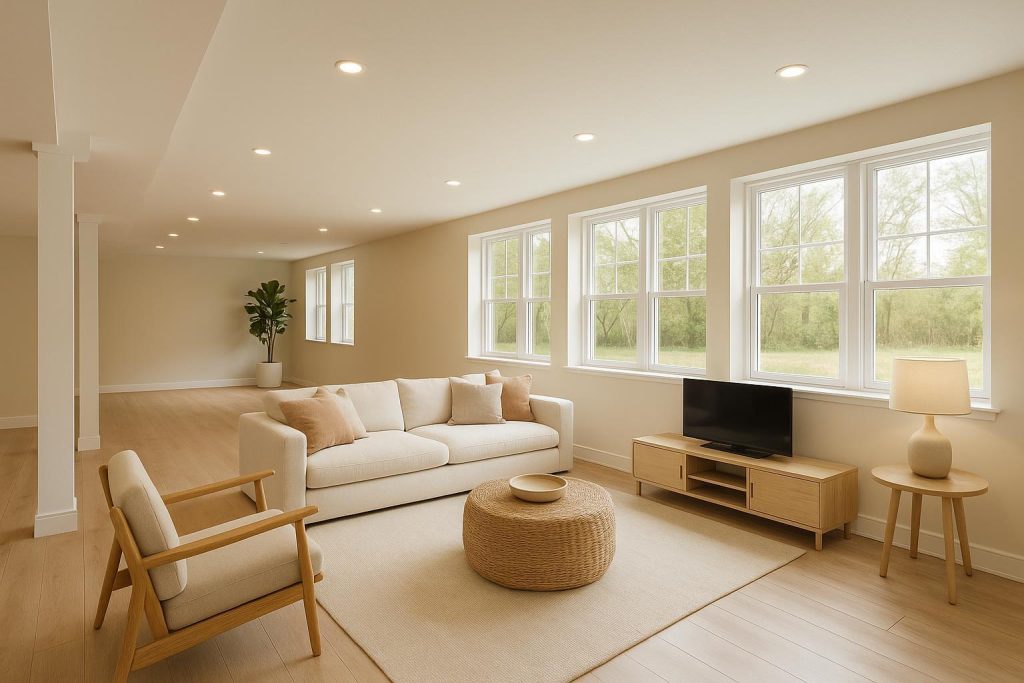
Transforming Your Basement Suite into a Bright, Welcoming Space
Basement suites often serve as versatile living areas—perfect for an in-law suite, rental opportunity, or cozy living space for your own family. Yet one significant challenge remains common in these underground quarters: limited natural light. Basements inherently run short on sunlight due to their below-grade foundation, smaller or fewer windows, and surrounding outdoor structures like window wells. If you’re hoping to increase the brightness of your basement suite and make it a more inviting place to be, there are several strategies at your disposal. In this comprehensive guide, we’ll explore various design methods, window solutions, and practical tips to help you capture every ray of light possible in your below-ground space.
1. Understanding the Lighting Challenges in Basement Suites
Before diving into solutions, it’s helpful to understand why natural light can be so scarce in basements. Unlike a main-floor room, a basement’s walls are often partially or fully surrounded by soil. This reduces the size and number of possible window openings for natural light to enter. Additionally, existing older basements may have small windows placed above ground level, which don’t capture as much daylight as you would hope. For homeowners looking to optimize this space, a combination of thoughtful window placement, strategic lighting fixtures, and interior design choices is usually necessary to replicate an airy, livable environment.
Basement homeowners often worry that improving a basement’s brightness comes with trade-offs, such as expensive structural changes or the need for costly custom windows. However, even incremental modifications can have a significant impact on how spacious and inviting the area feels. Whether you’re renovating or simply wanting to refresh your current basement suite, using reflective surfaces, bright paint colors, and well-placed fixtures can set you on the right track toward flooding the area with much-needed light.
2. Go Bigger with Basement Windows
Windows are the single most effective source of natural light in a basement suite, so the best way to let in more sunshine is to increase their size and quantity where feasible. If you can safely expand existing window openings, larger windows can make a dramatic difference in the amount of sunlight your basement receives. Consider exploring local code requirements for egress windows, which are designed for safety—but also allow far more light than a smaller, standard window. Egress windows include ample space for an adult to exit in emergencies and are often mandated in basement bedrooms.
When pursuing bigger basement windows, you might need to excavate soil outside your foundation and add or enlarge window wells. A deeper or broader window well can dramatically improve how light enters through a bigger window pane. Modern window well designs include steps or simple landscaping, which not only look good but can also reflect more light. If you’re considering a basement renovation in the long term, budgeting for window expansions is a worthy investment that pays off in both natural light and safety.
3. Window Wells: Making the Most of Your Outdoor Space
Even if you increase the size of your basement windows, the exterior environment can hinder how much daylight actually filters inside. That’s where window wells come in. Essentially, a window well is a retaining structure built around the basement window. It accommodates the surrounding soil so it doesn’t press against the glass, and it can help direct more sunlight inside your home. When planning for new wells, opt for light-colored or reflective materials for the well’s interior, such as a galvanized metal or lighter-quartz composite. These materials can bounce more illumination through the windows, making the basement feel less like an underground unit and more like a regular living area.
To maximize the reflection of sunlight, you can add accessories or finishes to the inside of the well, like small pea gravel in a light tone or even a reflective surface. Maintaining cleanliness in the window well—by removing leaves or other debris—is also essential to keep incoming light unobstructed. Be certain to check local building codes, as many regions specify minimum sizes and coverage for basement wells, especially if they’re attached to designated bedrooms.
4. Incorporate Reflective Surfaces
Basements, by nature, tend to absorb rather than reflect light, especially if the walls have darker paint or finishes. One key tactic is introducing reflective elements into your basement suite’s decor. This can include design choices like glossy white walls, high-gloss paint finishes on trim or cabinetry, and well-placed mirrors to reflect existing natural and artificial lighting.
Consider large, strategically placed mirrors that reflect windows, doubling the perceived light. Mirrors aren’t just for vanity areas; they can be installed in living rooms, bedrooms, or at the end of a hallway to create an illusion of expansiveness. Reflective accessories—such as polished metal fixtures, glass tables, and even floors with a slight sheen—can all play a role in distributing light throughout the space. If your basement suite has decorative columns or structural support posts, painting them in a light color or adding a mirrored finish might produce a surprising boost in brightness.
5. Use Light, Bright, and Neutral Color Schemes
Paint color sets the tone for any room, especially a basement suite. Choosing lighter, neutral shades (e.g., whites, creams, pale blues, or warm grays) is one of the simplest and most cost-effective ways to expand light within an enclosed space. Dark hues naturally absorb more light, making them less than ideal for basement settings. A fresh coat of an off-white or neutral paint can amplify available daylight from any windows you have.
Also, pay attention to the basement’s flooring. Lighter-hued flooring options—whether that’s vinyl planks, laminate, or even a bright area rug—will help bounce more light upward. Try to stay consistent with these muted color tones for larger furniture pieces and walls, letting one or two accent colors bring personality. When the overall palette remains bright, each source of light, natural or artificial, permeates the environment more effectively.
6. Trim Trees and Other Exterior Obstacles
Sometimes, basement windows are shaded by exterior obstacles outside the home. Overgrown shrubs, tall fences, or large outdoor appliances can block precious sunlight. Similarly, if a tree or hedge is too close to the basement window, it may significantly reduce how much light trickles in. Regular maintenance of your exterior greenery and yard space is an easy fix that can make a big difference.
One effective way to allow more light in is by pruning regularly and redesigning your landscaping to ensure your windows aren’t obscured. If your lot layout allows for it, you might even fence in the area with a more open design or use transparent or translucent materials to avoid blocking the sun. Keeping window areas clutter-free, both indoors and outdoors, is imperative for capturing every beam of daylight available.
7. Opt for Glass Doors and Walls Where Possible
Basement suites often include interior walls and doors that can further compartmentalize the space and block light from traveling freely. One solution is to replace standard wooden doors with those featuring glass inserts or even full glass. Glass doors allow the flow of light between rooms, helping brighten the main living area, hallways, and any adjoining bedrooms.
If you’re renovating or building out a new basement suite, consider partial or full glass partition walls to divide spaces without losing the vital connection to a window. Frosted glass can still provide privacy while allowing daylight to pass through. For an open-concept feel, half-walls or partial divisions with glass transitions can be an excellent way to keep the entire layout bright and airy. Just be sure to coordinate the design style—whether modern, transitional, or a more classic approach—to ensure the glass updates blend seamlessly with the rest of the basement decor.
8. Explore Additional Light Sources, Like Skylights or Light Tubes
Traditional skylights are typically found on upper-level floors, but there are actually innovative “tubular skylights” (sometimes called sun tunnels or light pipes) designed specifically to bring natural light into areas like basements. These products rely on highly reflective tunnel systems that guide sunlight from the roof through the building’s interior structure and into the basement ceiling. While installing a tubular skylight in a basement can be complex, it’s a strategy that can dramatically enhance the available daylight, especially if your home’s layout and local codes permit it.
Before committing to this solution, consult with a professional contractor who can assess the feasibility of adding such features to your attic, main floor, and basement. It’s often worth it for homeowners who seek every possible advantage in brightening below-ground living quarters.
9. Incorporate Layered Artificial Lighting
Even after maximizing your natural light sources, artificial lighting remains essential for a fully illuminated basement suite—especially during evening hours or on cloudy days. Layering different types of lighting can help eliminate dark corners and create a warm, welcoming environment. Combine ambient lighting (ceiling fixtures), task lighting (under-cabinet or reading lamps), and accent lighting (wall sconces or track lighting) to give your basement depth and dimension.
Consider using modern LED bulbs that mimic daylight (often labeled as 5000K) or a slightly warmer tone (around 3000K to 3500K) if you prefer a cozier look. Reflective light fixtures and strategically placed recessed lights can also be powerful tools. The goal is to ensure that shading or dark patches are minimized, so plan your lighting layout with overlap in mind.
10. Use Internal “Borrowed Light” Strategies
Borrowed light refers to pulling illumination from a bright room into a darker one. When you’re short on window options, a somewhat open-concept design lets light freely move from one space to another. An example is using glass block walls or partial-height walls to direct natural light from the living room or kitchen area into a bedroom that lacks a big window. Borrowed light can also come from adjacent spaces on the same level or even from stairwells if they happen to have open steps or windows near them.
By creatively configuring partitions and interior doorways, you can “steal” beams of sunlight from more well-lit areas. This technique is particularly helpful if you have a multi-room basement suite. Connected layouts with minimal solid barriers significantly improve how bright the entire basement feels, even if you aren’t able to expand window sizes in every single room.
11. Minimize Clutter and Embrace Minimalist Furnishings
You don’t want to hamper your efforts to brighten a basement suite by overfilling it with heavy, dark furniture or excessive decor. Too many bulky items can recast shadows and visually shrink any living area. Instead, choose a clean and minimalist aesthetic. Opt for pieces that serve a clear function while also maintaining a lighter color palette whenever possible. Use decorative touches sparingly but purposefully—think throw pillows in soft pastels, stylish but minimal accent chairs, and neutral area rugs to tie the room together.
A decluttered space not only appears brighter, but also feels more inviting. If you need storage, incorporate built-ins or shelves along walls so your belongings are neatly organized and off the floor. Shelving units painted white or in a light neutral can help reflect light further, transforming these storage solutions into design assets that complement your brightening plan.
12. Prioritize Air Quality and Maintenance
Plenty of natural light makes a basement suite more pleasant, but good ventilation and appropriate humidity control are also crucial for a healthy space. Even a brightly lit basement can feel damp if air circulation is lacking. Use dehumidifiers or high-quality HVAC systems to keep moisture levels in check. Opening windows when the weather permits is also helpful for fresh air exchange. Maintaining dryness and comfort helps ensure that newly introduced light feels clean and healthy, not shadowed by mustiness or lingering odors.
Remember, your improvements won’t reach their full potential without consistent upkeep. Over time, dust and grime can accumulate on window panes and reflective surfaces, dulling their effectiveness. Regularly cleaning your windows, mirrors, and lighting fixtures helps them remain efficient and bright.
13. When Professional Input Makes Sense
Depending on your ambitions for improving a basement suite’s natural light, you may want to consider a professional renovation company—especially if you’re exploring egress window additions, large window well installations, or other structural modifications. A licensed contractor can assess your home’s load-bearing walls, foundation specifics, and any relevant building codes to ensure safety, code compliance, and an optimal result. They can help you not only choose the right window sizes and finishes, but also integrate these updates seamlessly into the rest of your home’s aesthetic.
In the Edmonton area, homeowners looking for design-centered renovations often partner with experienced teams who can offer 3D renderings, blueprint solutions, and a transparent pricing structure. If you’re considering an in-depth remodel, you can explore the Home page on our site to learn more about modern basement developments and see how a thoughtful design plan can bring your basement suite to its full potential. A well-lit basement can significantly increase the value of your property while improving day-to-day comfort.
14. Final Thoughts on Brightening Your Basement Suite
Achieving abundant natural light in a basement suite might sound like an uphill battle, but it’s entirely possible with a bit of creativity and planning. By combining bigger windows, properly designed window wells, reflective interior choices, lighter paint colors, and layered lighting fixtures, you can successfully transform a gloomy basement into a bright extension of your home. Keep your landscaping tidy, your windows clear, and your furnishings streamlined to optimize every shard of daylight that enters the room.
Whether you’re setting up a new living space for family or creating a comfortable, revenue-generating unit, natural illumination makes a world of difference. It boosts mood, makes the suite look more spacious, and helps keep the environment inviting and healthy. By following the best practices laid out in this guide, you’re well on your way to creating a basement suite that doesn’t just rely on artificial light but gracefully embraces all the sunlight nature can provide.