
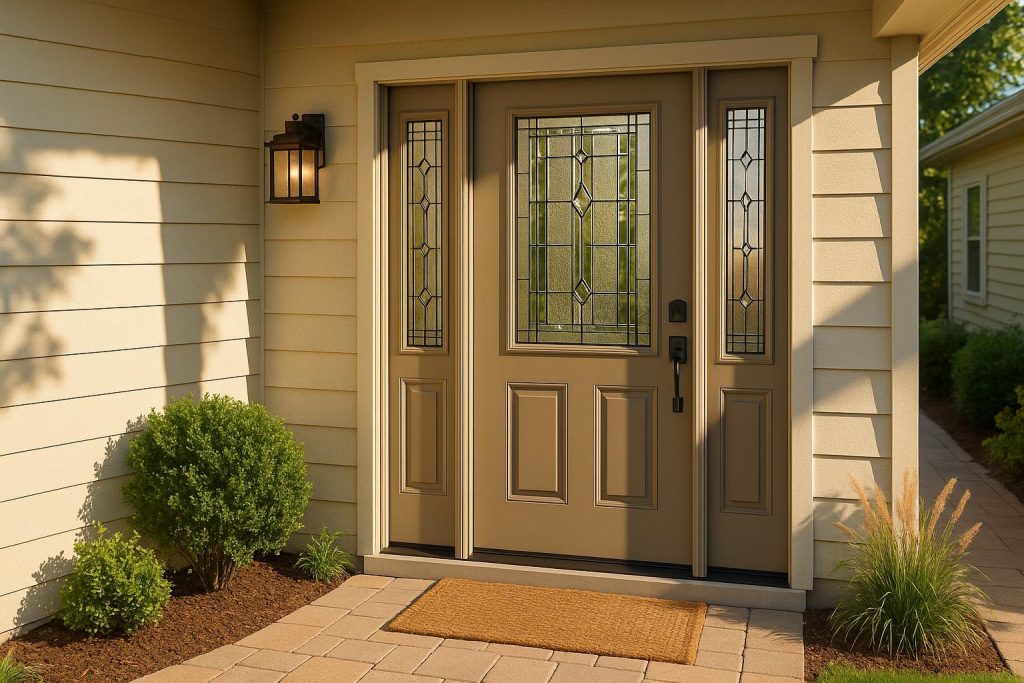
Transforming Your Entrance: Effective Ways to Insulate Decorative Glass Panels
Decorative glass panels on your front door can be a remarkable design choice, adding aesthetic flair and bringing in natural light. However, achieving proper insulation without obscuring that charming glasswork is a priority for most homeowners. Whether you are concerned about drafty chills in winter, rising energy bills, or maintaining a comfortable indoor climate year-round, giving attention to your front door insulation can make a big difference. In this guide, we will explore various methods—such as insulating films, weatherstripping, storm doors, interior panels, and much more—to keep your decorative glass both elegant and functional. By implementing these strategies, you can enhance energy efficiency, improve home comfort, and preserve the visual appeal that makes your front entrance unique.
Why Decorative Glass Panels Need Extra Insulation
Decorative glass panels are often thinner than standard door slabs or insulated glass units, which means they can transfer heat more quickly. In cold climates, or during the winter, the glass may lose heat to the outside, making the interior of your home chillier. Meanwhile, during warmer months, direct sunlight can heat up the glass, transferring that warmth indoors and forcing your cooling system to work harder. Maintaining a balance between aesthetics and performance is essential, as the goal is to keep your door visually appealing while effectively reducing unnecessary heat transfer.
1. Assess Current Insulation Levels
The first step toward improved insulation for your decorative glass door is to assess its current state. Conducting a quick inspection can help you determine if there are any significant drafts or gaps around the glass itself or around the door frame. Close your door and carefully run your hand around the perimeter, including near the glass edges. If you feel a light breeze, it is a sign you could benefit from enhanced sealants and insulation practices. For a deeper understanding, consider an energy audit, which can identify problem spots throughout your home. If you are not sure whether your energy loss is significant, you might find the discussion in Can energy audits reveal if my front door needs more insulation? helpful.
2. Apply Low-E Film for Year-Round Comfort
One of the simplest ways to add insulation to decorative glass is through the use of low-emissivity (Low-E) window films. These are ultra-thin layers designed to reduce thermal transfer without impeding your view or interfering with the beauty of the glass. Their primary function is to reflect heat back to its source, keeping hot air out during summer and warm air in during winter.
How to Apply a Low-E Film:
- Clean the Glass: Before applying the film, ensure the glass surface is clean and free of any debris or oils.
- Measure and Cut: Cut the film slightly larger than the pane so you can trim for a perfect fit once it’s adhered.
- Spray and Squeegee: Use a water-based solution on the glass and the film, which will help it stick flat without bubbles.
- Trim and Smooth: Carefully trim the edges with a razor and remove any trapped air using a squeegee.
By blocking UV rays, Low-E films also protect your interior furniture, flooring, and decor from fading. It’s a budget-friendly—and generally reversible—solution that lets you keep that lovely view through your decorative glass panels.
3. Reconsider the Benefits of Specialized Glass
While applying a film is a popular choice, some homeowners decide to upgrade to specialized insulated glass panels. Modern door manufacturers often offer energy-efficient glazing options that incorporate multiple layers of glass, inert gas fills (like argon), or internal coatings to limit thermal transfer. There is also the matter of built-in insulation. If you are curious why some front doors come with their own insulating cores, learn more in Why do some front doors have built-in insulating cores?. Should you decide to replace existing glass instead of applying a film, you will need to weigh cost, installation time, and the impact on the original aesthetic. However, if preserving every detail of your existing decorative glass is a must, a film may be more than enough for many homeowners.
4. Ensure Proper Weatherstripping for Airtight Seals
Even the best-insulated decorative glass panels can fail to retain heat if there are gaps around the door frame. This is where quality weatherstripping plays a central role. Weatherstripping creates a tight seal that prevents drafts and maintains a more consistent indoor temperature. While weatherstripping is common around door perimeters, it can also be influential near the decorative glass edges.
Best Practices for Weatherstripping:
- Choose Suitable Materials: Options include adhesive foam tape, V-strip, felt, and rubber gaskets. Foam tape is often a quick fix, whereas rubber or vinyl gaskets provide a more durable seal.
- Clean and Prep: Make sure all surfaces are clean and dry before applying the material.
- Take Accurate Measurements: Measure each side of the door frame to minimize waste. Overlapping ends can help create a continuous barrier.
- Test Your Door: Open and close the door a few times to confirm the new seal is not hindering normal operation. Minor adjustments may be necessary.
If you are curious about whether weatherstripping alone can solve your draft problems, you can read more in Does weatherstripping really help reduce drafts around a front door?. Over time, weatherstripping materials may wear out, especially in high-traffic doors, so periodic checks can keep your home comfortable.
5. Sealing Gaps with Caulk and Foam
Air leaks may also develop between the door’s glass assembly and the main door slab, or where the door meets the framing. Caulk or foam sealants are excellent for filling these pesky gaps. High-quality silicone or latex-based caulk can be applied around the glass edges if you notice small cracks or openings. Meanwhile, if you find more significant gaps between the door frame and wall, you can learn about the best foam sealants in Which foam sealants work best for the space between the door frame and wall?. Choosing the right product and applying it correctly go a long way toward bolstering your door’s thermal efficiency without compromising the look of your decorative glass panels.
6. Consider Storm Doors or Removable Interior Panels
For homeowners in colder climates or those who experience extreme seasonal weather, a storm door offers a practical solution. Installed on the exterior side of your main door, storm doors include an additional layer of glazing—potentially Low-E as well—to protect the primary door and reduce heat transfer. The gap between the storm door and the main door creates an insulating buffer of air, which can significantly cut down on drafts.
If local homeowner association guidelines or personal preference make a storm door less appealing, removable interior panels can be placed on the inside of your main door instead. These panels are typically fashioned to fit snugly over the decorative glass, acting much like a miniature storm window. If you want to know more about how storm doors specifically help reinforce insulation, check out How do storm doors help with front door insulation?.
7. Install Interior Curtains, Blinds, or Shades
Another approach—especially if privacy is already a consideration—is adding interior window treatments. Thick, thermal curtains or cellular shades can block drafts and serve as an additional layer of insulation. During cold nights, simply close them to preserve warmth, and open them during the day to utilize natural light. This approach can be flexible, as you only use the coverage when you need it, preserving your decorative glass view whenever you like.
The trade-off here is that even partially opaque curtains may hide the visual intricacies of your decorative glass. If you prefer to admire the design throughout the day, consider motorized or top-down/bottom-up shades that allow you to manage light while preserving partial visibility of the glass. No matter which style you decide on, you will probably appreciate the boost in overall home comfort.
8. Maintain and Upgrade Over Time
Home improvement is seldom a one-time task. Any insulation method—be it films, weatherstripping, or curtains—will require maintenance. For instance, weatherstripping can deteriorate, Low-E films might begin to peel, and caulking can crack. Inspect these elements regularly, especially before the coldest months set in. If you are unsure how best to maintain your improvements, How do I maintain the insulating features of my front door over time? can guide you.
Over time, you might consider retrofitting or even replacing parts of the door to further upgrade energy performance. In some cases, the question arises whether you should retrofit an existing door or opt for a completely new one, as covered in Should I replace or retrofit my front door for improved insulation?. Factors like age, structural integrity, and design relevance may all be relevant here.
9. Sealing the Threshold and Surrounding Areas
Another critical spot to examine is the threshold—the area where the door meets the floor. Air leaks at the bottom of the door can be substantial and are often overlooked. Installing or replacing an existing door sweep or threshold seal helps minimize these floor-level drafts. If you are new to the idea, see Will adding a door sweep reduce drafts at the bottom of my front door? to learn about the advantages.
Keep in mind that the door jamb and frame can potentially allow outside air in as well, especially if they are aging or damaged. So, it is essential to insulate not just the door slab but the entire framing area. For more on that topic, refer to Should I insulate the door jamb as well as the door slab?. Attending to these smaller details can make a big difference in overall comfort.
10. Balancing Aesthetics and Energy Savings
Decorative glass panels are more than a functional element; they are an artistic statement that can elevate your front doorway. The unique textures, colors, and patterns may be a big part of what drew you to the door in the first place. The question then becomes how to ensure a strong thermal barrier without sacrificing that beautiful view. When possible, opt for minimally intrusive solutions like clear Low-E films or hidden insulating frames. The right strategic upgrades will let that decorative glass shine in all its glory while still keeping out the cold.
Real-World Tips for Long-Lasting Insulation
- Periodic Checks: Simple tests, like feeling for hot or cold spots and looking for gaps, can prevent minor issues from becoming big problems.
- Address Wear Promptly: Weatherstripping that starts to peel or a film that bubbles won’t do its job. Quick care can save you money on energy bills.
- Mind the Edges: Even if the glass has a great coating or film, the edges of your door and frame can be weak spots. Sealing and insulating those areas is key.
- Upgrade Hardware: A high-quality, energy-efficient door latch can help keep your door sealed tighter.
- Schedule Maintenance: Mark your calendar to check your exterior doors every six months. This timeline allows you to catch any drafts before seasonal extremes exacerbate the problem.
When It’s Time to Take Further Action
If efforts like adding films, installing storm doors, or applying weatherstripping are still not enough, you may need to invest in a more thorough overhaul. Sometimes older homes have unique structures that require additional insulation behind the door or even within the framing. If you are facing inconsistencies in comfort or rising energy bills, you might wonder, How can I tell if my front door needs better insulation?. In that case, an expert assessment or energy audit could provide clarity. They can also reveal if partial solutions are enough or if a bigger project—like a front door replacement or a structural frame renovation—is necessary. Understand that a carefully chosen insulated front door can also reduce noise, which is captured in Are insulated front doors also better at noise reduction?.
Moving Forward with Confidence
Your front entrance provides the first impression of your home while keeping it safe and comfortable. By paying special attention to decorative glass panels, you can create both a welcoming aesthetic and a practical barrier against temperamental weather. If you are contemplating additional home improvements, from reimagining the entire exterior to focusing on energy-efficient upgrades, consider browsing our Home page for further insights. A well-insulated front door not only contributes to a cozier, more enjoyable living experience but can also offer lasting value to your home.
In the end, each homeowner’s approach to insulating decorative glass varies. Some rely on quick but powerful fixes like applying Low-E films and using quality weatherstripping. Others pursue more expansive remodels or replacements. The critical point is choosing solutions that fit your home’s style, climate, and budget. Regardless of the path you take, the overall objective remains the same: letting that dazzling decorative glass do its job—brightening your entrance—while minimizing heat transfer and saving you on energy costs. By following these comprehensive steps and tips, you can enjoy a front door that effectively combines style, comfort, and efficiency for years to come.