
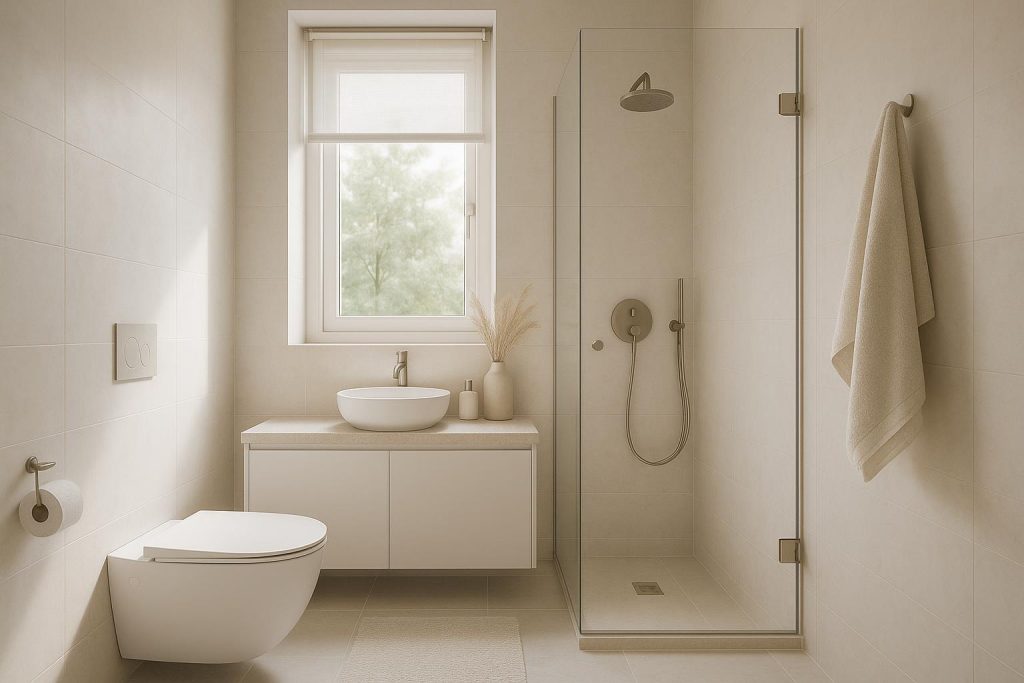
Smart Strategies for Better Ventilation in a Compact Bathroom
Maintaining fresh, clean air in a small bathroom can be a challenge for any homeowner. Moisture from steamy showers and general humidity tends to collect quickly in a confined space, creating an ideal environment for mold and mildew. Not only will poor ventilation cloud your mirrors and leave water droplets on surfaces, but it can also weaken certain materials over time and contribute to unpleasant odors. Fortunately, there are many practical ways to tackle these issues head-on and transform a cramped bathroom into a more comfortable, healthier space. Below, we’ll explore a range of strategies—from choosing the right exhaust fan to incorporating natural ventilation—to help you breathe easier. Whether you’re planning a minor refresh or a full-fledged renovation, proper ventilation is a foundational step in ensuring a safe, mold-free, and welcoming bathroom environment.
1. Why Ventilation Matters in Small Bathrooms
Before diving into the specific techniques to improve airflow, it’s important to understand exactly why ventilation is so critical. In a small bathroom, steam and humidity build up very quickly. When this moisture lingers, it can seep into your walls, ceilings, and fixtures. Over time, this can lead to peeling paint, warped materials, and the growth of harmful microorganisms like mold. By removing humid air and replacing it with fresher, drier air, you reduce the risk of structural damage and help maintain a hygienic space. Additionally, proper airflow reduces persistent odors, making for a bathroom that feels more pleasant and inviting. Ultimately, prioritizing ventilation is as much about preserving the health and safety of your home as it is about comfort.
2. The Role of Mechanical Ventilation
When people think of bathroom ventilation, mechanical systems—particularly exhaust fans—typically come to mind first. Exhaust fans literally “vacuum” out hot and moist air, funneling it outside through a duct, and pulling in fresh air from elsewhere in your home. In a small bathroom, an exhaust fan can be a game-changer, preventing steam from collecting on mirrors, walls, and ceilings. But simply having a fan installed isn’t always enough—if the fan is too weak or improperly placed, you might still experience humidity issues.
2.1 Choosing the Right Exhaust Fan Capacity
A fan’s capacity is measured in cubic feet per minute (CFM). The higher the rating, the more air the fan can move within one minute. For small bathrooms, you might assume a modest CFM rating will suffice. However, it’s essential to select a fan that can fully handle your bathroom’s size and typical usage. A good rule of thumb is to aim for at least one CFM per square foot of bathroom space. If your bathroom is 50 square feet, that suggests a fan with at least a 50 CFM rating. If the space is on the threshold of “small,” say around 100 square feet, aim for at least 100 CFM. Many modern fans also come equipped with humidity sensors that automatically turn the fan on when moisture spikes—an excellent feature if you don’t want to constantly toggle the switch.
2.2 Fan Placement and Installation Tips
Having the right fan is crucial, but where and how you install it matters just as much. Positioning the fan near the shower or bathtub tends to be highly effective because you capture steam at the source. Additionally, experts recommend venting the exhaust fan directly outdoors rather than into an attic or crawl space. This prevents moisture from simply shifting to another area where mildew might form. If you are upgrading an older system, make sure your ductwork is cleaned and in good condition. Obstructions in duct lines can compromise the fan’s efficiency, leaving your bathroom with lingering humidity. When in doubt, consider consulting a professional to determine the best way to route ductwork so your fan can perform at its peak.
2.3 Maintenance and Upgrades
Even a high-quality fan can fall short if it isn’t maintained. Over time, dust and debris collect in fan grilles and ducts, hampering airflow. Make it a habit to clean the grille and check the duct hose for any blockages at least twice a year. If you find the fan is still not clearing the bathroom efficiently, you might consider upgrading to a higher-capacity model. Newer fans often operate more quietly, which is a bonus in tight spaces. By ensuring your mechanical ventilation is well maintained, you’ll extend the life of both your bathroom’s finishes and the fan itself.
3. Embracing Natural Ventilation
Though mechanical ventilation is incredibly effective, it’s not the only method for moving air in and out of a space. Sometimes, the simplest solutions have the biggest impact—especially in smaller areas. Opening a window can instantly let fresh air in and allow hot steam to escape. Even if your bathroom has a very small window, cracking it open during and after a shower can dramatically reduce the room’s humidity levels. If your bathroom doesn’t currently have a window, you might explore adding a small operable window or even a skylight. While this involves a more substantial renovation, the benefits can be quite substantial: letting in more daylight, creating a breezy feel, and cutting down on persistent moisture.
3.1 Optimizing Window Use
Not everyone loves the idea of using a window to ventilate a bathroom, particularly in colder climates. However, if done properly, it can be remarkably efficient. Simply open the window a crack during a steamy shower to create an immediate escape route for moisture—then keep it open for 15–20 minutes afterward to allow the space to fully dry out. Some homeowners opt for privacy glass or frosted film, ensuring modesty is maintained without compromising on sunlight or the ability to open the window. If energy conservation is a concern, you can look into windows with efficient seals or double-glazed glass to minimize heat loss while keeping ventilation possibilities intact.
3.2 Strategic Door and Layout Choices
Beyond windows, other simpler approaches can help. Leaving the bathroom door open after your shower is a quick, simple trick that circulates air from the rest of the house into the bathroom. This step rapidly reduces humidity levels. If you’re remodeling, you might also consider a louvered door, which has slats that allow air to flow freely even when the door is closed. In small bathrooms especially, every design choice that encourages air exchange will assist in a healthier, more comfortable environment.
4. Material Selections and Bathroom Layout
When it comes to making a small bathroom feel larger and more breathable, the materials you choose can make a difference. Water-resistant paint, mold-resistant drywall, and properly sealed grout all help minimize moisture absorption. Choose surfaces that are smooth and easy to wipe down, reducing the likelihood that mold spores find a place to dwell. Creative layout decisions—like placing the shower closer to the fan or around areas with easy access to fresh air—can also help. For those planning a more holistic renovation, you might want to explore different bathroom design enhancements. Take a look at What are popular design enhancements for a modern bathroom remodel? for more ideas on how to integrate style and functionality while still prioritizing good ventilation practices.
5. Home Renovation Considerations and Building Codes
If you’re thinking bigger—perhaps expanding your bathroom footprint or adding new features—proper ventilation becomes even more critical. Professional contractors will often help you balance aesthetics, code compliance, and functionality. In fact, many municipalities’ building codes require a functional exhaust system in bathrooms lacking an operable window. Ensuring that any new or existing fan meets local standards, or that a newly added window meets certain dimensions, is an integral part of planning a safe renovation.
If you’re curious about how to seamlessly integrate code requirements into your project, you might find it helpful to read How can I ensure my entire renovation meets local building codes?. There, you can learn more about the importance of permits, inspections, and professional guidance—all of which factor into a successful bathroom renovation that meets legal standards while satisfying your needs for proper air circulation.
5.1 Consulting a Professional
While some homeowners are comfortable tackling small do-it-yourself projects, consultation with a specialized renovation contractor is invaluable for more complex changes. A qualified professional can help you analyze your bathroom layout, recommend the appropriate CFM rating for your fan, and determine the safest and most effective duct routing strategy. Professionals are also up to date with the latest product innovations, ensuring that you benefit from cutting-edge technology like ultra-quiet fans or advanced humidity sensors. Additionally, a skilled contractor will spot potential issues—such as hidden mold in walls or insufficient insulation—before they become bigger and costlier problems. By taking a design-centered approach, you can ensure that all these factors come together for a cohesive, functional space.
6. Additional Practical Tips for Combatting Moisture
Sometimes, it’s the little shifts in daily habits that have a considerable impact on moisture control. For example, wiping down the shower walls and doors after use helps draw away excess water that might otherwise evaporate into the air. Installing a shower squeegee on a nearby hook makes this convenient. For those who enjoy longer showers or who share a single bathroom among several family members, staggering shower times allows the space to dry out between uses. You might also keep a small dehumidifier in the bathroom if you frequently notice stubborn humidity. Make sure to empty it regularly so it remains effective. Although these tips may seem minor, combined together, they can extend the life of your bathroom’s finishes and keep mold at bay.
6.1 Keeping the Bathroom Clutter-Free
In a tight bathroom, too many accessories or bulky storage solutions can restrict airflow, causing pockets of damp air to stick around. Aim for a minimalist approach to décor—store items in cabinets or on recessed shelving rather than leaving them out in the open. Items that get damp, such as towels or robes, should be hung in a way that allows them to dry fully. You’ll not only enjoy a more airy, open atmosphere, but you’ll also reduce the amount of lingering moisture that can trigger mold growth on fabrics or surfaces.
7. Beyond Ventilation: Enhancing Overall Energy Efficiency
Improved ventilation isn’t just about removing moisture; it can also align with broader energy-saving goals. By choosing the right style of exhaust fan—such as one with an Energy Star rating—you can lower your electricity consumption while ensuring efficient airflow. If you’re thinking of upgrading doors or windows in other parts of your home, you might find additional tips in How can I reduce drafts with better door and window insulation?. While that topic deals with controlling airflow in entrance ways, it also touches on how ventilation and insulation can work together to optimize indoor temperatures year-round.
7.1 Connecting Bathroom Ventilation to Other Renovation Projects
During a broader home renovation, you might address multiple moisture-related concerns at once. For instance, if you have a basement that’s prone to dampness, exploring methods like improved insulation, vapor barriers, or more robust drainage systems can collectively improve your home’s overall air quality. In How do you handle moisture control during basement renovation?, you’ll find additional insights that may inspire a cohesive approach. Addressing these interconnected challenges ensures that as you enhance one area, you aren’t inadvertently causing issues in another.
8. Balancing Form and Function
One common concern among homeowners renovating a small bathroom is how to prioritize both aesthetics and practicality. A well-ventilated space doesn’t have to look utilitarian. By choosing a sleek exhaust fan that complements your lighting fixtures or employing creative window treatments, you can weave ventilation elements into the design seamlessly. Moisture-resistant paint can come in a variety of colors and finishes, giving you freedom to experiment. Floors can be lined with slip-resistant tiles that withstand humidity. And, of course, any vanity or cabinetry should be built from water-resistant materials, protecting against long-term damage. A cohesive, design-centered approach merges style with performance—so while you enjoy a refreshed look, you’re also constructing a space that breathes and endures.
9. Final Thoughts on Planning Your Small Bathroom Upgrade
A small bathroom poses a unique set of ventilation challenges, yet it also presents plenty of opportunities for smart design solutions. Investing in a properly rated exhaust fan, ensuring upkeep of vents and ductwork, and maximizing natural ventilation are among the most straightforward methods to keep your bathroom fresh and dry. Combine these efforts with strategic material selections, clutter-free organization, and a thoughtful layout, and you’ll create an environment that not only looks inviting but also supports healthier living. A good ventilation setup is often the unsung hero of any renovation project, silently working in the background to safeguard your home from moisture-related damage.
Whether you’re exploring minor updates or aiming for a complete transformation, it helps to collaborate with professionals who understand ventilation’s pivotal role. This attention to detail, especially in high-moisture areas like bathrooms, is key to enjoying a space that endures over time. For more guidance on how to enhance function and style in your home, pay a visit to our Home page. Through a combination of intelligent mechanical elements, creative design touches, and daily best practices, you can bring lasting comfort and peace of mind to even the smallest of bathrooms.