
Evaluating and Strengthening Your Foundation for a Second Story Addition
Adding a second story to your home can be an exciting way to expand your living space and boost the overall value of your property. However, before you commit to building upward, it is essential to ensure that your current foundation can bear the increased load without compromising structural integrity. In many cases, homeowners discover that their homes were never designed to support a second level, or that older foundations have deteriorated over time. By taking the necessary steps to evaluate, repair, and reinforce your foundation, you can enjoy a safe, durable, and well-planned second-story addition.
1. Begin with a Thorough Inspection
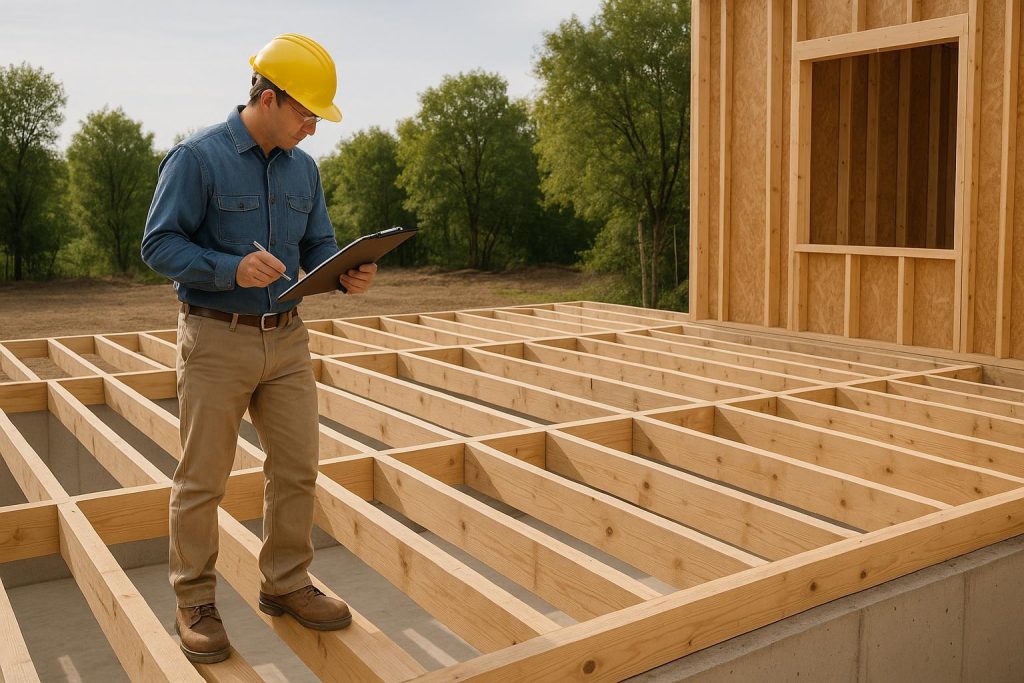
The first step in determining your foundation’s load-bearing capacity is to arrange for a professional inspection. While some homeowners attempt to evaluate their foundation on their own by looking for visible cracks or shifts in the structure, only a qualified specialist can truly assess whether your base can support a new floor. A structural engineer or experienced renovation contractor will look at key factors like:
- Foundation Type: Concrete strip footings, slab-on-grade, and basement foundations have distinct bearing capabilities. Understanding which one your home has will help you know the steps needed for reinforcement.
- Soil Composition and Stability: Certain soils—such as clay—tend to expand and contract, which can cause shifting under heavier loads. An inspector can identify potential subsidence or settling issues.
- Footing Depth and Width: Foundations that do not meet local building codes for depth or thickness may require upgrades or extensions prior to building an additional story.
- Visible Cracks or Signs of Stress: Horizontal cracks, uneven floors, or gaps around doors and windows could be warning signs that your foundation needs extra support before you add more weight.
Conducting this level of analysis early helps prevent costly oversights. You don’t want to discover a serious crack or insufficient footing capacity midway through construction. Investing in a thorough foundation inspection ensures you have a complete picture of your home’s structural health. This diligence will allow you to plan the second story addition more accurately, minimize unforeseen expenses, and maintain peace of mind.
2. Consulting Structural Engineers and Local Building Regulations
Once professionals have completed the inspection, the next step is collaborating with a structural engineer who specializes in residential renovation. The engineer calculates your home’s load path—how weight travels from the new floor through walls, beams, and into the foundation. With a precise understanding of these mechanics, they can recommend reinforcements, such as larger footings, supplementary beams, steel columns, or additional bracing. These strategies help your existing structure handle the extra weight of a second level.
Keep in mind that local codes and regulations often outline minimum footing requirements for two-story homes. If your home was originally constructed as a single-story design, it may have smaller or shallower footings than what is now mandated. Modern building codes also take into account new standards of seismic or wind load resistance (depending on your region). Projects that do not comply with these regulations risk safety issues and can create complications with future appraisals or home sales. To learn how local guidelines might impact your renovation, you can also explore the topic further by reading Are there specific design restrictions for second-story remodels in older neighborhoods?
In addition, you will usually need to apply for building permits. If you are unsure of what documentation is required or whether special permission is needed, consider reading Do I need special permits to add a second story to my home? for a more in-depth look at permitting requirements.
3. Determining Whether Upgrades Are Necessary
After the structural engineer completes their review, you will receive conclusions about the viability of your existing foundation. Some homeowners discover they already meet the necessary standards, especially if the original design factored in a future expansion. However, if your foundation is found lacking, you may need one or more of the following upgrades:
- Footing Expansion or Replacement: In some cases, contractors may dig around the footings to widen or deepen them, ensuring they can support additional levels. This process can be labor-intensive but is often crucial.
- Adding Concrete or Reinforcing Steel: Known as “retrofit” strategies, these methods might include pouring additional concrete under existing footings or integrating steel bars (rebar) to enhance tensile strength.
- Installing New Support Columns or Pilasters: Placing reinforced columns under critical load points helps distribute weight more evenly. Alternatively, constructing new pilasters against the interior side of foundation walls can increase resistance.
- Ensuring Proper Drainage: Foundations bearing heavier loads are more susceptible to water-induced damage. Installing or upgrading perimeter drains, sump pumps, and proper grading can protect your investment.
These upgrades help prevent foundation cracking, settling, or failure after you add the new story. Proper reinforcement will also make the overall structure more stable in the event of shifting soil or severe weather.
4. Reviewing Existing Architectural Plans and Potential Changes
Whether you have original blueprints or a more recent set of architectural designs, reviewing them carefully is an important part of your project. You may see references to load-bearing walls, roof trusses, or structural members that were engineered specifically for a future expansion—or you might discover that your home’s original plan never accounted for even a modest second level. In conjunction with an engineer’s assessment, these documents provide insight into:
- Load Transfer Points: Where the weight from your second story remodel will be concentrated and how the foundation absorbs this added stress.
- Placement of Existing Utilities: Plumbing, HVAC ducts, and electrical lines may need rearranging, depending on your new layout. For additional planning tips, you can learn more by checking What should I consider before adding a second story to my current home?
- Location of Interior Supports: Walls that appear non-load-bearing might be crucial for bracing. Confirming these details ensures you don’t remove or weaken vital support systems when expanding upward.
If your house does not already have adequate structural provisions, your engineer and renovation team can develop a plan to add them. This might include creating new support beams or adding additional interior posts for better weight distribution.
5. Potential Challenges and Common Concerns
Building a second floor naturally comes with its own set of challenges that go beyond verifying foundation integrity. Homeowners often wonder how construction will affect daily living arrangements or if it is possible to remain in the home during the remodel. If you are interested in learning more about living through a second-story addition, consider reading Can I continue living in my home while a second story is under construction?
Additionally, you may have questions about blending the new exterior with the rest of your home, or even installing extra facilities like a bathroom or laundry area upstairs. For a deeper look at design continuity, you can visit How can a second story addition seamlessly match the style of my home’s exterior? or for details on plumbing expansions, check out Is it possible to add a new bathroom or laundry area during a second-story remodel?.
Other concerns might include the timeline of construction, budget ranges, and the availability of skilled professionals who understand code requirements. Carefully researching and planning for these matters from the outset will lower the risk of unexpected setbacks.
6. Reinforcing the Foundation: Methods and Materials
Once you have confirmed that your foundation needs strengthening, you and your contractor or engineering team will decide which materials and techniques best serve your home. Contractors often rely on:
- Rebar and Concrete Techniques: Reinforced concrete footings are a common and cost-effective approach. Steel rods improve the tensile capacity of the cement, lessening the risk of cracks or shifts once the second story is built.
- Retrofit Brackets and Anchors: Brackets can be attached to existing foundation walls to enhance lateral stability, especially important in regions prone to strong winds or seismic activity.
- Steel Beams and Columns: Underpinning or installing steel columns may become necessary for load-bearing hotspots. These columns will transfer weight down to widened footings or suitable soil strata.
- Deep Foundations or Piles: In areas where soil conditions are poor, installing deeper foundation piles can help. These piles bypass weaker earth layers, anchoring the structure to more stable earth or bedrock.
Each of these methods comes with its own budgetary, aesthetic, and timeline considerations. Generally, combining multiple reinforcement techniques is most effective in ensuring long-term stability for a new upper level.
7. Importance of Proper Drainage and Soil Considerations
Heavier structures can sink or shift more easily if the surrounding soil is weak or chronically exposed to excessive moisture. Grading your landscape so that water drains away from the foundation is essential. You may need to extend downspouts, install new gutters, or add a perimeter drainage system. In fact, How can I prepare my existing foundation to support a second story? provides additional information about proactive steps you can take.
Depending on your region, freeze-thaw cycles, high groundwater levels, or poor compaction of backfill during original construction can all impact the soil’s load-bearing capability. By consulting with a geotechnical engineer, you can get a clear picture of how your property’s soil will handle the increase in load and whether you need soil remediation measures before the foundation upgrade begins.
8. Balancing Costs and Benefits
A second-story addition is an investment in your home’s future, offering more livable space and potentially increasing resale value. However, significant foundation modifications can become expensive. While there is no universal formula to predict costs, typical considerations include labor rates, materials, design complexity, soil conditions, and local permit fees.
At times, homeowners debate if it would be more cost-effective to relocate than to fund major foundation upgrades. This calculation often depends on the sentimental or practical ties to your current property. Nonetheless, many see the advantages of staying in a familiar neighborhood, keeping a comparable commute, and customizing the existing home as worthwhile. Before finalizing your decision, it’s prudent to gather quotes, weigh your budget, and consider whether a second story truly meets your family’s needs.
9. Long-Term Maintenance and Preventive Measures
Once your foundation is suitably reinforced and the second floor is constructed, ongoing maintenance is important. Here are a few simple strategies to help preserve your home’s stability:
- Monitor for Cracks: Even small hairline cracks can expand over time and compromise structural integrity. Catch these early and consult a professional if you see significant changes.
- Maintain Good Drainage: Keep gutters clear and ensure downspouts divert water away from the foundation. Consider re-grading your yard if water tends to pool near the property.
- Schedule Routine Inspections: Periodic evaluations by a qualified inspector will identify potential issues before they become costly repairs.
- Stay on Top of Local Building Code Updates: If your region implements new guidelines to address environmental shifts or seismic considerations, keep abreast of them so you can make any necessary adjustments down the road.
This proactive approach protects your initial investment in foundation upgrades and helps maintain the overall integrity of your new second story.
10. Coordinating with Skilled Professionals
Collaboration among a structural engineer, a trusted renovation expert, and your local building authority is key to a successful second-story project. Experienced professionals can address challenges promptly, follow up with recommended design revisions, help you navigate permit processes, and manage on-site logistics. When each specialist works together, you will have fewer delays, improved communication, and a second-level addition that blends seamlessly with the original structure.
Additionally, if your expansion plans include introducing more natural light upstairs, you may find it helpful to visit What are some ways to maximize natural light in a newly built second floor?. Every aspect—from framing windows to selecting skylights—commands attention while you strengthen your foundation to handle your expanded home.
11. Moving Forward with Confidence
Verifying that an existing foundation can handle a second floor addition is a significant step in any home expansion. Strengthening and enhancing your structural base sets the stage for a comfortable, safe living environment. By partnering with a professional engineer and renovation team, you can put the right pieces in place early, ensuring fewer headaches down the line. Conducting an in-depth inspection, upgrading the foundation where needed, and attending to drainage and soil concerns will bolster longevity.
Ultimately, when your foundation is solid and ready, you have the flexibility to design the second floor of your dreams. Whether you envision an expansive master suite, extra bedrooms for a growing family, a bright home office, or a spacious entertainment area, you can pursue these plans with confidence when you address structural integrity from the ground up. This thoughtful approach ensures the finished second-story remodel will blend seamlessly with your existing home, serving you and your loved ones for years to come.
If you want to stay in the neighborhood you cherish while upgrading your living space, a thoroughly reinforced foundation is the backbone of any second floor addition. Taking these steps now can give you the peace of mind—knowing your home is built to last. A proactive approach—one that considers all aspects of your home’s structure—fosters a smoother expansion journey and a final result you can be proud of.