
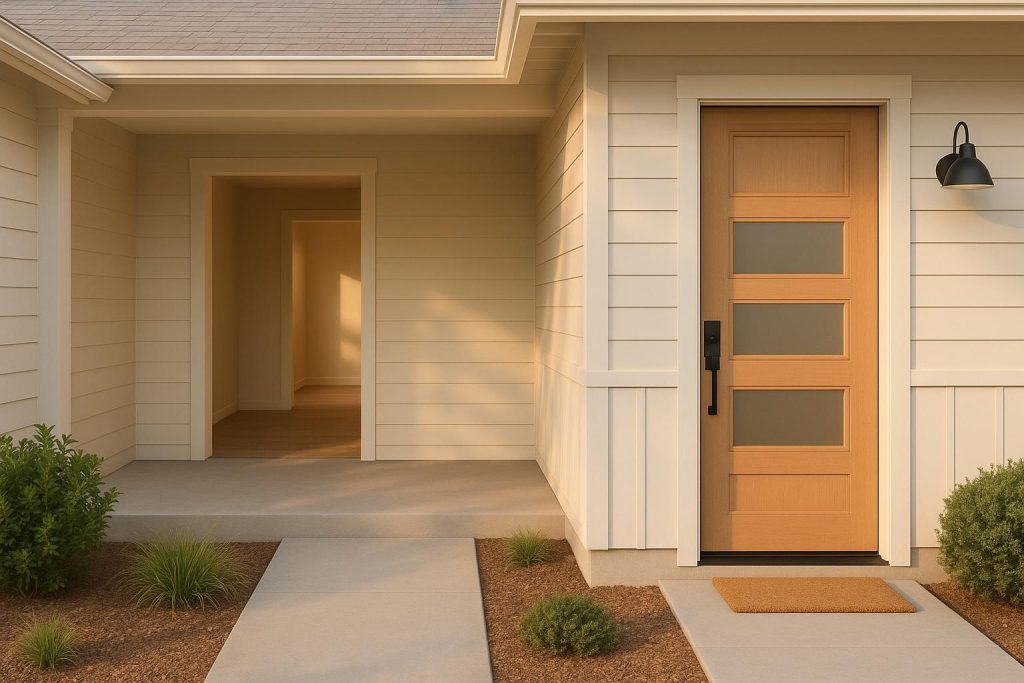
Elevate Your Curb Appeal by Selecting the Perfect Front Entry Door
Choosing a new front entry door is one of the most powerful ways to refresh the entire facade of your home. Not only does the right door style serve as a welcoming beacon to you and your guests, it can also significantly boost your property’s curb appeal, improve security, and even increase energy efficiency. Whether you are drawn to timeless architectural elements or enjoy sleek contemporary lines, the design you select should both reflect your personal taste and align with your home’s exterior design. From selecting the right materials and colors to weighing aesthetic considerations, security features, and daily usability, it’s essential to approach this decision carefully. Below, we’ll explore in depth how to choose the ideal front entry door style during a facade refresh, so you end up with an entrance that’s visually appealing, functional, and uniquely you.
Understand Your Home’s Architectural Context
Before focusing on specific styles, it is crucial to examine your home’s architectural context. Your entry door should harmonize with the other exterior elements—such as the roofline, siding material, and window framing—in order to maintain visual balance and showcase a thoughtful design. If your home has a traditional look with multiple colonial or craftsman details, a classic paneled door with elegant molding or glass inserts will typically fit right in. Conversely, a modern home with flat, streamlined surfaces might be best complemented by a door sporting smooth finishes, minimalist hardware, and perhaps vertically stacked glass sections.
A helpful first step is simply standing across the street or at the edge of your driveway and assessing how every element of your facade comes together. Notice if there are arches, brickwork, ornamental shutters, geometric shapes, or other design cues that might guide your choice. The style of your new door should support and not overwhelm these established features. This subtle harmony ensures that while your front door stands out, it still feels cohesive with the rest of your house.
Selecting the Right Material
The material you choose for your front entry door will have a big impact on appearance, durability, and cost. There are several common materials to consider, each bringing its own set of benefits and drawbacks:
- Wood: The warmth of real wood is undeniable; it can give your entryway a sense of charm and elegance. If your facade leans toward a traditional or rustic style, a richly stained wooden door may be ideal. However, wood requires a fair amount of maintenance to keep it looking its best and properly protected from harsh elements. If you choose wood, plan on periodic refinishing to avoid weather damage or warping.
- Fiberglass: Fiberglass doors can be made to mimic the texture and look of real wood while offering greater durability and often lower maintenance needs. They’re relatively lightweight, energy-efficient, and can hold up well to extreme temperature variations, making them ideal for many climates. Fiberglass doors come in an array of finishes, including woodgrain effects and smooth, modern textures.
- Steel: Steel doors are popular for their superior strength and security benefits. They generally require less upkeep than wood but might be more susceptible to dents or scratches. Many steel doors are manufactured with an insulated core that contributes to excellent energy efficiency. With finishing options ranging from bold paint colors to wood-like coatings, you can typically find a steel door to complement nearly any home style.
When deciding among these options, think about the level of care you want to invest in the coming years. If you relish the character of natural grain and don’t mind refinishing, wood could be a worthwhile choice. If you prefer a low-maintenance solution that still captures an authentic look, fiberglass might serve you well. Those who prioritize security above all typically lean toward steel for its superior strength, though modern fiberglass options with reinforced cores can also offer excellent security.
Focus on Security and Energy Efficiency
No matter how beautiful your new door may be, it must function as a reliable barrier protecting your home from both intruders and the elements. Doors with insulated cores offer improved energy efficiency, reducing heat loss in colder climates and keeping interiors more comfortable year-round. Pay attention to any energy-rating labels, and consider upgrading your weatherstripping if needed to seal out drafts.
For security, examine the integrity of the door frame and choose hardware that’s robust and tamper-resistant. Look for features like a reinforced strike plate, quality deadbolt locks, and strong hinges. If you opt for a design with large glass inserts, ensure they’re shatter-resistant or at least double-pane. This not only improves security but also has the added benefit of better insulation.
Embrace the Power of Color and Finish
Color can dramatically influence the tone of your home’s exterior. A front door in a contrasting or bold shade instantly draws the eye and adds a splash of personality. At the other end of the spectrum, a door that parallels or slightly complements the existing color palette can create a more seamless, harmonious effect. Consider these ideas as you narrow down your color choices:
- Bold Contrasts: If your siding is neutral (like gray, beige, or white), a pop of color—such as a vivid red, turquoise, or elegant navy—can give your entrance an eye-catching focal point. This approach is especially prevalent in traditional or transitional architecture, where the front door color can become a signature statement.
- Tonal Harmony: If you want to maintain a gentle, cohesive look, choose a door color that parallels your home’s dominant trim or accent colors. For instance, if your facade features muted blues and grays, a slightly deeper shade of blue or gray on the door can unify the design without stepping too far outside the existing palette.
- Natural Wood Finishes: In many exterior styles, showcasing the wood grain can offer a welcoming warmth. Whether stained in a lighter oak or richer mahogany hue, wood finishes often underscore the authentic character of a home’s design.
When selecting paint or stain, consider your local climate. High humidity, strong UV exposure, and temperature fluctuations can all affect the appearance and longevity of your door’s finish. Opt for high-quality exterior-grade paints, sealants, or stains that provide appropriate protection.
Incorporating Glass and Decorative Accents
Glass inserts, sidelights, and transoms can all elevate your entry door’s aesthetic while providing additional sources of natural light. These elements often appear in traditional or craftsman-style doors, but modern designs can make use of them as well—using sleek glass panels that introduce a bright, open feel. Several popular accents to consider include:
- Sidelights: Narrow vertical windows placed on one or both sides of the door. They can be clear for maximum light transfer or frosted/textured for added privacy.
- Transoms: Horizontal windows situated directly above the door, allowing more light to flow into your entryway. Transoms often blend beautifully with formal or upscale architectural styles.
- Decorative Glass: Stained or leaded glass inserts can add historical flair or artistic touches to your facade. Frosted or etched glass can also lend an air of elegance while maintaining your privacy.
In rolling out these decorative elements, ensure that your chosen design provides the right amount of privacy. You could opt for frosted glass or partially obscured patterns that still let natural light filter through while preventing passersby from seeing directly into your home.
Hardware, Handles, and Accessories
Often overlooked, the smaller features of your front door have an outsized impact on its final look. This includes door hardware—handles, knobs, or pulls—plus the knocker (if present), doorbell, and hinges. Matching or tastefully contrasting these elements with other exterior fixtures, like outdoor lighting or house numbers, can unify the overall design. Popular hardware finishes include brushed nickel, bronze, black matte, brass, and stainless steel. A timeless matte black or oil-rubbed bronze can work well with nearly any style, while brushed nickel often pairs with modern or transitional homes.
When selecting hardware, remember practicality. Lever handles can be easier to grip (particularly helpful if you have your hands full or there are older adults in the household). Rounded knobs, though classic, might be trickier to open if you’re juggling groceries or have mobility limitations. With an increasing shift toward smart home technology, you may also consider keyless entry systems or video doorbells to boost security and convenience.
Balance Appearance and Function
A front entry door contributes to more than just the outward appearance; it has to function seamlessly in your everyday life. Does your doorway receive direct sun for many hours a day? Do you live in a region with extreme temperature changes? High-quality, weather-resistant materials will be crucial to ensuring a long-lasting upgrade. If your area experiences heavy seasonal rains or snow, a door with added overhang or partial coverage might help protect it from premature wear.
Additionally, consider how often you use your front door. If it’s the primary entrance for your household, durability and ease of operation may take higher priority than pure aesthetics. If you have children, simpler hardware might be preferable to elaborate designs that could snag clothing or prove confusing to operate. Ultimately, the best front door style will balance your architectural vision with daily practicality.
Maintenance Considerations Over Time
No entry door remains pristine indefinitely without some form of maintenance. Wood doors may need sanding and re-staining every few years, especially in harsh climates. Fiberglass and steel generally require less attention, though you’ll still want to periodically check weatherstripping, hinges, and locks. Wiping the door clean with warm water and mild soap can help maintain its appearance, while ensuring that the surrounding trim remains in good condition helps avoid moisture damage. Consider scheduling routine inspections to stay ahead of minor repairs—fixing small nicks or chips early can prevent more significant issues down the line.
Budgeting for Value
Front doors run the gamut in pricing. Solid wood, custom designs, or premium hardware can be more expensive, while simpler fiberglass or steel doors may be more affordable. Keep a realistic budget in mind, but also weigh the door’s potential return on investment (ROI). A well-chosen door that enhances security, curb appeal, and energy efficiency can add measurable value to your home. This is particularly true if you’re planning to sell in the near future—buyers often focus on the front entrance as a key indicator of a home’s overall upkeep and design taste. Still, even if you plan on staying in your home for many years, a quality front door will pay off in comfort, lower energy bills, and pride of ownership.
Personalization and Unique Touches
Sometimes, it’s the small additional details that can truly set your facade apart. You might use custom house numbers, add stylish lighting fixtures above or beside the door, or include planters that complement your chosen color palette. Seasonal wreaths or door decorations can also be a fun way to keep your entryway feeling fresh and welcoming all year. If privacy allows, an outdoor bench or seating area near the door can transform an ordinary entrance into a more engaging and inviting spot for family and visitors alike.
Likewise, if you want to create a cohesive look across your entire front facade, consider working in other exterior upgrades. This might involve updating your porch railings, painting shutters, adding window boxes, or refreshing the landscaping. By applying the same attention to style, color, and finishes throughout, you can curate a front entrance that feels truly unified and thoughtful.
Practical Tips for Finalizing Your Choice
- Visualize with Samples: If possible, review color swatches or material samples directly against your home’s existing exterior. Taking these samples outside can help you see how they look under natural light at different times of day.
- Try Online Tools: There are a number of virtual design tools that let you upload a photo of your home and experiment with various door styles, colors, and finishes. This can be an excellent way to preview your potential choices and feel greater confidence in selecting the right look.
- Consult a Professional: If you have any doubts about construction details, sizing, or local building codes, professional advice can be invaluable. Experienced renovation contractors can also guide you on the pros and cons of each material, focusing on your home’s specific conditions.
Making the Right Impression
Ultimately, the goal of any facade refresh is to enhance both the function and visual appeal of your home. Your front door stands at the center of that effort, acting as a focal point that invites people in and sets the tone for the rest of the space. By paying attention to architectural context, carefully selecting materials, and weighing the benefits of various finishes, colors, and decorative elements, you can achieve a balanced design that readily elevates your curb appeal.
Remember that this is your home—your personal expression of style and values. When you open and close that door, you should feel joy and a sense of pride in the space you’ve created. That is the lasting impact of making a thoughtful front door choice. From classic charm to contemporary flair, a well-designed entry door captures who you are, welcoming friends and family while aligning perfectly with the rest of your facade.
By carefully considering your individual preferences, budget, and property requirements, you’ll be well on your way to choosing the perfect front entry door. Whether you prefer a statement piece that dazzles the street or a subtle design that gently complements your facade, the right door can transform your home’s exterior into something truly remarkable.