
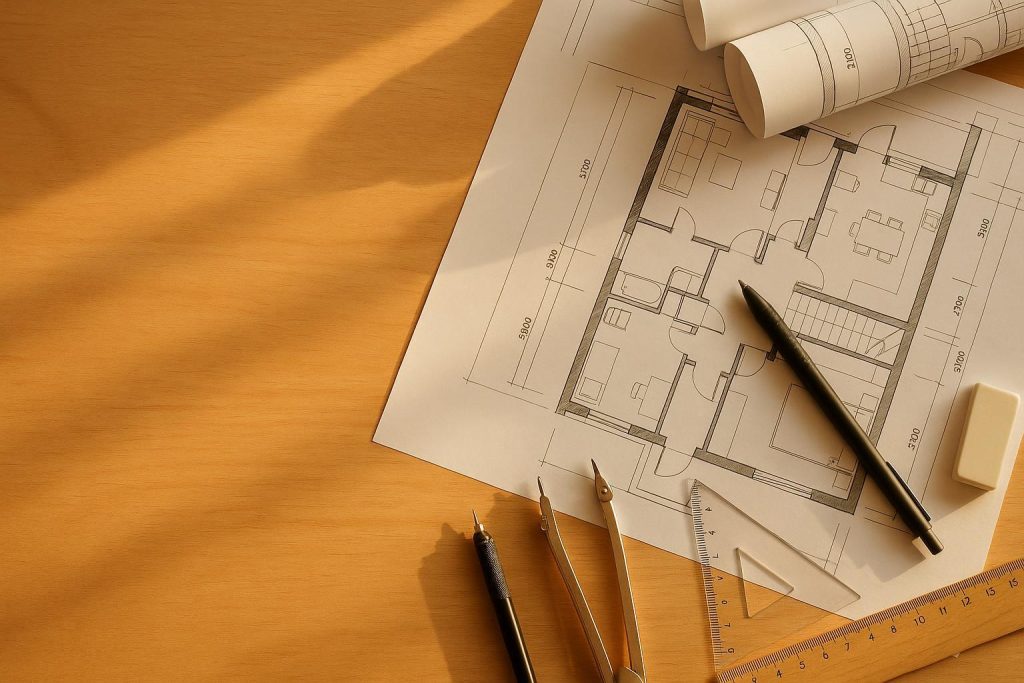
Understanding Why Professional Drawings Matter for Planning Permission
When you embark on a home renovation or an addition, you might soon wonder whether you need professional drawings for planning permission. Planning permission (often called a building permit or development permit) is a local authority’s approval to ensure that any construction work meets community guidelines, safety standards, and local zoning laws. Although not every project requires an official permit, many renovations or significant changes to your home will. Professional drawings play a major role in obtaining such permissions because they precisely communicate your vision and the technical details required by local building authorities.
In many areas, regulations ensure that any addition or significant renovation meets structural integrity requirements and follows design guidelines. If you’re considering a major project—perhaps a kitchen expansion, a new bathroom, or even a whole-home revamp—familiarizing yourself with planning permission is vital. Below, we’ll discuss why professional drawings are so important, how they factor into planning permission, and what steps you can take to ensure your project moves forward smoothly.
What Are Professional Drawings?
Professional drawings, sometimes referred to as architectural drawings or construction plans, are detailed illustrations that outline exactly how your renovation or new build will look and function. These can include floor plans, elevations, mechanical layouts, and structural details, among other technical documents. Architects, designers, or experienced renovation contractors typically craft these drawings using specialized design software or traditional drafting methods. The final result is often a comprehensive set of plans that cover:
- Floor Plan Layouts: Showing the arrangement of rooms, walls, doors, and windows.
- Exterior Elevations: Illustrating how the finished renovation will look from the outside—key for neighborhoods and municipalities that have specific design guidelines.
- Structural Plans: Indicating beam sizes, load-bearing walls, floor joists, and other critical elements that ensure the building’s stability.
- Mechanical and Electrical Plans: Highlighting HVAC systems, plumbing, fixtures, and electrical work—especially important when adding new rooms or changing layouts.
- 3D Renderings: Some designers and renovation contractors provide three-dimensional visualizations to help homeowners and regulatory bodies better understand the finished look.
In short, these drawings provide clarity, consistency, and a shared point of reference for everyone involved—homeowner, contractor, local authorities—to ensure the project is built accurately and safely.
Why Are Professional Drawings Important for Planning Permission?
Planning permission usually requires a detailed representation of what your final structure will look like and how it will comply with local codes and bylaws. If you submit an incomplete or inaccurate plan, the permit office may reject it or request revisions—causing frustrating delays and possible extra expenses. Professional drawings help:
- Demonstrate Compliance: Government officials want to see that renovations follow regulations, from setback distances to height restrictions.
- Resolve Design Conflicts: By showing all building elements on paper (or on a computer), potential disputes related to infrastructure or neighborhood guidelines can be tackled before any construction begins.
- Streamline the Permit Process: Detailed, well-structured drawings reduce back-and-forth revisions, saving time and money for both you and your contractor.
Additionally, thorough plans instill trust. When city officials see that a professional has prepared your documents, they’ll often view your renovation project more favorably than if it lacked precision or clarity.
Do All Projects Require Professional Drawings?
The need for professional drawings typically correlates with the scope of your project. Smaller renovations—like repainting or swapping out kitchen cabinet doors—usually don’t require a permit. However, more involved updates often do. In these cases, it’s crucial to consult with a qualified renovator or local officials to confirm whether you need to obtain planning permission.
Below are some general guidelines:
- Minor Cosmetic Changes: Projects that don’t affect structural elements or change the building’s footprint usually don’t need formal drawings or a permit.
- Non-Structural Modifications: Replacing flooring, installing countertops, or updating light fixtures might not call for professional drawings. However, check local requirements because adding a new lighting circuit or plumbing changes may trigger permit needs despite being non-structural.
- Major Renovations & Additions: If you’re adding square footage—like building an extension or converting a basement into a rental suite—you’ll likely need thorough architectural plans that detail exactly how new spaces integrate with existing structures.
- Structural Changes: Knocking down load-bearing walls or reconfiguring your home’s layout generally requires stamped drawings from a structural engineer or architect.
To be on the safe side, always assume that significant changes to your property will need professional drawings for a building permit application. This approach helps ensure that each detail is properly recorded, validated, and approved by the relevant authorities.
Benefits of Having Professional Drawings
Opting for professional drawings offers many advantages—beyond simply securing planning permission. Among these are:
- Clarity of Vision: Having a proper road map helps homeowners visualize the end result before any demolition or creation begins.
- Accurate Budgeting: Detailed plans can help you obtain more precise bids from contractors, reducing the likelihood of unexpected costs.
- Fewer Construction Delays: When everything is specified in advance—from materials to room dimensions—builders can work more efficiently and avoid confusion or mistakes.
- Increased Home Value: A well-planned, properly executed renovation is more attractive to future buyers. Professional drawings help maintain a record of quality workmanship and compliance.
- Safe Construction: Ensuring that structural details and engineering concerns are accounted for on your drawings means a safer building in the long run for you and your family.
If you’re renovating a unique or older home, professionally created documentation is especially helpful. This is because unexpected challenges—such as outdated wiring or hidden structural issues—come to light during the design phase, rather than halfway through construction.
Who Prepares Professional Drawings?
The individuals or teams you might work with to produce these drawings can vary depending on the location, scale of your project, and budget. Common professionals include:
- Architects: Trained to focus on both aesthetics and functionality, architects can create conceptual designs and detailed technical plans.
- Design-Build Contractors: Some renovation companies, such as those with in-house design teams, offer a seamless process—merging design, budget planning, and construction into one package. This provides consistency and helps reduce potential breakdowns in communication.
- Interior Designers & Draftspersons: For smaller modifications, a skilled interior designer or experienced draftsperson can create the necessary layout and detail drawings. Complex structural changes generally still require an engineer’s stamp, even if initial sketches come from a designer.
- Structural Engineers: If your project involves significant structural work, a licensed engineer often needs to stamp certain drawings or provide calculations to ensure that your home meets safety regulations.
Steps to Obtain Planning Permission with Professional Drawings
Every municipality has slightly different procedures, but you can expect a general series of steps:
- Consultation and Initial Design: Meet with an architect or design-build firm to discuss your plans, budget, and overall vision. The professional will create preliminary drawings or conceptual renderings.
- Refinement: Once you’re happy with the concept, the designer finalizes details, including materials, structural elements, and mechanical layouts.
- Submission: You (or your contractor) then submit the professional drawings to your local planning authority or city permit office, along with all necessary forms and fees.
- Review and Feedback: The city examines your plans to ensure they conform to building codes and any other regulations. They might request additional details or clarifications.
- Approval: Once your permit is granted, you can schedule construction. If the city denies the permit, you’ll need to revise the drawings accordingly and resubmit.
This process can take weeks or even months, depending on the complexity of the renovation and the efficiency of the local authority. Some homeowners choose to expedite this by hiring a professional who is familiar with local ordinances, ensuring that the plans meet the city’s guidelines the first time around.
What Happens If You Don’t Use Professional Drawings?
If you opt to move forward without detailed plans, you could face several issues. In some cases, the local authority may reject your permit application outright. Even if you’re lucky enough to pass through the permitting stage with minimal documentation, a lack of clarity during construction can lead to costly mistakes and structural concerns. Problems you might encounter include:
- Delays and Rework: Obscure or incomplete sketches cause contractors to guess at dimensions, leading to on-site modifications that may slow progress.
- Budget Overruns: Surprises tend to cost more money. Without thorough details, you’re more likely to run into sudden structural or layout complexities that require unplanned changes.
- Potential Safety Issues: Without professional oversight, you risk missing critical structural elements—like proper load-bearing support or compliance with local fire codes.
- Reduced Resale Value: If future inspections reveal unpermitted or subpar work, you may need to spend more money fixing the problem in order to sell your home.
Essentially, well-executed drawings act as a roadmap, helping you avoid pitfalls and handle complexities before you invest time and money in materials and labor.
Local Considerations in Edmonton and Surrounding Communities
In cities like Edmonton, local guidelines help maintain the integrity, appearance, and safety of residential neighborhoods. If you’re renovating or adding to your home in Edmonton or nearby communities, be aware that specific bylaws can differ from one district to another. The city may limit how high you can build, how close your structure can be to the property line, or how your home’s exterior should blend with neighborhood aesthetics.
A professional renovation contractor that understands regional requirements can help make this process smoother. For example, if you’re based in Edmonton, working with a local design-build firm ensures that you’re receiving up-to-date advice regarding permits, regulations, and design trends. This way, you reduce unexpected hiccups and streamline the journey from concept to completion.
Making the Most of In-House Design Teams
Some renovation companies, like Awlridge Renovations, offer in-house design teams and 3D renderings to help homeowners visualize everything before a single hammer is lifted. This integrated approach is particularly beneficial if you’re seeking convenience and a more cohesive renovation experience. In such cases, the same company that creates your professional drawings can manage the entire permitting process, schedule your construction, and even handle the finishing touches. Ultimately, merging the design and build under one umbrella reduces communication gaps and helps ensure that the final product aligns perfectly with the original plan.
Tips for a Smooth Permitting Process
- Research Early: Understand your local permit requirements before diving into any major renovation. Being informed can save you time and frustration.
- Hire Qualified Professionals: Teaming up with experienced architects or reputable renovation contractors ensures your drawings meet the exact standards required by local authorities.
- Communicate Clearly: Provide your designer with as much information as possible—your lifestyle needs, budget, and preferred aesthetics—so they can capture every aspect accurately.
- Review Thoroughly: Double-check drawings and documentation before submission. This reduces the likelihood of city officials requesting changes.
- Stay Organized: Keep all documents, drawings, and correspondence in one place. If you need to answer a city official’s question, you’ll have the info at your fingertips.
Conclusion: Investing in Quality Drawings Pays Off
Whether you’re planning a modest kitchen renovation or envisioning a complete home transformation, professional drawings serve as the foundation for a smoother planning permission process and a more satisfying final result. They clarify your ideas, reduce construction risks, and demonstrate to local authorities that your project adheres to established standards. Moreover, they foster peace of mind—both for you as the homeowner and for the professionals you partner with—because everyone shares the same detailed vision and reference point.
In many cases, working with an integrated design-build firm is the simplest and most efficient route. From a free in-home consultation that outlines your ideas to 3D renderings that bring them to life, a professional renovation company can take you through every step—ensuring you meet local requirements and end up with a home you’ll love.
If you’re unsure about planning permission or the scope of professional drawings required for your upcoming project, consider reaching out to a local contractor in your area. By doing so, you’ll gain clarity on the best design approach for your home and discover how to move forward with confidence. And if you’re in the Edmonton region, visiting Awlridge Renovations online home base can provide additional insights into local renovation projects, detailed design services, and planning permission advice—helping you make the right choices for your dream renovation.