
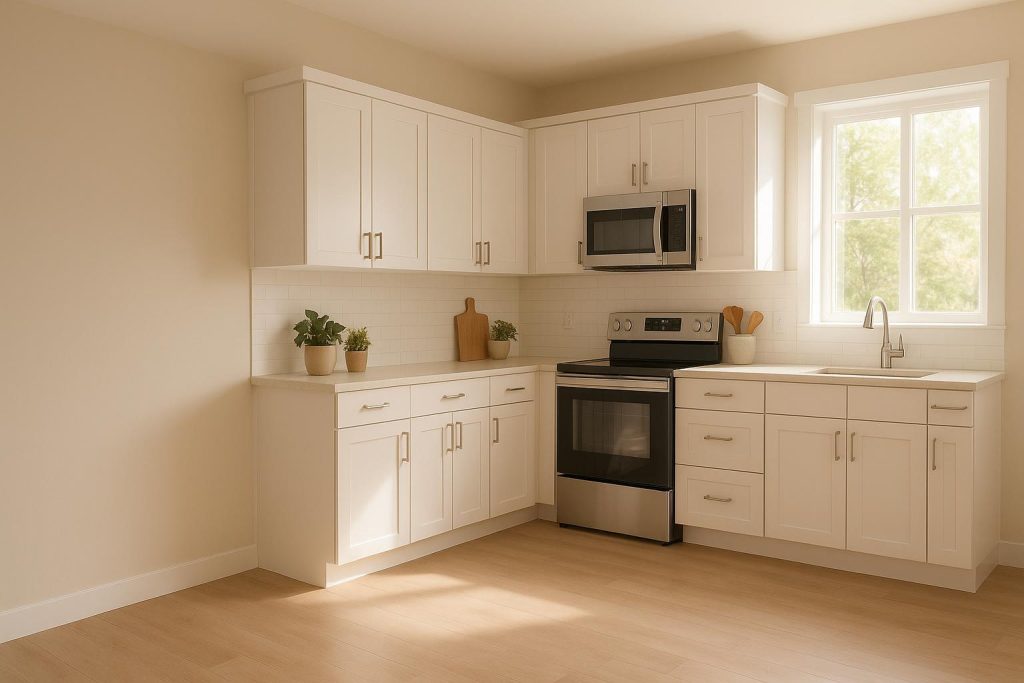
Key Considerations for Adding a Full Kitchen to Your Legal Suite
Including a full kitchen in a legal suite can be an excellent way to boost the overall functionality and value of your home. Whether you plan to create an independent living space for a family member or rent out the suite for additional income, having a well-designed kitchen can make a significant difference. However, there are important factors to consider before you begin construction—such as local bylaws, permits, space constraints, and design details—to ensure your suite meets all required standards. In this comprehensive guide, we will explore everything you need to know about installing a full kitchen in a legal suite.
Understanding Legal Suites vs. Non-Legal Suites
Before diving into the details of adding a kitchen, it is crucial to understand what qualifies a suite as “legal.” A legal suite (often called a secondary suite, basement suite, or accessory dwelling unit) must meet specific requirements set by local building codes and zoning bylaws. These rules typically revolve around:
- Separate entrance: A direct exterior entrance is often required to ensure privacy and safety for the occupant.
- Fire safety standards: Fire-rated walls, smoke detectors, carbon monoxide detectors, and sometimes sprinklers or fire-separation requirements must be in place.
- Electrical and plumbing systems: Adequate mechanical systems, such as separate heating and ventilation, are frequently mandated for occupant comfort and code compliance.
- Parking requirements: Depending on the municipality, extra parking space may be required to accommodate potential residents.
- Minimum floor area: Most locales have a minimum square-footage requirement for the suite to be considered habitable.
When these conditions are met, you can legally rent out the space or allow family members to live there independently. Since the rules and specifications can vary widely between municipalities, always check with your local building authorities—or consult with a renovation professional familiar with your area—before starting your project.
Permits and Approvals
One of the most critical components of building a legal suite with a full kitchen is obtaining the necessary permits. Typically, you will need:
- Building permit: This ensures that all structural, plumbing, and electrical work aligns with local building codes.
- Development permit (in some areas): Required to confirm that your renovation project complies with zoning bylaws and land-use regulations.
- Electrical and plumbing permits: These specialized permits confirm that your new kitchen appliances—like stoves, ovens, and dishwashers—are installed in a safe and code-compliant manner.
Skipping the permit process may result in fines, forced removal of the new kitchen components, or even future complications if you decide to sell or refinance your home. Working with a professional renovation company that has experience in legal suite conversions can help streamline the permit applications and ensure that the entire project is code-compliant.
Layout and Space Requirements
When it comes to including a full kitchen in your legal suite, layout is key. Adequate space planning is essential to ensure the area is both functional and comfortable. Here are a few things to keep in mind:
- Efficient use of space: A thoughtfully arranged kitchen can include everything from a full-sized refrigerator to a standard oven without feeling cramped. Smaller appliances and clever storage solutions can help maximize the usable space.
- Work triangle: Aim for an efficient “work triangle” that connects the refrigerator, stove, and sink with minimal walking distance. This design principle can significantly improve practicality.
- Ventilation: Proper venting is essential if you’ll be doing full-scale cooking. Range hoods and exhaust fans help manage smoke, moisture, and cooking odors.
- Electrical load: Full kitchens often involve multiple high-powered appliances, so make sure your breaker panel can handle the extra load.
A well-designed kitchen will increase the suite’s appeal and usability for whomever occupies the space—whether that’s a tenant, a relative, or even short-term guests.
Plumbing and Mechanical Considerations
Balancing the plumbing and mechanical systems for a fully equipped kitchen can be a significant undertaking. You should:
- Assess existing lines: Determine how the current water and sewer lines will accommodate a new kitchen sink and dishwasher. You may need to upgrade or relocate these lines.
- Install proper ventilation: Kitchens produce excess moisture and heat, so having an efficient ventilation system is crucial for a comfortable environment.
- Isolate suite utilities: In some jurisdictions, separate gas, water, or electrical meters are recommended or required for legal rental suites. Make sure you’re aware of these requirements early in the planning process.
If you plan on including a dedicated laundry area in the suite, you’ll also want to consider the placement of washers, dryers, and dryer vents. Balancing all these systems properly can help prevent complications or future headaches.
Design Tips for a Functional Kitchen
Designing a beautiful, user-friendly space is often a priority for homeowners who want to create a pleasant living environment. Here are several design tips for your legal suite’s full kitchen:
- Choose durable materials: In a rental or guest environment, kitchens are likely to see high usage. Opt for sturdy countertops (like quartz or laminate) and easy-to-clean flooring (vinyl or tile).
- Optimize storage: Even a small kitchen can offer plenty of storage with clever solutions like pull-out cabinets, vertical pan racks, and corner units.
- Neutral color palette: Light, neutral colors make a small suite feel more spacious. Consider whites, beiges, or soft grays for cabinetry and walls.
- Integrate lighting: Ample lighting can prevent the kitchen from feeling cramped. Under-cabinet lights, bright overhead fixtures, and possibly even well-placed windows (if feasible) keep the space welcoming.
When planning your design, remember that even if you plan on offering the suite to a family member today, future tenants or owners may have different design tastes. A timeless aesthetic can attract more potential occupants and add lasting value to your property.
Cost Implications
Installing a full kitchen in a legal suite can be a substantial investment, but it often pays off by boosting your home’s overall appeal and resale value. Some of the main cost factors include:
- Appliances: A standard suite kitchen typically includes a stove, refrigerator, dishwasher, and microwave. Prices can vary widely based on brand and model.
- Cabinetry and countertops: Custom or semi-custom cabinets can increase costs, but they also significantly enhance the room’s functionality and appearance.
- Electrical wiring: Upgrading your electrical panels and circuits to handle new appliances can be an extra expense.
- Permitting fees: Budget for the cost of building and development permits, as well as potential inspection fees.
- Labor: Hiring licensed professionals (electricians, plumbers, and renovation contractors) ensures your suite is up to code and safe for years to come.
While it may be tempting to tackle certain aspects yourself, working with experienced contractors helps you avoid expensive mistakes down the line. Focus on upfront quality—you’ll likely save money in the long run on future repairs or replacements.
Ensuring Code Compliance and Safety
Beyond permits, staying compliant with local codes often involves regular inspections to confirm that each stage of work meets safety standards. This could include framing inspections, electrical rough-in checks, and final occupancy reviews. Common requirements for a full kitchen in a basement or separate suite may include:
- Fire safety measures: Smoke alarms and carbon monoxide detectors must be interconnected and properly placed.
- Emergency exits: At least one window or door large enough to serve as an escape route, in line with safety codes.
- Soundproofing: Certain municipalities require minimal sound transmission between the suite and the main house, especially when cooking appliances are in regular use.
Compliance with these guidelines doesn’t just ensure legality; it can also provide peace of mind for both you and the occupant. If you are planning to rent out the suite, having these systems in place can attract responsible tenants who appreciate a well-maintained and safe living environment.
Potential Rental Advantages
If your primary goal is to earn extra income by renting out your legal suite, a full kitchen can be a major selling point. Tenants often prioritize:
- Convenience: A stove, oven, and full-sized refrigerator allow tenants to cook their own meals comfortably.
- Privacy: With a complete living space, including a kitchen, tenants can maintain their independence and daily routines without relying on a shared household.
- Aesthetics: A well-decorated, functional kitchen space feels more like home and can justify higher rental rates.
Keep in mind that a thoughtfully built suite with proper amenities tends to attract long-term, reliable occupants who value the space. You can potentially recoup your renovation investment faster by charging competitive yet appropriate rent for a quality living environment.
Working with a Professional Renovation Company
Adding a full kitchen to your legal suite is a multi-faceted project that typically involves structural work, electrical upgrades, plumbing changes, ventilation considerations, and design planning. Partnering with an experienced renovation company can be immensely beneficial in:
- Securing permits: Experienced teams can handle paperwork and inspections, ensuring you meet all municipal requirements.
- Project management: Coordinating trades, timelines, and deliveries is easier with a dedicated project manager overseeing the process.
- Design expertise: Skilled designers can tailor a layout that maximizes space and aesthetic appeal, particularly valuable if you’re aiming for a cohesive look.
- Quality assurance: Expert contractors emphasize craftsmanship and ensure each stage of the build meets local codes, providing peace of mind and a finished product you can trust.
Ultimately, this approach can save you time, reduce stress, and help you avoid pitfalls that can arise when tackling major home renovations on your own.
Final Thoughts and Next Steps
Yes, you can absolutely include a full kitchen in a legal suite—provided you obtain the necessary permits and follow local regulations. This addition can transform your lower level or separate dwelling area into a functional, comfortable space that meets the needs of family, guests, or renters. By prioritizing building codes, safety, quality materials, and thoughtful design, you’ll not only create a valuable property asset but also foster a positive living environment for all parties involved.
If you’re ready to explore upgrading your home with a legal suite that includes a quality full kitchen, consider reaching out to professionals who can guide you through every step—from planning to final finishes. If you want to learn more about remodeling or are curious about other renovation services, feel free to visit our main page for additional resources and ideas. Creating a fully functioning, code-compliant kitchen in your legal suite is a worthwhile investment that can enrich your property’s long-term value and overall livability.