
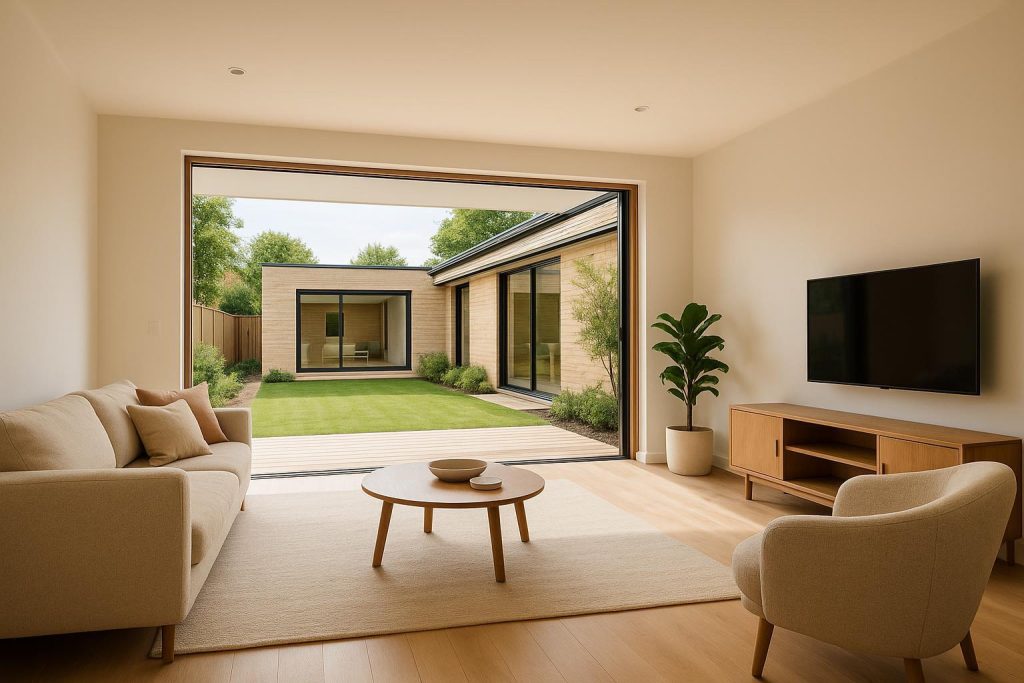
Expanding Your Main-Floor Living Area With Minimal Roofline Changes
Creating a larger, more functional main-floor living space can be a game-changer for homeowners who love their current location but want a more modern, open, and comfortable environment. One of the biggest questions people ask is whether it’s possible to expand the main floor without making drastic alterations to the roof. The short answer is: yes. With thoughtful planning, clever design, and a professional approach, you can enjoy many of the benefits of a roomier main level while preserving much of your existing roof structure. In this guide, we’ll explore everything you need to know about expanding your main-floor living area, from initial considerations to possible construction methods, design options, and smart ways to keep the process smooth and cost-effective.
1. Why Expand the Main Floor Instead of Moving?
Before diving into methods for expanding your home, it’s worth considering why you might choose renovation over relocation. For many people, the appeal of renovation comes down to staying rooted in a beloved neighborhood, maintaining current school districts, and preserving community connections. In addition, there’s often no need to go through the stress of house hunting or paying for a completely new property, which can be more expensive in today’s market than building onto an existing home. By enhancing your main-floor living area, you also have a chance to take full control of the final design. You won’t have to compromise on style or layout simply to fit into a new house. Instead, you can tailor your space to match your exact vision and lifestyle preferences, creating a sense of collaboration with the existing bones of your dwelling.
Staying in the same home also allows you to maintain the parts of your property you love. Perhaps you adore your backyard or have a deck that’s perfect for barbecues on warm summer evenings. Maybe you’ve cultivated a garden over the years or installed a personalized feature like a cozy reading nook. With a well-planned expansion, you can preserve your home’s best aspects while focusing your upgrades on aspects that need more space or a fresh look.
2. Key Considerations Before You Start
Any renovation project—especially one involving structural changes—comes with important considerations. Before you break ground, here are essential points to keep in mind:
- Local Building Codes and Permits: Your municipality will have rules around how far your expansion can extend, how high it can go, and what permits you’ll need. Failing to follow these regulations can lead to costly delays or even the need to reverse completed work.
- Structural Integrity: Before planning any alterations to your home’s footprint or roofline, ensure a qualified professional evaluates your foundation, roof structure, and load-bearing walls. This step helps ensure the changes are safe and viable long-term.
- Budget Planning and Financing: It’s easy to get excited about design possibilities, but it’s vital to have a realistic budget. Factor in materials, labor, potential permit fees, site prep work, and any unexpected costs that could arise once the project is underway.
- Timeline Coordination: Renovations can be disruptive to daily life. Decide whether you’ll remain in the home during construction or temporarily relocate. Proper scheduling helps ensure that the process moves as smoothly as possible.
By systematically addressing these topics, you set a solid foundation for a well-executed expansion. Thorough preparation means fewer surprises, helping you manage your finances, time, and expectations more comfortably.
3. Bump-Outs and Strategic Extensions
If your goal is to add square footage without a major overhaul of your home’s roof, bump-outs and strategic extensions are strong solutions. A bump-out is a modest expansion that extends only a small portion of an existing room. This approach can offer just enough extra space for a larger dining area, a more comfortable seating arrangement, or even an expanded kitchen island without significantly altering the roof’s overall shape.
The design process usually begins with examining the current slope and pitch of your roof. If your roof angles allow for a modest extension, a reliable renovation contractor can work with you to seamlessly blend the new portion into your existing structure. This process often involves adding or slightly adjusting rafters, as well as ensuring flashing and weatherproofing measures are correctly implemented to prevent leaks.
Strategic extensions, on the other hand, can be a bit larger than a typical bump-out. They might accommodate a new family room, a home office, or a small sunroom. Extensions that follow your home’s current roof contours or add a subtle new slope can appear so natural that it’s hard to distinguish the addition from the original footprint. Rather than building out along every exterior wall, consider a targeted approach that focuses on the area of greatest need. For instance, if your living room feels cramped and lacks natural light, expanding just one side and adding large windows could dramatically improve both space and ambiance. For more ideas on sunroom or bonus space possibilities, you may explore what are some options for adding a sunroom or bonus space to the main floor.
4. Working With Your Existing Roofline
Keeping your roof structure intact or making only minor changes doesn’t mean you’re limited when it comes to design. Even a small modification—like extending the eaves or subtly reconfiguring an overhang—can allow for an elevated ceiling or create an interesting architectural detail. Maintaining your existing roof pitch also means there are fewer structural unknowns to manage as your renovation progresses, reducing both complexity and overall cost.
In many cases, you can adhere to your existing roof’s angles, eliminating the need for complex truss modifications. For homeowners wishing to preserve specific architectural details—like a classic gable or a beloved dormer—this approach is ideal. Plus, if you have an older home, respecting its established style while updating the interior can balance history with modern convenience. You’ll keep the rustic or character-rich visuals and enjoy the benefits of a more spacious design. If you are curious about blending new styles with an existing layout, pairing subtle roof adjustments with modernization can be an excellent compromise. It’s also possible to keep a significant portion of your home’s framework intact while infusing your main floor with updated finishes, larger windows, and improved functionality.
Of course, it’s wise to speak with a reputable renovation contractor about these changes. They can assess the longevity of your current roofing materials, recommend any essential maintenance or reinforcement, and ensure that a new extension will integrate seamlessly. Structural assessments also help confirm that the updated plans remain both secure and code-compliant.
5. Reconfiguring the Interior for More Space
Sometimes, you don’t need to expand your home’s footprint by much at all. A combination of a minor external addition and strategic interior reconfiguration can open up a cramped main-floor layout. For instance, if you have several small rooms sectioned off by non-load-bearing walls, removing these dividers can create an airy space that promotes fluid movement and better lighting. To learn more about creating an open-concept design, explore how to create a more open-concept layout for your main floor.
One possibility is combining a modest bump-out in the kitchen area with reconfigured walls that link the kitchen, dining, and living areas. This arrangement not only improves traffic flow, but also invites social interaction. If you love hosting, it will be easier to communicate with guests while preparing meals, thanks to the open sightlines. You might also choose to blend your updated kitchen with a more open living room arrangement. Learn more tips on how to do this effectively by checking out our guide on blending a new kitchen with an open-concept layout.
For those with a smaller main-floor footprint, focusing on thoughtful space planning can make a big difference. Consider rearranging where you place furniture, swapping out solid doors for pocket doors, or installing built-in storage to free up floor space. In some cases, you can rework unused corners into efficient offices, reading nooks, or children’s play areas tucked away yet still part of the central living zone. It’s amazing how even modest expansions or interior rearrangements can transform the look and feel of your home.
6. Incorporating Natural Light and Potential Window Upgrades
One common reason homeowners want to expand or remodel their main floor is to bring in more natural light. Even a small extension can open possibilities for bigger windows, new patio doors, or a more strategic window layout designed to let sunlight flow into your living spaces. From large bay windows to skylights that peak through your roof’s existing slope, there are many creative ways to brighten your interior without a massive structural disruption.
When planning, think about window placement in relation to the sun’s daily path. By positioning new openings to capture maximum brightness, you can reduce reliance on artificial lighting during the day. Large windows also create an enhanced sense of connection with outdoor spaces, making your interior feel bigger. If you want an in-depth look at the different types of windows you can add for maximum sunlight, consider which types of windows are best for increasing natural light on the main level.
Depending on your home’s style, investing in well-insulated new windows could cut down on energy bills in the long run. Modern window materials are designed to improve efficiency, helping stabilize indoor temperatures and reduce cold drafts. If your remodeling process includes new doors leading to a deck or terrace, you’ll amplify that sense of spaciousness as well. Even a smaller addition can feel large when ample light and ventilation are part of the design.
7. The Role of Professional Design and 3D Renderings
Visualizing your renovation before construction begins is crucial. Professionals often provide 3D renderings that allow you to “walk through” different layout possibilities on your main floor, complete with potential expansions and adjusted rooflines. Seeing these digital mock-ups can help you understand precisely how added square footage will flow into existing rooms and how your roof might evolve to accommodate the new space. It also makes it easier to plan for finishing touches, like lighting fixtures, paint colors, and furniture placement.
A design-centered approach reduces the chance of second-guessing major decisions once construction starts. By working with a renovation contractor from the initial concept stage, you can refine the design until it strikes the perfect balance between appearance, function, and cost-efficiency. This forward-thinking process is especially helpful if a small bump-out or partial extension is needed but you aren’t sure which side of your home would benefit most. In addition, 3D plans clarify how the updated exterior silhouette will blend with neighboring properties, ensuring the results enhance the surrounding environment.
8. Maintaining Architectural Harmony
Expanding the main floor shouldn’t mean losing the charm or personality that drew you to your home in the first place. Rather than radically changing your roofline, you can focus on small architectural tweaks that maintain harmony with the existing structure. This might mean matching siding or masonry, selecting similar roofing materials, or replicating decorative elements such as trim work or window shapes. The key is to ensure that when someone looks at your home, the new sections and original structure flow into one another organically.
Harmonizing an older home’s aesthetic with modern updates can be a challenge, but the payoff is worth the effort. Instead of feeling disjointed, your renovated spaces will complement your home’s established character. This unity often helps protect or even increase your property value, since well-integrated additions tend to be more appealing to potential future buyers as well.
9. Q&A and Additional Tips for Smoother Projects
If you have more specific questions about optimizing your main-floor living area, consider these additional points:
- Kitchen and Living Area Upgrades Together: If both your kitchen and living room are due for an update, you might consider tackling them simultaneously for a cohesive look. Read more about that in upgrading your kitchen and living area at the same time.
- Preparing Your Main Floor Layout: A little preparation goes a long way. Check out how to prepare your existing main floor layout and minimize disruptions.
- Bathroom Considerations: If your main-floor bathroom is small, you can sometimes reconfigure it for better functionality without major expansions. Explore ideas on remodeling a small main-floor bathroom to keep guests comfortable.
- Windows During a Remodel: Thinking of adding windows to your new or existing walls? Investigate whether adding new windows during a main-level remodel might improve light, views, and energy efficiency.
Making these considerations part of your planning will help you avoid common pitfalls, like overlooking a key aspect of daily living or forgetting to factor in crucial structural support. It’s always wise to create a list of priorities so you know which features you’re set on and which you can compromise on if your budget or timeframe hits limits.
10. Next Steps: Bringing Your Main-Floor Expansion to Life
Once you have your plans, budget, and vision clearly laid out, it’s time to bring your ideas to life. Here’s an overview of the next steps:
- Choose the Right Contractor: Look for a professional with experience in main-floor additions, structural assessments, and design. They should communicate well, provide transparent pricing, and respect your preferences.
- Review Design Details and 3D Mock-Ups: Confirm that the final design meets your needs, from the wall configuration to window placement. This review is a chance to ask questions about everyday functionality—like traffic flow and furniture orientation.
- Coordinate Construction: Set a timeline that works for your family schedule, taking into account possible weather-related or supply-related delays.
- Stay Engaged During Building: Regularly check progress, approve changes quickly, and maintain open communication with your project manager. This proactive approach keeps surprises to a minimum.
- Add Personal Finishing Touches: Finalize paint colors, flooring materials, lighting fixtures, and décor. Small details can have a big impact on how your newly expanded space feels.
Throughout the process, keep your goals front and center: a main-floor living area that is warm, welcoming, and aligned with your lifestyle. Whether your focus is on entertaining, spending time with family, or creating a tranquil retreat for relaxation, thoughtful design ensures your new space will serve you well for years to come.
If you’re looking for more inspiration and ideas, don’t hesitate to explore the Home page of our website. Our mission is to help you visualize how a strategic expansion can improve your daily life and long-term home value. While major structural changes can be daunting, collaborating with a reliable team, investing in proper planning, and taking advantage of skillfully executed bump-outs and roof modifications can transform your space while respecting your home’s existing roofline.
By following these guidelines and working with experienced professionals, you’ll be well on your way to enjoying a larger, more cohesive main floor—all with minimal impact on your original roof design. That perfect blend of practicality and style is closer than you might think, especially once you see detailed designs or 3D renderings showcasing how your home can evolve.
Expanding your main-floor living area doesn’t have to be overwhelming. You can start small and gradually incorporate changes, or envision a comprehensive renovation project that addresses every foot of available interior space. Either way, the journey begins with understanding the possibilities and then taking the first step to consult with knowledgeable experts who value both aesthetics and structural integrity. With the right planning, you can enjoy the benefits of extra living space, modern comfort, and preserved architectural character—proving that a bigger main-level lifestyle boost doesn’t always require a major roofline overhaul.